
Baseline Social Regulation Mechanics in High Threat Environments
Social baseline regulation conserves physiological resources under threat by offloading metabolic costs onto stable physical proximity with a reliable partner.
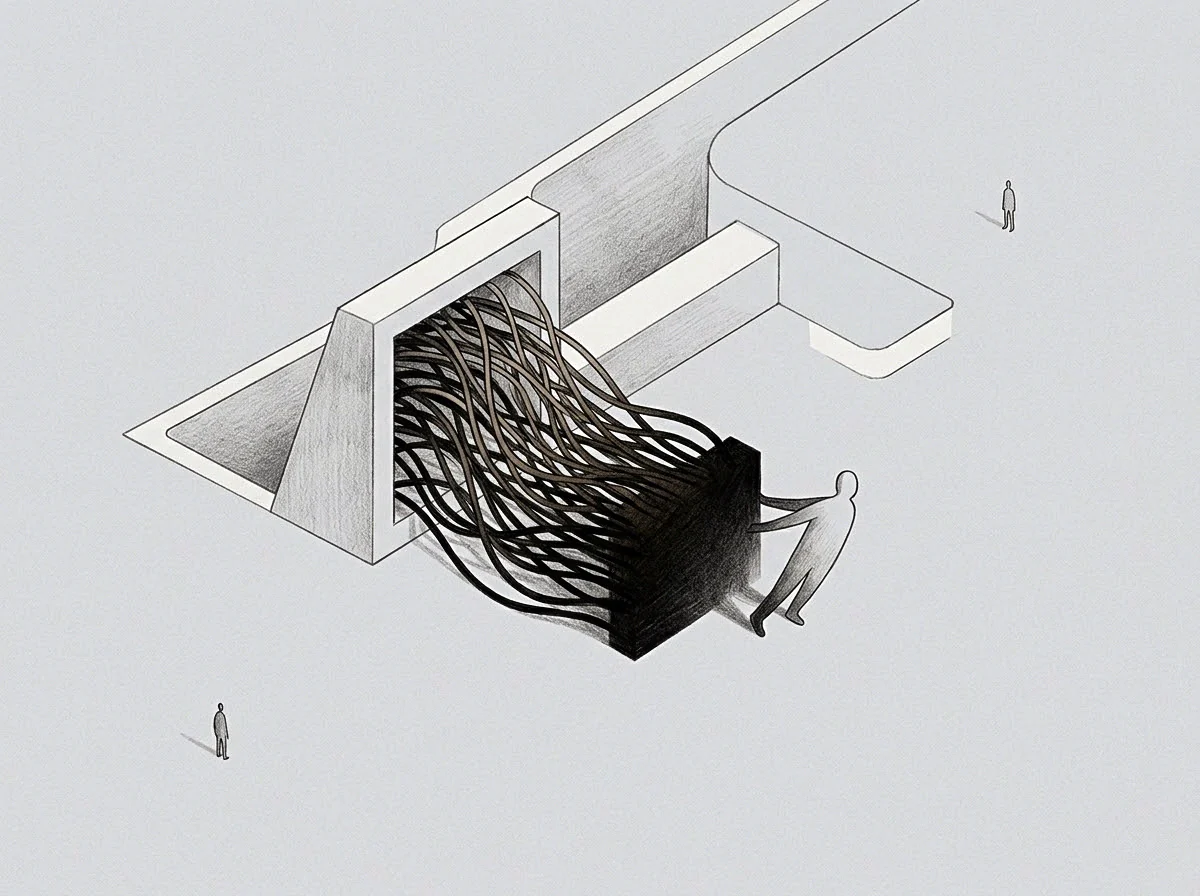
Floor
Human nervous systems calculate threat response based on an assumption of social proximity rather than individual isolation. When an individual operates in isolation, the brain treats environmental risk as a solo financial expenditure, elevating autonomic arousal, hypothalamic-pituitary-adrenal axis activation, and glucose utilization to maintain vigilance. Social baseline theory establishes that physical proximity to a predictable partner alters this baseline calculation.
The brain conserves metabolic resources by distributing risk across the social unit. Proximity reduces neural expenditure.
In high-threat operational environments, this physiological budgeting mechanism dictates how teams absorb stress. When acute threat materializes, individuals do not default to self-contained regulation. They search for a reference state within immediate sensory range.
The presence of a calm, predictable person allows surrounding nervous systems to down-regulate threat processing without engaging their own high-cost coping strategies. Borrowed regulation functions through metabolic offloading. The calm individual acts as a physiological grounding point, absorbing the sensory impact of the operational environment while surrounding team members draw down their internal threat response.
Social regulation functions by distributing threat processing across available nervous systems to reduce individual glucose consumption.
This dynamic creates a hidden energy asymmetry inside operational structures. A leader or peer who maintains low physiological reactivity under threat provides a measurable public good to the surrounding team. Cortisol spikes diminish in proximity to this stabilizing presence.
Heart rate variability across the team shifts toward co-regulated baseline patterns. The metabolic cost of remaining steady does not vanish. The stable person pays for the team’s physiological down-regulation by maintaining an internal state of high vigilance combined with outward behavioral suppression.
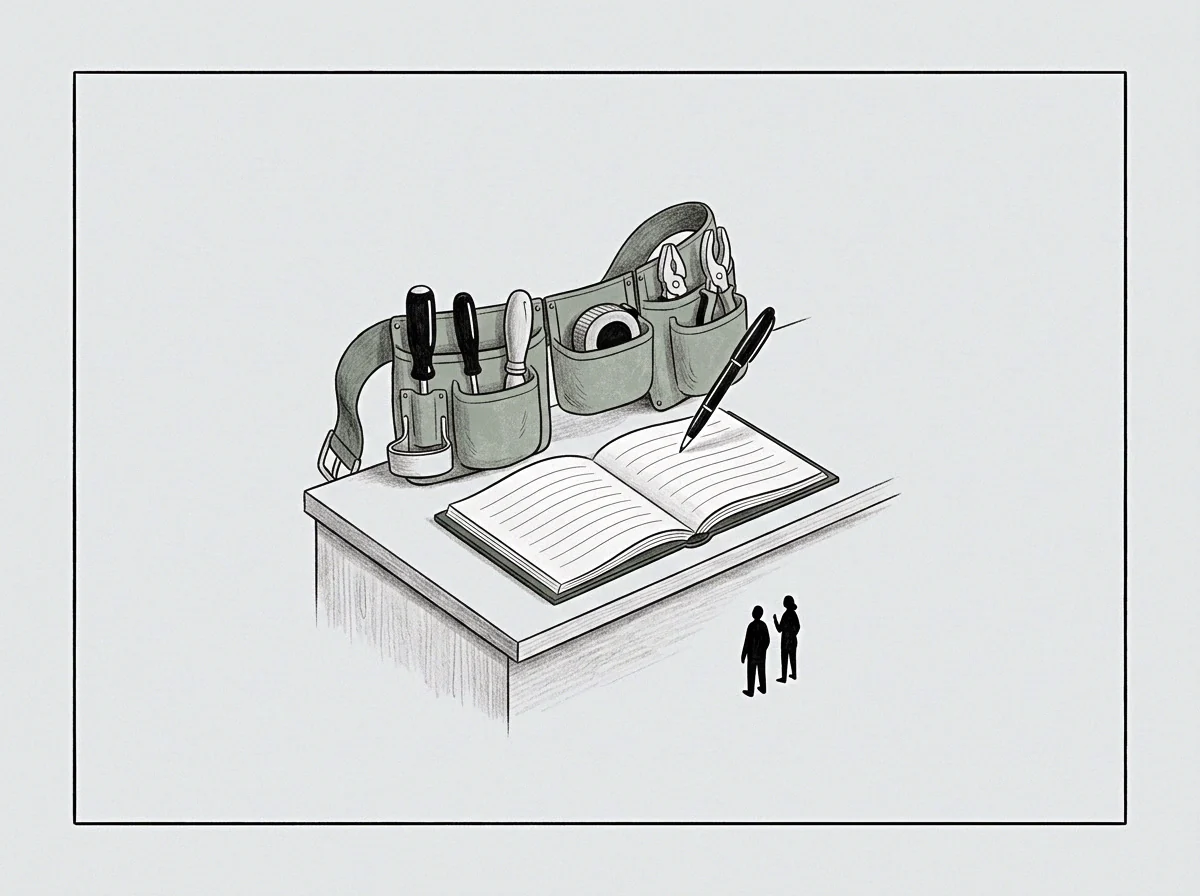
Metabolic Economy of Co-Regulation
The neural calculation of threat relies on baseline assumptions formed over long evolutionary periods. Isolation is treated as an energetic crisis. When a reliable partner is present, the brain registers reduced danger and scales down the activation of the amygdala and dorsal anterior cingulate cortex.
In high-stakes organizational environments, this mechanism shifts the burden of environmental tracking onto the person designated as the steady presence.
The metabolic conservation experienced by the team occurs because their threat monitoring systems can partially disengage. The stabilizing individual assumes the unvoiced task of ongoing risk assessment. Over extended operational runs, this unreciprocated buffering function produces cumulative physiological drain, even when the stabilizing individual displays no overt behavioral signs of distress.
When the physiological baseline is calculated with a reliable partner present, threat response parameters reset to lower energy consumption thresholds.
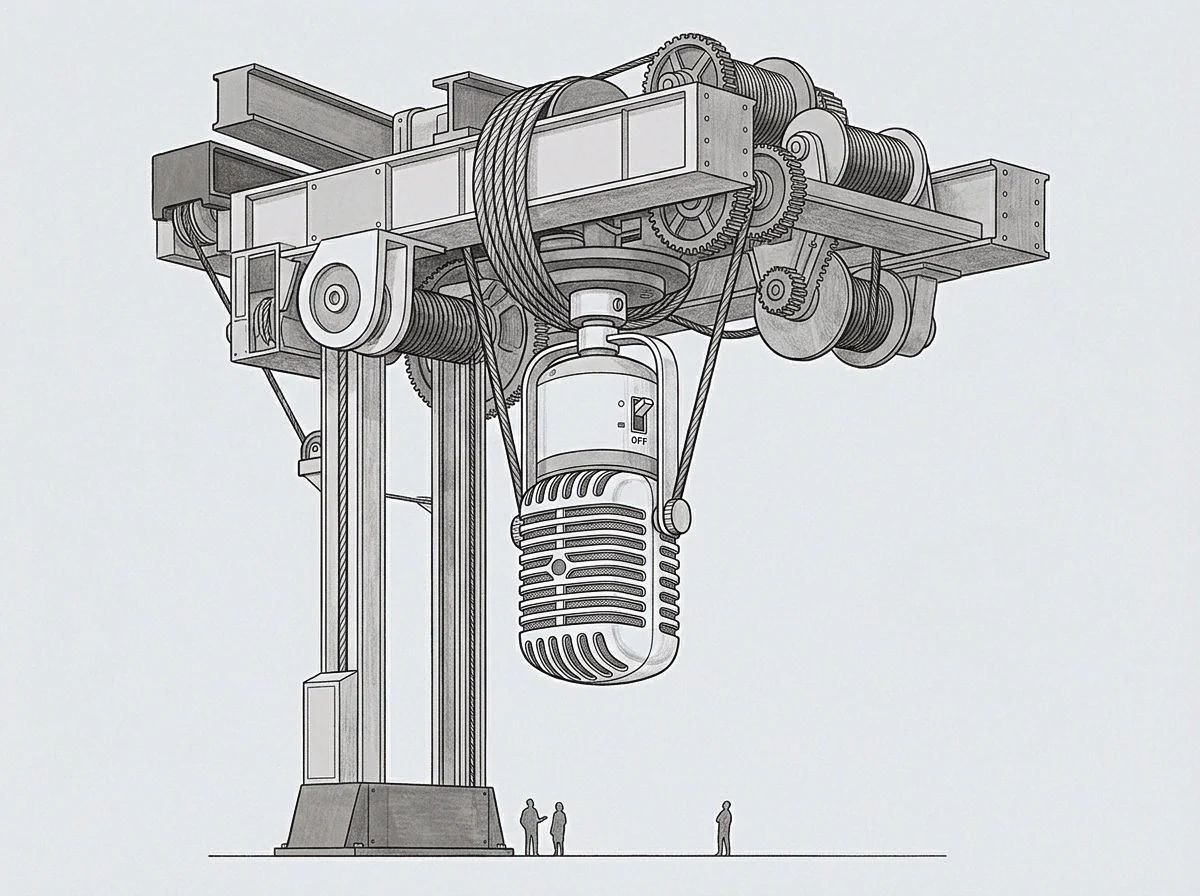
Template
Regulation patterns originate in early attachment relationships where an infant relies on a caregiver to soothe autonomic distress. When the caregiver is consistently responsive, the child internalizes a model of a responsive other and develops a distinct receptor slot for receiving comfort. In environments where early caregivers are erratic, absent, or overwhelmed, a alternative pattern develops.
The individual learns to manage both their own emotional state and the caregiver’s state to maintain physical and relational safety. This structural inversion forms a backward internal working model.
A backward working model fuses self-regulation with the regulation of others into a single operational sequence. The individual constructs an internal representation of themselves as the sole source of stability in any system. They lack an active receptor slot for receiving co-regulation from external sources.
When operational stress rises, their automated baseline response is to expand their regulatory coverage over the room rather than seek support. The receptor slot remains empty.
A backward internal working model forces an individual to supply social regulation without any capacity to receive it.
This dynamic manifests through specific operational patterns when high-threat conditions emerge in founder or executive seats:
- Unreciprocated Environmental Buffering occurs when an executive continuously absorbs team anxiety while explicitly refusing offers of operational or emotional support from peers.
- State Over-Identification develops as the person equates their personal value entirely with their ability to maintain absolute calm during institutional crises.
- Sensory Anomaly Rejection emerges when genuine co-regulatory presence offered by a partner is perceived as an unexpected operational demand rather than relief.
- Compulsive Load Extraction manifests when the leader actively seeks out team distress to resolve, using external regulation to bypass their own unresolved threat state.
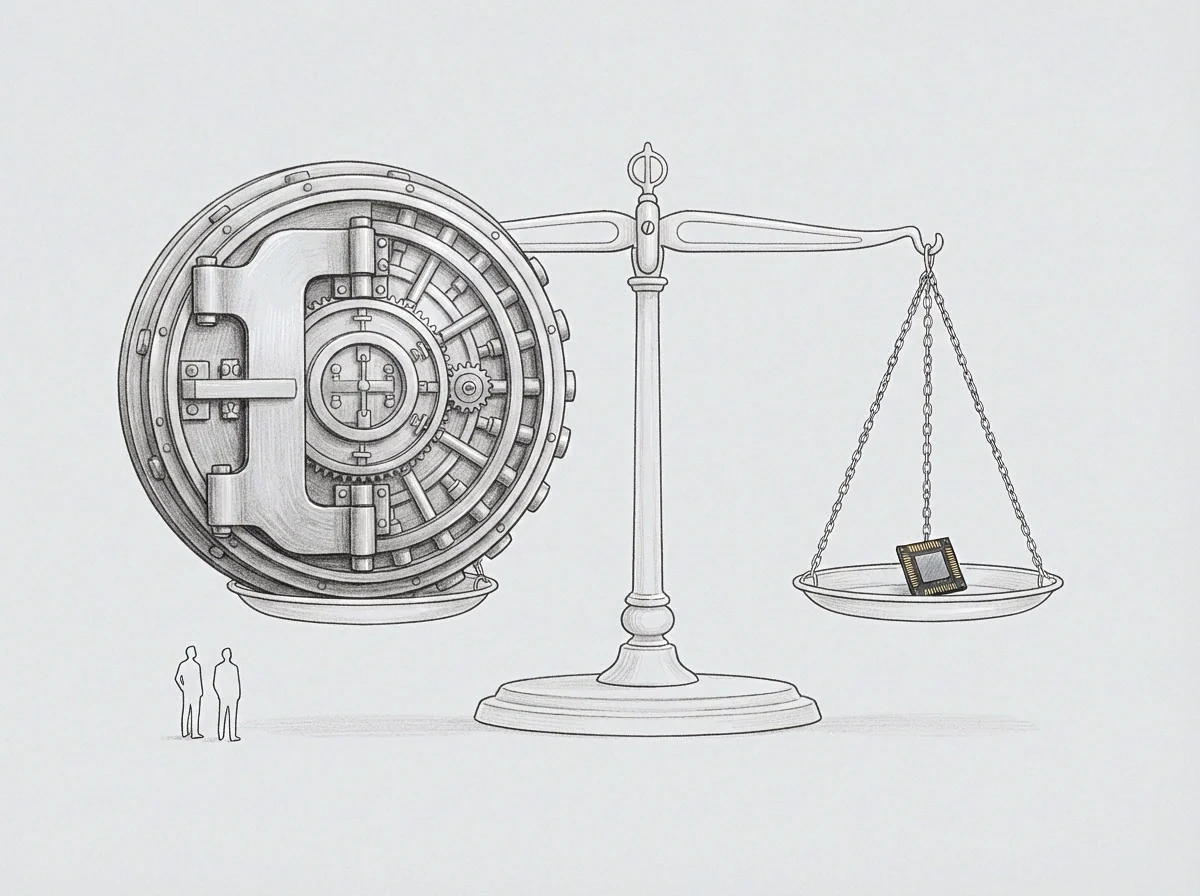
The Inverted Internal Working Model
Individuals who develop this inverted structure operate with high functional effectiveness in acute crisis settings. Their baseline expectation assumes no external help will arrive. This assumption eliminates the time and energy spent searching for external validation or soothing during emergency scenarios.
They respond to high-threat environments by immediately asserting control over surrounding relational dynamics.
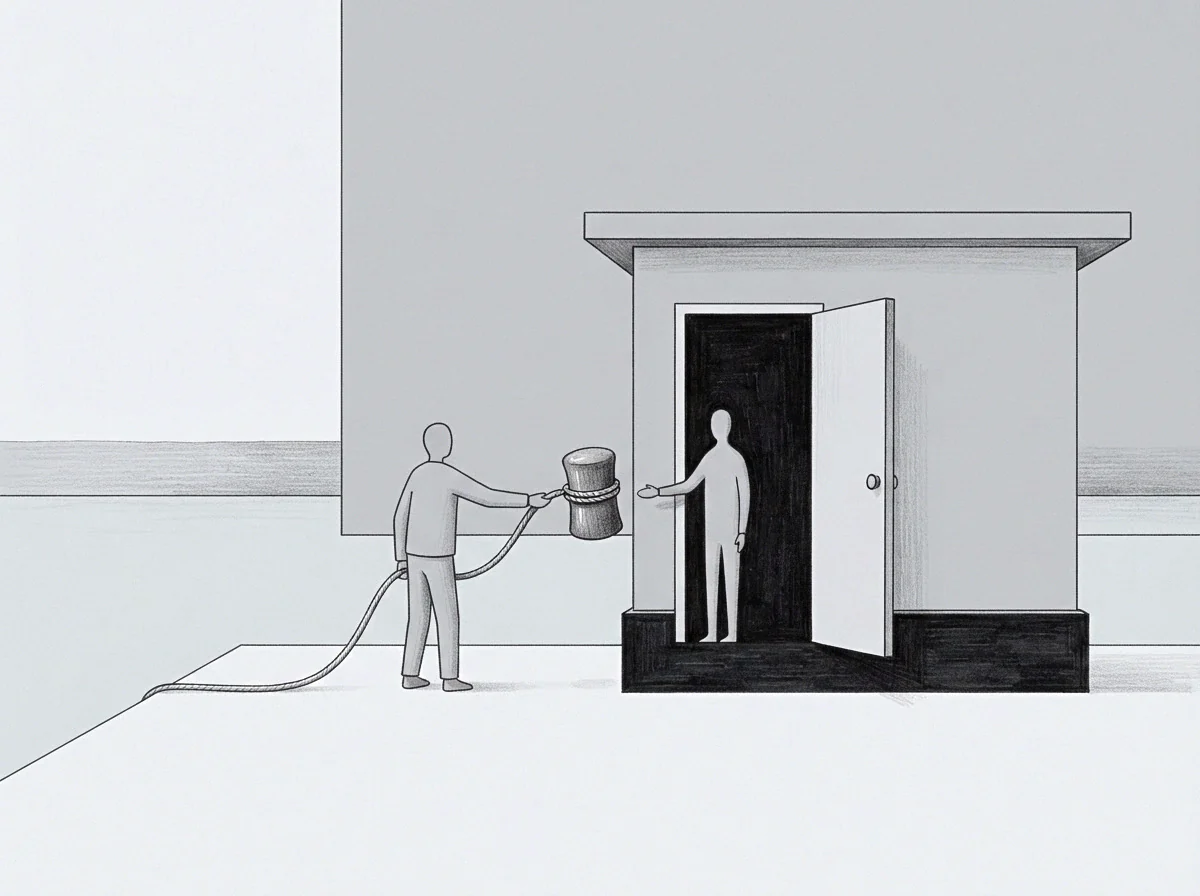
The absence of an functional receptor slot makes receiving help deeply uncomfortable. When a peer or partner attempts to offer co-regulation, the inverted baseline reads the gesture as an anomaly or a potential threat to their autonomy. The brain interprets incoming attempts at comfort as a loss of control, triggering an autonomic spike that mirrors the response to external operational danger.
The team relies on that stability because no alternative anchor exists in the room.
Toll
Operational stress in high-threat environments compounds through allostatic load, the cumulative wear and tear on body systems caused by chronic neuroendocrine activation. When an individual acts as the sole regulatory baseline for a team, their internal systems remain continuously engaged. The brain budgets threat continuously.
While team members experience periods of physiological recovery by offloading risk onto the leader, the leader’s internal baseline never returns to true resting status.
Strength under threat attracts incoming operational load. Surrounding team members unconsciously read a low-reactivity executive as possessing infinite capacity. They route additional complex decisions, unmitigated risks, and emotional disclosures toward the steady seat.
Load flows toward stability. This dynamic creates a positive feedback loop of incoming demand that rapidly accelerates the leader’s metabolic expenditure.
Operational pressure accelerates physiological debt when team members treat a steady leader as an infinite energy source.

Can Strength Under Acute Threat Be Managed Safely?
Managing high reactivity while serving as an organizational baseline demands precise energy accounting. A low-reactivity presentation often masks severe physiological strain. Cardiac vagal tone may decline sharply even as outward voice tone and physical posture remain steady.
Operational systems often mistake behavioral composure for physiological safety.
When high baseline regulation is maintained without adequate systemic recovery, the nervous system eventually reaches an availability gate. At this boundary, the capacity to suppress internal threat responses collapses abruptly. The resulting state presents as sudden executive paralysis, cognitive narrowing, or uncharacteristic emotional withdrawal.
The system stops accepting incoming operational load because its underlying energetic budget is entirely exhausted.
Unmanaged load transfer from team to leader results in catastrophic failure of the regulatory baseline during critical operational phases.
Room
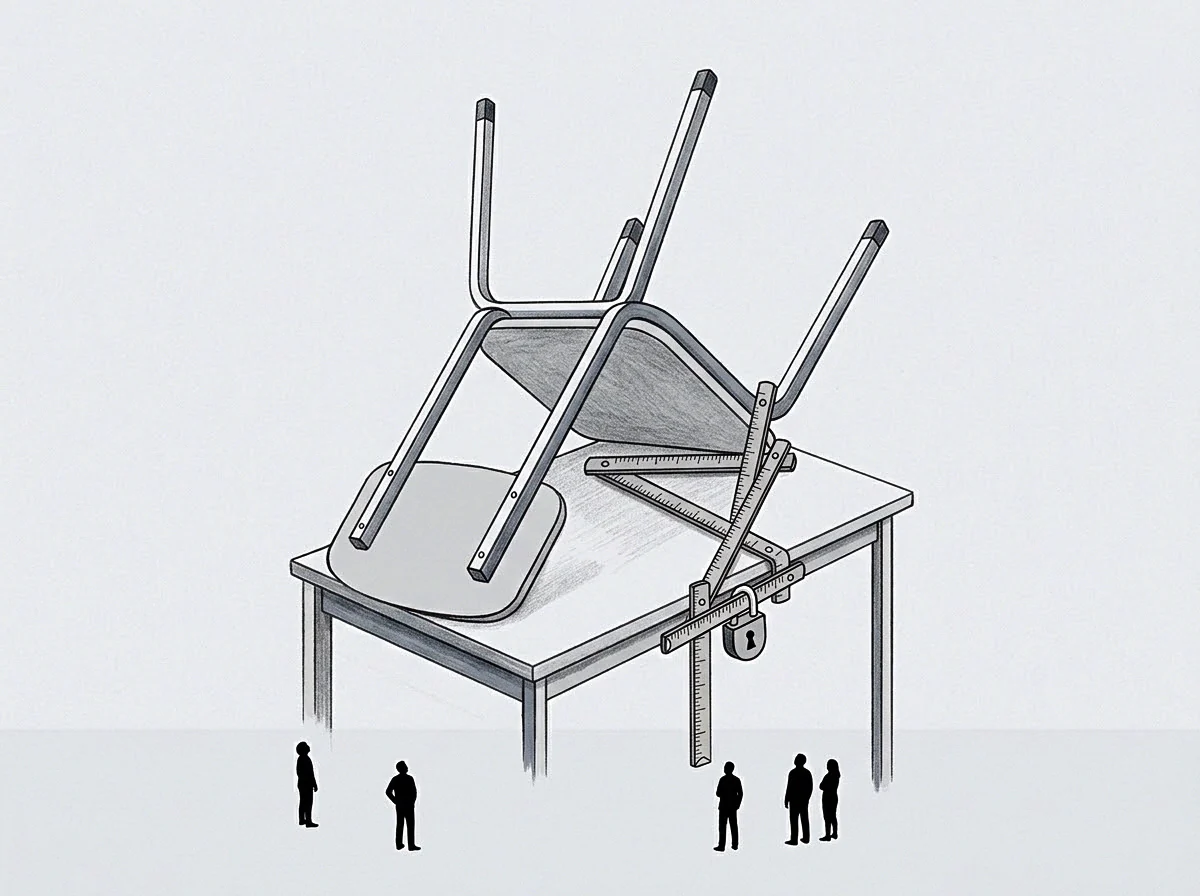
The physical space of an operational environment acts as the surface where regulation dynamics take material form. Team members observe micro-expressions, breathing cadences, and postural changes to evaluate environmental danger. A leader who enters a physical or virtual space with an ungrounded nervous system immediately elevates the baseline threat calculation of everyone present.
Conversely, a steady presence lowers the baseline cost.
Borrowing calm from a stable leader allows team members to retain cognitive bandwidth for complex problem-solving. This shared regulatory field operates below conscious awareness. However, the structure of this shared field depends heavily on whether the baseline relies on one-way state attachment or true mutual co-regulation.
| Regulation Structure | Primary Energy Source | Physiological Baseline Shift | Threat Response Capacity | Sustainable Duration |
|---|---|---|---|---|
| Solo Regulation | Individual metabolic reserves | Elevated autonomic baseline | Low bandwidth, rapid exhaustion | Short operational windows |
| State Attachment | Leader’s unreciprocated capacity | Asymmetrical stabilization | High team capacity, declining leader capacity | Medium operational runs |
| Mutual Co-Regulation | Distributed relational field | Low shared threat baseline | Maximum collective adaptivity | Indefinite operational resilience |
State Attachment Mechanics
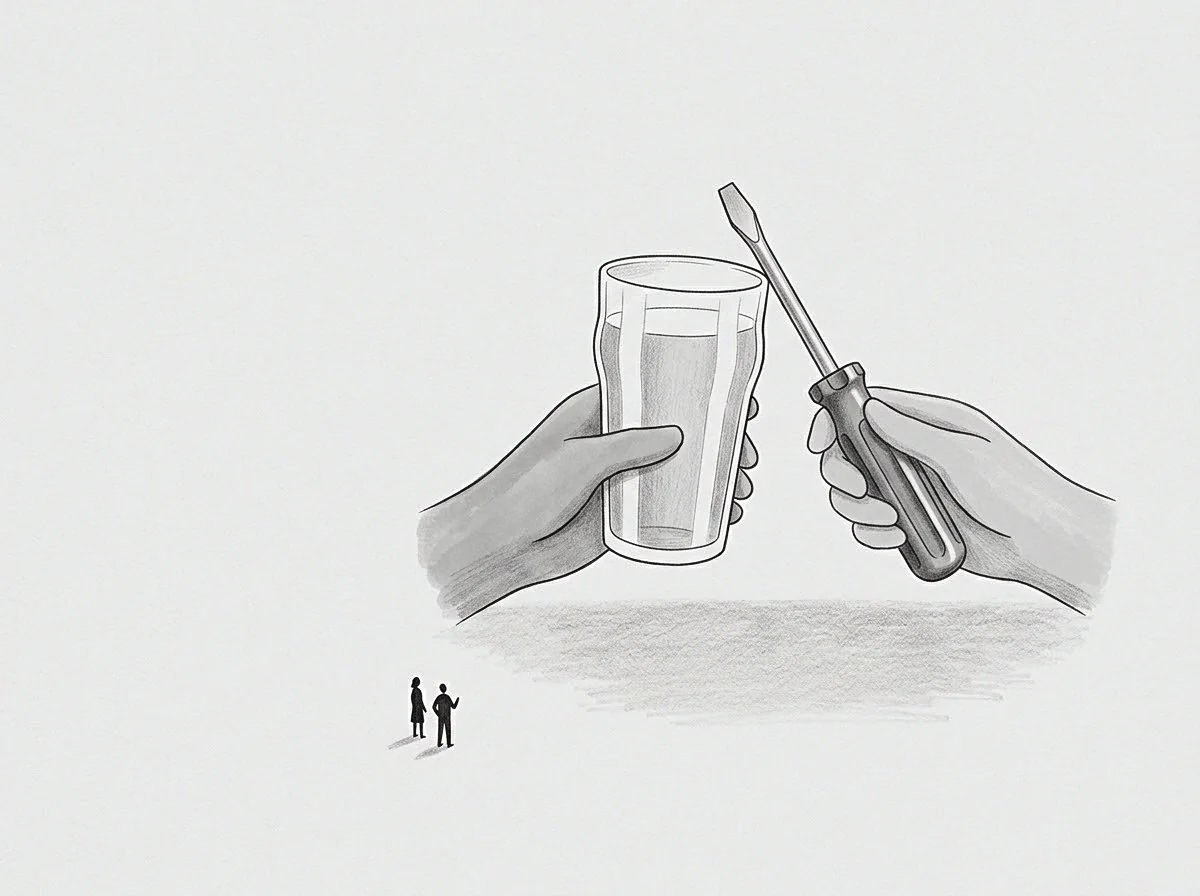
In state attachment, team members link their internal stability directly to the leader’s physical or verbal signaling. They do not develop internal mechanisms to process the specific operational threat. Instead, they rely on proximity to the leader to suppress their autonomic distress.
Silence is read as capacity. This reliance creates a fragile organizational architecture that breaks instantly if the leader shows visible signs of hesitation or fatigue.
When an entire executive group relies on state attachment, the leader functions as a human surge protector. The financial and strategic health of the organization becomes tied to one person’s autonomic threshold. The cost of maintaining this position escalates as the enterprise grows in scale and complexity.
What happens to team cohesion when the primary stabilizing presence unexpectedly leaves the operational floor?

Delta
Updating an inverted regulation template requires moving from intellectual comprehension to repeated physical experience over extended time periods. Cognitive insight alone cannot alter an automated autonomic response. Insight leaves the model intact.
The nervous system requires direct sensory evidence that receiving regulation from another person is safe and does not lead to relational exposure or loss of control.
Earned security represents the structural update path for an individual who grew up or developed professionally under an inverted template. This transformation occurs through micro-experiences of shared regulation with a steady peer, partner, or clinician. Repetition rewires the baseline expectation.
Over time, the brain constructs a secondary internal working model that includes an operational receptor slot.
Earned security develops through repeated physical experience of safe co-regulation rather than theoretical insight.
The delta over time manifests as a fundamental change in how the leader responds to incoming support and operational stress:
- The individual recognizes the immediate physiological signals of unreciprocated load carrying during high-stress operational runs.
- The nervous system permits brief moments of vulnerability without triggering immediate defensive self-reliance or behavioral withdrawal.
- The active opening of a functional receptor slot allows the person to absorb genuine co-regulation from trusted external sources.
- The operational baseline transitions from continuous solo suppression to a flexible, distributed model of shared systemic resilience.
Building the Secondary Template
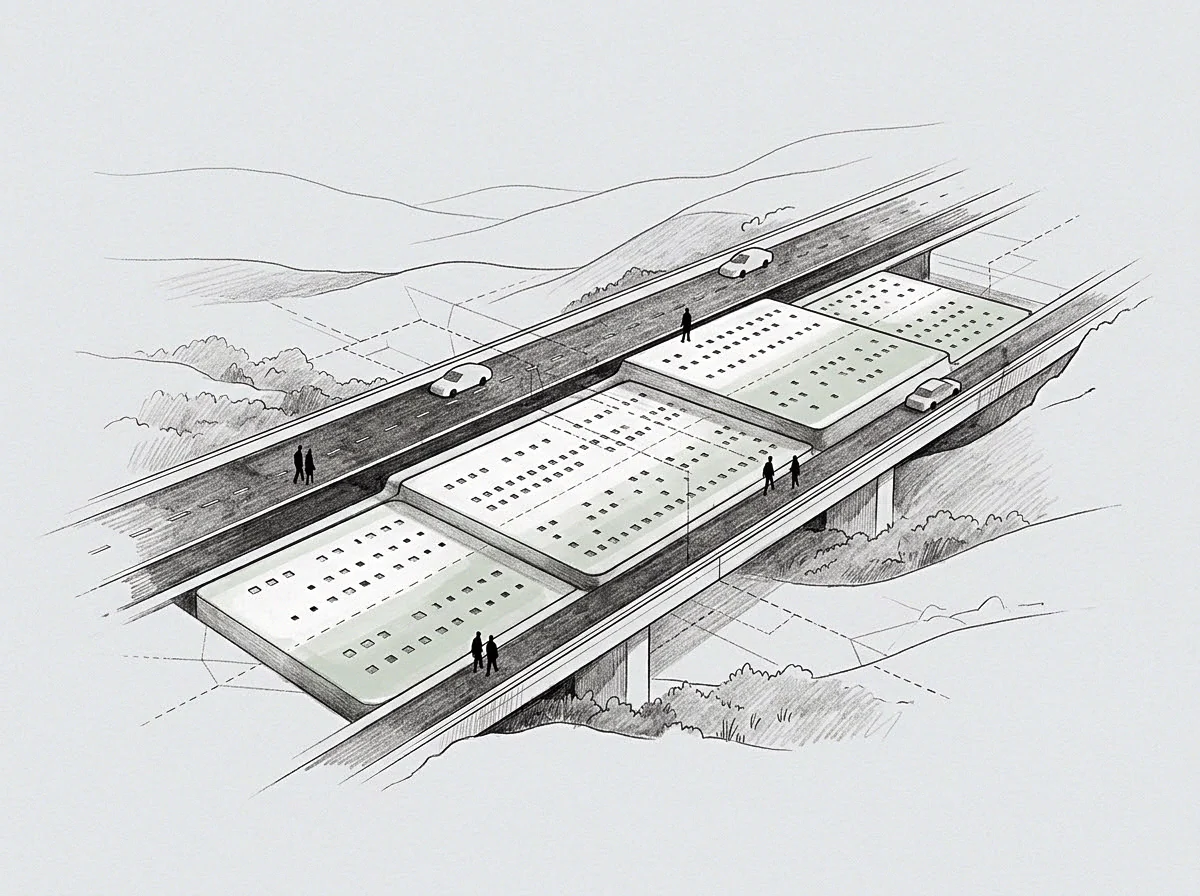
Developing a secondary template does not erase the historical inverted model. Under extreme acute threat, the individual may still default to automated solo regulation and over-functioning. The presence of a secondary template provides an alternative neural pathway.
The body keeps the tally. When stress markers rise, the individual can consciously choose to engage the new receptor slot rather than defaulting to complete regulatory isolation.
Security is built through practice. As the secondary template stabilizes, the energetic cost of operating high-threat environments drops significantly. The leader shifts from serving as an exhausted surge protector to participating in a robust, co-regulating executive team.
This shift preserves long-term physiological capacity while enhancing the overall operational resilience of the organization.
The transition completes when an offer of presence is accepted flatly as real support, without any perceived debt attached to the exchange.