
Grounding Social Baseline Mechanics in High Stress Operations
Social baseline theory demonstrates that shared proximity conserves metabolic reserves, while solitary operational control incurs compounding neural debts.
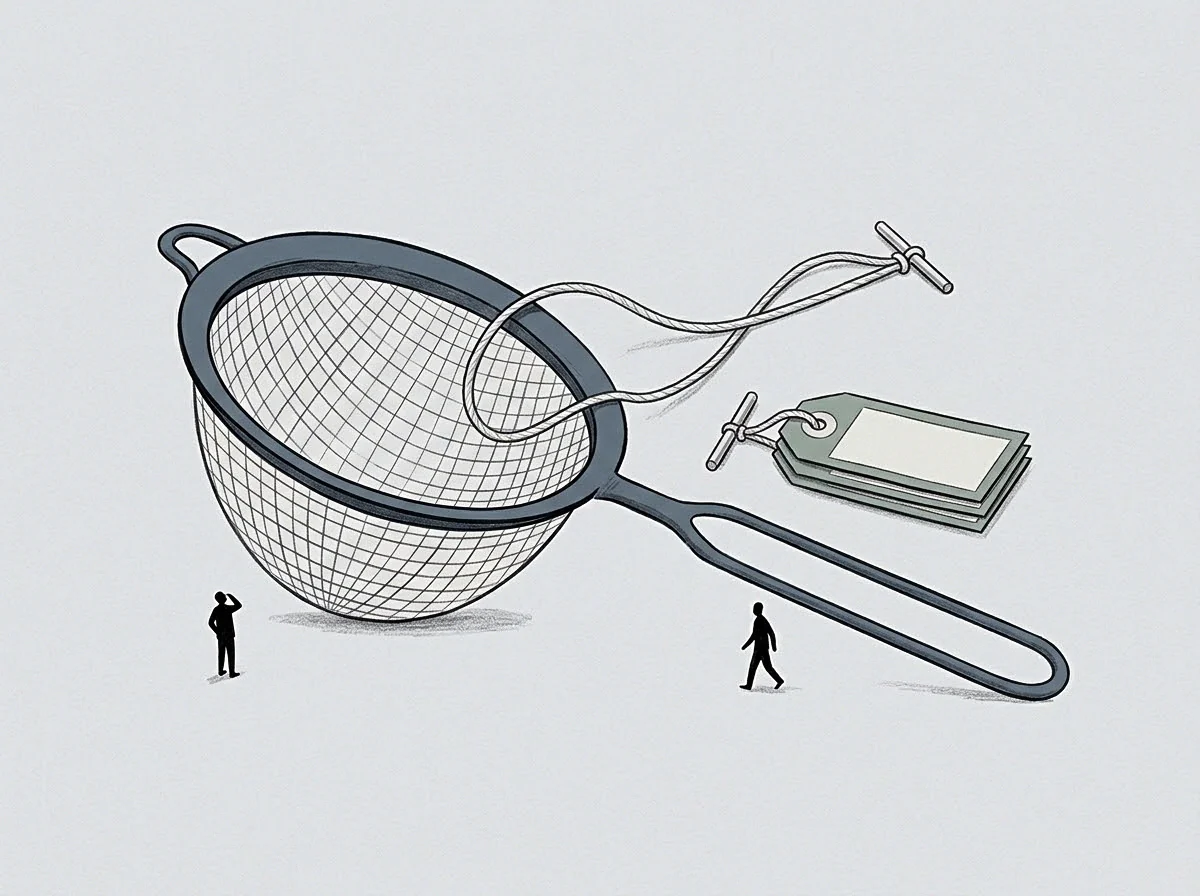
Bench
Four operational incidents converge on an incident commander at three in the morning while telemetry displays degrading response times across storage clusters. The operations lead sits upright at the terminal bench, shoulders steady, voice level across the radio loop, issuing direct commands that parse incoming telemetry without apparent strain. Observers in the incident room match that cadence, lowering their speech volume and steadying their own posture against that posture.
The room assumes the person at the terminal bench possesses spare capacity to absorb further volatility. That assumption misreads motor control as physiological ease.
Social baseline theory establishes that the human nervous system treats physical proximity to familiar conspecifics as the default baseline for conservation of metabolic resources. Solitary load management acts as an expensive deviation from that baseline, requiring increased prefrontal cortex activation and elevated cardiac output to survey environments for threat. When individuals operate in physical proximity to capable peers, neural threat responses attenuate, decreasing the bioenergetic load of monitoring and control.
In high stress operational environments, this economy functions in reverse when a single operator serves as the unassisted grounding anchor for a wider operational group.
A stable posture under operational strain draws immediate operational load from adjacent personnel who mistake external steadiness for physiological reserve.
The operator at the bench holds the operational model in working memory, tracks cascading failovers, and translates systemic degradation into discrete containment steps. Team members borrow that composure to manage their own autonomic arousal. The presence of the steady lead lowers the vigilance expenditure of everyone in earshot, allowing them to complete localized tasks without panic.
That borrowed stability carries a metabolic penalty that lands entirely upon the person maintaining the central state. The operator pays for group coherence out of personal reserves while receiving no incoming regulatory signal from the room.
The operator has no remaining room for additional task handoffs. The shift log shows eleven hours of unbroken incident triage without an operational pause. A colleague enters the room with two more incident reports and remarks that the shift lead seems totally unaffected by the outage.
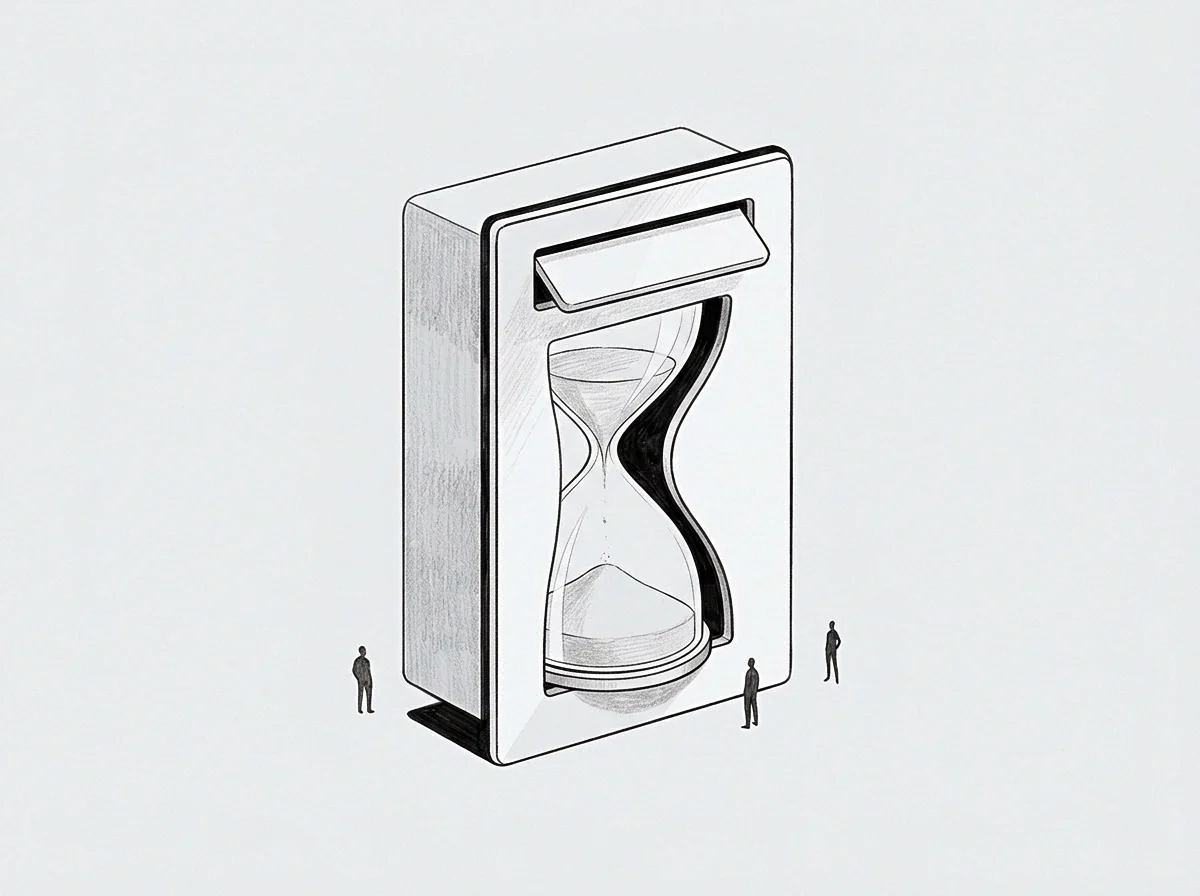
Coupling

Metabolic Distribution Across Operational Pairs
Co-regulation between operators during acute disruptions depends on verifiable reciprocity. When two engineers sit side by side at an operations console, their autonomic nervous systems couple through mutual auditory, postural, and behavioral cues. Cardiovascular deceleration and respiratory entrainment occur naturally when neither individual carries sole responsibility for the outcome.
Each operator offloads threat assessment to the sensory capacity of the partner. The brain budgets threat surveillance across two bodies, halving the glucose expenditure required to maintain hypervigilance.
This dynamic shifts when an asymmetry of competence or responsibility enters the pairing. An experienced technical lead paired with an apprentice during an unscripted outage cannot offload cognitive appraisal. The apprentice draws calm from the senior lead, whereas the senior lead monitors both the systemic failure and the apprentice’s behavioral errors.
The lead maintains a composed presentation to prevent apprentice panic from compounding operational errors. Neural threat circuits in the lead remain fully engaged beneath the deliberate flat tone of voice. The regulatory budget flows entirely in one direction.
- Unilateral vigilance load forms when an operator surveys operational parameters while simultaneously scanning junior personnel for signs of cognitive paralysis.
- Attenuated sensory reception occurs as sustained prefrontal suppression dulls incoming vocal and behavioral reassurance from surrounding peers.
- Compounded vigilance debt accumulates through back-to-back crisis rotations that deny the nervous system the low-threat social contact needed to restore baseline vagal tone.
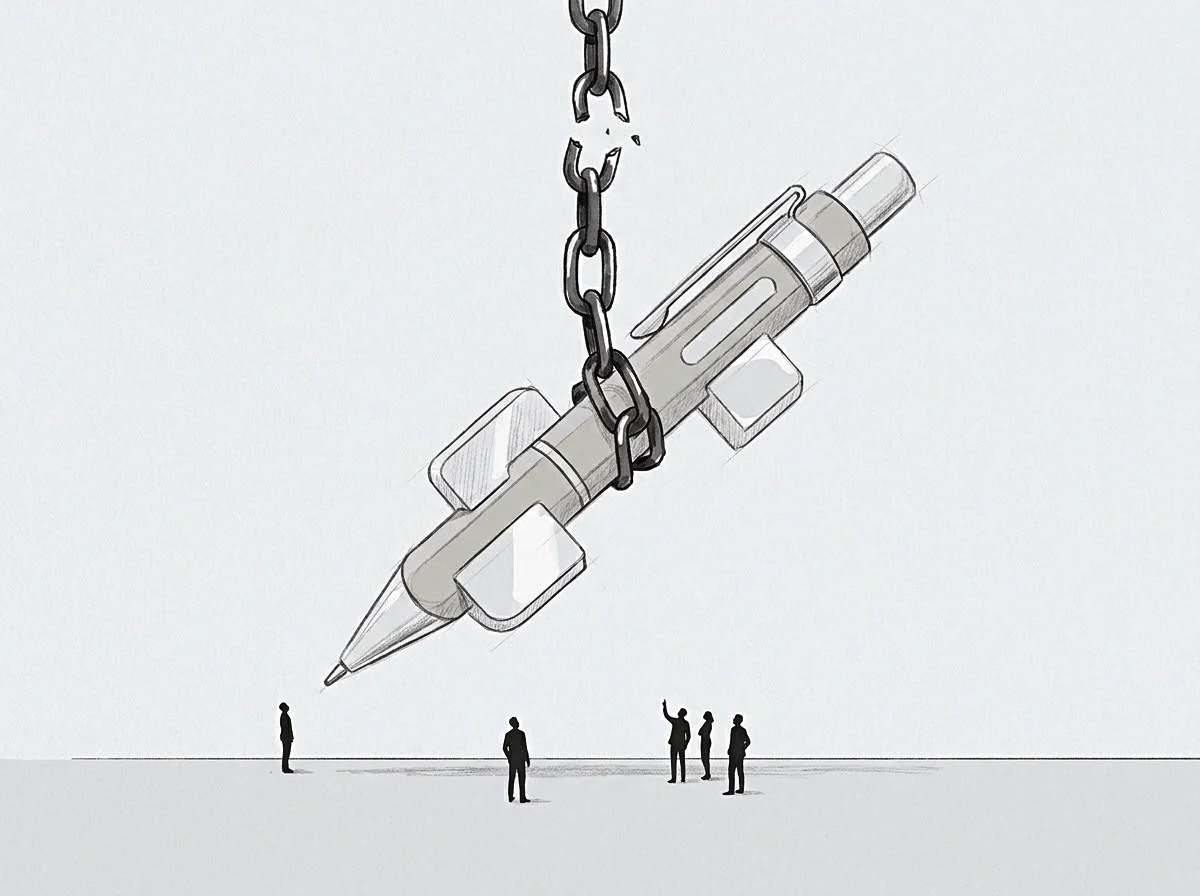
Conditions Governing Shared Threat Attenuation
Established functional imaging findings demonstrate that hand-holding or close physical proximity attenuates threat-related activation in the right dorsolateral prefrontal cortex, left insula, and operational motor areas. These findings rest on cohorts holding established relational safety, where the supportive partner represents a historical source of security. Transferring these conclusions directly to incident teams without examining relational quality produces faulty operational protocols.
A teammate whose technical competence is uncertain introduces vigilance load rather than reducing it. The senior operator spends metabolic reserves monitoring the partner instead of sharing systemic observation. Proximity to an erratic peer heightens autonomic arousal, forcing the lead to actively dampen spontaneous sympathetic responses.
Social baseline mechanics only economize metabolic expenditure when the adjacent person reads as thoroughly dependable under stress.
Shared operational load conserves bioenergetic resources only when the adjacent operator demonstrates verified technical reliability under acute disruption.
Physical distance alters this economy across distributed teams. Remote incident loops conducted via voice channels lack peripheral micro-expressions, respiratory audio cues, and autonomic resonance. Operators working isolated terminals in home offices regulate isolation through sheer cognitive exertion.
An incident commander working alone in a dark room experiences no natural baseline proximity support, accelerating exhaustion even when task complexity remains identical.
Presence lowers the cost of vigilance only when the partner is trusted to catch falling weight.
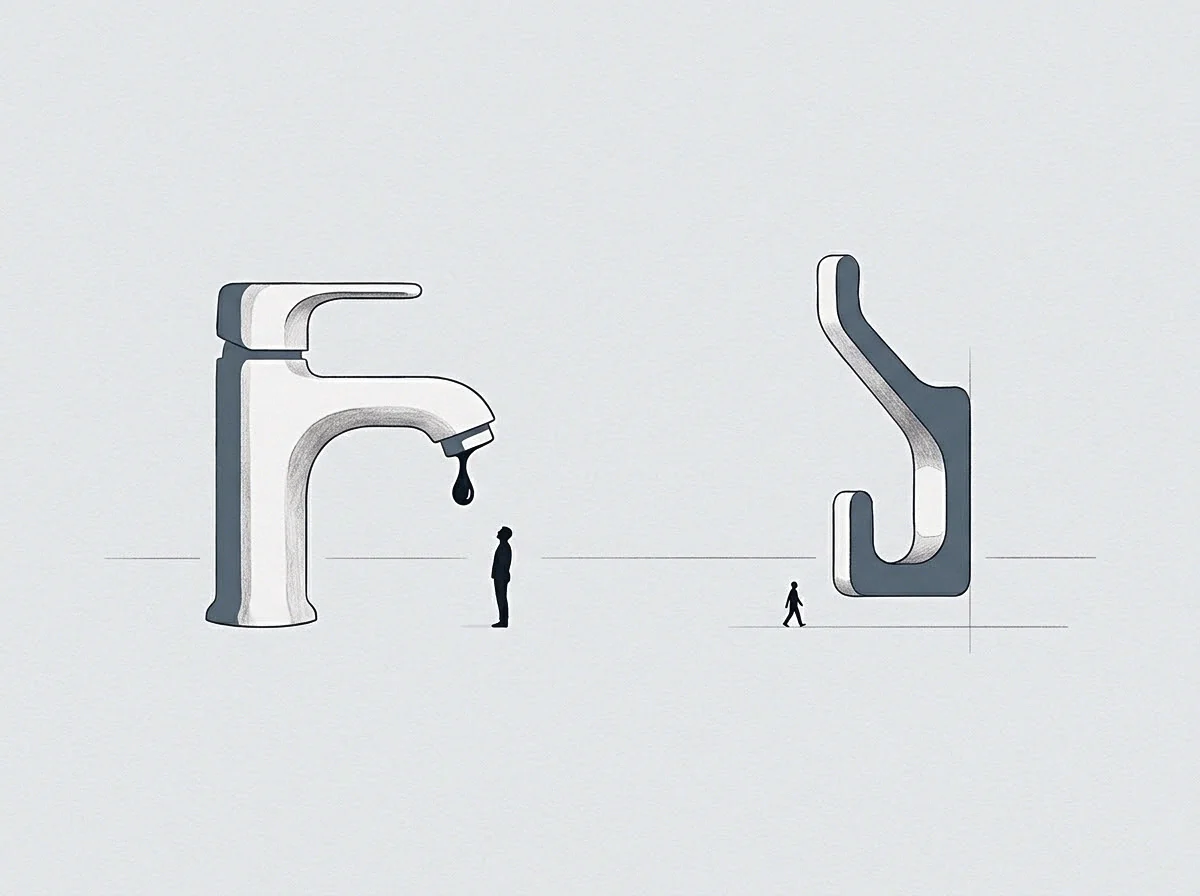
Intake
The Direction of the Regulation Budget
Every operational arrangement maintains a directional regulatory flow. During a protracted launch crisis or security breach, stress does not distribute evenly across an organizational chart. It settles into specific nodes that demonstrate high distress tolerance.
When an operator displays exceptional capacity to digest operational ambiguity without visible agitation, the surrounding team routes ambiguous signals directly to that operator’s intake queue. The operational system treats the calm operator as an infinite heat sink for ambient anxiety.
A founder or staff engineer who spent early career phases in volatile environments develops an internal working model oriented entirely toward external stabilization. The operator internalizes responsibility for preserving the operational equilibrium of others, suppressing personal autonomic dysregulation to secure group coherence. This posture creates a missing receptor slot: the operator registers offers of assistance as administrative friction or operational distraction.
Attempts by peers to provide support are repelled because processing peer support requires vulnerability that the operator’s operational posture specifically excludes.
Carrying the regulation of five team members during a week of data corruption depletes glycogen reserves and disrupts sleep architecture. The operator continues to answer queries with precise, steady explanations. This stability signals to leadership that the operator can absorb the next escalations.
The reward for competence under systemic collapse is the allocation of unmitigated systemic failure.
Steady performance during consecutive outages invites higher ambient load from teams seeking an anchor.
The operator’s internal working model equates safety with unilateral vigilance. Accepting external stabilization feels dangerous to an operator conditioned to associate survival with central command. The nervous system registers dependency as a point of critical system vulnerability, defaulting to solitary control even as working memory degrades.
Persisting in unilateral regulatory absorption causes autonomic exhaustion that manifests as sudden executive detachment, operational tunnel vision, and involuntary cognitive shutdown during routine triage.
Friction
Divergence Between Operational Presentation and Physiological Depletion
Organizations routinely confuse motor composure with operational resilience. An operator who does not shout, send panicked incident messages, or exhibit erratic command patterns is classified as unstressed. Physiological realities run counter to this diagnostic assumption.
Sustained operational suppression of sympathetic arousal demands massive metabolic input, measurable via cortisol accumulation, elevated resting heart rates, and diminished heart rate variability.
| Operational Dimension | Bilateral Co-Regulation | Unilateral Regulatory Anchoring |
|---|---|---|
| Threat Appraisal | Distributed across both operators via mutual confirmation | Borne entirely by the anchor while shielding the team |
| Vagal Regulation | Maintained via reciprocal vocal and behavioral feedback | Suppressed by continuous high-order prefrontal effort |
| Cognitive Headroom | Preserved for novel problem-solving and diagnostics | Consumed by parallel monitoring of systems and personnel |
| Recovery Velocity | Rapid return to baseline following incident resolution | Protracted exhaustion extending days beyond technical resolution |
The data in the table illustrates the operational split between sustainable collaboration and acute regulatory consumption. Operators functioning under bilateral co-regulation experience lower cumulative depletion because the cognitive load of validation remains shared. The anchor in a unilateral arrangement expends equal parts cognitive capacity on system repair and emotional containment of observers.
A founder who operates as the sole operational anchor creates systemic fragility. When that individual reaches exhaustion, no secondary anchor exists within the team to assume stabilization duties. The team relies on the founder’s state rather than operational documentation or decoupled protocols.
If that state falters, the entire incident response apparatus experiences immediate panic, compounding the underlying infrastructure outage with human coordination failure.
Instituting mandatory command handovers at the four-hour threshold alters this depletion rate by interrupting autonomic suppression before executive capacity degrades.
Drift
Earned Security Through Structural Operational Boundaries
Revising an internal working model that equates control with survival cannot occur through reflective realization alone. The nervous system demands repeated physical experiences of distributed load to alter baseline threat calculations. An operator anchored in solitary control requires structured operational interfaces that enforce regulatory division.
Technical architectures that permit unbounded escalation directly to an individual sustain the illusion that solitary vigilance is an operational mandate.
Earned security develops within operational teams when reliable peers repeatedly assume crisis management and execute containment successfully without the founder’s direct intervention. The operator must observe the operational bench from an offline position, experiencing autonomic spikes as incidents occur, and allowing those spikes to dissipate as the secondary team resolves the issue. Insight does not rewire neural threat appraisal.
Repeated non-catastrophic delegation rewires it.
Organizations must build structural limits into operations rather than relying on human discretion during crises. These measures include hard concurrency limits on active operational threads, physical rotation out of the incident room regardless of incident severity, and technical restrictions on continuous console access. When an operational boundary holds against real pressure, the nervous system begins to update its cost calculation, slowly categorizing peer support as a viable baseline rather than a hazard.
How an organization successfully balances mission-critical operational continuity while its primary technical anchors undergo the destabilizing transition from solitary command to shared autonomic baselines remains an open problem.