
Dyadic Co-Regulation Capacity After Long Periods Of Overload
Sustained allostatic load closes dyadic receptor slots, transforming physical proximity from a cheap regulatory mechanism into an active metabolic cost.
Trench
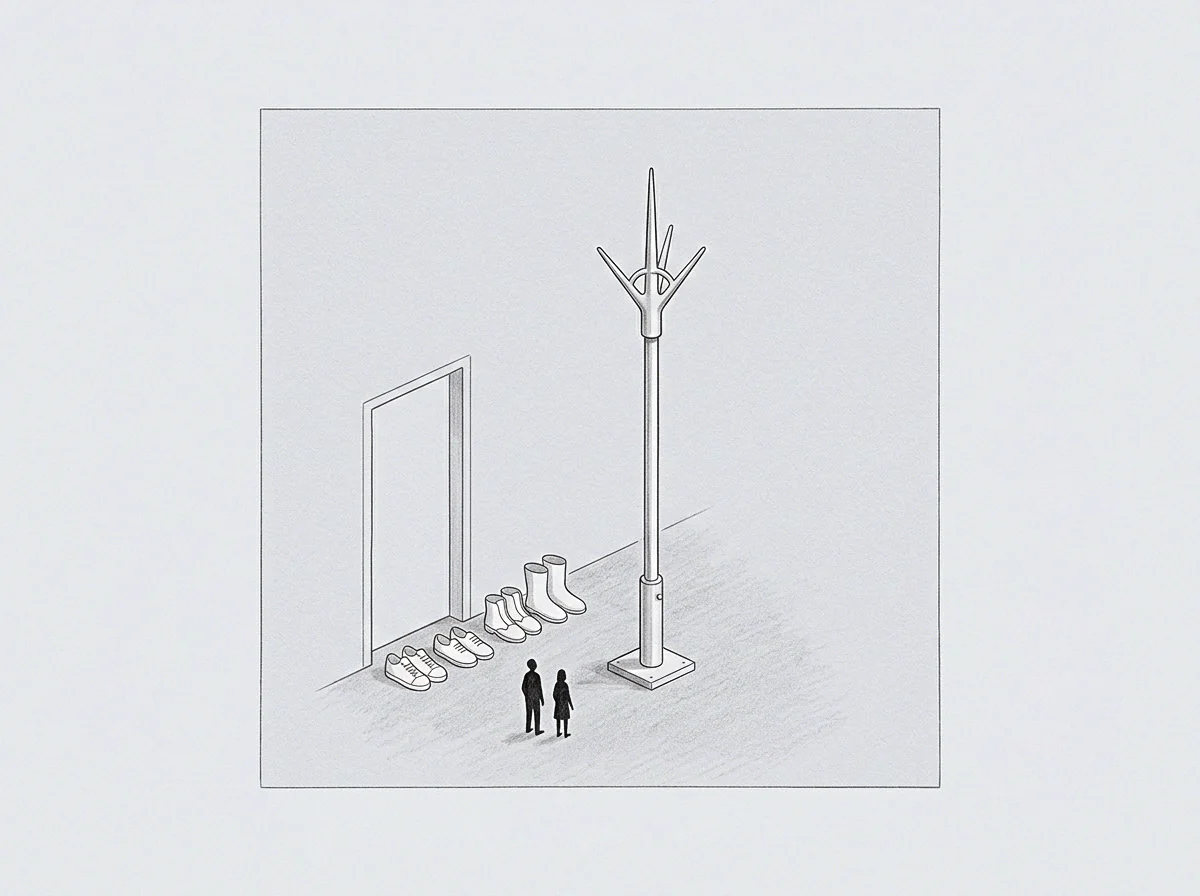
Four unanswered messages sit on a screen while two operators sit across a shared table in absolute silence. One operator has held operational variance for thirty-six months without an explicit shift in load distribution. The other operator reaches across the table to touch a shoulder, offering presence as a gesture of support.
The receiving operator turns away, their heart rate accelerating as the physical touch registers as an incoming demand rather than a signal of safety. The nervous system measures proximity. Under sustained systemic strain, the presence of another human body ceases to offer cheap regulation and instead presents an additional burden to process.
Social baseline theory establishes that human nervous systems default to sharing regulatory costs with reliable figures in their immediate environment. When a partner or co-builder is perceived as stable, the brain conserves allostatic energy by offloading threat monitoring and metabolic expenditure onto the shared baseline. Prolonged operating stress fundamentally alters this balance.
When an individual operates at cognitive and autonomic capacity for extended durations, the baseline physiological reserve vanishes completely. The price escalates rapidly.
Physiological Baseline Breakdown Under Continuous Strain
Continuous exposure to unresolved operational risk maintains the sympathetic nervous system in a state of high vigilance. The autonomic baseline shifts upward, locking the body into continuous metabolic mobilization. Co-regulation depends entirely on the availability of surplus neural capacity to receive, interpret, and match the subtle autonomic cues of another person.
When prolonged overload exhausts this surplus, proximity transforms into an added input that requires processing power the overloaded system does not possess.
Co-regulation functions only when at least one nervous system maintains sufficient metabolic reserve to absorb incoming arousal without triggering defensive mobilization.
The transition from shared ease to mutual burden happens imperceptibly across months of overwork. The baseline collapses. What previously functioned as a low-cost mechanism for down-regulation becomes a contested space where both individuals simultaneously attempt to draw calm from a tank that sits empty.
Observable Indicators of Mutual State Throttling
When dyadic capacity degrades past its functional threshold, specific interactional patterns manifest within the working pair. These behaviors are defensive adaptations designed to prevent total autonomic burnout rather than intentional relational withdrawal.
- Autonomic Throttling occurs when an individual actively limits physiological intake from a partner, suppressing voice cadence and body language to minimize incoming sensory data during shared hours.
- Affective Misinterpretation describes the state where neutral relational cues or quiet bids for connection are categorized as direct threats to remaining cognitive capacity.
- Hyper-Solitary Recoupling manifests as a rigid preference for absolute isolation over shared presence, driven by the physiological reality that solitude costs less metabolic effort than dyadic attunement.
- Somatic Defensiveness appears when subtle physical proximity triggers immediate muscular tension or involuntary startle responses, signaling that the body perceives the partner as an unpredictable variable.
Attempting to force deep relational connection or complex operational alignment while both nervous systems occupy this state leads directly to acute dyadic rupture and chronic physiological exhaustion.

Gauge
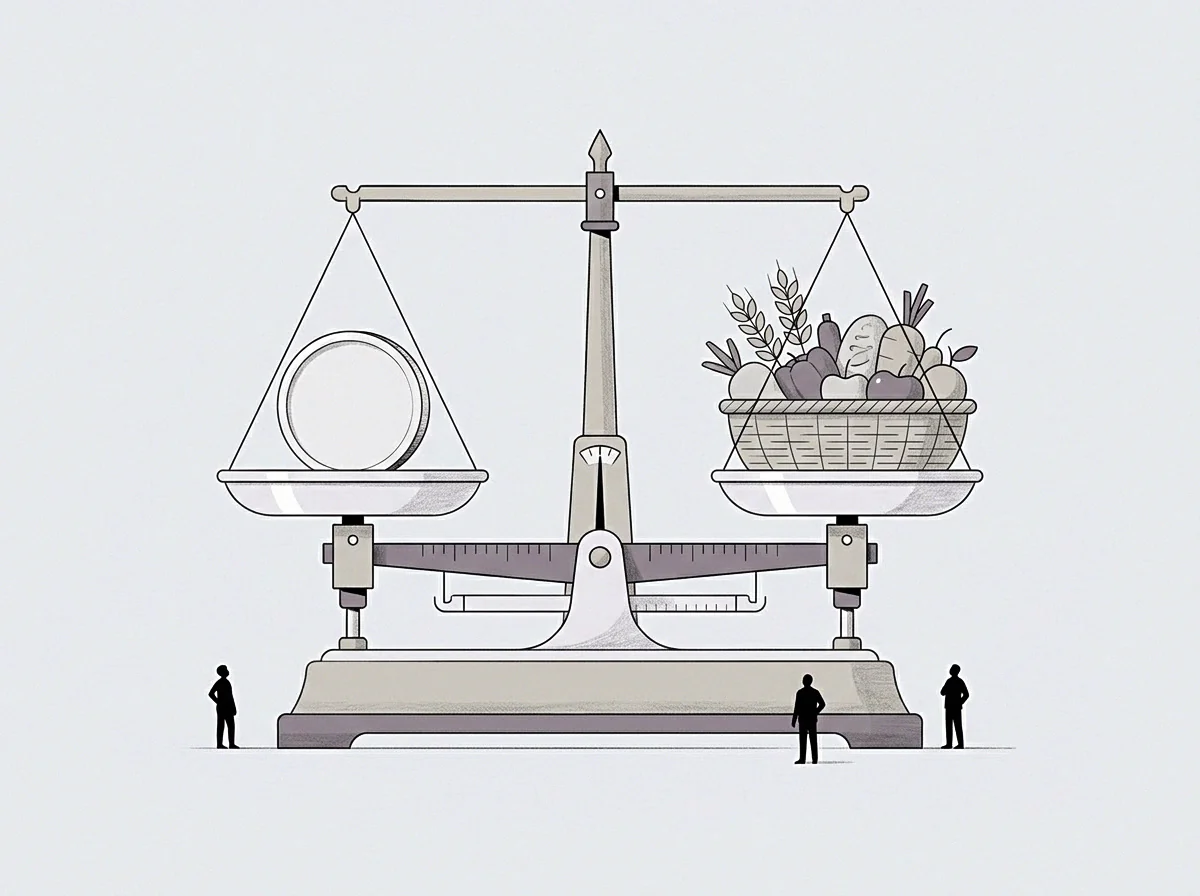
Measuring the precise operational state of a pair requires evaluating the shift from low-cost baseline sharing to high-cost mutual vigilance. In an intact dyad, proximity acts as a structural stabilizer that reduces individual stress response parameters during crisis points. Under persistent exhaustion, this dynamic reverses entirely.
The presence of the second person increases baseline arousal, requiring deliberate conscious effort to maintain basic interactional safety.
The shift from mutual down-regulation to reciprocal threat amplification alters every operational metric of the pair. Signal latency increases while processing quality degrades. Calm becomes an active cost.

Comparative Analysis of Dyadic Regulation Dynamics
The table below compares the functional properties of an intact dyadic baseline against a pair operating under chronic allostatic overload, detailing the exact operational parameters and physiological conditions of each state.
| Operational Criterion | Intact Dyadic Baseline | Depleted Dyadic Throttling |
|---|---|---|
| Signal Interpretation | Neutral inputs read as safe or benign | Neutral inputs read as potential demands or threats |
| Proximity Expenditure | Reduces individual metabolic expenditure | Increases baseline autonomic load |
| Arousal Recovery Latency | Rapid return to baseline following acute stress | Extended elevation of baseline autonomic tone |
| Capacity for Attunement | High bandwidth for non-verbal cues and nuances | Severely restricted processing bandwidth |
| Primary Defensive Mode | Co-operative problem solving and touch | Solitary withdrawal or immediate verbal counter-attack |
Understanding these distinct states prevents partners from attempting complex strategic negotiations during periods of profound autonomic depletion. Reserve drops below threshold. When dyadic throttling takes hold, continuing to operate without adjusting interactional protocols guarantees further systemic breakdown.
The transition from shared regulation to dysregulated threat amplification marks the absolute boundary of functional dyadic capacity.
When the stated limit of a exhausted operator is ignored in favor of immediate emotional processing, the relational structure sustains severe metabolic damage that requires months of absolute space to repair.
Valve
The human brain constructs an internal working model of the social environment based on repeated relational outcomes over time. When an individual acts as the primary stabilizing figure for an entire team or venture across years of chronic exposure, their internal template updates to register self-regulation as the only available path to safety. This survival adaptation effectively closes the physiological receptor slots meant for receiving external support.
Presence feels like demand. The physical presence of a supportive partner arrives at the sensory threshold, but the closed receptor slot prevents the input from converting into down-regulation. The system registers the incoming signal as an anomaly that must be managed, guarded against, or neutralized.
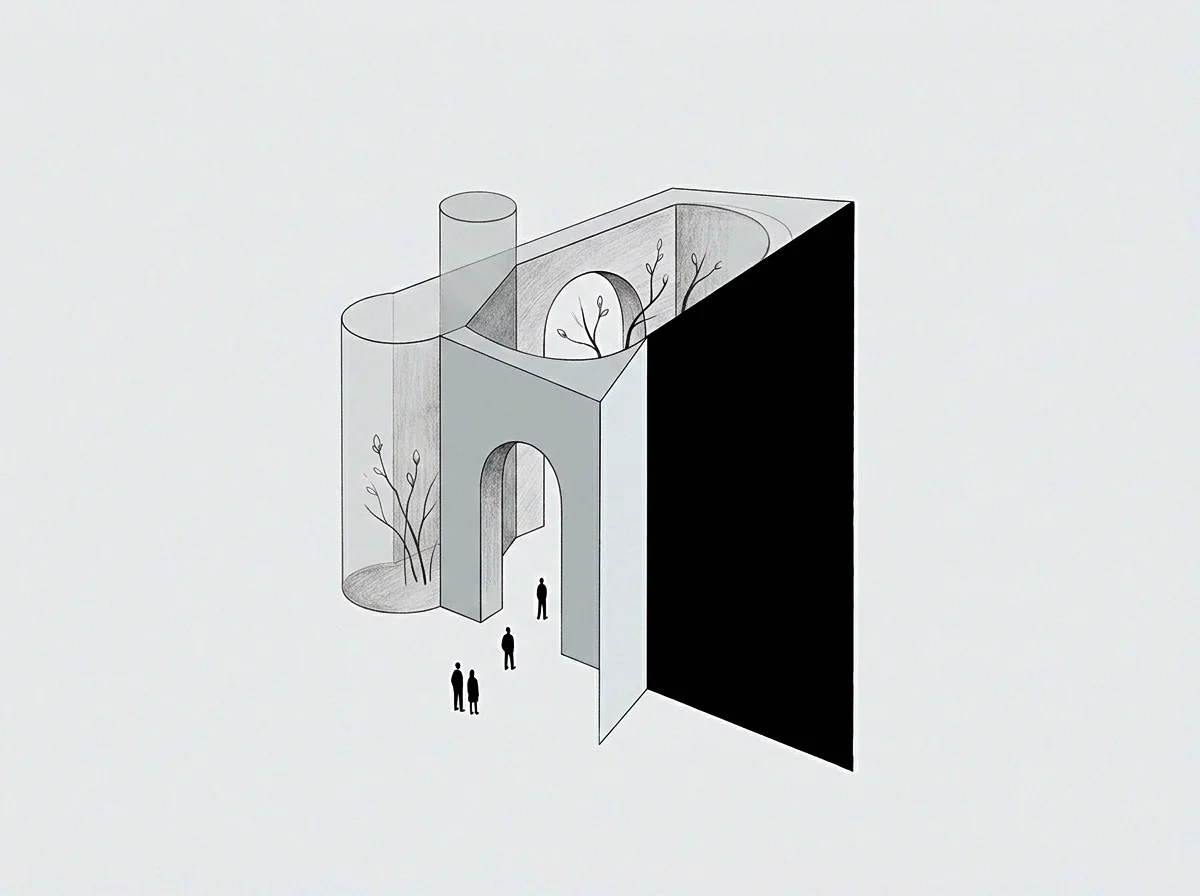
How Does Sustained Overload Close Receptor Slots?
Continuous high-load operations force the brain to optimize for immediate crisis management over long-term relational flexibility. The neural circuits responsible for down-regulating arousal through social connection require a baseline assessment of safety. When environmental threat remains continuously elevated, the brain suppresses these circuits to maintain continuous readiness.
The receptor slot for borrowed calm closes because relying on external stability appears non-viable to a nervous system locked in continuous threat response.
The individual continues to function as an effective regulator for others because their internal template assigns them the role of sole baseline supplier. They absorb the dysregulation of those around them while remaining completely unable to import calm from external sources. Signals switch direction.
They give regulation continuously while their own receptor infrastructure starves.
A regulator whose receptor slots have closed will experience every offer of external holding as a subtle structural threat to their operational control.
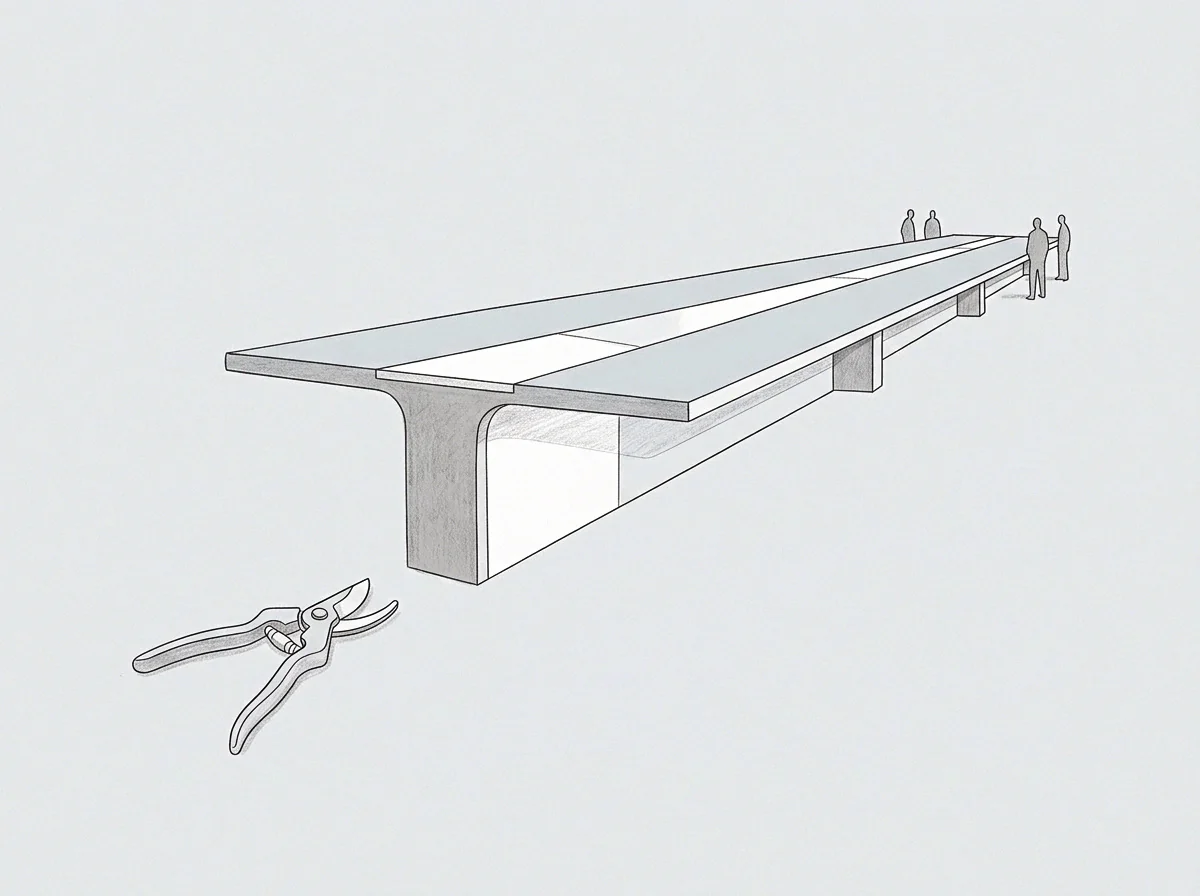
The Mismatch Between Signal Offer and Signal Receipt
A profound disconnect develops when an unburdened partner offers presence to a regulator whose receptor slots are closed. The offering partner intends to convey comfort and shared weight. The receiving regulator experiences the offer as an implicit demand to drop their guard before safety is verified, generating immediate irritation or cold withdrawal.
This dynamic confuses both participants. The offering partner interprets the reaction as personal rejection or emotional coldness. The receiving regulator feels misunderstood and exasperated by what feels like an unbuffered invasion of their remaining cognitive headroom.
Neither party recognizes that the failure is purely mechanical: an incoming signal of safety delivered to a system whose reception hardware has been completely powered down to preserve basic operational function.
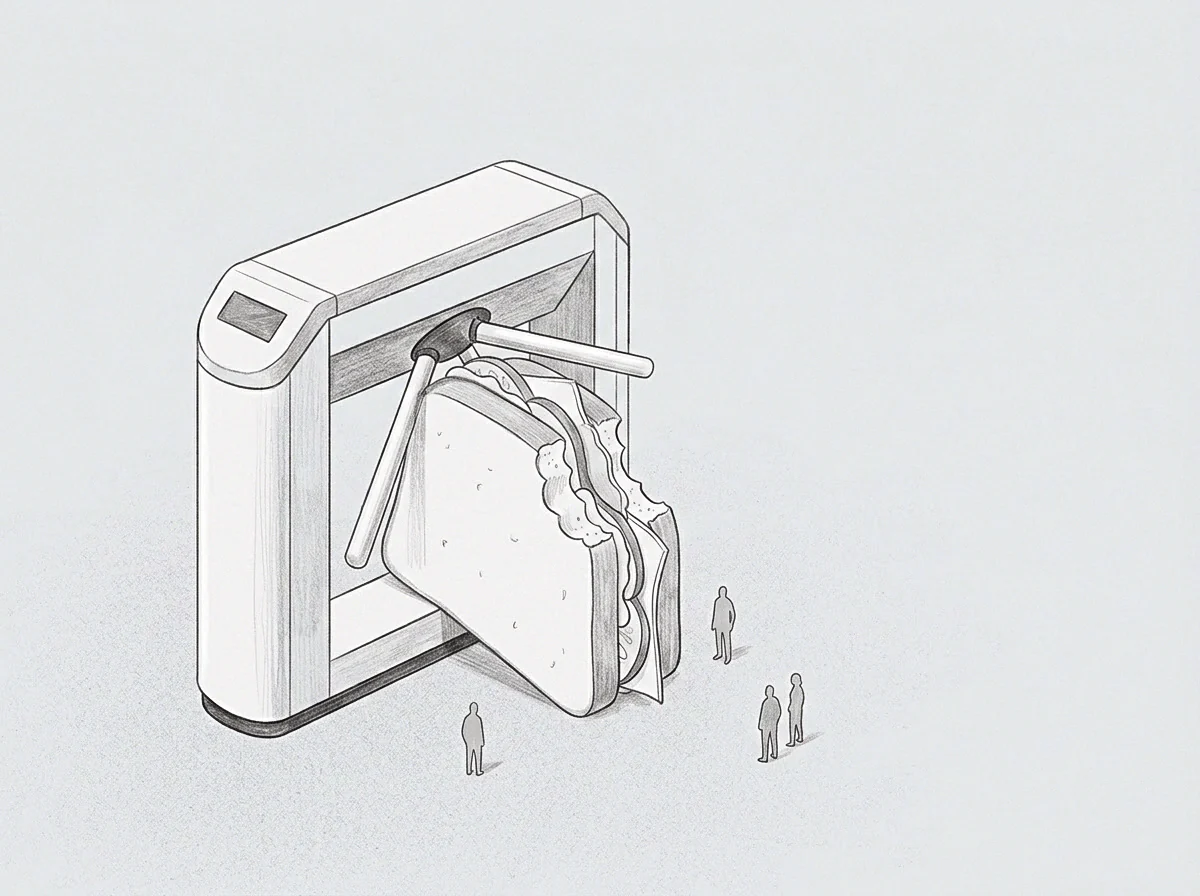
The unburdened partner observes that no matter how quietly they enter the room or how lightly they state their support, the sitting operator hardens their posture and turns further toward the screen.
Pillar
Repeated operational survival without external buffering reconstructs the fundamental architecture of the internal working model. A person who runs the relational cycle backward for extended periods internalizes a rigid self-concept: they exist strictly as the baseline for others, with no structural possibility of being held themselves. Regulating their own state and regulating the state of the enterprise become unified into a single continuous operational demand.
The template remains unchanged by simple insight. Knowing that one ought to allow a partner to provide support does not alter the autonomic reflex that rejects unbuffered proximity when exhausted. The slot closes completely.
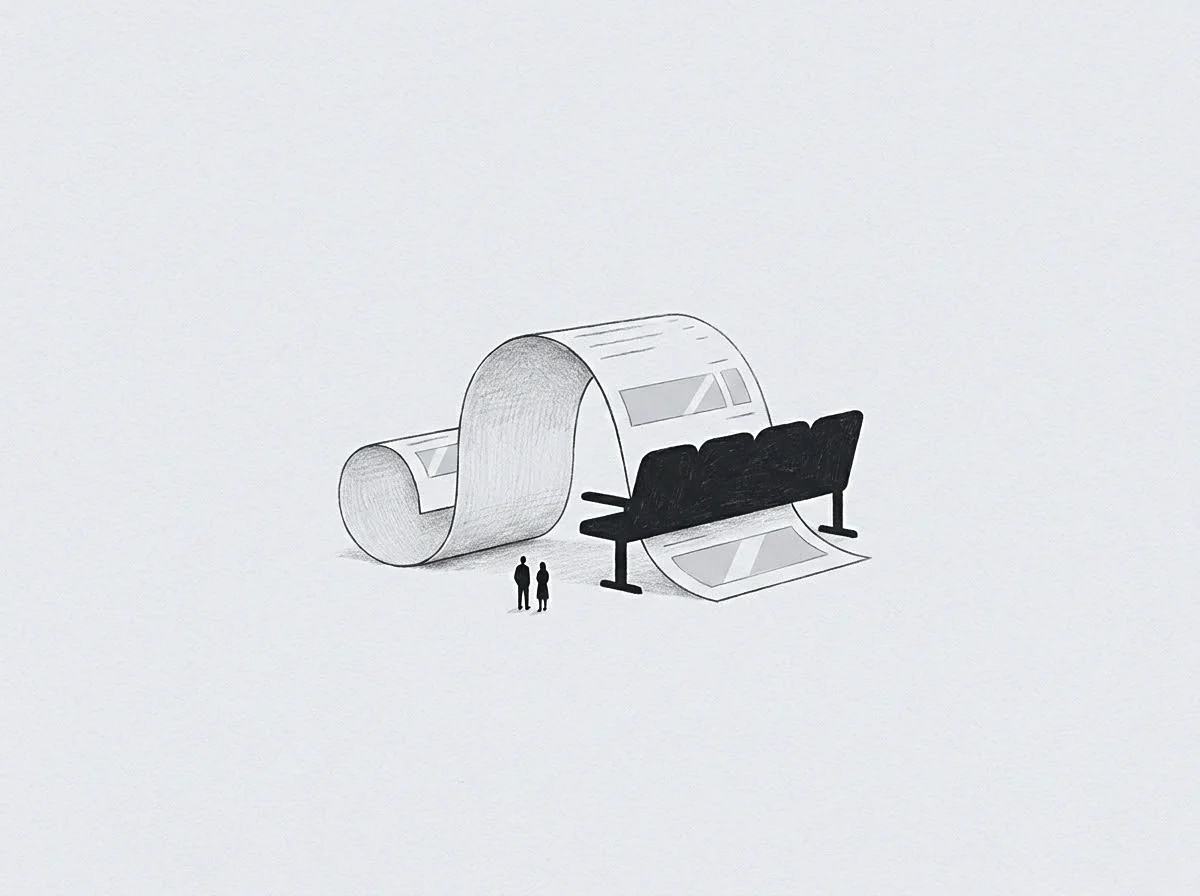
Template Inversion and the Internal Working Model
In standard developmental sequencing, an individual experiences external co-regulation from responsive figures, internalizes that safety, and gradually develops robust self-regulatory capacity. Chronic adult overload in high-stakes environments completely reverses this progression. The operator continuously down-regulates dysregulated investors, employees, and partners while operating under extreme personal uncertainty.
The brain adapts to this asymmetrical reality by erecting a rigid internal model. The operator views themselves as an unshakeable pillar capable of bearing infinite load, while simultaneously viewing all other human beings as source points of potential demand. This inverted template provides short-term operational resilience at a devastating long-term price: it permanently isolates the operator from the exact relational mechanism required to recover from allostatic strain.
Chronological Progression of Reciprocity Degradation
The erosion of relational reciprocity under sustained organizational stress follows a predictable timeline across extended operational cycles.
- Assigned role consolidation occurs as the operator habitually absorbs operational volatility, training the surrounding pair or team to rely entirely on their steady baseline for stability.
- Receptor slot atrophy follows when the operator stops expecting relational down-regulation from external sources, suppressing their own attachment bids to preserve focus.
- Proximity re-categorization takes hold as the physical presence of partners or co-builders shifts from a source of comfort to a source of cognitive load.
- Structural isolation finalizes when the operator completely closes all avenues for reciprocal regulation, existing entirely within a closed-loop self-regulatory architecture.
Safety demands predictable distance. Once structural isolation finalizes, standard relational interventions fail completely because the underlying template categorizes all closeness as a threat to systemic survival.
Systemic capacity collapses when the structural demand placed on a primary regulator permanently exceeds the metabolic input available from their relational environment.
How does a pair successfully dismantle an inverted working model when the operational environment continues to generate relentless real-world risk?
Lever
Rebuilding dyadic co-regulation capacity after multi-year overextension cannot be achieved through deep emotional processing, intense conversation, or forced intimacy. These traditional approaches demand high affective bandwidth from nervous systems that operate in extreme deficit, consistently triggering defensive throttling. The update path depends entirely on earned security cultivated through repeated, low-demand parallel proximity over extended timelines.
Capacity requires physical headroom. To restore functional receptor slots, the dyad must construct interactional environments where presence carries zero expectation of emotional performance, verbal processing, or mutual attunement.
Restoring Structural Headroom Through Stated Limits
The first structural intervention requires implementing absolute, unnegotiable boundaries around non-interactional space. The overloaded operator must experience complete physical proximity without the threat of incoming bids for attention or emotional labor.
Take two co-founders who have operated a venture under continuous market threat for four straight years. Both individuals demonstrate acute autonomic dysregulation, and their dyadic capacity has collapsed into constant sharp friction during strategy meetings. Rather than holding emotional post-mortems or attending offsite retreats, they introduce a strict operational rule: three hours per week spent working in the same quiet room at adjacent desks with zero verbal interaction permitted.
During the initial four weeks, the closed receptor slots trigger subtle hyper-vigilance. The exhausted operator remains tense, expecting an incoming request or emotional bid. As the hours pass without a single demand being made, the nervous system gradually registers the true safety of the environment.
Proximity no longer regulates immediately, but it ceases to dysregulate. The metabolic cost of sitting near the other person drops toward zero.
The Delta Over Time in Shared Regulation
Updating an inverted template requires tracking small, concrete physiological shifts across six to twelve months of structured, low-demand exposure. Recovery follows slow repetitions. The nervous system requires hundreds of unthreatening interactions to rewrite the internal baseline model.
By month six of parallel proximity without emotional demand, the secondary neural mechanisms responsible for social engagement begin to power back on. The operator notices that the physical presence of the partner no longer causes muscular bracing or immediate cognitive fatigue. The receptor slot re-opens, creating room for passive down-regulation to occur naturally.
Time alters the budget. The dyad gradually shifts from high-cost individual self-regulation back into low-cost shared baseline operation. The transition completes not when the parties understand their psychological dynamics perfectly, but when their bodies quietly accept that sitting in the same room reduces the physiological weight of the day.