
Establishing Bilateral Safety Signals To Reconstruct Structural Receptor Slots In Containment Systems
Reciprocal safety cues recalibrate threat budgets so an isolated regulator can rebuild neural receptivity for shared regulation.
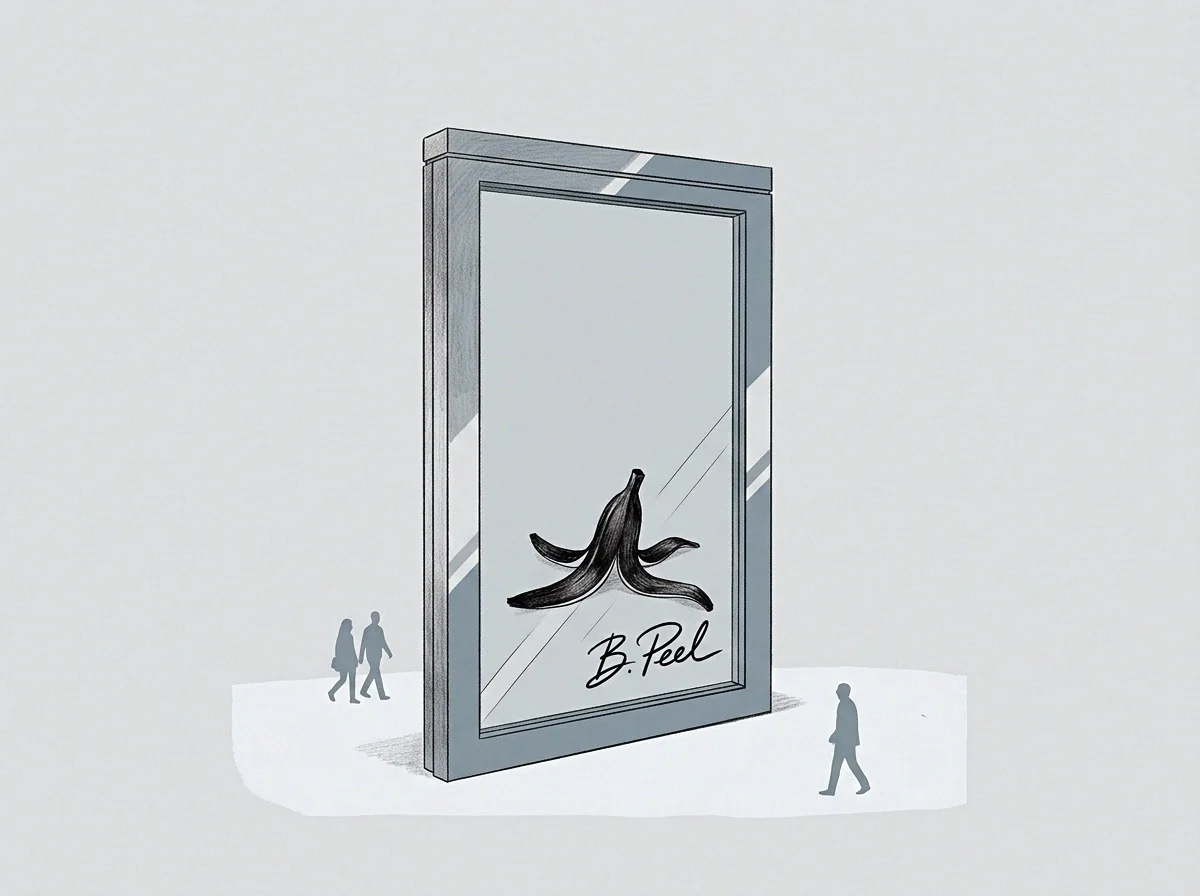
Shell
Four terminal displays remain lit at midnight while incoming alerts accumulate in unread queues. The person sitting at the center absorbs the operational panic of sixteen team leads without relaying any tremor back into the organization. Operational containment functions by isolating systemic volatility inside a single human body.
The baseline architecture assumes that quiet resolve protects the team from panic, so the executive maintains an untroubled facial expression while heart rate variability plunges toward sustained exhaustion. The baseline sits empty. Nobody names the tax.
Social baseline theory establishes that the human brain calculates the energy required for survival and work by measuring the proximity of reliable peers. When a partner stands close, threat perception decreases, metabolic expenditure drops, and neural circuits share the burden of vigilance. The brain budgets threat and regulation as if a dependable other is present.
Solitary regulation stands as the expensive metabolic mode, whereas relational proximity operates as the cheap one. An executive who locks themselves into an unbuffered container severs this biological economy entirely. One person pays the bill.
When threat detection operates without reciprocal feedback, the central nervous system allocates maximum metabolic reserves to perpetual containment.
The containment structure demands an asymmetrical flow of regulation. Team members bring their acute anxiety to the founder, borrow the founder’s physiological calm, and leave the room restored. Borrowed regulation registers subjectively as personal composure, which explains why recipients rarely acknowledge the transfer.
The executive provides the steady biological state against which the entire enterprise stabilizes itself. Because strength under stress signals carrying capacity, a regulator proven under pressure attracts heavier demands. Load transfers downward.
The organization increases its operational throughput precisely because the central container absorbs every shock wave without cracking.
This dynamic creates an acute biological debt. The isolated regulator experiences continuous allostatic load, where circulating cortisol and sympathetic tone wear down cardiovascular efficiency. The physiological cost stays concealed until physical symptoms emerge.
Sustained solitary containment forces the human organism into protracted autonomic guarding, where the body treats every inbound input as a demand for protection rather than an opportunity for mutual rest. Prolonged unilateral absorption depletes somatic reserves until executive focus collapses into autonomic exhaustion.
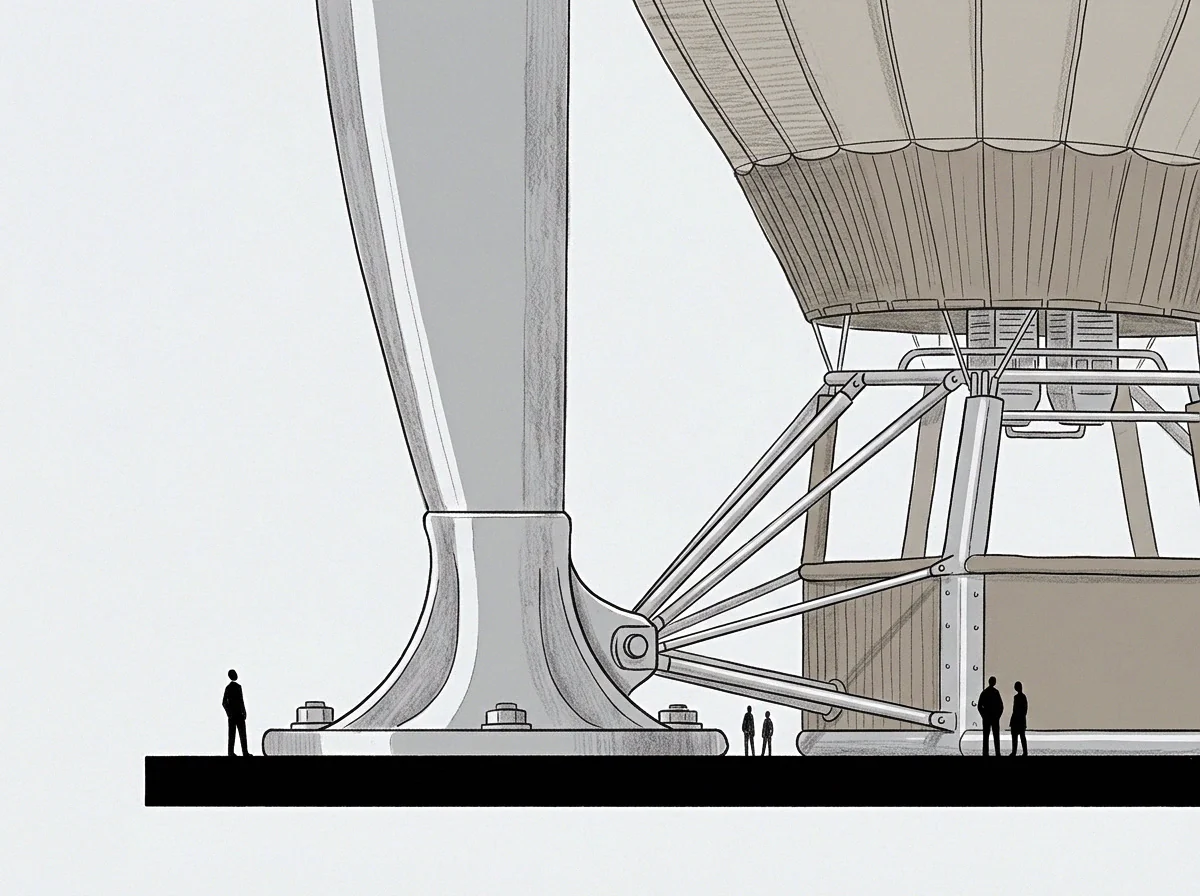
Wedge
Inbound offers of assistance regularly trigger defensive alarm inside an overloaded operator. When an associate suggests taking over an escalating problem, the central executive perceives the offer as an operational liability. The internal working model of the chronic regulator formed around a reversed cycle, where childhood or early career environments required them to manage the emotional climate of those around them.
They internalised a working model of themselves as the sole protective presence. The structural receptor slot for being held or supported closed during that formative adaptation. The operator stands alone.
Neuroception governs this automatic rejection. The subcortical nervous system scans the environment for safety and danger cues below conscious awareness. In a nervous system conditioned by chronic responsibility, an incoming gesture of care registers as an anomaly.
An unexpected inquiry regarding personal welfare disrupts established defensive gating. The executive experiences genuine care as an intrusion that threatens their carefully sustained operational rhythm. Isolation costs energy.
Rather than receiving rest, the executive expends additional energy managing the counterpart who tried to help.
- Interpersonal vigilance spikes sharply whenever an associate attempts to assume operational responsibility.
- Somatic constriction locks breathing patterns during peer inquiries about capacity, signaling autonomic defense rather than relief.
- Task hoarding accelerates under stress because delegating demands greater immediate regulation than completing the work alone.
Consider two executives building an enterprise during a protracted capital contraction. The first founder manages revenue, engineering debt, and investor updates twelve hours each day without requesting input. The second founder notices the physical deterioration of the first and attempts to open space for shared strategic planning.
The first founder interprets these scheduling requests as administrative overhead. The suggestion of shared burden feels like added weight because the first founder lacks the internal circuitry to let another human nervous system share the load. The receptor slot remains shut.
Every supportive gesture from the partner meets resistance.
The person who absorbs organizational panic without flinching attracts greater burdens from everyone in proximity.
The operational cost compounds over quarters. When the containment system cannot receive safety cues from the outside, it operates in permanent defensive overdrive. Associates learn that offering help brings friction, so they cease offering.
The founder concludes that nobody else possesses the stamina to carry the company. This belief confirms the backward template, reinforcing the isolation that initiated the cycle. Nothing offered from this side ever lands, because every attempt to share the strain gets treated like an operational disruption.
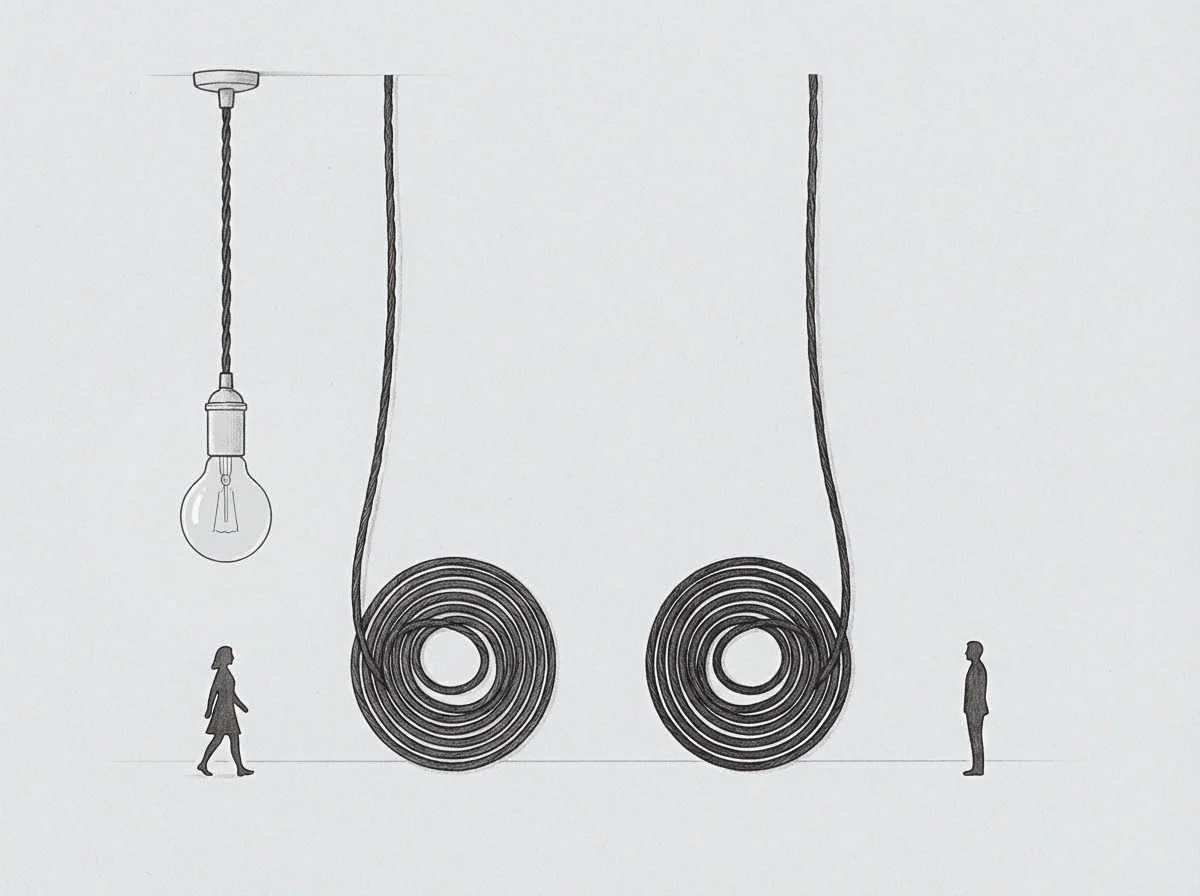
Hinge
Biochemical alignment occurs through micro-exchanges of autonomic stability rather than spoken reassurance. Reconstructing a receptor slot requires bilateral safety signals that bypass intellectual resistance and speak directly to neuroception. These signals operate as physical mechanics: unhurried vocal prosody, grounded bodily presence, and the absence of urgent demand.
A bilateral safety signal communicates that the counterparty possesses sufficient internal capacity to remain calm under the executive’s raw strain. The room stays quiet. Stability transfers through physical presence.

Which Conditions Permit Inbound Regulation Under Load?
Receiving stability demands visible proof that the counterpart possesses genuine reserve capacity. If an operator senses that their distress will destabilize the other person, the defensive shell hardens instantly. The counterpart must anchor their own physiology before initiating contact.
Bilateral exchange requires two active nodes transmitting regulated biological rhythms across the table. When both participants maintain physiological coherence, the brain downgrades its solitary threat assessment. Metabolic costs compound daily.
Shared presence distributes the expenditure.
- Reciprocal pacing slows speech tempo during operational crises, signaling biological safety across the table.
- Postural relaxation drops shoulder tension visibly to prove baseline stability under heavy strain.
- Unilateral pause insertion creates brief conversational gaps that allow autonomic recalibration before critical decisions.
Attaching to a stable person’s state replaces the intellectual exercise of trust with direct physiological relief. When two leaders sit together in an unhurried cadence, their vagal tone synchronizes over time. This biological synchronization lowers baseline energy consumption.
In clinical attachment research, this pathway leads to earned security, which represents an updated relational model built through repeated physical experiences of safety rather than conceptual insight. The nervous system adapts slowly. Insight alone alters nothing.
A counterpart who matches crisis with unhurried stillness absorbs more operational load than spoken reassurance ever reaches.
Physical workspace design either reinforces solitary containment or enables bilateral regulation. An executive office isolated behind closed doors signals that containment is an individual task. Shared working tables, unannounced pacing rituals, and joint physical movement introduce low-stakes proximity that allows the backward template to soften.
The executive begins to tolerate brief moments of resting against another person’s presence. A stated limit on operational availability converts an ambiguous personal withdrawal into a predictable institutional boundary.
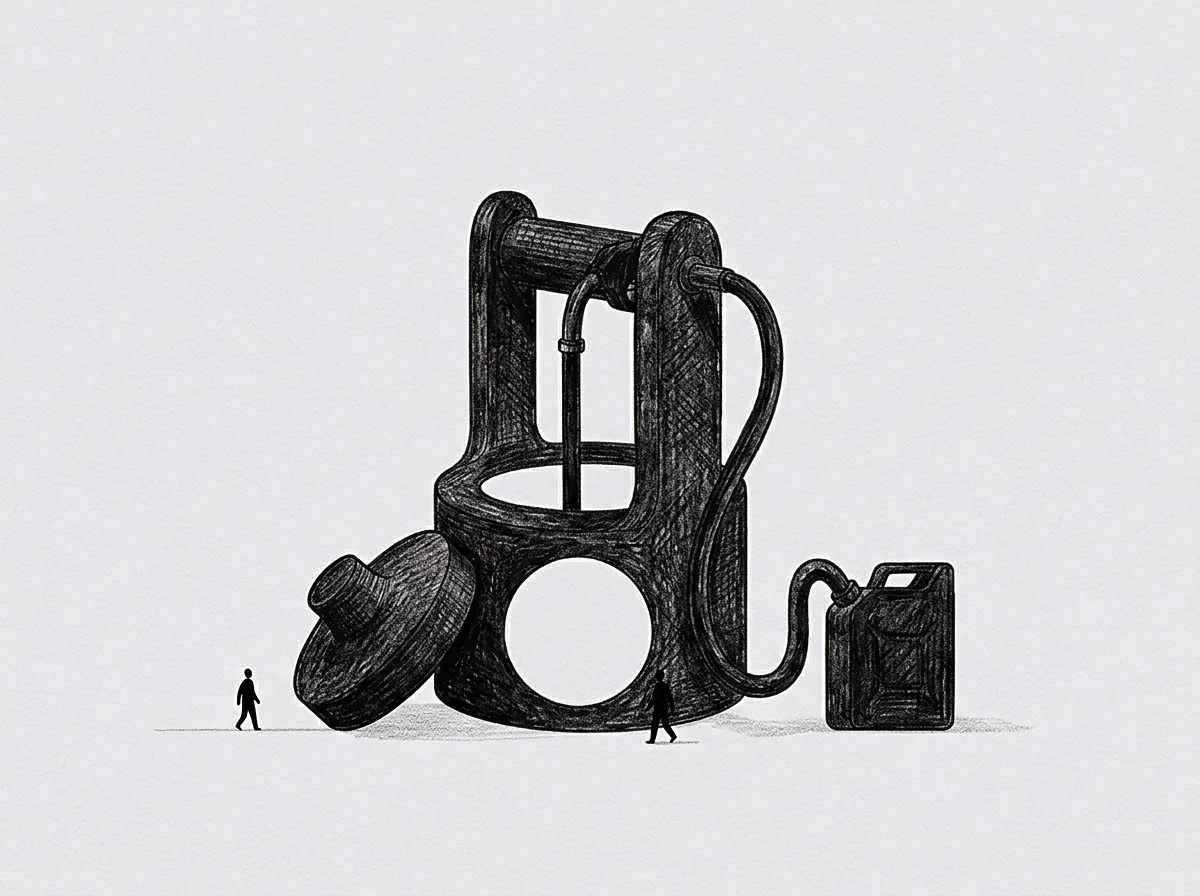
Span
Systems divide sharply between structures that pool physiological burdens and structures that isolate them. The difference between unilateral containment and bilateral regulation dictates executive longevity and organizational resilience. Measuring these structural profiles reveals why high-performing operators collapse without warning under sustained stress.
Silence settles across the desk. The numbers show the operational divergence.
| Evaluation Dimension | Unilateral Containment System | Bilateral Regulatory Structure |
|---|---|---|
| Primary Metabolic Payer | Isolated executive nervous system | Distributed peer leadership core |
| Relational Signal Direction | Unidirectional outward dampening | Reciprocal bidirectional feedback |
| Receptor Slot Condition | Atrophied and defended against input | Functioning and receiving co-regulation |
| Response to Peer Steadiness | Interpreted as operational overhead | Utilized as baseline energetic support |
| Long-Term Structural Failure | Abrupt catastrophic executive collapse | Graceful degradation under excessive load |
In a unilateral containment arrangement, the operator assumes all emotional and structural buffering. The executive filters volatility before it touches the team, while denying themselves any external intake. This creates acute institutional fragility.
If the central container experiences personal grief, illness, or cognitive depletion, the organizational dampening mechanism vanishes in an afternoon. The organization experiences whiplash because no intermediate containment buffers exist. Real presence lowers threat.
A stated limit on operational availability preserves attentional headroom by preventing continuous baseline erosion.
Bilateral structures distribute buffering duties across multiple peers. Two or three leaders establish regular intervals to review raw operational risks without decorative optimism. In these rooms, safety signals flow continuously.
One partner shares the somatic load of a cash shortfall while the other maintains steady autonomic focus. The receptor slot reconstructs itself through the repeated experience of offloading weight without suffering rejection or abandonment. Repetition drives somatic change.
When an offer of rest produces an immediate surge of vigilance, the receptor slot remains sealed.
Harbor
Repeated physical exposure to a steady counterpart reconstructs the internal capacity to receive support. The reconstruction process requires months of continuous micro-exchanges rather than sudden breakthroughs. An operator must sit through hundreds of instances where an offer of assistance is extended, accepted in miniature, and resolved safely without institutional collapse.
The baseline economy recalibrates only when experience proves that leaning on another person does not cause destruction. Security takes physical time.
The delta over time separates authentic choice from structural compulsion. In the initial phases of reconstruction, an executive permits proximity out of sheer exhaustion. As earned security solidifies, proximity becomes an intentional strategic distribution of baseline energy.
The executive moves from operating as a solitary containment vessel to participating in a shared regulatory ecosystem. The capacity to be held ceases to be an anomaly and becomes a standard physiological option. The receptor slot reopens to admit inbound calm.
This biological update directly transforms executive leadership capacity. Leaders who can receive regulation project authentic baseline stability rather than rigid somatic containment. Their teams sense genuine capacity rather than brittle stoicism.
When crisis strikes, the entire organization regulates against a sustainable human baseline rather than a burning fuse. Whether an individual conditioned by years of solitary containment can ever fully unlearn the metabolic impulse to stand guard remains an open empirical question.