
Executive Capacity Under Founder Availability Limits
Executive capacity degrades when founder availability drops because downstream operators lose the external biological baseline required to offset decision threat.

Frame

Metabolic Baseline of Neural Co-Regulation
Four unanswered messages from senior leads sit in a chat channel while the founder locks the calendar for deep work. Downstream, autonomic nervous systems adjust instantly to the drop in signal. Cognitive load research demonstrates that working memory holds roughly four operational items under quiet conditions, yet this holding capacity drops by half when perceived uncertainty rises.
Human brains treat the physical or communicative presence of a primary decision maker as a external regulatory asset. When that asset becomes scarce, the brain reallocates metabolic resources from executive functions to vigilance.
The neural economy operates under strict budgetary laws established by social baseline theory. Mammalian brains budget baseline metabolic expenditure on the assumption that reliable conspecifics are physically proximal and predictively responsive. In proximity to a trusted baseline, the individual brain offloads threat monitoring, distress regulation, and risk assessment to the social environment.
Self-regulation alone is the expensive operating mode. Co-regulation is the efficient mode. When a founder limits availability, downstream operators lose the cheap regulatory offset that founder presence previously supplied.
Co-regulation lowers the metabolic expense of uncertainty by distributing threat monitoring across proximal neural systems.
Operational drag under availability limits is rarely a failure of competence or process documentation. The drag reflects a biological shift in energy allocation. When a founder steps back without altering the threat environment, downstream team members must expend additional baseline glucose and autonomic capacity simply to stabilize their own decision making states.
What registers on balance sheets as reduced responsiveness or hesitancy is the measurable tax of self-regulation under isolation.

Autonomic Cost of Threat Monitoring
Every decision carries an implicit risk calculation regarding organizational survival, capital loss, or professional status. Under continuous founder availability, team members continuously borrow the founder’s neural stability to baseline their own risk evaluations. A brief affirmative reply or a calm nod during an update functions as biological reassurance, resetting the operator’s sympathetic arousal back to baseline.
Load accumulates quickly. The cost stays high. When availability vanishes, the operator’s allostatic load increases as the sympathetic nervous system stays mildly elevated to handle unresolved operational ambiguity.
The brain interprets unmonitored risk as potential threat, shifting neural activity away from the prefrontal cortex toward subcortical structures. Strategic thinking, cognitive flexibility, and creative problem solving give way to defensive posturing, hyper-documentation, and decision avoidance.
- Vigilance Escalation The operating layer shifts attention from long-range execution to continuous monitoring of founder mood and schedule openings.
- Risk Contraction Operators shrink the scope of autonomous decisions to avoid actions that might draw corrective intervention from an unavailable leader.
- Signal Polling Team members flood asynchronous communication channels with low-priority updates to secure passive validation before acting.
When an executive layer treats founder presence as free regulatory energy, the sudden removal of that presence forces downstream operators into acute metabolic deficit, collapsing decision throughput across the entire operating layer.

Drain

Mechanisms of Borrowed Calm
Unread notifications stack up while an executive team attempts to settle an enterprise agreement without the founder in the room. The room feels heavier because every negotiator in it is running their neural apparatus on localized reserves. Under standard conditions, a founder who remains available acts as an external biological shock absorber.
Operators project their open loops onto the founder’s perceived stability, mistaking borrowed regulatory capacity for their own intrinsic risk tolerance.
This dynamic rests on an internal working model constructed during early exposure to the founder’s operating rhythm. Team members internalize a mental representation of the founder as a responsive baseline. When complex operational friction occurs, the internal working model predicts that the founder will intervene before catastrophic failure happens.
This prediction permits the operator to execute risky maneuvers without experiencing acute physiological distress.
Capacity drops fast. The signal stops.
When the founder restricts availability, the internal working model encounters an structural mismatch. The operator continues to generate open loops, but the expected regulatory feedback loop remains open. The brain interprets this absence of feedback as signal loss, triggering an elevated stress response that consumes working memory capacity.

Continuous Polling and Asynchronous Friction
Operators adapt to missing regulatory signals by inventing high-frequency, low-friction polling behaviors. A ping sent across a text channel is rarely an explicit request for technical data. The ping functions primarily as an autonomic signal probe, testing whether the responsive baseline is still accessible in the event of failure.
The volume of asynchronous messages rises exponentially when physical and temporal proximity drops below the baseline threshold required for autonomic coregulation.
When a founder delays replies to restrict access, the operator’s physiological state remains suspended in open-loop polling. The metabolic cost of maintaining this suspended state degrades executive function far more than the actual work task itself. Strategic clarity requires continuous prefrontal activation, which cannot be sustained when subcortical threat circuits are systematically querying an absent baseline.
The debt grows. Silence costs energy.
The operator calculates that every hour of founder silence increases the personal tail risk of an incorrect decision. The rational executive move under this calculation is to freeze execution until the regulatory signal returns. Downstream paralysis is not apathy; it is a precise biological hedge against unaccounted exposure.
The decisions keep arriving at full volume, but the person who used to absorb the risk has locked their office door.

Gate

Structural Transition to Throttled Access
Limiting executive access requires moving an organization from continuous organic co-regulation to explicit, rules-based operational boundaries. When a founder transitions from open-door availability to gated interaction, the immediate outcome is structural shock. The operating layer can no longer rely on informal proximity to regulate its anxiety, forcing a rapid reorganization of authority and communication protocols.
Consider a typical software enterprise with eighty employees where the founder previously attended every architecture review and product launch sync. Assume the founder unilaterally cancels all recurring operational meetings to focus exclusively on capital allocation, announcing a strict policy of responding to written updates only twice per week. Within fourteen days, product deployment velocity drops by forty percent while internal documentation volume spikes by three hundred percent.
The operating layer, denied real-time neural baseline access, replaces oral alignment with defensive paper trails.

Does Throttling Availability Force Downstream Self-Regulation?
Throttling availability forces downstream self-regulation only when structural authority and explicit risk budgets are transferred alongside the reduction in access. If a founder restricts availability while retaining ultimate sign-off power over standard operating decisions, the system enters structural deadlock. Operators cannot regulate their own state because they lack the agency to resolve the risks they are assigned to carry.
True self-regulation requires a corresponding shift in the psychological contract. Downstream executives must be granted explicit permission to fail within defined parameters without triggering reactive founder interventions. Without this structural shift, throttling availability merely transfers allostatic load to mid-level managers who lack the structural authority to absorb it.
| Availability Model | Regulatory Source | Primary Failure Mode | Metabolic Cost location |
|---|---|---|---|
| Continuous Proximity | External Founder Baseline | Founder Overload and Dependency | Sustained Executive Exhaustion |
| Gated Without Authority Transfer | Suspended / Ambiguous | Organizational Deadlock and Defensive Stasis | Elevated Mid-Level Allostatic Load |
| Gated With Clear Risk Budgets | Internalized Structural Rules | Local Sub-Optimization | Distributed Tactical Friction |
| Complete Availability Cutoff | Isolated Operator Reserves | Key Talent Attrition and Anxiety Burnout | Systemic Operational Failure |
The system stalls. The term holds.
A explicitly stated response window of four hours changes the downstream baseline from continuous biological polling to scheduled batch processing, transferring the metabolic burden of uncertainty back onto the operating system.

Pattern
Receptor Absence in Backward Templates
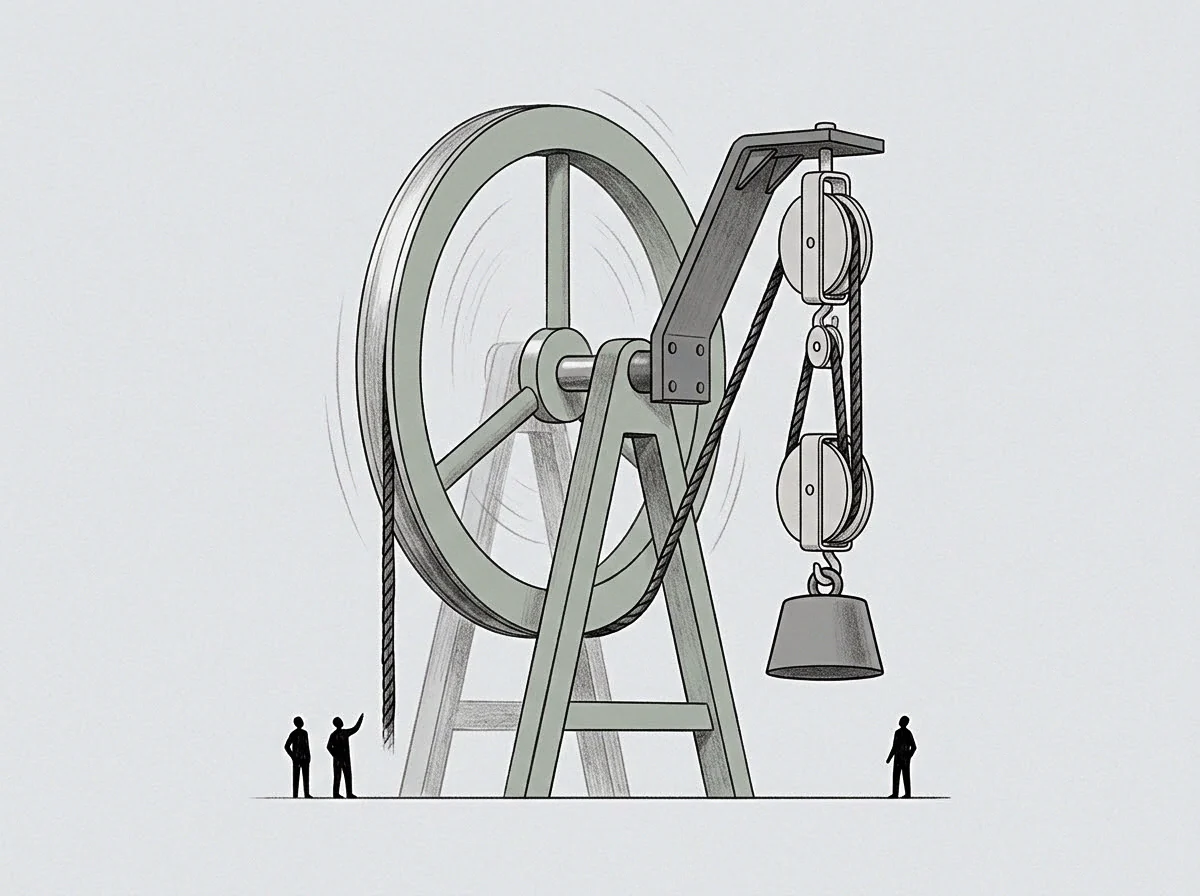
Founders who construct companies out of hyper-independent self-sufficiency often operate on a specialized relational architecture. In attachment literature, individuals who learned early in development that primary caregivers were unreliable or overwhelming develop an internal model where self-reliance is the sole path to safety. They reverse the normal cycle of dependency: instead of seeking regulation from others, they regulate themselves and demand that others use them as a stabilizing baseline.
This structural setup creates an organization with a severe structural vulnerability. The founder functions as the universal baseline for the entire company, but possesses no internal receptor slot to accept regulatory input from anyone else. They can hold the anxiety of fifty executives, but cannot allow those executives to hold theirs.
When their personal capacity reaches its limit, they have no mechanism for down-regulating distress through social support, leaving silent withdrawal or abrupt unavailability as their only defense against biological collapse.
A founder who regulates others without an internal receptor slot for being held can scale authority only until personal capacity meets its absolute physiological limit.
The seat remains open. The baseline shifts.
When this founder attempts to restrict availability, they experience intense internal anxiety. This anxiety does not stem from concern over operational drop-off, but from the sudden disruption of their primary identity pattern: being the indispensable regulator of the environment. Restricting availability feels structurally unsafe to a mind that equates total control with physical survival.
Whether an operator who spent years regulating against a founder’s physical state can ever construct an internal working model without first experiencing an explicit, unearned commitment remains an open empirical question.
Margin

Updating the Regulator Template Through Delta Over Time
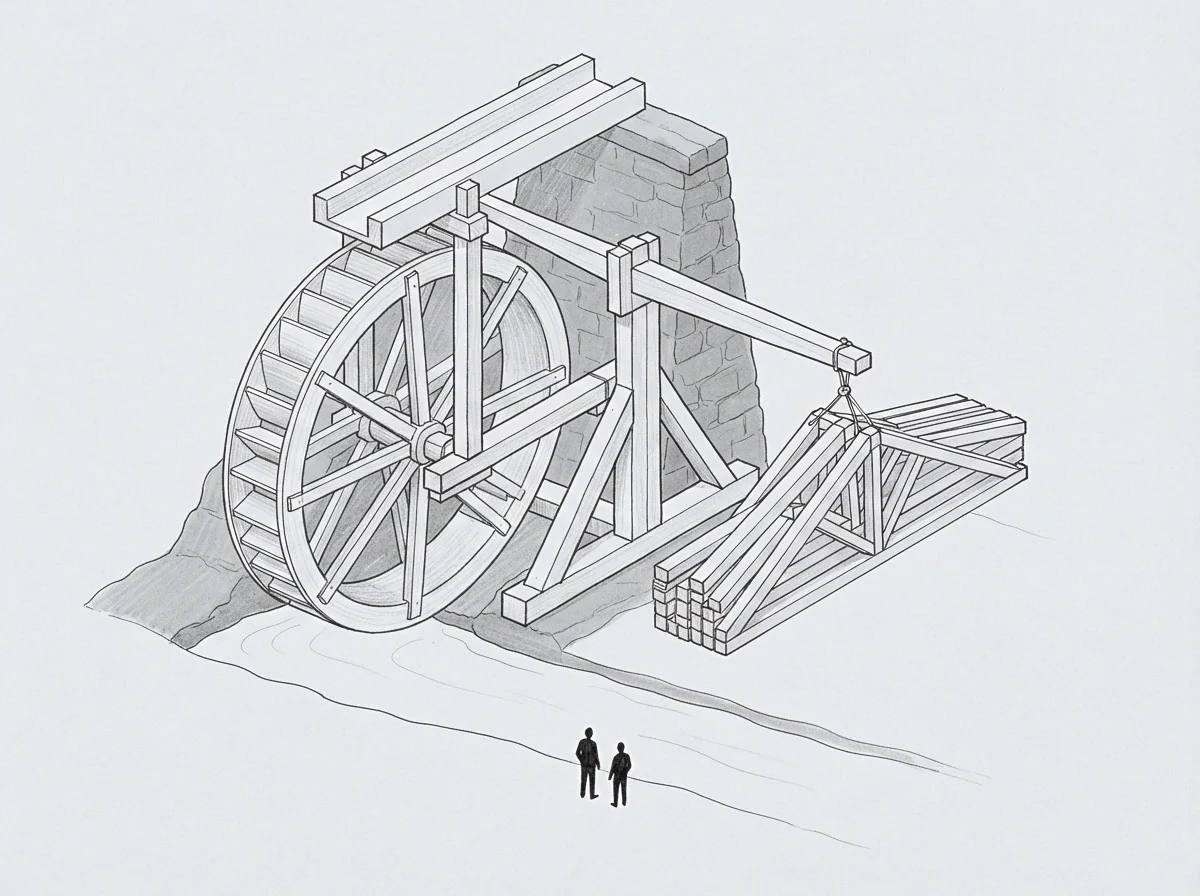
Updating an ingrained relational template cannot be accomplished through cognitive insight or executive coaching alone. Intellectual understanding of social baseline dynamics does not alter autonomic reactions under high-stress conditions. The nervous system updates its predictive models exclusively through repeated, concrete sensory experience over extended time horizons, a process known as developing earned security.
For an executive team to remain functional during founder availability cutbacks, the team must systematically build alternative co-regulation channels. Operators must learn to use peer relationships as valid regulatory baselines rather than relying solely on vertical confirmation from the founder. This horizontal distribution of regulatory load stabilizes the executive layer, turning isolated operators into a resilient, mutually supporting network.
The budget collapses. The cycle turns.
The founder must simultaneously practice non-intervention during periods of observable downstream friction. When an operator makes a suboptimal choice within their assigned risk budget, the founder’s default neurobiological impulse is to step in, re-establish proximity, and enforce direct control. Doing so immediately resets the organizational template, confirming to downstream leaders that their self-regulation is an illusion and that founder proximity remains the sole real currency of authority.
By remaining disengaged through the full resolution cycle of a downstream mistake, the founder allows the operating team to experience its own capacity to survive failure. The operator’s brain registers that catastrophic outcome did not materialize despite the founder’s physical absence. This gap between anticipated disaster and actual survival is the precise neurological delta required to update the internal working model across the organization.
Over twelve to eighteen months of consistent boundary maintenance, the operational baseline shifts permanently. Downstream executives build genuine self-regulatory capacity anchored in proven peer systems and explicit organizational rules. The founder’s availability limits cease to register as threat signals, transforming into standard structural parameters within which high-throughput decision making occurs naturally.
Capacity expands only when the person bearing the ultimate load lets another person hold a decision without checking the work before the outcome arrives.