
Social Baseline Mechanics in High Pressure Co-Founder Partnerships
Proximity to a steady partner lowers the metabolic cost of baseline threat regulation by offloading prefrontal expenditure onto a shared physiological baseline.
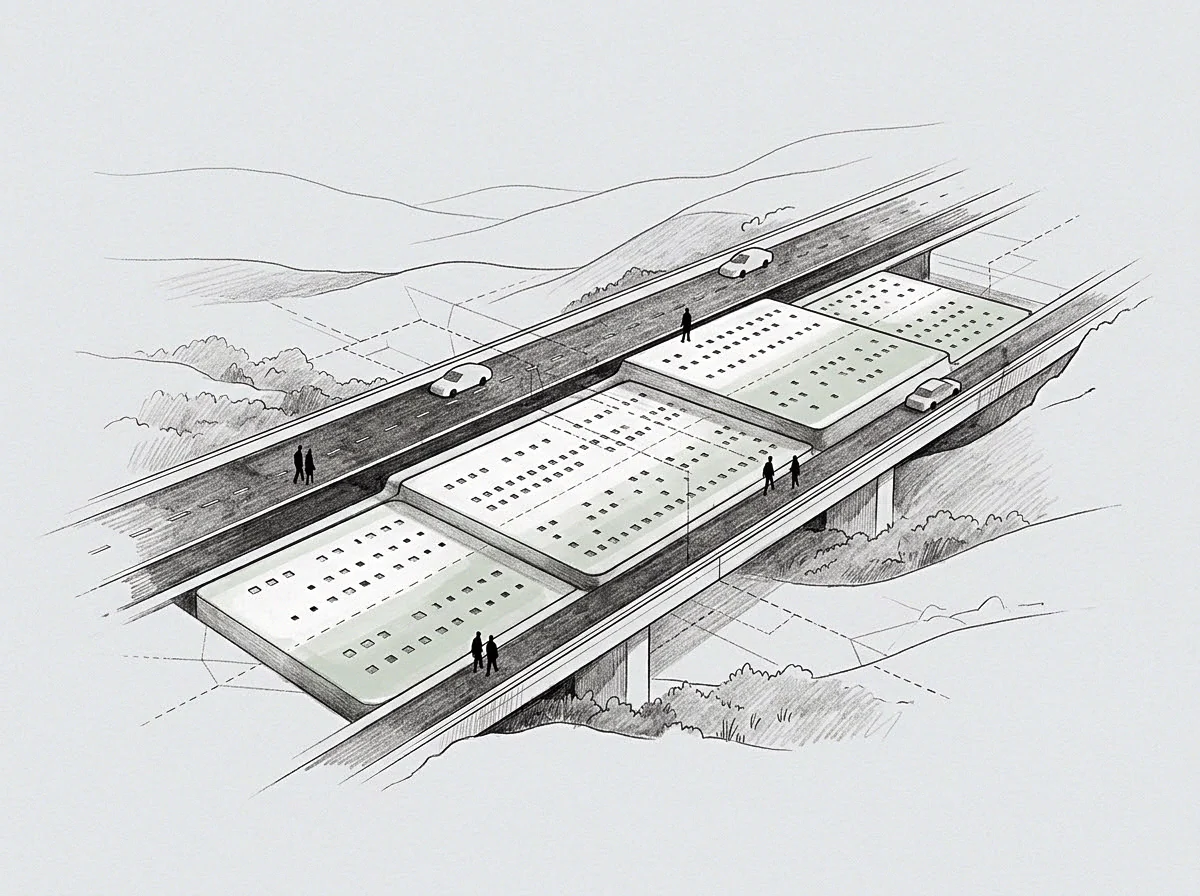
Presence
Four concurrent service disruptions hit at midnight while liquid operational reserves hold three weeks of runway. The technical operator registers an immediate spike in autonomic arousal, heart rate accelerating as prefrontal processing narrows around immediate failure states. Across the shared work desk, the commercial partner sits in physical stillness, breathing at a measured rate of six cycles per minute.
The technical operator absorbs that physical stillness, slowing their respiration within four minutes as neural expenditure drops.
Social baseline theory establishes that the human nervous system expects social proximity as its default baseline environment. Operating in isolation forces the brain to treat environmental threat as a solitary burden, allocating substantial metabolic resources to prefrontal monitoring and vigilance. Physical proximity to a reliable partner alters this calculation, conserving glucose and dampening dorsal anterior cingulate cortex activation.

Metabolic Economics of Shared Physical Space
Executive performance relies on the brain’s internal energy budget. When two equity partners manage severe operational risk together, the partner maintaining physiological stability functions as an ambient environmental regulator for the partnership. The nervous system of the dysregulated partner offloads threat calculation onto the steady partner without verbal negotiation or conscious intention, recalibrating against that stable biological state.
Solitary neural regulation elevates glucose consumption across the prefrontal cortex whenever threat signals exceed baseline operational limits.
This offloading carries a real physical expenditure. The steady partner absorbs environmental threat data while maintaining somatic regulation for two distinct biological systems. Over extended funding crunches or product outages, physiological load accumulates in the steady partner’s nervous system as cortisol levels spike.
The partnership may appear balanced on the surface, but one individual quietly pays the metabolic price for joint composure. When this asymmetric mechanism operates continuously without structural restoration, the steady partner faces sudden biological burnout while the offloading partner misinterprets the drop in regulatory availability as personal betrayal.

Gauge
Operational stability depends on how two leaders measure shared anxiety under acute pressure. In high-pressure commercial environments, partners rarely experience stress at identical thresholds. Unilateral baseline absorption occurs when one executive consistently absorbs the systemic anxiety of the enterprise while the other relies on that stability to remain operational, turning the absorbing executive into a sink for organizational panic.

Measuring Asymmetric Load Offloading
Signal processing within a high-stakes team frequently misinterprets structural composure as unyielding operational capacity. When one leader remains calm during severe cash contractions, the second leader reads that calm as excess headroom, transferring additional risk, administrative burden, and relational friction onto the calm partner.
| Regulatory Mode | Prefrontal Energy Cost | Perceived Threat Horizon | Systemic Failure State |
|---|---|---|---|
| Solitary Self-Regulation | Maximum metabolic consumption | Contracted to immediate crisis | Executive panic and operational paralysis |
| Shared Baseline Regulation | Balanced neural expenditure | Extended to strategic mitigation | Symmetric exhaustion with mutual recovery |
| Unilateral Borrowed Regulation | Asymmetric heavy drain on regulator | Divergent across partners | Sudden collapse of the stabilizing partner |
The table illustrates how different regulatory modes redistribute neural strain across an executive team. In unilateral borrowed regulation, the primary regulator maintains a wide perceived threat horizon for the entire organization, absorbing volatile external conditions while keeping operational execution functional. Unstated expectations accumulate load.
The absorbing partner rarely signals distress because their internal template equates distress signals with systemic collapse.
A partner who maintains visible composure under stress invites immediate transfer of unmanaged systemic risk.
Longitudinal strain manifests when the offloading partner treats the primary regulator as an infrastructure asset rather than a biological peer. The enterprise continues to hit milestones, but the biological baseline supporting those milestones erodes. The stabilizing partner eventually experiences physical somatic collapse or disengages completely from the venture.
The operational demands required absolute stability, so the quiet absorption of crisis felt like shared momentum.

Relief
Exhaustion in primary regulators stems from an early internal working model that links personal safety exclusively to maintaining the emotional stability of surrounding adults. A person operating on this template internalizes a model of self as the sole responsive entity in high-stakes environments and lacks an active biological receptor slot for receiving support from others. When a partner offers presence or assistance, the primary regulator registers the gesture as an operational anomaly or an incoming task.
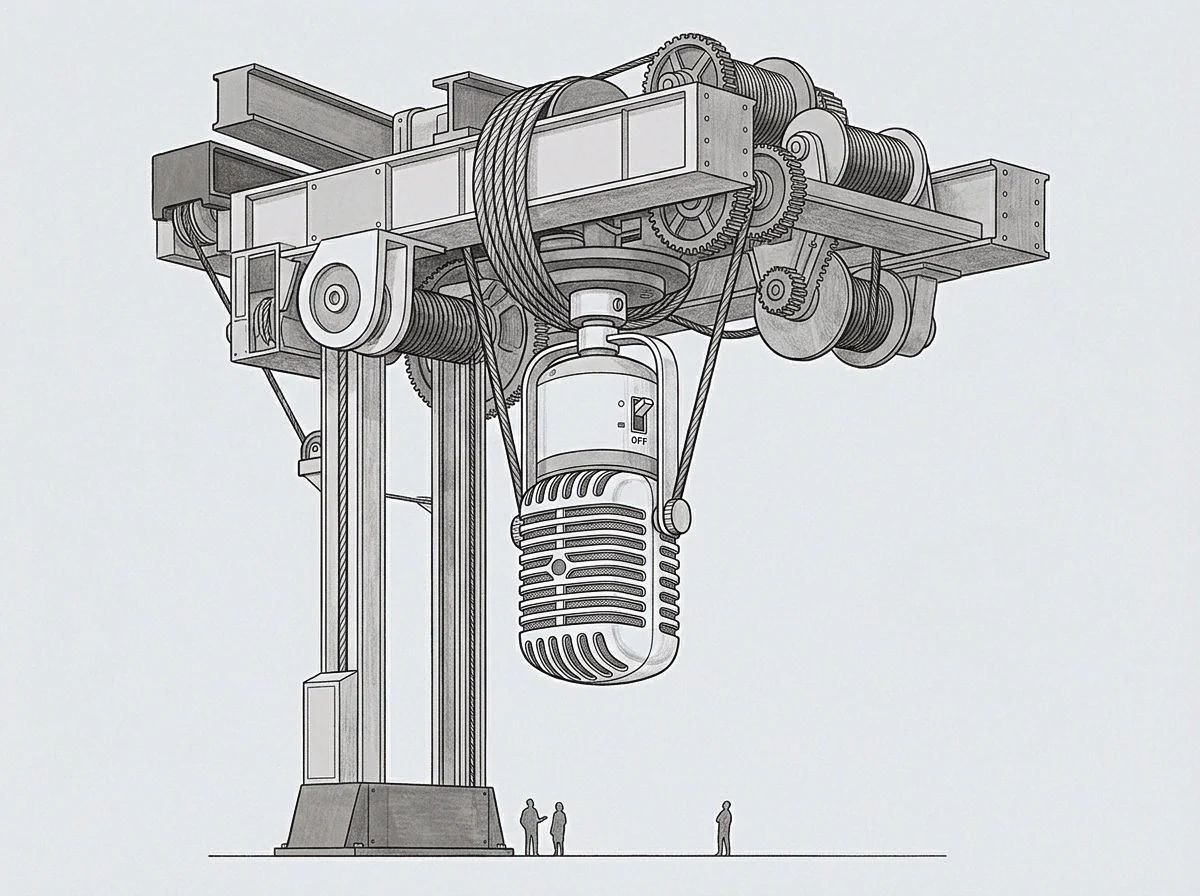
Does Capacity Mandate Unilateral Absorption?
The absence of a functional receptor slot prevents the primary regulator from offloading metabolic strain even when a capable partner stands ready to share the weight. This biological pattern leads to three distinct operational failure states within executive partnerships:
- Receptor Deficit prevents the primary regulator from registering offers of support, interpreting co-regulation as an additional operational management task.
- Inverse Calibration causes the stabilizing executive to increase regulatory output whenever a partner shows elevated stress, compounding metabolic expenditure during corporate emergencies.
- Structural Silence conceals personal somatic limits until the regulator reaches complete physiological depletion, leaving the co-founder unaware of the impending breakdown.
The primary regulator continues to stabilize the team while feeling isolated within the organization, evaluating their co-founder as incapable of bearing systemic weight. They fail to recognize that their own internal template actively blocks the co-founder from sharing the regulatory workload. This dynamic creates a self-reinforcing cycle where the primary regulator demands total authority over crisis management while resenting the exclusive burden that authority imposes.
How long can an executive team sustain high-velocity decision-making when the primary stabilizing partner views all incoming assistance as a threat to operational control?
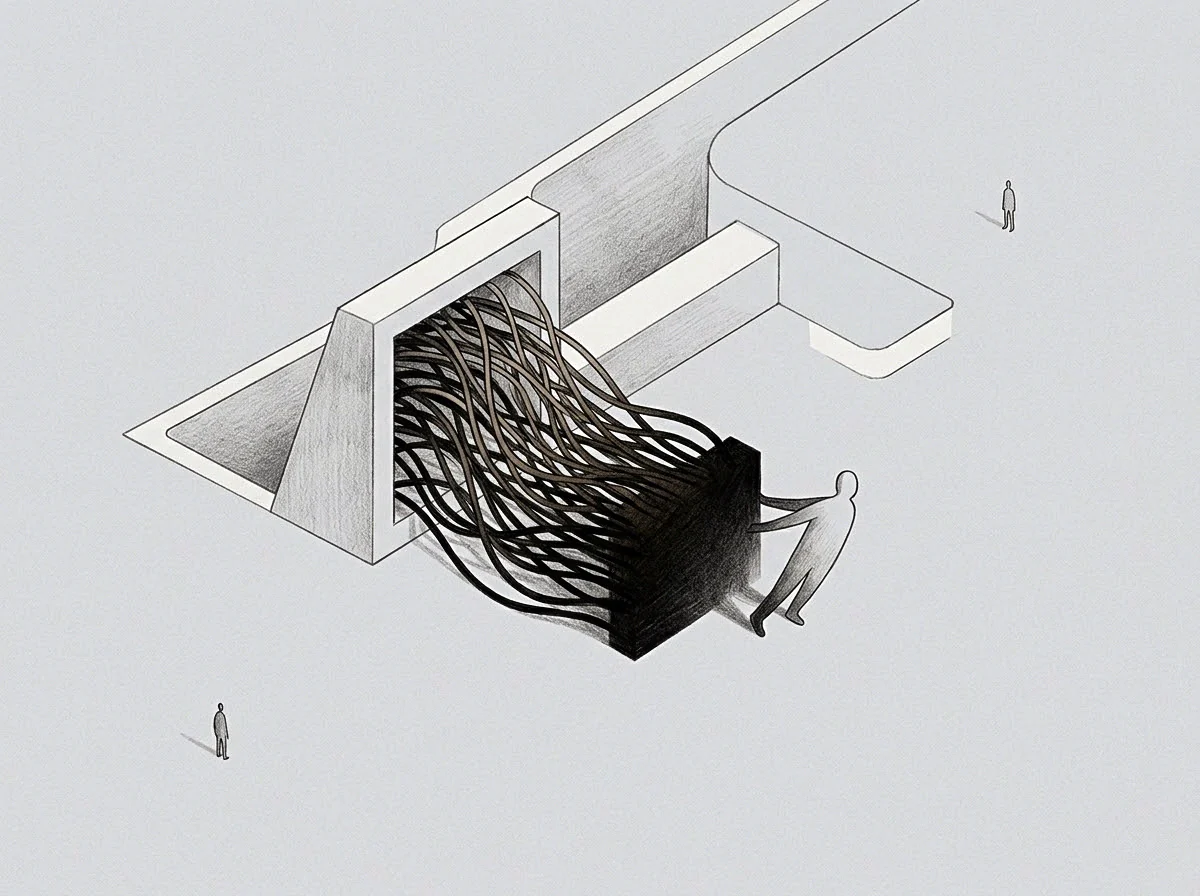
Buffer
Transitioning away from unilateral regulation requires hard operational limits rather than relational discussions. When a stabilizing executive reaches capacity, verbal reassurance fails to alter metabolic reality, making stated limits necessary to establish clear boundaries for real-time risk transfer.

Execution of Stated Operational Limits
To break the cycle of biological drain, executive teams implement structured protocols that limit real-time availability and enforce independent threat absorption.
- Explicit declaration of current cognitive bandwidth occurs at the start of every daily briefing, establishing immediate limits on complex decision-making.
- Time-bound withdrawal from shared baseline spaces forces each co-founder to process acute operational stress independently during crisis phases.
- Hard delegation of risk ownership assigns complete operational accountability for specific failure domains without continuous oversight or biological backup.
Explicit availability limits convert unstated emotional load into quantifiable allocation choices.
Implementing these protocols shifts the equity partnership from unstated covert contracts to explicit operational parameters. When the primary regulator refuses to absorb incoming panic, the offloading co-founder experiences an immediate spike in solitary metabolic expenditure. That co-founder must then build independent regulatory capacity or recruit additional executive redundancy to manage the systemic load.
A stated limit clause in an executive contract changes the default expectation of continuous availability into a metered operational resource that requires mutual approval to deploy.

Bearing
Updating an ingrained regulatory template demands repeated physical experience rather than theoretical clarity. Intellectual awareness of attachment mechanics does not alter prefrontal glucose consumption during an operational crisis. Earned security within an executive partnership forms when a primary regulator experiences repeated high-pressure incidents where risk is genuinely shared and the co-founder remains present without escalating panic.

Constructing Second Templates Through Repeated Practice
The delta over time between a fragile partnership and an enduring executive team measures the shift from unilateral absorption to mutual co-regulation. Over eighteen to twenty-four months of high-velocity operations, systematic exposure to shared crisis restructures neural expectations. The stabilizing partner learns to open the receptor slot by allowing the co-founder to hold key operational parameters during cash-flow squeezes or product delays.
Repeated exposure to mutual risk absorption restructures the neural expectation of solitary collapse.
This structural recalibration changes how the partnership processes threat signals across long development cycles. When an enterprise encounters unforeseen external shocks, both partners maintain biological composure while sharing the cognitive expenditure required to adapt. The primary regulator no longer bears the entire biological expense of enterprise composure, and the partnership operates on a sustainable physiological baseline.