
Ground Level Executive Baseline Regulation Mechanics
Executive baseline regulation operates as a metabolic threat economy where proximity to a steady presence reduces neural load and preserves capacity.

Floor
Four urgent escalations hit the central console within twenty minutes while cognitive capacity was already fully committed. The board demanded clarification on revenue projections, two lead engineers reported an architectural impasse, and the operating capital reserve showed a three-week deficit. Outwardly, the chief executive stayed steady, speaking deliberately and issuing clear directions.
Inwardly, maintaining that composure drained available metabolic energy. Incoming message volume rose sharply. Team members gathered around the desk, anchored by the leader’s composure, unaware that the quiet posture was a deliberate effort rather than reserve capacity.
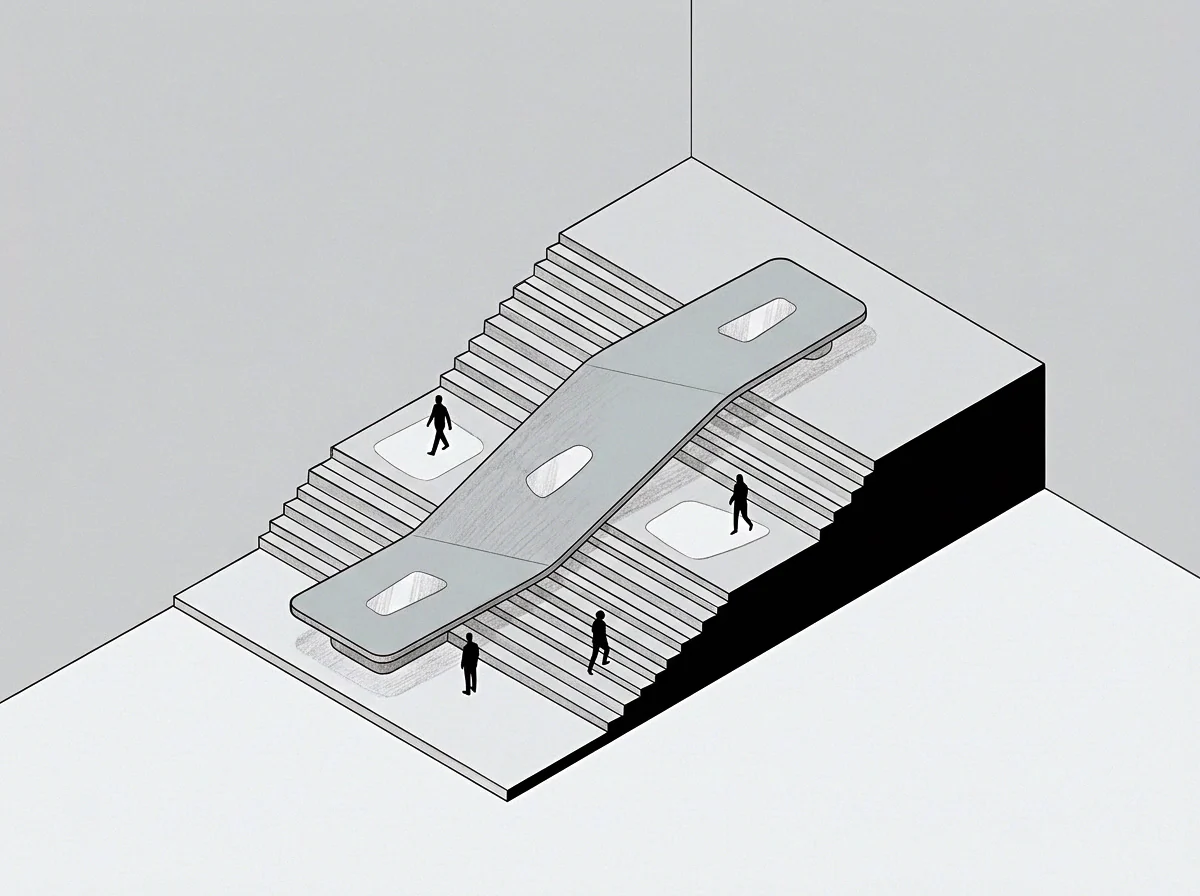
Physiological Budgeting Under Incoming Escalation Threads
Executive operators routinely navigate environments where multiple high-stakes inputs compete for immediate processing. The brain evaluates these threat vectors through a continuous bioenergetic calculation. Operating under the assumption that no external baseline exists to share the load forces the central nervous system into high-cost autonomous regulation.
Every pulse of cortisol and surge of autonomic arousal must be suppressed through prefrontal control, accumulating metabolic costs silently.
Maintaining a quiet state requires continuous energy. Keeping a steady pulse while digesting critical operational updates demands active neurological suppression of alarm responses. Over months of high-intensity management, relentless self-containment builds substantial metabolic friction, leaving the operator physiologically drained even while key metrics remain stable.
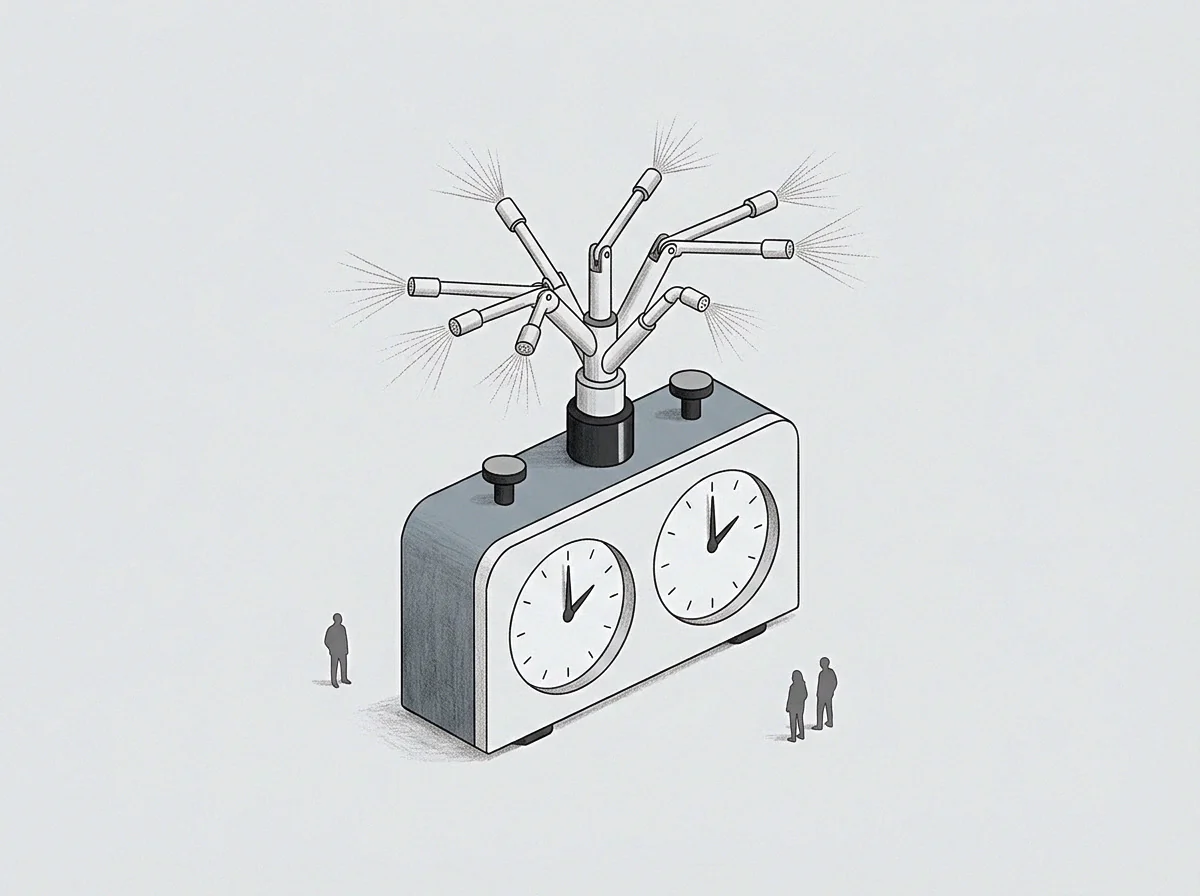
The Misattribution of System Calm
Surrounding team members often interpret a steady posture as unused processing bandwidth. When a leader consistently absorbs shock without displaying panic, the organization reads that baseline as structural invulnerability. A steady baseline attracts incoming load.
Colleagues then offload their own operational anxiety onto the executive, treating the role as an infinite heat sink for system tension.
Regulators who absorb operational friction without visible distress consistently attract further load transfers from adjacent roles.
This dynamic creates an asymmetry inside executive teams. The organization borrows the leader’s baseline to calm its acute distress, while the leader has no equivalent external source of stability. Borrowed calm is rarely acknowledged by those using it, and the person supplying it absorbs the added load.
Allowing an unexamined threat buffer to absorb all system variance eventually degrades the primary operator’s physical baseline.

Budget
The central nervous system calculates threat response based on perceived environmental resources. Social baseline theory demonstrates that the human brain does not treat self-regulation as its primary default mode. Instead, human neurological architecture evolved expecting shared proximity and co-regulation with reliable peers.
When supportive social resources are available, the brain scales down its baseline threat response, conserving metabolic energy for high-level problem solving.
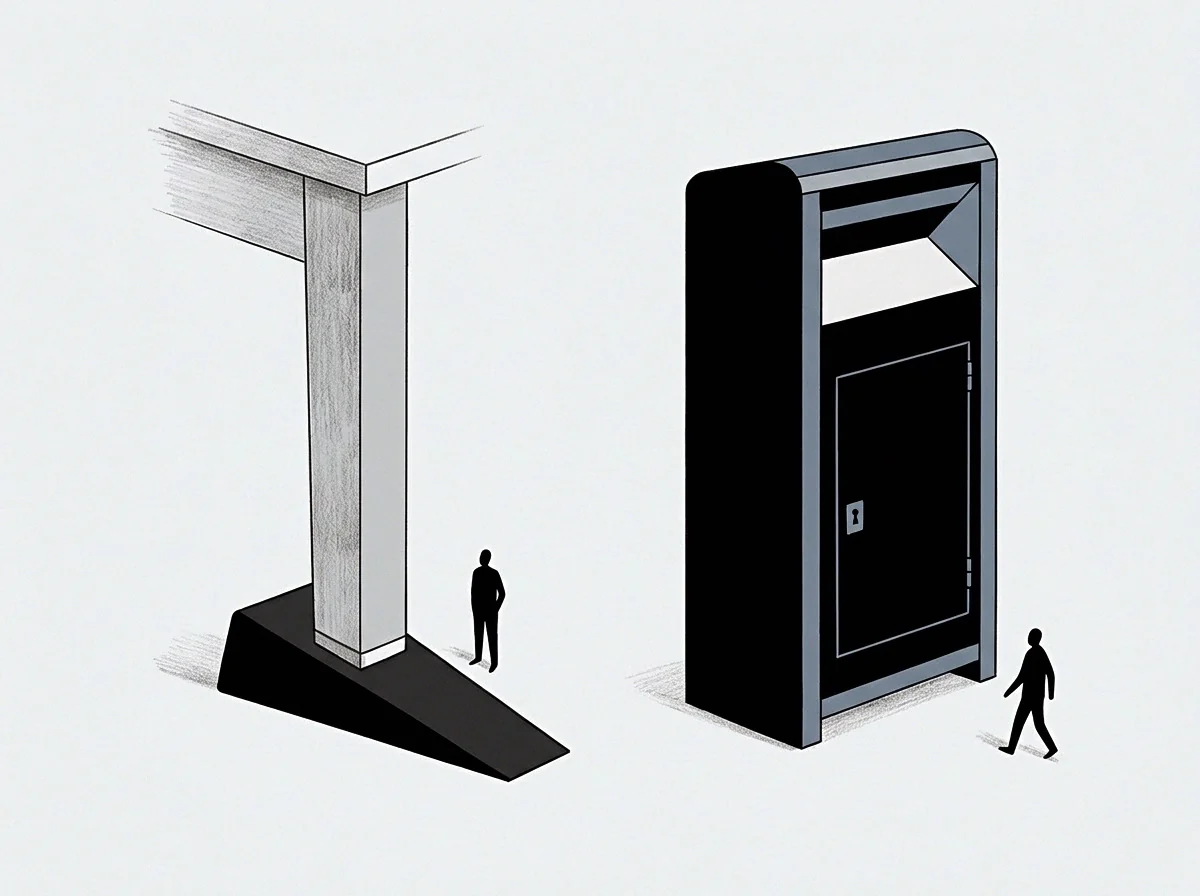
Social Baseline Mechanics and Neural Energy Conservation
Laboratory measurements confirm that proximity to a trusted individual changes how the brain evaluates environmental hazards. Functional neuroimaging reveals that under threat of shock, individuals holding the hand of a trusted partner show reduced activation in the hypothalamus, dorsal anterior cingulate cortex, and anterior insula. Proximity directly buffers neural threat.
When an executive operates in isolation, the brain treats the environment as more hazardous, allocating substantial glucose resources to vigilance and threat suppression.
Self-regulation alone is an expensive mode. Without an experienced co-regulatory partner, the executive’s brain must individually budget for every operational hazard. This isolated threat calculation leads to persistent hypervigilance, elevating baseline systemic tension and draining cognitive headroom long before strategic decisions are confronted.
| Regulation State | Metabolic Energy Expenditure | Peripheral Baseline Threat Response | Capacity Recipient Slot |
|---|---|---|---|
| Autonomous Self-Regulation | High glucose consumption and elevated dorsal anterior cingulate activity | Heightened hypervigilance and continuous environment scanning | Closed to external inputs due to structural load containment |
| Co-Regulated Proximity | Low neural expenditure with shared threat buffering mechanics | Down-regulated autonomic arousal and reduced baseline cortisol | Open and receptive to shared baseline stabilization |

Load Transfer in Proximity Systems
When multiple individuals work within a shared space, physiological states synchronize across the group. A stable, low-arousal executive acts as an anchor for the floor. Because this co-regulatory relief occurs below conscious awareness, personnel rarely recognize that their own composure relies on another person’s metabolic capacity expenditure.
- Implicit load dumping occurs when adjacent operators substitute the chief officer’s physiological stability for their own internal threat regulation routines.
- Unreciprocated regulation dynamics develop whenever an executive absorbs operational tension without a corresponding intake slot to offload accumulated pressure.
- Capacity saturation masking hides system risk by maintaining outward composure despite escalating metabolic drain.
The body reads isolation as danger. When an organization relies entirely on one person to stabilize its atmosphere, that individual’s baseline capacity degrades under the unbuffered weight of the group. The operational tempo feels manageable because the room stays quiet whenever tough calls arrive.

Absence
Early relational environments establish baseline assumptions regarding external support. Through thousands of early interactions, the brain constructs an internal working model predicting whether others will be responsive, protective, or absent during distress. An executive who learned early that caregivers were unreliable or overwhelming develops an inverted regulatory template.
Instead of looking outward for support, this individual internalizes the responsibility of being the sole stabilizing force for self and others.

The Backward Working Model and Internalised Isolation
Individuals who took on self-soothing roles early construct an inverted internal architecture. Regulating themselves and regulating others become a single operation on one template, leaving no receptor slot for receiving support. When faced with an organizational crisis, their automatic script is to step forward, assume control, and project unyielding stability.
Unstated expectations create silent operational debt.
Neural circuits process environmental threats at significantly higher metabolic expense when an individual operates without a perceived relational baseline.
This inverted template creates a structural inability to receive co-regulation. Even when a supportive co-founder, partner, or board member offers genuine presence and shared load, the executive’s neurological receptor slot remains closed. The offer of support is perceived as an anomaly or a potential threat rather than an opportunity for metabolic relief.
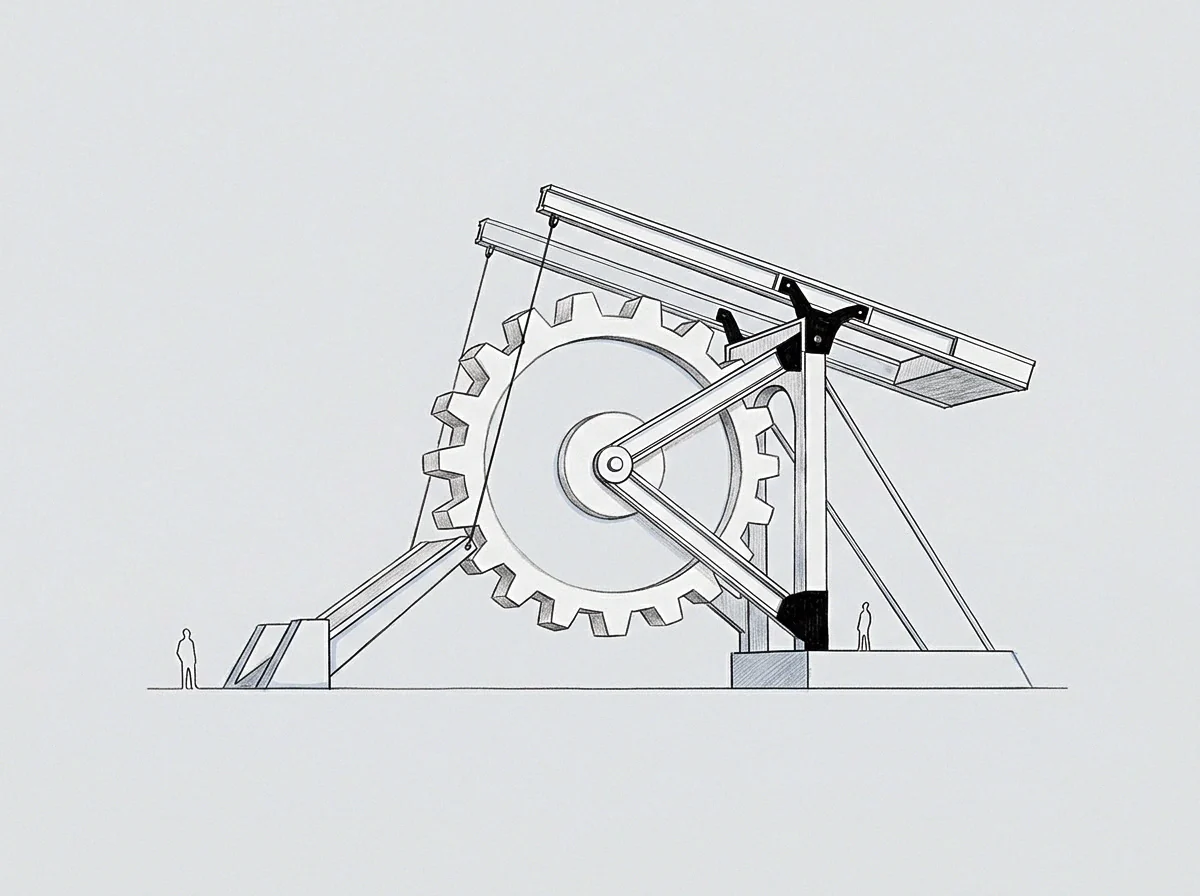
What Remains When Borrowed Calm Collapses?
When an executive supplying baseline stability exhausts personal energy capacity reserves, the surrounding network experiences sudden operational shock. The team, accustomed to drawing on the leader’s steady state, finds itself stripped of its borrowed regulatory anchor. Shared presence alters baseline physiological arousal.
Without the central heat sink, minor setbacks trigger widespread anxiety across the operational layer, exposing how much underlying dysregulation was previously masked by the founder’s personal capacity expenditure.
When that baseline breaks, the collapse is rarely recognized as a predictable bioenergetic failure. Instead, board members and investors often mischaracterize the sudden exhaustion as a sudden loss of commitment or leadership capability, completely overlooking the years of unbuffered load absorption that preceded the event. It remains uncertain whether an executive who spent years acting as the sole baseline can build an internal receptor slot without first experiencing a prolonged period of total operational withdrawal.

Room
Preventing systemic exhaustion requires explicit boundary mechanics embedded in organizational workflows. Executive baseline regulation cannot rely on willpower or intermittent retreats; it requires structural limits that actively intercept incoming emotional and operational load. Without deliberate friction in communication channels, the surrounding team defaults to dumping unrefined panic directly onto the primary operator.
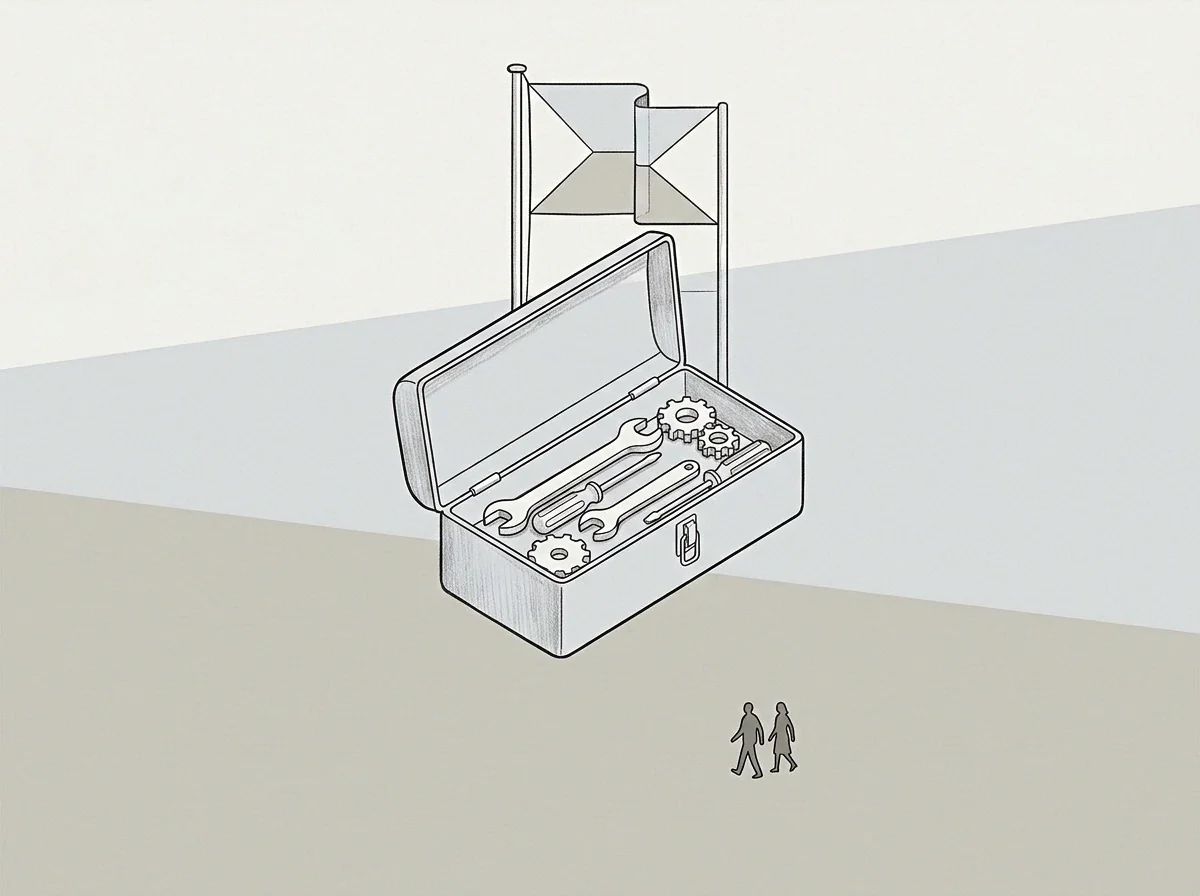
Stated Operating Limits Against Implicit Load Transfer
Unspoken boundaries consistently fail under pressure because team members read silence as availability. To protect baseline capacity, an executive must convert vague personal limits into explicit operational terms. A limit stated is the first thing a load-transferring system meets that is not the regulator.
An unstated operational limit leaves all incoming load expansion to be absorbed by the quietest person in the room.
Establishing operational room requires defining clear criteria for escalations, response latency, and decision ownership. Capacity vanishes under unbuffered threat processing. By forcing incoming issues through standardized analytical filters before they reach the executive desk, the organization reduces the raw emotional charge carried by operational updates.
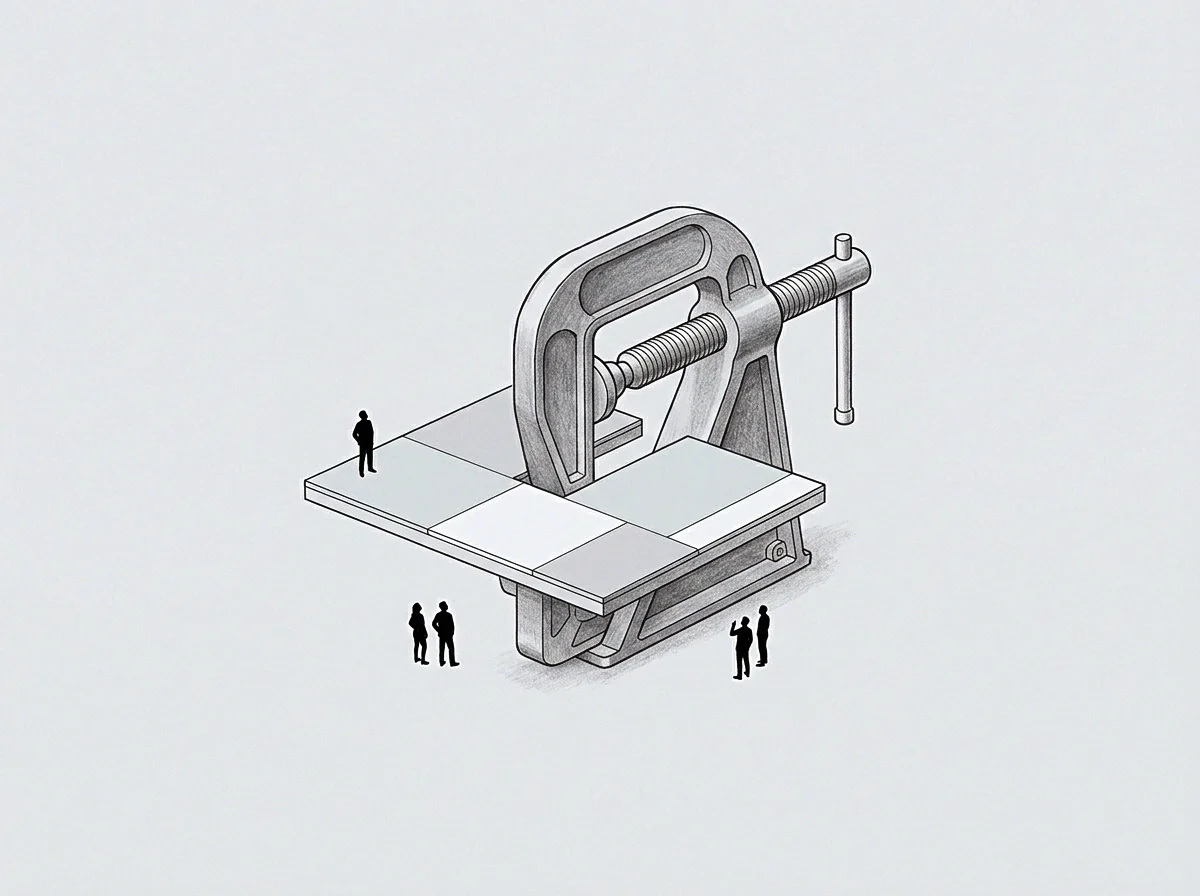
Structural Boundaries for Executive Threat Buffering
Designing defensive protocols into daily operations protects cognitive capacity from unbudgeted external demands. Executive officers must implement systematic barriers that protect their regulatory baseline from continuous pinging and constant availability expectations.
- Explicit declaration of daily cognitive processing limits before operational communications commence.
- Enforcement of mandatory asynchronous communication buffers across all non-critical escalations.
- Weekly review of incoming delegation streams to identify baseline load drift before systemic exhaustion occurs.
Relational stability reduces autonomic nervous strain. Implementing these structural protocols ensures that the executive seat operates as an intentional command center rather than an unbuffered shock absorber for general organizational panic. A limit expressed as an operational standard holds ground, while a limit framed as a personal request invites continuous renegotiation.

Margin
Updating a legacy relational template depends on concrete behavioral evidence rather than intellectual analysis alone. An executive cannot think their way into earned security; the nervous system requires repeated, real-time exposure to a stable, responsive peer who does not collapse under load or demand regulatory maintenance in return. This update path unfolds slowly through verified relational feedback across extended operational cycles.
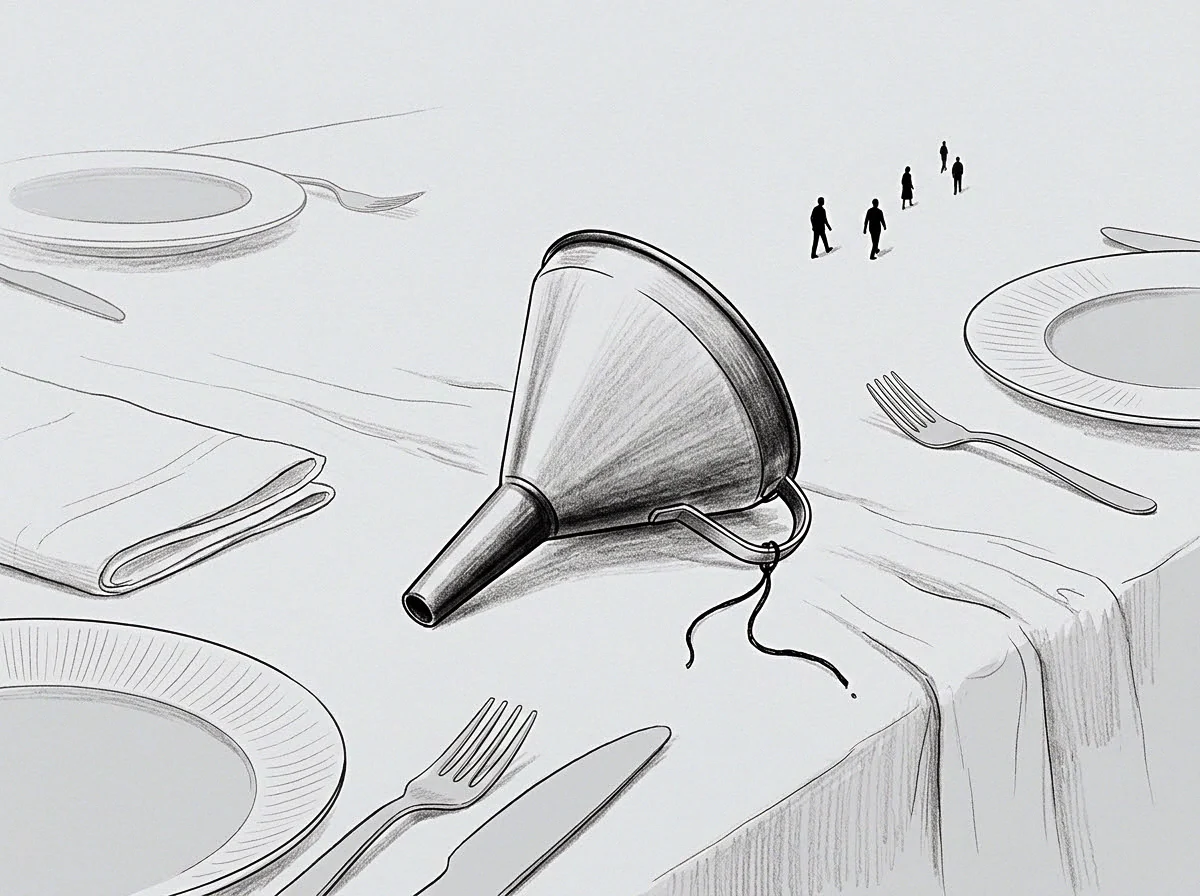
Earned Security Through Repeated Relational Verification
Adult psychological structures remain capable of modification when exposed to consistent relational safety over extended durations. Earned security represents the deliberate construction of a secondary regulatory template. When an executive partners with an operator or advisor who maintains physiological baseline stability independent of the founder’s state, the executive’s nervous system begins to register that external co-regulation is physically safe and bioenergetically efficient.
The secondary template updates through experience. Repeated presence restructures baseline neural expectations. As these safe interactions accumulate, the brain gradually revises its threat predictions, allowing the prefrontal cortex to relax its hypervigilant control over autonomic functions.
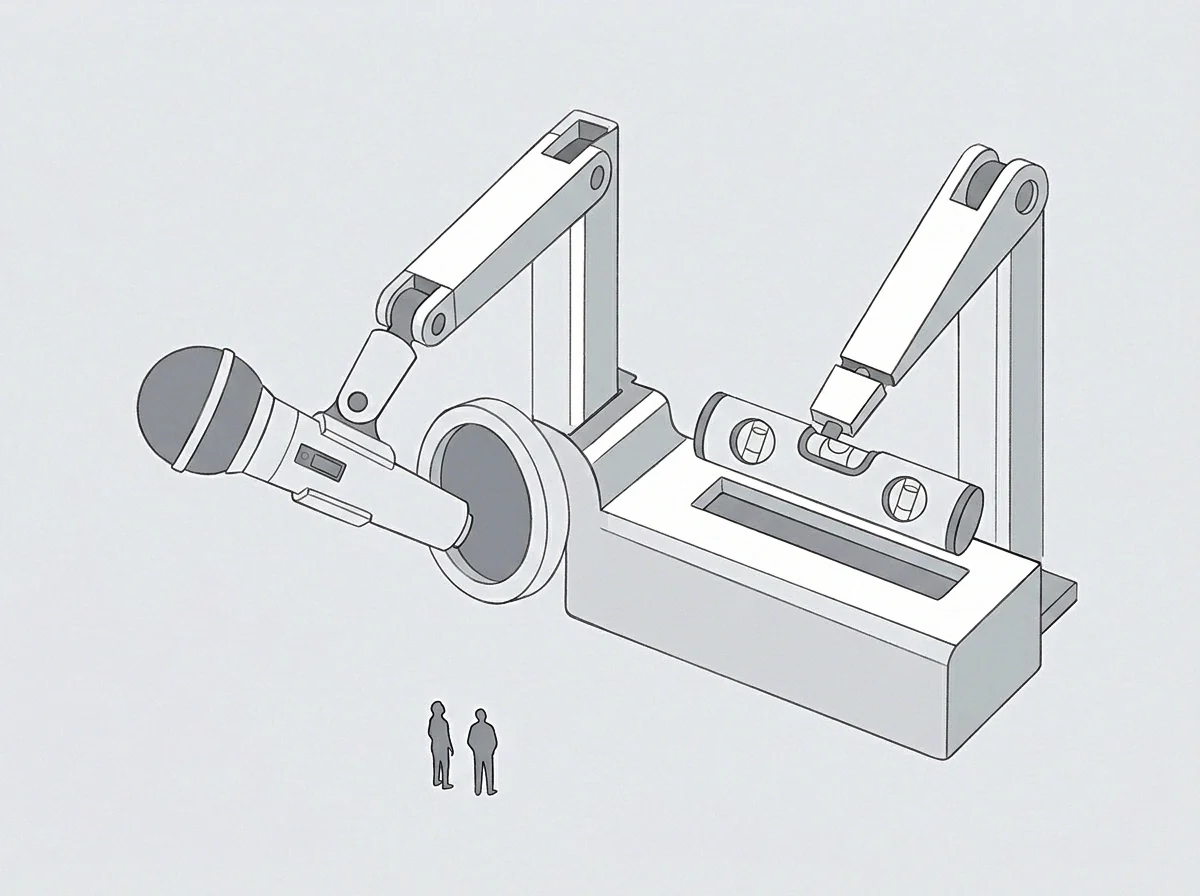
Constructing a Receptor Slot for External Presence
Learning to receive steady support requires an operator to tolerate the initial vulnerability of unbuffered exposure. The executive must practice allowing another qualified individual to carry real operational weight without stepping in to monitor or retake control. Over time, this practice builds the missing internal receptor slot, enabling the leader to switch from costly autonomous self-regulation to energy-efficient relational co-regulation.
A stable presence alters peripheral physiological baseline activation within three minutes of shared physical proximity.
This shift fundamentally alters how an executive sits in their role. Margin returns to the executive mind as the metabolic tax of continuous threat buffering declines. When a secondary template forms through repeated relational verification, baseline regulation costs shift permanently from individual metabolic suppression to shared environmental safety.