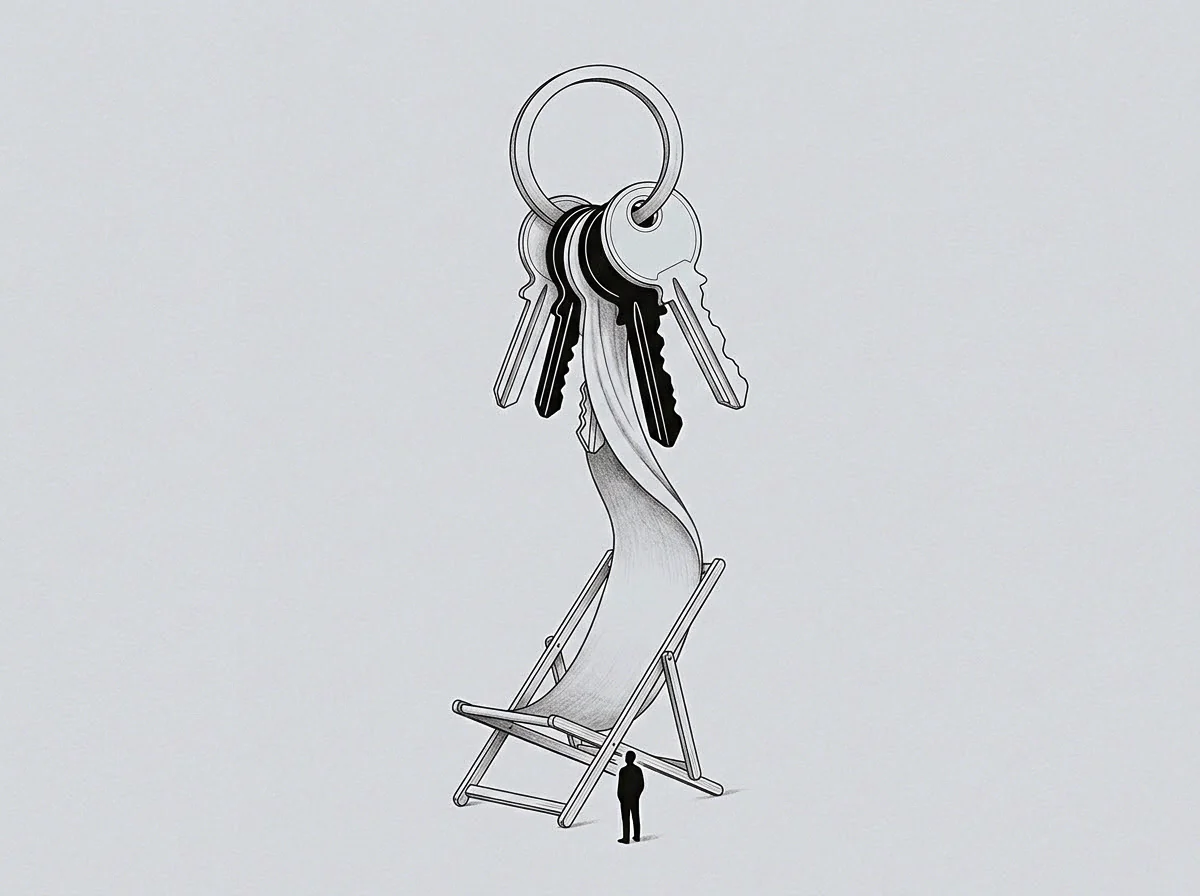
Meaning
Persistent physiological activation represents a state where the autonomic nervous system remains locked in a high-alert condition long after a stressor has passed. When a person steps away from the executive seat, chronic hyperarousal often continues to dominate their physical baseline. This persistent state arises because the neural pathways trained to scan for threat during years of company building do not easily deactivate.
It maintains elevated levels of stress hormones, preventing the transition to genuine recovery.
Systemic Load
Autonomic strain incurs a continuous toll on the cardiovascular and metabolic systems of the individual. Under the influence of this prolonged state, the body consumes resources at an unsustainable rate, which slowly depletes the reserves of executive capacity. The constant readiness for emergency action creates a baseline where even trivial demands trigger a disproportionate survival reaction.
Somatic Response
Interrupted sleep patterns and constant muscle tension mark the physical presence of this elevated alert state. Over time, the inability to rest alters the natural circadian rhythms and degrades cognitive focus during the day. This condition degrades attention span, leading to difficulties in long-term strategic planning or deep analytical work.
It translates to a state where the individual is physically present but cognitively locked in defensive maneuvers.
Restoration Barrier
True recuperation requires the deliberate down-regulation of the nervous system through structured behavioral interventions. Because the habit of vigilance is deeply ingrained, automatic recovery does not occur simply by removing the business pressure. Passive rest is insufficient, requiring instead active sensory down-regulation to break the cycle of tension.