
How Social Baseline Theory Explains Solitary Regulation Expenditure Under Threat
Solitary threat regulation forces an isolated brain to fund the entire metabolic cost of vigilance, burning cellular energy that social proximity usually saves.
Inventory
Four unread operational notices wait on a glass screen at two in the morning while the person sitting before them tracks three separate regulatory crises across two time zones. The heart rate stays fixed at ninety-two beats per minute. Cortisol production climbs along an unbroken slope.
The dorsal anterior cingulate cortex and the anterior insula burn glucose to maintain this stillness, yet the body registers the room as unoccupied.
Solitary regulation under acute operational threat demands that a single human central nervous system fund the entire metabolic cost of survival alone. Social Baseline Theory establishes that the human primate brain defaults to the assumption of embedded social proximity. In this ecology, safety, vigilance, and physical protection are distributed across an interdependent group.
When environmental load escalates and no predictable partner shares the physical or perceptual space, the brain treats this isolation as an emergency deficit. The brain reallocates glucose, oxygen, and neural tissue to compensate for absent allies.
Holding physiological vigilance in an empty room requires the neural architecture to purchase every decrement of threat through solitary prefrontal exertion.
The metabolic expenditure of self-regulation under isolation creates immediate bioenergetic depletion. When a founder or principal sits alone, every calculation of risk passes through unassisted neural networks. Proximity to a familiar conspecific signals resource pooling, which automatically downregulates autonomic defense mechanisms.
The removal of that conspecific forces the nervous system to treat the surrounding environment as substantially more perilous. Threat detection regions fire at elevated baselines. The prefrontal cortex allocates continuous attention to maintain executive suppression over subcortical alarms.
This solitary expenditure accumulates as measurable physiological debt. The body burns through cellular energy stores to manufacture an appearance of steady command. The biological ledger reflects the unvarnished calculation: unshared vigilance is the most expensive strategy an organism can deploy.
Load
Shared Vigilance Against Solitary Bioenergetics
Neural threat processing scales down when another organism shares the perimeter. Functional neuroimaging demonstrates that during acute threat presentation, such as an anticipated electrical shock or financial ruin, holding the hand of a trusted partner dampens activity in the neural systems supporting defensive responding. The hypothalamus reduces its signaling cascade to the pituitary gland.
Sympathetic nervous system tone stabilizes. The presence of a responsive other acts as an external biological regulator, absorbing a share of the metabolic work required to face the threat.
Remove the hand, and the autonomic system mobilizes full defensive reserves. The solitary nervous system perceives the hill as steeper, the distance as greater, and the cost of defense as absolute. An operator working in complete isolation must deploy conscious cognitive control to dampen fear circuits that would otherwise calm spontaneously beside an ally.
Cognitive reappraisal and somatic suppression consume high quantities of cerebral glucose. The solitary regulator pays cardinal energetic units for physiological outcomes that arrive freely within an attached pair.
A predictable partner in the visual field cancels the baseline metabolic tax on human threat perception.
Consider the regulatory mechanics across differing states of social containment during operational catastrophe:
| Containment State | Prefrontal Allocation | Autonomic Arousal | Metabolic Drain Rate |
|---|---|---|---|
| Isolated Defense | Exhaustive conscious down-regulation | Sustained sympathetic drive | Maximal solitary caloric burn |
| Proximity Without Trust | Hyper-vigilant social monitoring | Erratic autonomic spikes | Compound vigilance exhaustion |
| Embedded Secure Contact | Minimal compensatory override | Rapid parasympathetic recovery | Distributed baseline conservation |
Under isolated conditions, the executive matrix works at capacity simply to inhibit panic responses. When an unfamiliar or unstable person enters the physical perimeter, the brain expends additional energy scanning that person for latent hostility or incompetence. Only verified, secure social presence provides the metabolic relief described by the baseline model.
A solitary principal carries the complete threat surface alone, burning out somatic capital to keep the enterprise steady.
Scaffold
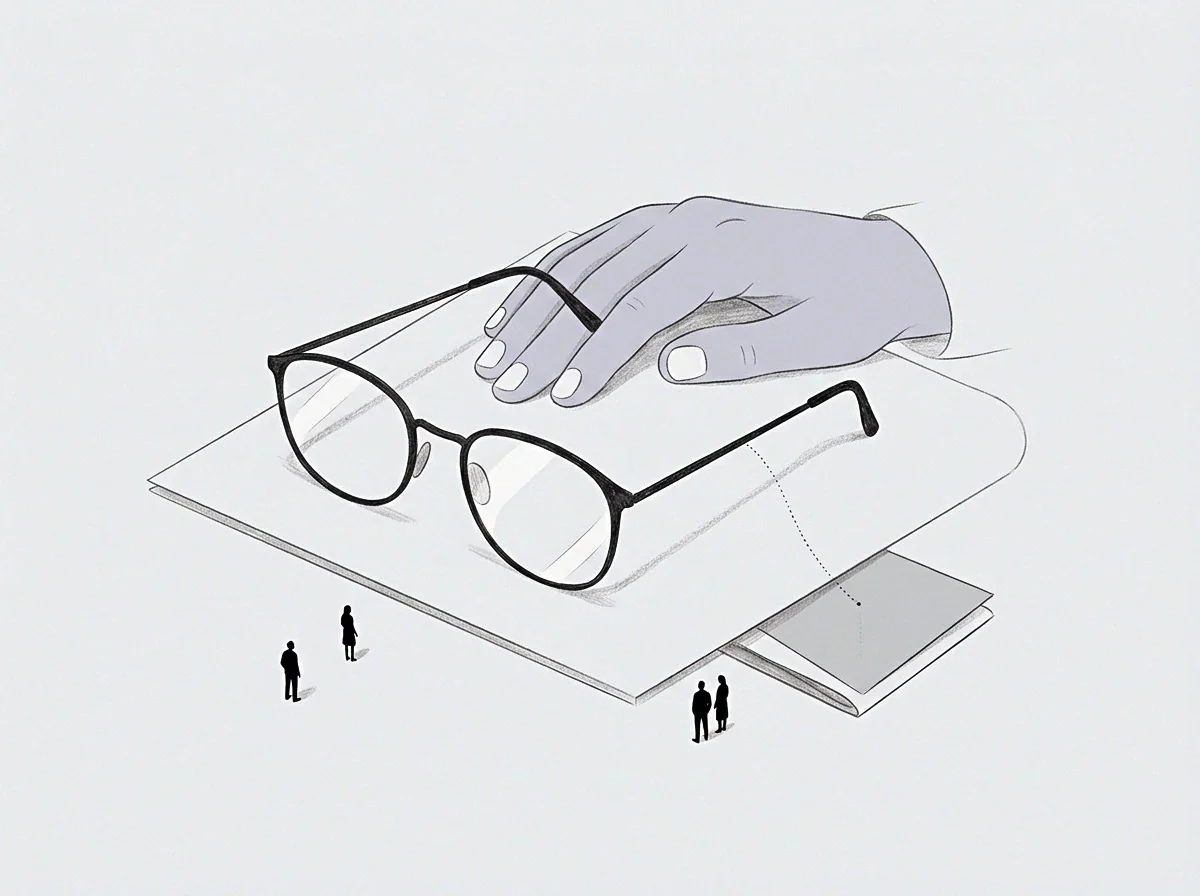
The Regulator Template as Asymmetrical Architecture
Childhood attachment interactions install an internal working model that dictates how threat is processed. When an early environment provides a consistently attuning caregiver, the infant brain absorbs a template: stress calls bring relief, presence absorbs panic, and the nervous system can safely lean outward for repair. The child internalizes an available other.
This internal scaffolding preserves neural resources during adult adversity, because the template anticipates rescue and stabilization.
An inverted development produces the opposite operating system. If the early environment demands that the child manage the emotional instability of the parent, the developmental pathway reverses. The developing individual becomes the regulatory baseline for the room.
The system learns that leaning outward collapses the structure. Self-soothing becomes compulsive, solitary, and hyper-vigilant. The developing nervous system internalizes a model of itself as the lone adult in the house, foreclosing the neurological receptor slot designed to receive external containment.
The backward template forms when an individual learns to stabilize the parent before the self has developed a floor.
This early structural conditioning creates an adult who acts as a biological shock absorber for organizations. When panic infects an executive floor, the founder with an inverted template steps into the storm without flinching. Counterparties perceive this posture as extraordinary courage.
Teams read it as effortless capacity. They draw closer to borrow the founder’s calm, offloading their anxieties into the stable gravitational field of the principal’s autonomic control.
The borrowing party leaves the room feeling centered, grounded, and clear. The lender remains seated at the desk, absorbing the transferred systemic load through pure prefrontal exertion. The transferred panic does not disappear into empty air.
The nervous system of the anchor bears every ounce of it.
Breach
Can An Operator Update The Regulator Template In Isolation?
Cognitive insight into this metabolic imbalance changes nothing about autonomic expenditure. A person can read the relevant neuroscience, map their historical parentification, and chart their physiological burn with clinical accuracy. The basal threat circuits of the brain do not take instructions from intellectual declarations.
The amygdala, insula, and brainstem operate on procedural expectations built across decades of lived encounters. Understanding an inverted template simply allows the individual to observe their own exhaustion with superior vocabulary.
Updating the solitary expenditure pattern requires an actual somatic breach of the old contract. A second template can only form through repeated bodily experiences of shared load under real conditions of operational vulnerability. The nervous system must place a genuine consequence into the hands of an external peer, remain present while the threat unfolds, and register the physical reality of the peer absorbing the impact without collapsing.
This experiential proof slowly grows the missing receptor slot, allowing the brain to treat another human presence as legitimate physiological cover.
This update process faces severe functional hurdles within commercial environments:
- Asymmetrical operational vulnerability demands that the principal risk public structural exposure before verifying whether the counterparty possesses the biological capacity to stand steady under the incoming shock.
- Somatic recoil occurs when the isolated nervous system perceives an offer of genuine support as an intolerable threat to operational autonomy, triggering reflexive withdrawal back into solitary executive control.
- Counterparty panic contagion materializes when the person chosen to share the load buckles under the initial pressure, reinforcing the original baseline expectation that nobody else can carry the weight.
- Caloric debt accumulation accelerates during the transitional phase because attempting to trust an unproven ally burns more immediate energy than maintaining the well-rehearsed habits of total self-reliance.
The delta over time between a transaction driven by fear and an arrangement founded on deliberate selection becomes legible only after repeated shocks. Under panic, a founder grasps at any warm body who promises relief, mistaking basic proximity for regulatory capacity. A deliberate selection waits for evidence of steady baseline containment under actual fire.
The update succeeds only when the organism experiences reliable external regulation through a sustained operational crisis.
The founder states the limit plainly to the room: the remaining capital cannot absorb another delayed milestone, and the team will carry the weekend release without executive intervention.
Drain
The institutional consequence of this dynamic is systemic parasitism. A founder who reliably contains incoming stress without showing physiological strain trains the organization to treat them as an infinite bioenergetic heat sink. Because borrowed regulation registers subjectively as the borrower’s own calm, the team believes that the company’s peace originates from its operational processes or market positioning.
Nobody names the biological donor. The collective efficiency of the firm is subsidized by the uncompensated metabolic burn of one person’s nervous system.
Strength under operational stress attracts additional load by mechanical necessity. An engineer brings a breaking architecture to the person who does not flinch. An investor channels panic to the operator who answers late-night demands with methodical detachment.
The organizational system flows toward the path of least resistance, offloading its collective dysregulation onto the node that absorbs it most quietly. The founder is treated not as a flesh-and-blood mammalian organism with bounded bioenergetic reserves, but as an environmental feature of absolute stability.
A proven capacity to bear unshared operational panic guarantees that the enterprise will deliver more panic to that exact desk.
Over months and years, this unreciprocated expenditure produces profound allostatic strain. The body cannot run maximum prefrontal override while sustaining biological tissue repair, endocrine harmony, and cellular turnover. The immune system flags.
Arterial walls harden under the persistent wash of solitary glucocorticoids. Sleep loses its restorative architecture, because the brainstem monitors the environment for systemic threats even within slow-wave cycles. The individual begins to operate in a state of chronic metabolic throttling, scaling back emotional range and relational presence simply to keep the primary operational motor running.
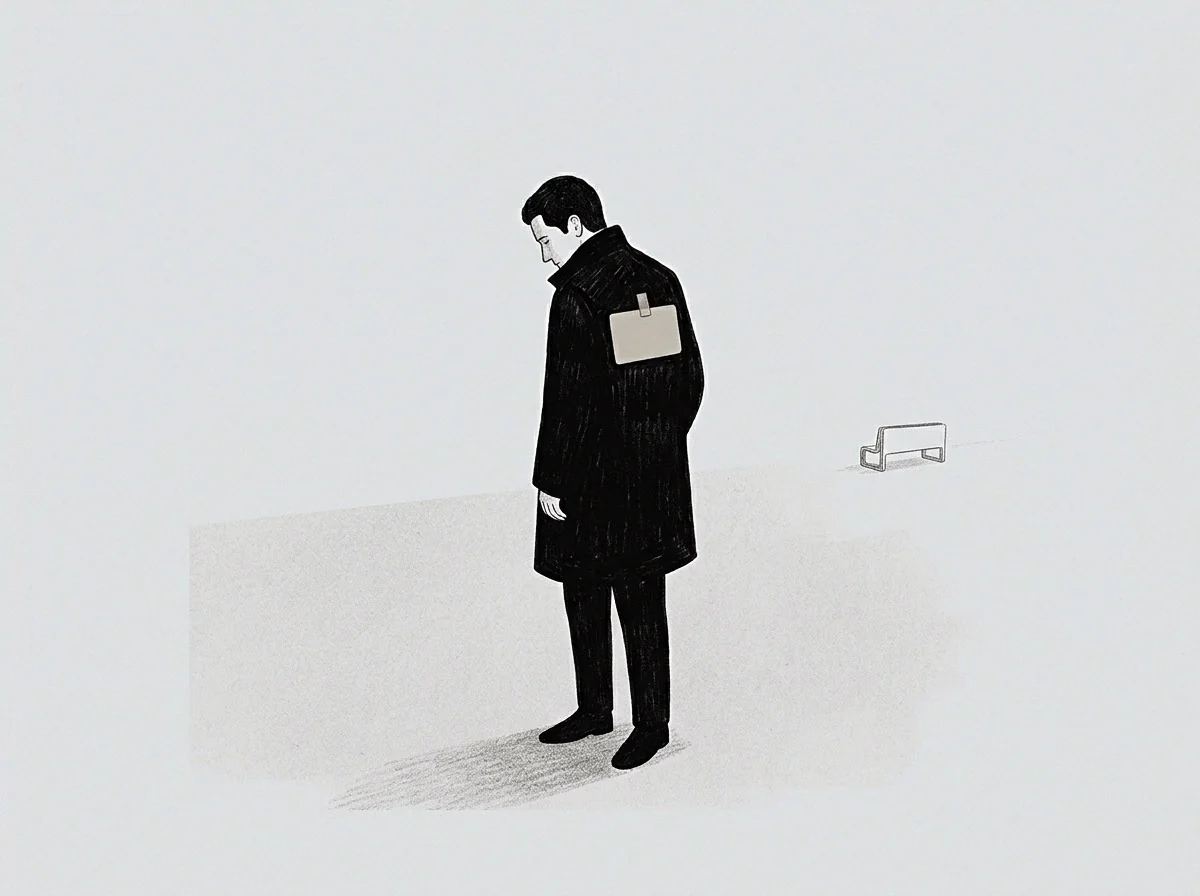
This physiological toll is paid in silence. The enterprise grows in market valuation while the operator’s biological substrate slowly hollows out behind the desk. Every victory secured through solitary threat regulation extracts its cardinally measured tribute from the future life span of the regulator.
The balance sheet of the company prospers while the physical vessel carrying its reality drains toward the floor.
The operator turns off the screens, leaves the office, and walks into the cold night air knowing that no amount of company equity can purchase back the cellular life burned to steady an unseeing room.