
How Shared Operational Risk Recalibrates Autonomic Threat Detection Baselines
Shared operational hazard links co-founder nervous systems, replacing parasympathetic regulation with sustained sympathetic baseline threat activation.
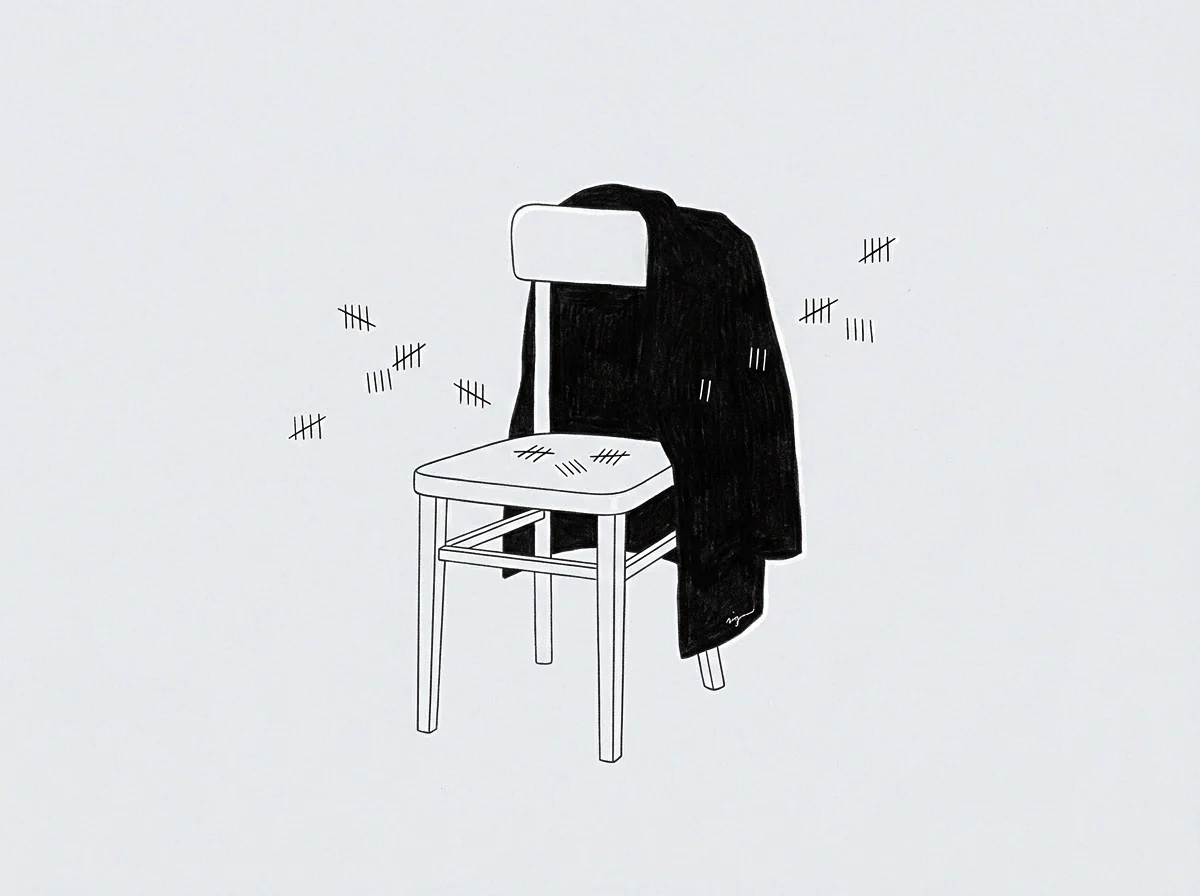
Coupling
At three in the morning during a liquidity freeze, four primary system monitors flashed red simultaneously. Two co-founders sat in an empty office with their eyes locked on the single ledger balance that dictated whether payroll would clear by dawn. Neither spoke for forty minutes.
Micro-expressions around the eyes, shallow breathing, and erratic changes in posture passed between the seats in silence. In that quiet room, the autonomic nervous systems of both operators synchronized into a singular, heightened threat state.
Human physiological baselines rarely operate in absolute isolation. Social baseline theory establishes that the brain conserves metabolic energy by treating predictable partners as intrinsic extensions of its own regulatory capacity. Proximity to a reliable peer signals to the central nervous system that environmental loads can be shared across bodies.
In benign operational conditions, this neural economy lowers baseline cardiovascular work, suppresses excessive pituitary-adrenal activity, and maintains high heart rate variability. The presence of an aligned partner functions as a passive metabolic subsidy.
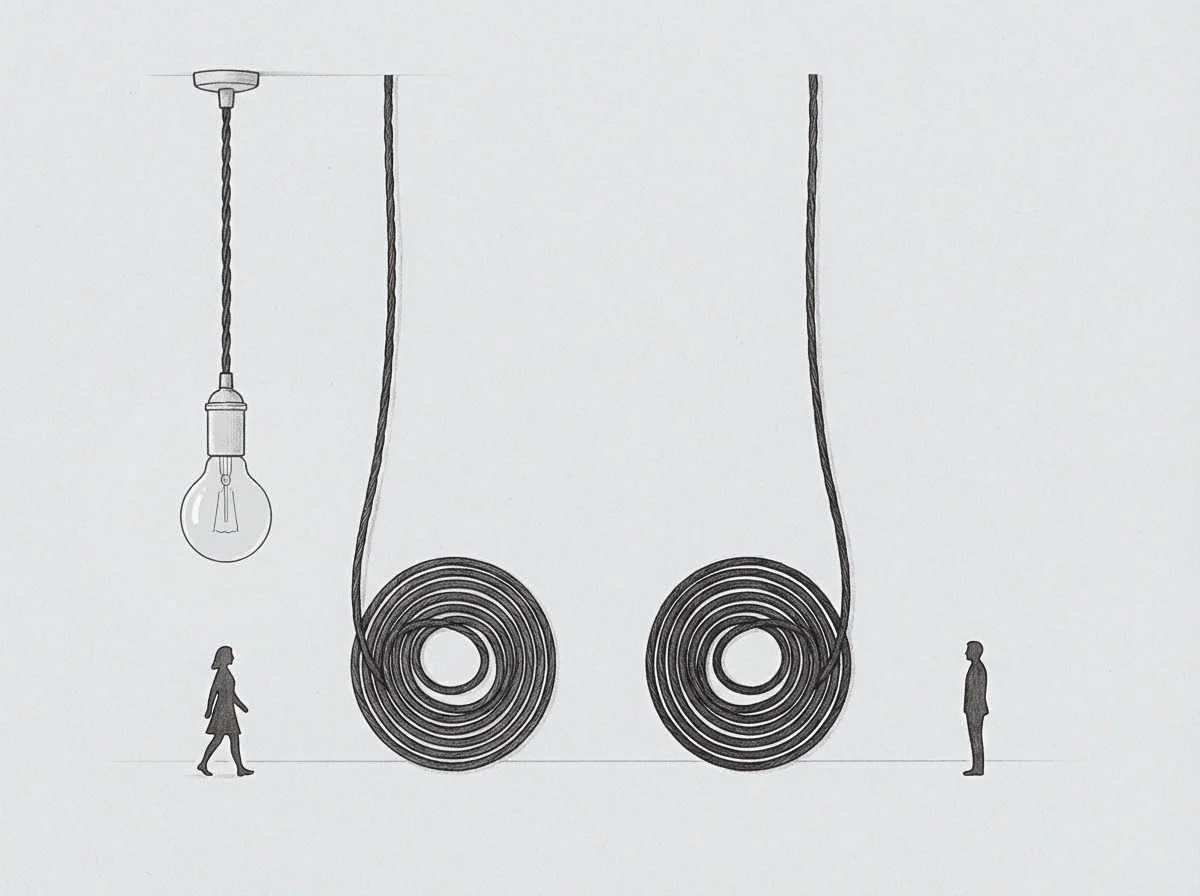
Mechanisms of Autonomic Risk Entrainment
When systemic hazard threatens an enterprise, interpersonal proximity flips. The partner ceases to register as a baseline source of physiological calm. Instead, that partner becomes a high-speed data conduit for environmental peril.
Through continuous subcortical evaluation of facial tone, pupil dilation, vocal cadence, and motor restlessness, one operator’s autonomic nervous system instantly mirrors the sympathetic activation of the other.
This entrainment relies on mirror neuron systems linked directly to the insular cortex and amygdalar pathways. When shared operational risk reaches the point where enterprise destruction becomes possible, threat detection algorithms within the brain prioritize early detection over metabolic conservation. The regulatory economy collapses into mutual reinforcement.
Rather than one individual soothing the nervous system of the companion, both systems continuously validate the presence of mortal danger.
Shared exposure to enterprise destruction transforms interpersonal proximity from a metabolic subsidy into an automated amplifier of sympathetic threat signals.
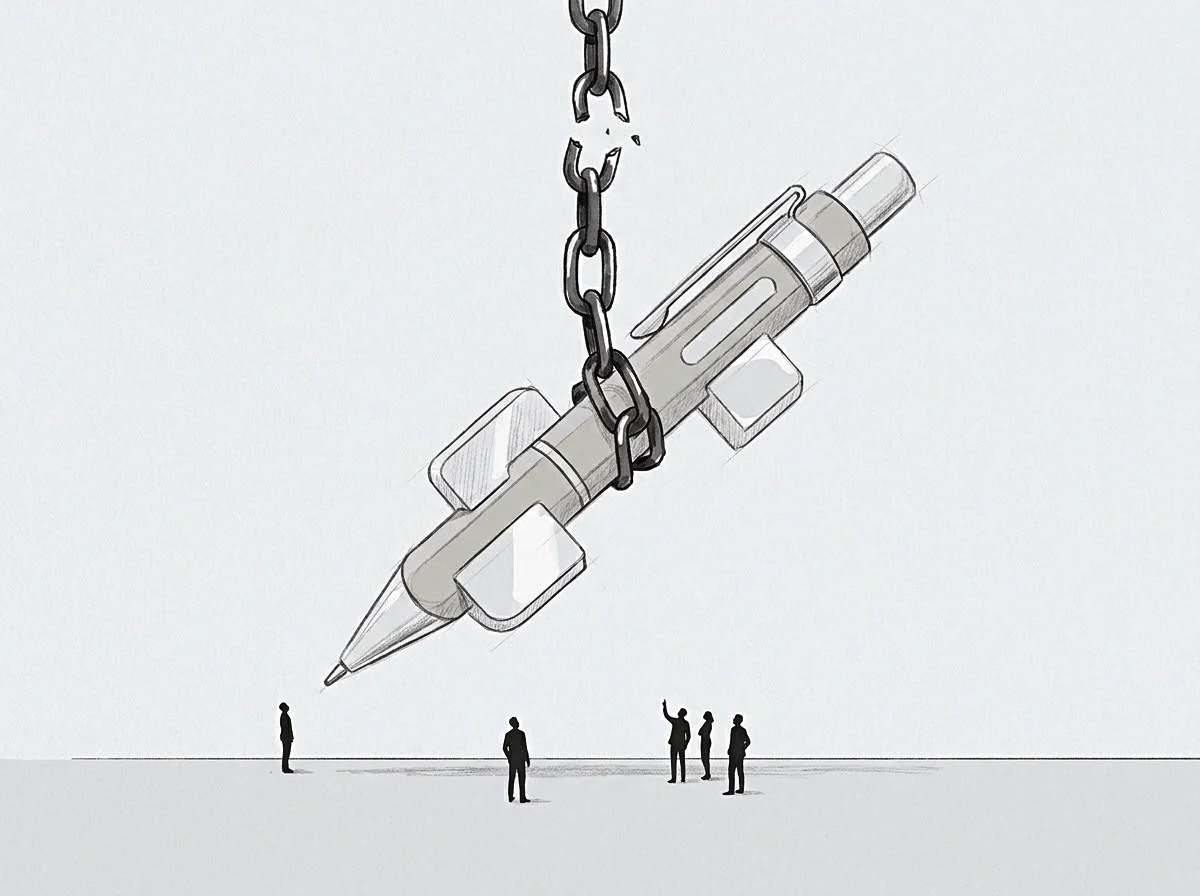
Metabolic Conservation Under Mutual Load
The neural architecture treats shared operational risk much like a collective physical defense scenario. In early evolutionary environments, sudden physiological arousal in a peer signaled an unseen predator or immediate physical hazard. Modern operational environments trigger identical subcortical survival cascades when capital reserves approach zero or major legal exposure materializes.
Elevated heart rates, reduced inter-beat intervals, and increased peripheral vascular resistance move in lockstep between founders managing acute crises. The autonomic budget of each actor becomes tied to the observed stability of the other. When both actors exhibit elevated baseline arousal, neither system can access the physiological safety cues required to engage the ventral vagal circuit.
The social baseline recalibrates to treat high sympathetic tone as the default requirement for remaining in proximity.
This recalibration alters the cost structure of daily interaction within executive teams. Every conversation, strategic review, or silent working session between high-risk operators requires continuous neural monitoring of mutual threat status. Energy previously directed toward high-level cognitive synthesis, strategic foresight, and creative problem-solving gets redirected to sustain vigilance.
The operational contract written in the articles of incorporation transforms into an implicit biological pact governed by mutual autonomic strain.
The term mutual autonomic entrainment specifies the state wherein two or more operators link their central nervous system baselines under shared high-stakes conditions, permanently raising the minimum metabolic floor required to maintain interpersonal proximity.
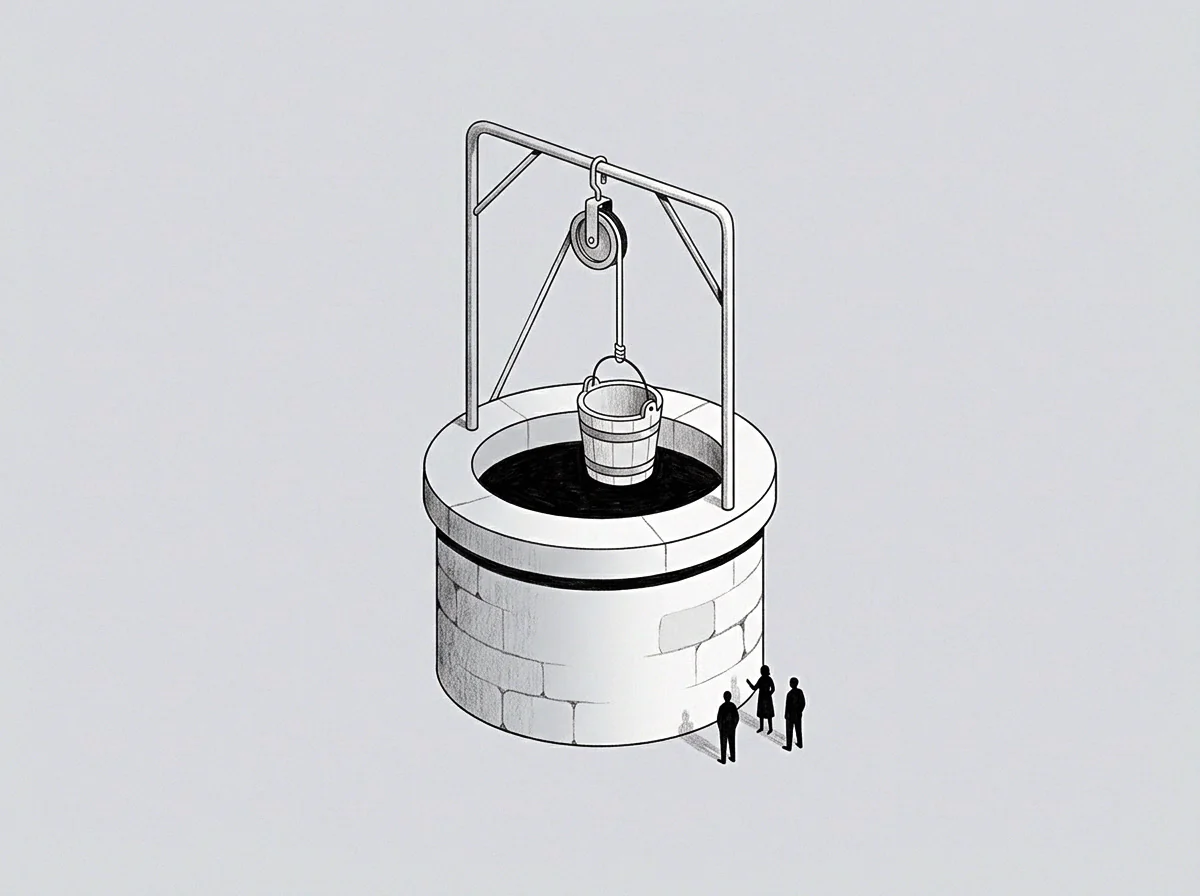
Load
Sustained exposure to systemic operational hazard shifts the baseline resting tone of the autonomic nervous system. The hypothalamus continuously signals the adrenal cortex to release cortisol, while the sympathetic chain maintains elevated norepinephrine levels across peripheral organs. Neural circuits dedicated to survival override the parasympathetic brake, suppressing the ventral vagal complex that normally promotes resting calm and open social engagement.
This chronic shift in physiological baselines represents a heavy metabolic tax paid by individuals operating under continuous hazard. Baseline threat detection thresholds drop significantly. Inputs that once registered as neutral operational updates, such as a brief drop in customer retention, a delayed email response from an investor, or a minor code regression, now trigger acute fight-or-flight responses.
The nervous system loses its dynamic range, oscillating between hyper-vigilance and sudden exhaustion.

Chronic Sympathetic Elevation in Shared Seats
When multiple leaders inhabit an organization experiencing persistent hazard, this elevated physiological state becomes institutionalized. Meetings turn into arenas of unspoken autonomic defense. Executive teams operating under prolonged capital constraints or volatile market conditions establish a shared baseline of high sympathetic arousal.
The baseline is no longer neutral; it is hyper-alert.
Over time, the brain updates its internal working model of the operational environment, adapting to expect continuous crisis. Autonomic recalibration ensures that even during periods of operational calm, the threat detection apparatus remains active, searching for hidden systemic vulnerabilities. The capacity to return to a genuine parasympathetic resting state degrades.
- Allostatic Baseline Elevation represents the physiological recalibration where chronic sympathetic activation replaces resting parasympathetic tone as the default state of the operator.
- Vagal Brake Atrophy characterizes the diminished capacity of the ventral vagal nerve to rapidly slow heart rate and restore calm following acute stress events.
- Interpersonal Threat Coupling occurs when team members subconsciously interpret each other’s baseline tension as proof of active environmental peril.
- Cognitive Headroom Contraction reflects the measurable decline in executive function and working memory capacity caused by continuous autonomic defense expenditure.
The Decay of Vagal Baseline Headroom
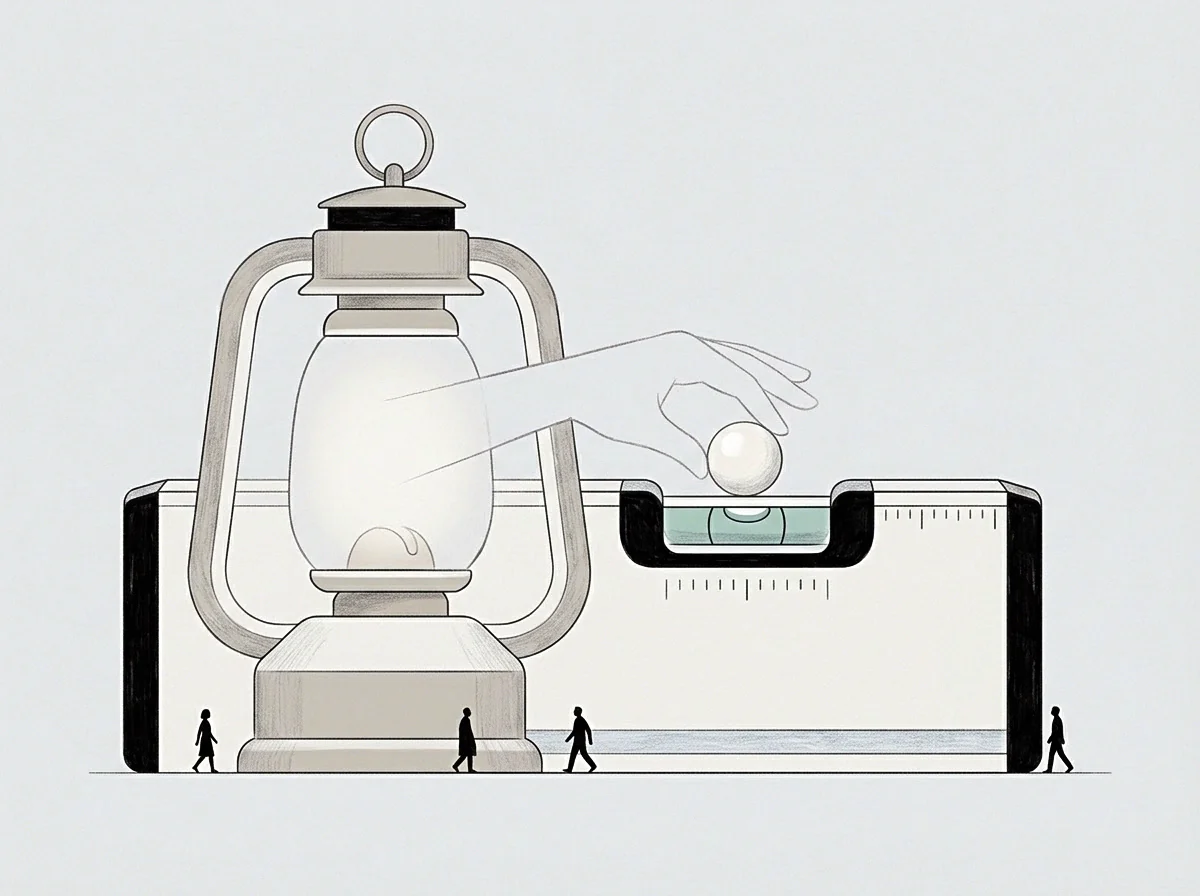
Electrocardiographic studies measuring respiratory sinus arrhythmia demonstrate that individuals under chronic operational stress exhibit persistent suppression of baseline vagal tone. This physiological finding rests on continuous heart rate variability tracking across high-hazard professional cohorts over multi-month operational cycles. The suppression remains stable even during sleep, confirming that autonomic recalibration extends beyond conscious working hours.
To invalidate this baseline model, longitudinal data would need to demonstrate complete parasympathetic recovery during high-risk execution windows without structural reductions in external threat.
The reduction in vagal baseline headroom severely restricts an operator’s capacity to process novel information. When the autonomic system sits near its maximum threshold of threat tolerance, cognitive flexibility suffers. Decision-making shifts from long-term strategic evaluation to short-term immediate relief of internal physiological strain.
Strategic choices made under this condition prioritize the rapid elimination of immediate ambiguity rather than the long-term optimization of enterprise value.
Continuous autonomic threat defense consumes metabolic resources required for long-term strategic decision-making.
The long-term consequence of operating with a decayed vagal baseline is the inevitable structural collapse of executive capacity, forcing sudden withdrawal from operational roles when the nervous system can no longer sustain elevated sympathetic output.
Ledge
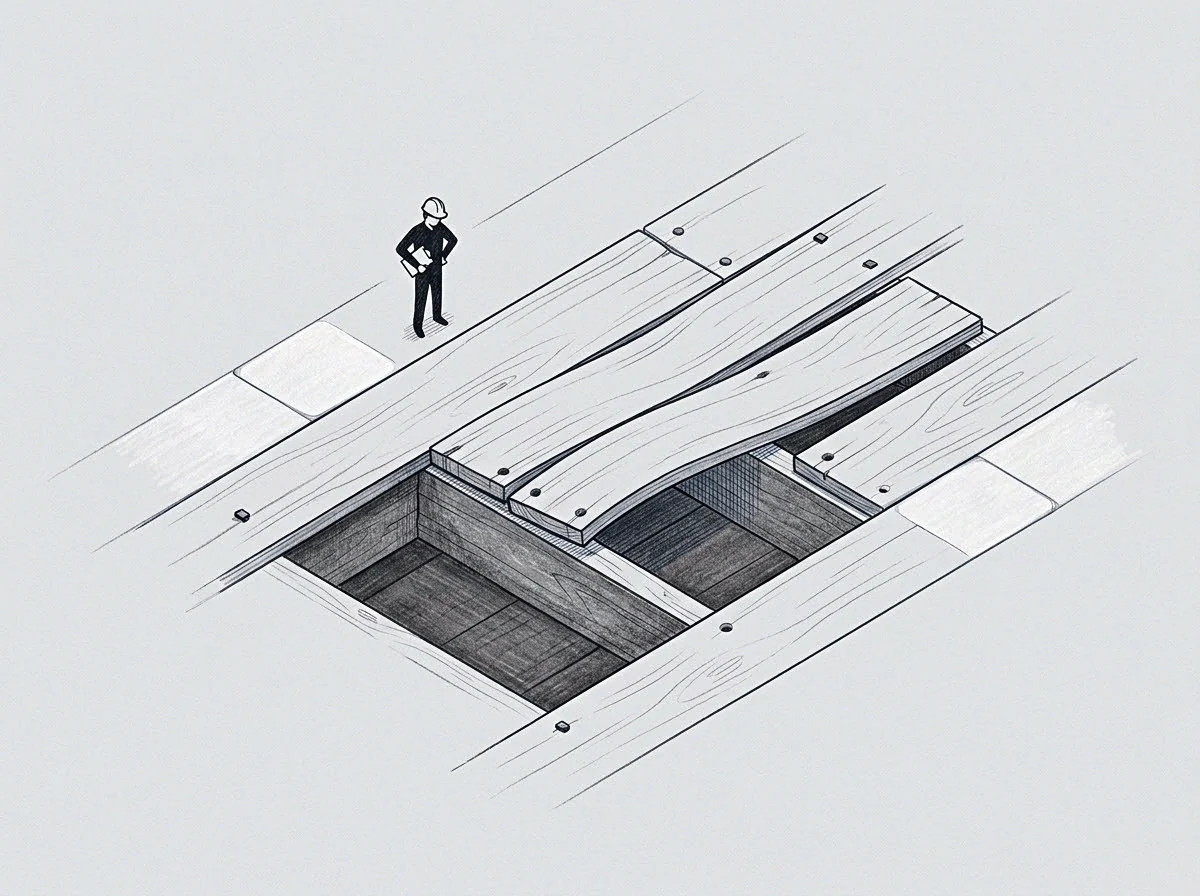
Physical environments where shared operational risk is carried act as amplifiers of nervous system states. Take a small glass-walled conference room occupied by three co-founders during a host takeover bid. The proximity of bodies, shared air, and physical confinement heighten the sensory feedback loop of autonomic tension.
Every micro-movement on that tight ledge carries structural weight.
In high-density industrial control rooms or trading desks, physical layout directly influences biological regulation. Industrial safety systems intentionally design physical distance and auditory dampening to prevent collective panic during catastrophic equipment failures. Startup environments and executive suites frequently do the opposite, crowding high-risk operators into tight physical spaces where biological threat cues cascade without physical dampening.

Why Do Co-Founders Retain Elevated Sympathetic Arousal After Risk Subsides?
The neural machinery of threat detection does not instantly reset when a balance sheet is repaired or a legal dispute concludes. Synaptic pathways strengthened during acute survival crises maintain high baseline readiness long after external hazards resolve. The brain retains the threat baseline because it categorizes the environment as historically unsafe.
Industrial machinery operating at maximum load experiences material fatigue that persists long after the operational cycle ends. Human biological systems mirror this structural hysteresis. The neural architecture maintains high-vigilance baselines to ensure rapid response to subsequent threats, misinterpreting post-crisis calm as a dangerous relaxation of defenses.
A central question remains partially unresolved within current physiological research: the exact boundary where chronic autonomic baseline recalibration becomes irreversible without targeted somatic interventions. Evidence indicates that while structural risk elimination lowers subjective distress, subcortical threat detection pathways can retain elevated baseline reactivity for years. Operators navigating high-risk environments under this uncertainty must implement non-negotiable physical separation protocols, even when subjective comfort suggests such distance is unnecessary.
The baseline stays high because the nervous system prioritizes survival over comfort.
The room feels like a battleground even when the numbers show the crisis ended six months ago.

Asymmetry
Operational risk is rarely distributed equally across an executive team. Differences in equity structures, legal liability, public exposure, and personal financial guarantees create distinct risk tiers within the same leadership group. These structural differences generate biological asymmetries between co-founders sitting in the same room.
The partner holding personal guarantees on credit facilities carries a fundamentally different biological load than an operator with limited personal liability. While both individuals participate in strategic discussions, their autonomic threat detection baselines operate at completely different thresholds. The nervous system of the heavily exposed operator reads the situation as existential, while the less exposed partner processes the moment as a demanding tactical exercise.

Differential Threat Processing Across Roles
This biological disparity creates profound operational friction. The heavily exposed operator often senses a lack of urgency or alignment in the less exposed partner, interpreting the partner’s lower autonomic arousal as apathy or incompetence. Conversely, the less exposed partner reads the founder’s extreme sympathetic state as irrational emotional volatility or micromanagement.
Neither assessment is accurate. Both actors are simply experiencing physiological responses proportional to their biological exposure. The structural contract determines the nervous system’s threat baseline, which subsequently dictates cognitive and behavioral outputs.
| Operational Role | Dominant Autonomic State | Regulation Energy Source | Threat Detection Sensitivity | Recovery Latency |
|---|---|---|---|---|
| Primary Risk Bearer | Sympathetic Dominant | Internal Metabolic Reserve | Hyper-Vigilant / Sub-Somatic | Extended (Months to Years) |
| Secondary Operator | Fluctuating Vagal / Sympathetic | Borrowed Partner Calm | Moderate / Tactical Focus | Moderate (Days to Weeks) |
| Non-Exposed Advisor | Ventral Vagal Dominant | Autonomous Regulation | Low / Analytical Focus | Immediate (Hours) |

The Subsidized Autonomic State
In many founding teams, one individual functions as the designated biological anchor for the organization. This person maintains a calm exterior, absorbs collective organizational panic, and projects unyielding confidence to employees, investors, and counterparties. The rest of the leadership team regulates their own nervous systems against this anchor, borrowing the founder’s perceived stability to lower their own regulation costs.
This arrangement represents an unsustainable biological subsidy. The individual acting as the anchor must spend massive amounts of internal metabolic energy to suppress their own subcortical threat signals while absorbing the dysregulated outputs of those around them. The anchor carries no internal slot for receiving regulation from others, because their internal working model equates showing vulnerability with catastrophic structural failure of the enterprise.
Borrowing regulation from an organizational anchor lowers team stress while secretly accelerating the anchor’s metabolic exhaustion.
When biological exposure is unequal, the partner bearing the lighter load must actively provide explicit structural buffers rather than expecting the heavily exposed founder to request calm.

Drift
The cumulative effect of sustained operational hazard, entrained nervous systems, elevated baselines, and biological asymmetry is a steady drift away from baseline psychological safety. Over multi-year execution cycles, founders forget what normal, low-threat cognitive processing feels like. Hyper-vigilance becomes mistaken for high performance, and chronic autonomic strain is rebranded as professional dedication.
This gradual drift distorts organizational culture. Leaders who operate from chronic sympathetic baselines construct high-friction environments. They mandate rapid communication cycles, generate artificial operational emergencies, and struggle to tolerate low-arousal, long-term strategic work.
The organization begins to mirror the dysregulated autonomic baseline of its executive team.

Structural Updating of the Autonomic Template
Updating an autonomic threat baseline that has recalibrated to high-risk environments cannot be accomplished through cognitive insight alone. Intellectual understanding of social baseline theory or stress physiology does not alter subcortical threat circuitry. The nervous system updates its operational baseline exclusively through repeated, actual experiences of physical safety under load, a path known in attachment research as earned security.
Longitudinal attachment and autonomic monitoring literature establishes that recalibrating an elevated baseline requires structured, recurring exposure to responsive, low-threat co-regulation environments. This empirical finding relies on multi-year physiological tracking of individuals transitioning out of high-hazard operational environments. The update fails if the individual remains continuously exposed to unmitigated systemic risk.
To disprove this mechanism, evidence must show long-term parasympathetic baseline resetting occurring while physical hazard levels remain at maximum capacity.
- Structural Separation of Signals involves establishing absolute physical and digital boundaries between high-risk operational channels and restorative environments.
- Explicit Risk Allocation Contracts require formalizing equity, liability, and governance terms to eliminate unspoken biological asymmetries between co-founders.
- Dedicated Co-Regulation Channels establish deliberate physical working contexts with non-exposed, highly stable peers who do not share enterprise risk.
- Somatic Baseline Monitoring utilizes regular physiological measurement of heart rate variability and resting metabolic metrics to track recovery without relying on subjective self-assessment.

Re-Establishing Baseline Vagal Dominance
Restoring parasympathetic dominance requires a total redesign of the operator’s relationship to operational inputs. The individual must systematically retrain their nervous system to differentiate between existential threat and ordinary operational noise. This requires deliberate exposure to low-arousal states, structured physical recovery routines, and explicit operational limits that prevent hyper-vigilance from driving daily schedules.
When leadership teams successfully reset their baseline autonomic threat detection, their decision-making dynamics transform. Working memory expands, long-horizon strategic planning returns, and interpersonal friction drops significantly. The executive suite ceases to be an engine of shared physiological dysregulation and becomes a space of high-capacity cognitive synthesis.
Can an executive team that has operated under acute threat for years fully recalibrate its autonomic baseline without fundamentally restructuring its leadership configuration?