
Institutional Governance Mechanics for Mitigating Unbuffered Allostatic Debt in Primary Executive Seats
Executive seats without governance buffers accumulate allostatic debt through continuous unmitigated self-regulation during operational volatility.

Valve
Organizational volatility concentrates in executive offices when structural buffers are absent. In standard governance arrangements, strategic friction flows directly upward until it reaches the primary seat. The human nervous system budgets threat according to proximity and environmental stability.
When operational volatility remains unbuffered by institutional mechanisms, the primary executive absorbs that instability through continuous sympathetic autonomic arousal. The seat holds weight.
Social baseline theory demonstrates that human beings process physiological strain at lower metabolic expenditure when operating alongside reliable co-regulators. In corporate structures, proximity to competent board members or co-executives functions as a dampening mechanism for threat perception. When an organization strips away co-regulation mechanisms, self-regulation becomes the default operational mode.
Isolation raises metabolic expense. Continuous solo regulation demands elevated cortisol production, heightened cardiac vigilance, and persistent neural scanning for systemic failure.
Co-regulation across structural governance channels lowers executive baseline metabolic cost when threat levels escalate.
This metabolic drain accumulates over extended operational windows as allostatic load. The nervous system pays for perpetual readiness by consuming baseline physiological reserves. Institutional governance designs often treat executive endurance as an infinite resource, assuming that leadership capability remains decoupled from biological limits.
When structural dampeners are missing, every operational ping, crisis, and unresolved strategic question converts into direct autonomic strain within the individual leader.
Unbuffered seats systematically convert unresolved institutional risk into chronic physiological fatigue, degrading executive decision latency across consecutive quarters.

Cost
Metabolic debt compounds quietly inside the nervous system of an isolated leader. The physiological baseline shifts under chronic sympathetic activation, altering how the brain evaluates operational tradeoffs. Over time, the executive capacity for complex pattern recognition degrades, replaced by defensive cognitive shortcuts.
This neural adaptation preserves short-term survival while compromising long-term strategic clarity.
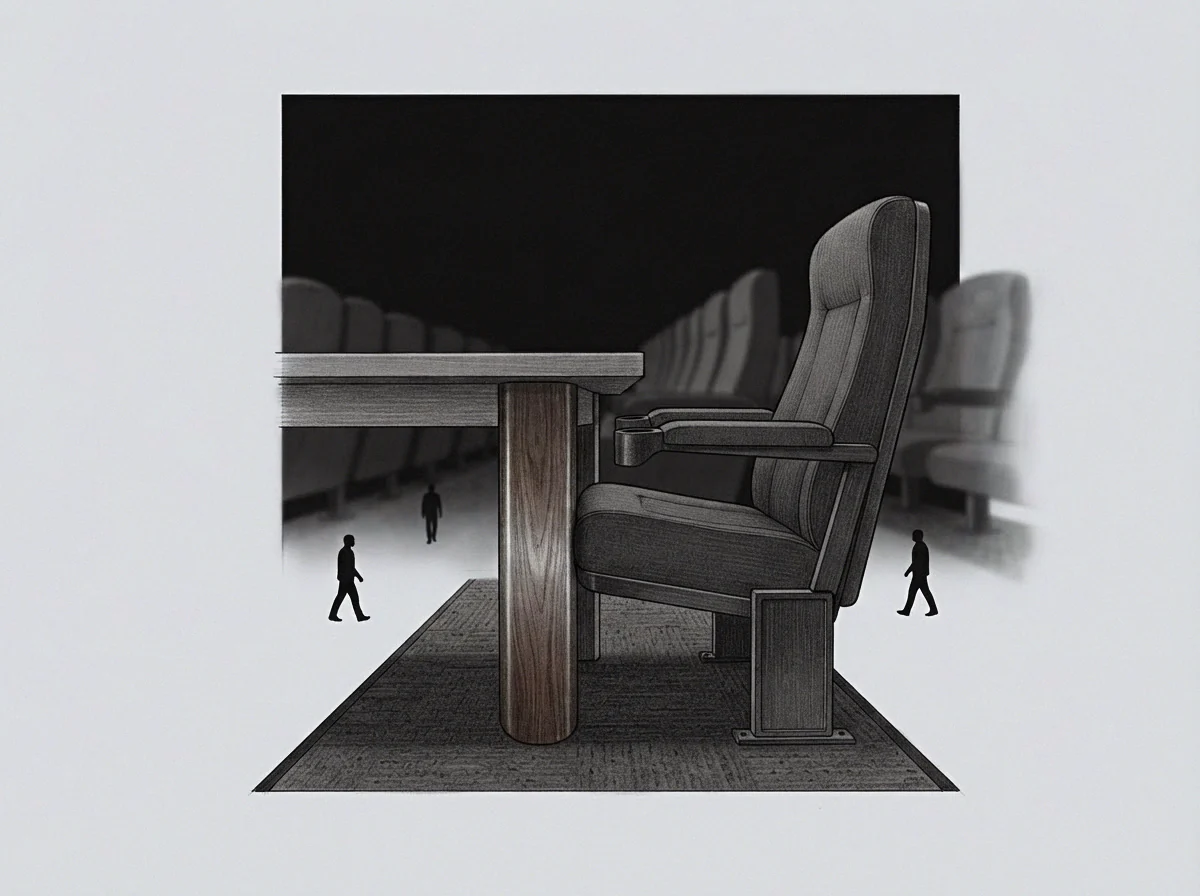
Mechanisms of Autonomic Overload in Primary Seats
Continuous exposure to unbuffered volatility forces the executive nervous system into sustained compensation modes. These physiological shifts manifest across specific behavioral and operational vectors within the governance structure.
- Cognitive Narrowing limits the bandwidth available for long-term strategic evaluation during periods of acute volatility.
- Relational Distancing occurs as the executive protects remaining energetic reserves by severing non-essential communication channels.
- Covert Contract Escalation leads to unstated expectations of reciprocal sacrifice across key operational partners.
- Somatic Decompensation manifests when physical endurance breaks under sustained sympathetic hyperarousal.
Unbuffered seats fail predictably. When an executive operates under prolonged allostatic load, internal working models of governance mutate. The leader begins to view all incoming operational requests as direct threats to personal survival.
Governance interactions transform from collaborative steering into defensive negotiation. Silence hides physiological strain. The energetic cost of holding organizational calm single-handedly depletes the executive reserve needed for creative direction and risk evaluation.
Unstated operational capacity limits generate covert contracts that inevitably default during systemic crises.
The institutional cost extends beyond the primary leader to the broader organization. Subordinate officers align their behaviors with the executive baseline state, absorbing the leader anxiety and translating it into defensive operational silos. Operational friction increases across all departments as decision-making stalls at the overburdened primary seat.
Debt demands eventual payment.
A mandatory throttling clause bound to quarterly active initiatives restores baseline autonomic capacity by capping incoming strategic friction.

Gauge
Systemic monitoring of operational friction reveals physiological overload before executive exhaustion becomes visible. Governance structures typically measure performance through output metrics, ignoring the internal regulatory price paid to deliver those outputs. Objective indicators of executive strain appear within daily operational patterns long before formal financial reporting reflects structural decay.

What Triggers Governance Intervention Before Physiological Collapse?
Early identification of executive allostatic debt requires tracking governance interactions, decision turnarounds, and operational concurrency limits. When strategic initiatives multiply beyond human cognitive bandwidth, the primary seat becomes an unbuffered bottleneck. Tracked variables highlight the structural differences between unbuffered governance and buffered institutional designs.
| Operational Criterion | Unbuffered Primary Seat | Governed Buffer Architecture |
|---|---|---|
| Crisis Absorption Mode | Direct executive autonomic regulation | Distributed proxy delegation circuits |
| Concurrency Thresholds | Unbounded parallel initiative load | Hard capped strategic priorities |
| Baseline Presence Requirements | Continuous personal availability | Scheduled operational dark windows |
| Decision Latency Tracking | Ignored until operational failure | Monitored as primary load indicator |
Systematic measurement of these variables provides early warning signals for governance boards. When decision latency spikes while communication frequency drops, the executive nervous system has entered protective conservation. Structure replaces autonomic endurance.
Monitoring these operational markers allows boards to intervene structurally rather than relying on punitive or coaching remedies after performance drops.
The precise boundary where institutional governance authority ought to override executive autonomy during early somatic stress signals remains open to dispute.
Wall
Structural protection mechanisms insulate the primary seat from unbounded operational pings. Governance architecture must construct formal boundaries that prevent raw organizational friction from reaching the primary executive continuously. Limits protect executive judgment.
Establishing hard concurrency caps on strategic initiatives protects the leader baseline capacity while maintaining institutional focus.
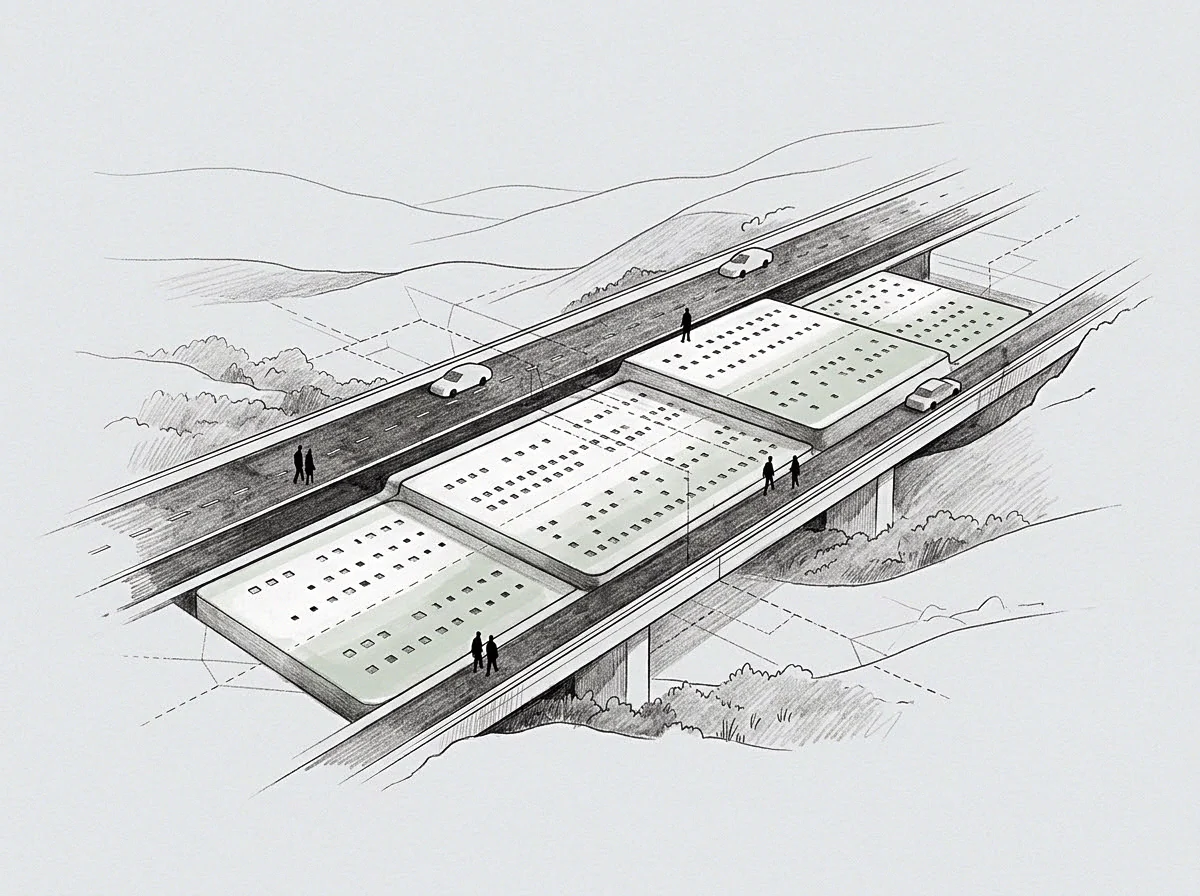
Institutional Boundary Architecture and Concurrency Limits
Implementing concrete operational boundaries requires systematic restructuring of escalation channels and decision rights within the leadership team.
- Establish a strict ceiling on simultaneous strategic initiatives active across the executive team.
- Assign explicit refusal authority to secondary leadership roles for external requests.
- Enforce mandatory off-grid recovery windows with full operational proxy transfer.
- Institute automated escalation filters that block raw operational friction from reaching the primary seat.
Boundaries alter the operational flow by forcing lower-tier leadership to resolve ambiguity locally rather than escalating every friction point upward. This shift distributes regulatory load across the leadership team, utilizing collective capacity to dampen organizational volatility. Shared presence lowers regulatory load.
The primary executive seat transitions from a universal strain absorber to a targeted strategic steering mechanism.
Boundaries preserve executive judgment when operational demands expand beyond human metabolic limits.
When these governance boundaries are firmly codified, the executive team stops treating the primary leader as an infinite energy reservoir. Institutional clarity replaces covert reliance on individual endurance. Governance absorbs systemic volatility.
The board expected continuous baseline availability regardless of the operational friction accumulated over three fiscal quarters.

Relief
Governance mechanisms that distribute load allow the primary leader to reset autonomic baselines. True structural relief relies on formal proxy delegation, co-executive roles, and structured rotation of operational responsibilities. Capacity remains strictly finite.
Updating institutional mechanics to support shared regulation alters the fundamental template of executive leadership.

Shared Regulation and the Governance Update Path
Repeated actual experiences of reliable institutional support rewrite the executive internal working model. When a leader experiences structural buffers that successfully absorb crisis volatility, the nervous system updates its threat assessment protocols. Earned security within governance structures develops as the executive learns that stepping back from continuous solo regulation does not lead to organizational failure.
Institutionalizing proxy authority ensures that operational decisions proceed seamlessly during executive recovery windows. Secondary leaders hold binding decision rights over specific operational domains, preventing ambiguity from rebounding to the primary seat. Shared presence reduces regulatory expense.
This arrangement builds institutional resilience by developing governance competence across multiple seats simultaneously.
Institutional stability increases when governance structures absorb systemic uncertainty directly.
Over time, governance models built on distributed regulation create sustainable operational environments. Executives operate with preserved cognitive bandwidth, lower allostatic debt, and enhanced strategic clarity. The organization protects its most critical decision-making assets by embedding human physiological realities directly into institutional design.
Governance structures that share systemic regulation preserve executive capacity over long operational horizons.