
Long Term Autonomic Template Adaptation Following Sustained Unassisted Operational Strain
Protracted unassisted operational strain recalibrates autonomic templates toward solitary defense, shutting down relational down-regulation receptors.
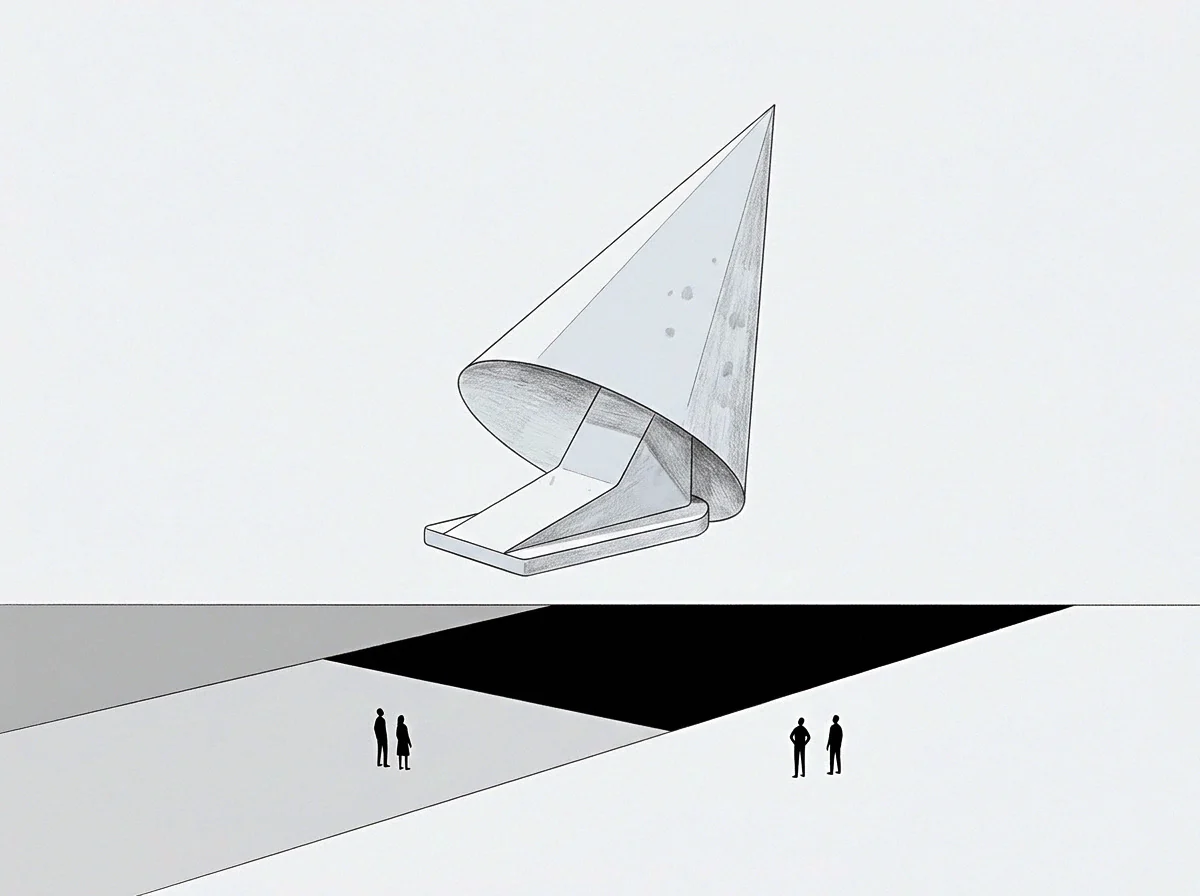
Floor
Three operational monitors glow past midnight in an empty industrial workspace while an incoming server outage alert triggers an immediate spike in vascular resistance. The lone operator tracks the drop in request volume, checks database lock states, and patches connection pools without speaking to another living person. Peripheral blood vessels constrict while core blood pressure elevates to maintain cerebral perfusion.
The human body treats solitary operational defense as an immediate survival priority, diverting glucose and oxygen to executive attention while shutting down long-term tissue maintenance.
Social baseline theory establishes that the human central nervous system calculates energy expenditure on the assumption that familiar conspecifics stand nearby. When another person is physically present and attentive, the autonomic nervous system perceives the environment as cheap to manage. The brain discounts environmental threats because proximity distributes surveillance, defense, and metabolic load across multiple biological organisms.
When an individual operates without assistance through protracted operational crises, the brain must supply every unit of monitoring and stabilization out of solitary biological reserves.
Under unassisted threat conditions, solitary autonomic regulation expends metabolic capital that social proximity routinely conserves.
The metabolic divergence between shared and unassisted strain accumulates over months of solitary responsibility. In laboratory trials where participants receive mild cutaneous shocks, holding the hand of a familiar partner attenuates activity in the neural circuits supporting threat response, specifically the anterior insula and superior frontal gyrus. The effect diminishes when the hand belongs to an unfamiliar stranger, and the neurological threat signature reaches maximum magnitude when the subject faces the trial completely alone.
The solitary condition represents the biological ceiling of metabolic expenditure. Sustained unassisted operational strain forces the neural baseline to adapt to an environment where help does not arrive.
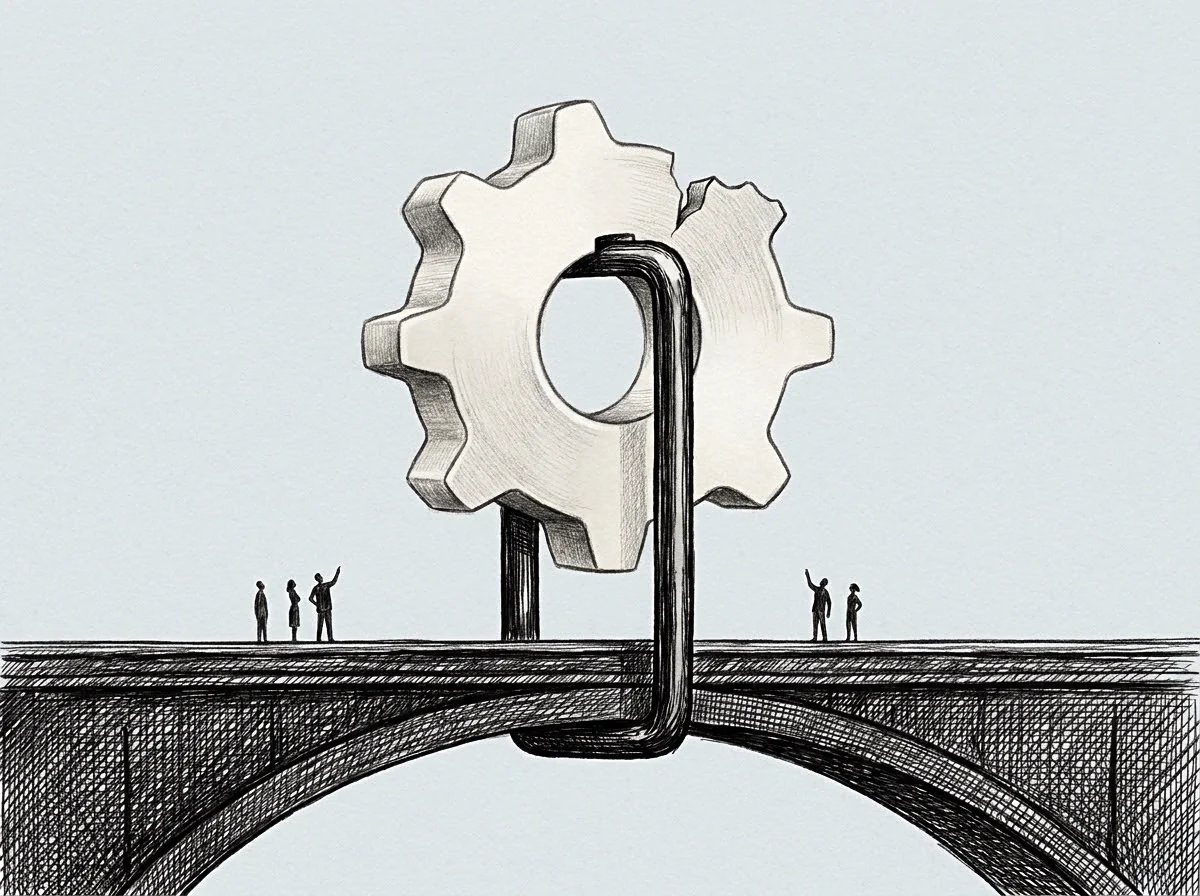
Solitary Threat Budgets And Vascular Tone
Prolonged operational survival changes resting cardiovascular markers. When an operator spends two years absorbing customer disputes, code regressions, and payroll shortfalls without an equal counterpart, peripheral vascular resistance remains elevated even during sleep. Sympathetic nervous system tone stays dominant because the baseline calculation expects unbuffered volatility at every hour.
The cardiovascular system stops dropping into deep parasympathetic deceleration because the prefrontal cortex cannot verify the physical security of the perimeter.
The organism adapts to the silence of the workspace by resetting resting homeostasis. The brain ceases budgeting for shared labor and hardens its solitary defense architecture. Cortisol secretion patterns flatten, showing reduced morning peaks and elevated evening levels.
The body pays for every minute of continuous vigilance with accelerated arterial stiffness and systemic low-grade inflammation.
Sustained operational isolation locks the vascular system into chronic defensive vigilance, eroding tissue repair and accelerating organ breakdown.
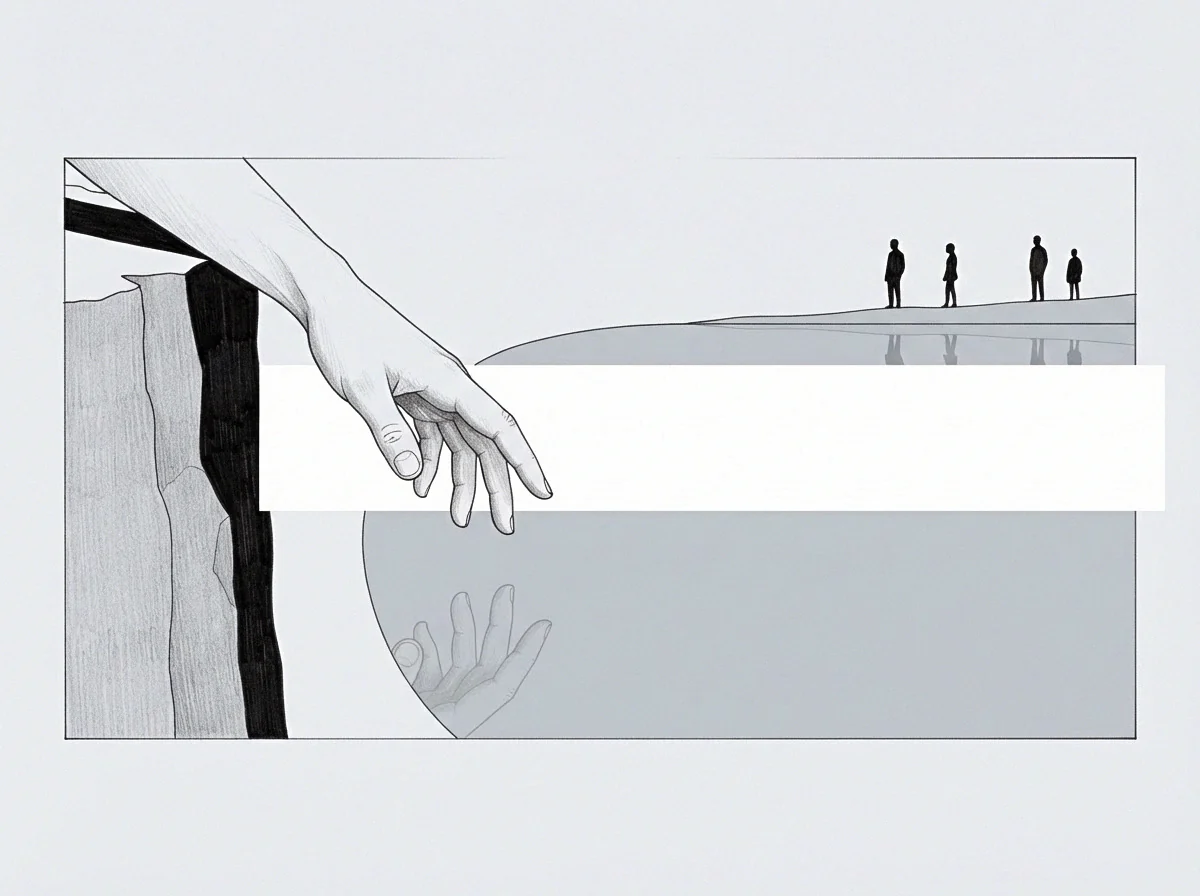
Armor
Prolonged exposure to unbuffered operational threat alters neural receptor configuration and resting sympathetic tone. The autonomic template, the implicit neurobiological model governing arousal, recovery, and relational safety, undergoes permanent structural remodeling. The brain learns that stability is a solitary production, embedding a deep neurochemical bias against autonomic deceleration.
The central nervous system treats relaxation as an operational vulnerability.
This structural remodeling centers on the recalibration of the amygdala, prefrontal cortex, and vagal complex. Under prolonged unassisted strain, the hypothalamic-pituitary-adrenal axis down-regulates mineralocorticoid and glucocorticoid receptors in the hippocampus to protect neural tissue from steroid toxicity. This neuroprotective reduction weakens the negative feedback loop that shuts down the stress cascade once an operational fire is extinguished.
The internal engine remains revved at four thousand revolutions per minute even when the machine sits parked in a quiet driveway.
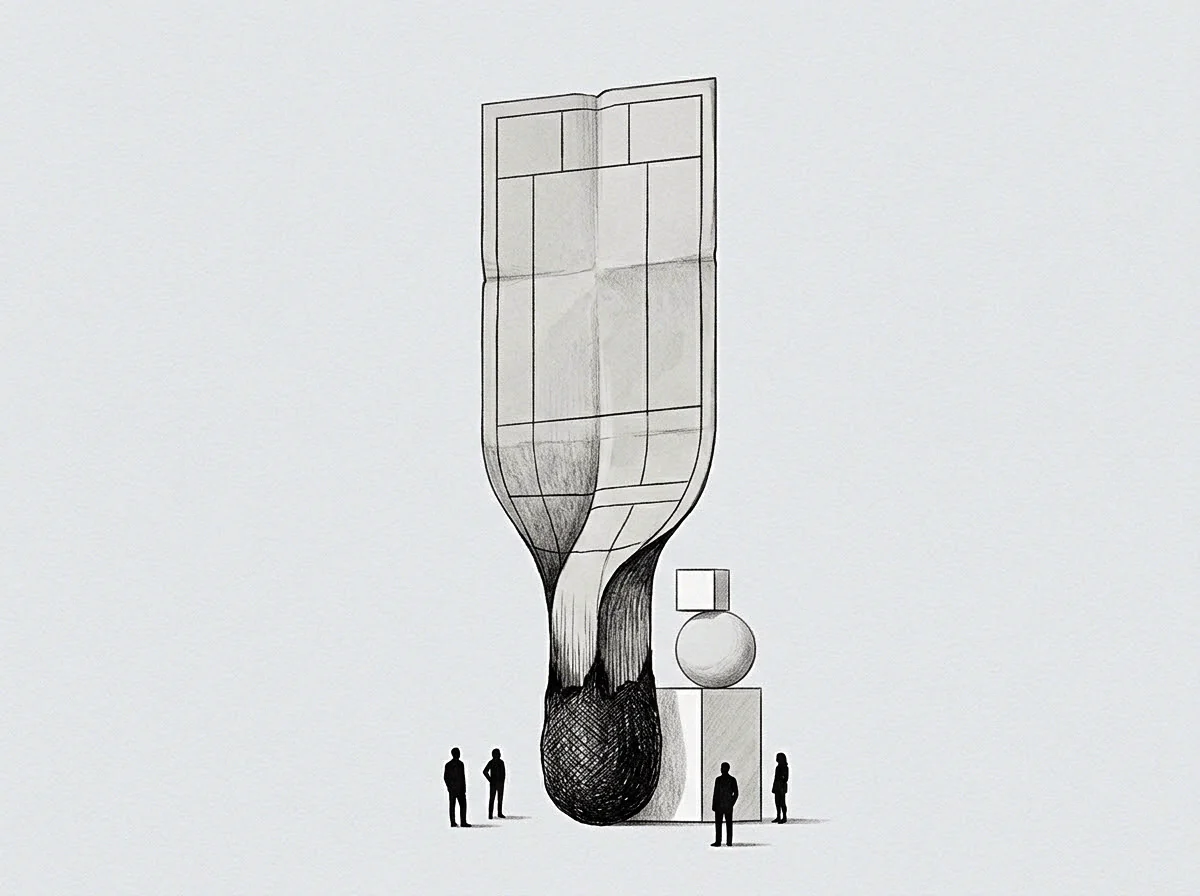
Structural Adaptations of Solitary Survival
- Autonomic set-point elevation fixes resting heart rate variability at compressed ranges, maintaining continuous sympathetic mobilization across low-threat periods.
- Attentional tunnel constriction restricts sensory intake to operational anomalies, treating ambient relational bids as low-priority operational static.
- Affective blunting sequences suppress spontaneous peripheral emotional expression to preserve metabolic glucose for continuous crisis navigation.
- Somatic receptor closure diminishes visceral response to comforting physical touch, categorizing incoming physical affection as extraneous sensory noise.
These four physical adaptations form an operational carapace that keeps an enterprise solvent during periods of extreme fragility. The person holding the company together develops a reputation for supernatural steadiness. Peers and junior colleagues view this unreactive posture as unshakeable confidence.
The steady state is an expensive physiological defense maintained by brute autonomic suppression.
A regulator proven under protracted operational threat attracts external load because biological stillness reads as inexhaustible structural capacity.
The steady posture conceals an empty tank. The individual cannot metabolize input from well-meaning team members because the internal working model contains no operational category for unearned aid. The template has restructured itself entirely around self-generated stabilization.
When peers offer sympathy or assistance, the autonomic nervous system scans the gesture for hidden operational liabilities, tracking the administrative friction of accepting help rather than the potential biological relief.
That posture reveals a person who needs nothing and can absorb whatever strain is handed to them.
Relay
Colleagues, direct reports, and commercial partners orient their own autonomic states around the person who displays no visible distress. In human groups, the nervous systems of anxious individuals naturally synchronize with the most stable physiological presence in the room. The steady operator becomes the autonomic relay for the entire enterprise, absorbing collective panic and broadcasting synthetic calm across the management table.
The staff borrows regulatory stability from the founder without registering the metabolic extraction taking place.
The direction of regulatory flow runs strictly one way. Team members arrive at operational reviews in states of sympathetic activation, discharge their anxieties across the conference desk, and leave with restored equilibrium. Their heart rates decelerate, their prefrontal cortexes regain executive function, and their peripheral skin conductance levels settle.
The person seated at the head of the table pays for their calm by sustaining continuous inhibitory control over their own physiological arousal.
| Physiological Metric | Symmetric Co-Regulation | Solitary Unassisted Strain | One-Way Baseline Anchoring |
|---|---|---|---|
| Vagal Brake Function | Dynamic modulation | Chronic tonic suppression | Continuous rigid suppression |
| Threat Budget Source | Distributed social pool | Solitary internal reserves | Internal reserves depleted by external pool |
| Heart Rate Variability | High respiratory arrhythmia | Compressed baseline | Artificially pinned during external contact |
| Relational Metabolic Flow | Bidirectional exchange | Zero input or output | Monodirectional outward drainage |
| Recovery Latency | Rapid post-event restoration | Prolonged multi-day elevation | Indefinite autonomic overhang |
The table reveals the severe physical disparity between normal collaborative work and one-way regulatory anchoring. In symmetric environments, individuals alternate between offering and receiving biological stability, allowing vagal tone to fluctuate naturally. In one-way baseline anchoring, the operator functions as an ungrounded electrical sink, absorbing excess high-voltage tension from the room without any path to discharge the load.
The Asymmetry of Borrowed Calm
The team members who leave these exchanges experience genuine gratitude, yet that gratitude rarely translates into operational relief for the anchor. Borrowed calm registers in the recipient as their own innate resilience, blinding them to the source of the stabilization. Because the anchor never grimaces, flinches, or demands emotional reciprocity, the surrounding team assumes the anchor operates without physiological cost.
The operator who absorbs institutional tension without external ventilation pays for the peace of the organization through progressive autonomic exhaustion.
Lock
The inward receptor slot for external regulation closes completely after years of uninterrupted operational exposure. When the crisis finally subsides, the business reaches steady profitability, or the company completes a liquidity transaction, the person discovers an inability to power down the machinery. The body remains trapped in an operational lock.
An afternoon spent sitting on a porch produces acute sensory agitation, muscle tightness, and an overwhelming compulsion to locate a new systemic emergency.
In heavy industrial maritime shipping, giant diesel engines running at flank speed cannot simply cut fuel to zero without cracking cylinder heads through thermal shock. The human autonomic template experiences an identical physical dislocation. The nervous system requires a steady stream of existential operational problems to justify its elevated sympathetic set point.
When the operational strain recedes, the brain interprets the absence of crisis as an ominous silence preceding an ambush.
A closed receptor slot converts an offer of interpersonal presence into an intrusive operational demand.
The domestic sphere becomes an arena of intense friction. A partner reaches out a hand on the sofa, offering warmth and quiet proximity. The remodeled autonomic template flags the touch as an anomaly.
The sensory cortex reads the input, but the subcortical regulatory circuits have lost the capacity to down-regulate heart rate and respiration in response to interpersonal touch. The operator pulls away, irritated by the physical contact, preferring the clean, predictable demands of a production incident dashboard to the terrifying ambiguity of relational holding.
Internal Working Model Inversion
Normal psychological development constructs an internal model of a responsive other who provides safety when distress strikes. Chronic unassisted operational strain runs this developmental sequence in reverse. The person constructs an internal model of the self as the sole responsive entity in an indifferent universe, while classifying every other human as an unpredictable dependent or an operational competitor.
The receptor slot for receiving support atrophies from years of metabolic disuse.
What remains unknown is the precise physiological threshold beyond which this template closure becomes biologically irreversible without direct pharmacological or somatic intervention.

Repair
Intellectual comprehension of autonomic remodeling accomplishes nothing toward its resolution. A founder can master the literature on social baseline theory, diagram every neural circuit involved in hypothalamic-pituitary-adrenal signaling, and recite the mechanics of allostatic load while remaining entirely frozen in sympathetic hyperarousal. The cerebral cortex cannot command the brainstem to reopen an atrophied receptor slot through sheer cognitive insight.
The autonomic template formed through repeated visceral experience under operational load, and it updates only through repeated somatic events in physical reality.
The update path requires the gradual formation of earned security. Earned security describes the structural restructuring of an insecure or inverted internal working model through sustained, high-fidelity relational exposure in adult life. The nervous system must encounter an environment where physical presence is offered consistently without generating administrative friction, commercial debt, or hidden operational overhead.
The early phase of template restructuring is intensely uncomfortable. When an individual who spent years regulating an enterprise alone sits beside someone who demands nothing and cannot be managed, the sympathetic system spikes immediately. The heart accelerates, the hands cool, and the impulse to flee or create an argument surges.
The individual must remain physically seated through this discomfort, allowing the unbuffered autonomic alarm to ring until it burns through its circulating catecholamines without producing an operational catastrophe.
A second person must hold ground during these episodes without retreating or attempting to fix the distress. If the companion panics, gives advice, or demands reassurance, the operator’s template snaps back into solitary defense, confirming the belief that everyone else is an operational liability. When the companion remains steady, quiet, and biologically grounded, the operator’s vagal nerve slowly registers the safety of the room.
The vascular tone softens by millimeters. The breath drops into the belly. The change is small, slow, and non-linear.
Over eighteen to thirty-six months of repeated, low-stakes relational exposure, the receptor slot begins to regrow. The individual slowly learns to lean against an external baseline rather than manufacturing every watt of emotional stabilization from internal marrow. The delta over time separates true template replacement from temporary cognitive distraction.
The operator stops pacing empty rooms at night, ceases monitoring distant server pings, and allows another person to share the weight of being alive in a volatile world.