
Physiological Stress Downregulation Versus Psychiatric Depression In Executive Leadership
Physiological stress downregulation reduces volitional capacity to protect neuroendocrine systems under unclosed executive load.

Board
Four messages sit unread on an executive display at midnight while an operational crisis resolves in a secondary channel. The chief executive officer sits in a quiet office, staring at a simple operational request that requires a fifteen-word authorization. The capacity to draft those fifteen words has vanished.
Every biological parameter measures normal on standard clinical blood panels, yet the physical act of initiating volitional action creates severe visceral resistance. The team reads this silence as executive detachment or loss of strategic vision. The executive interprets this paralysis as a personal moral failure or an onset of clinical psychiatric depression.
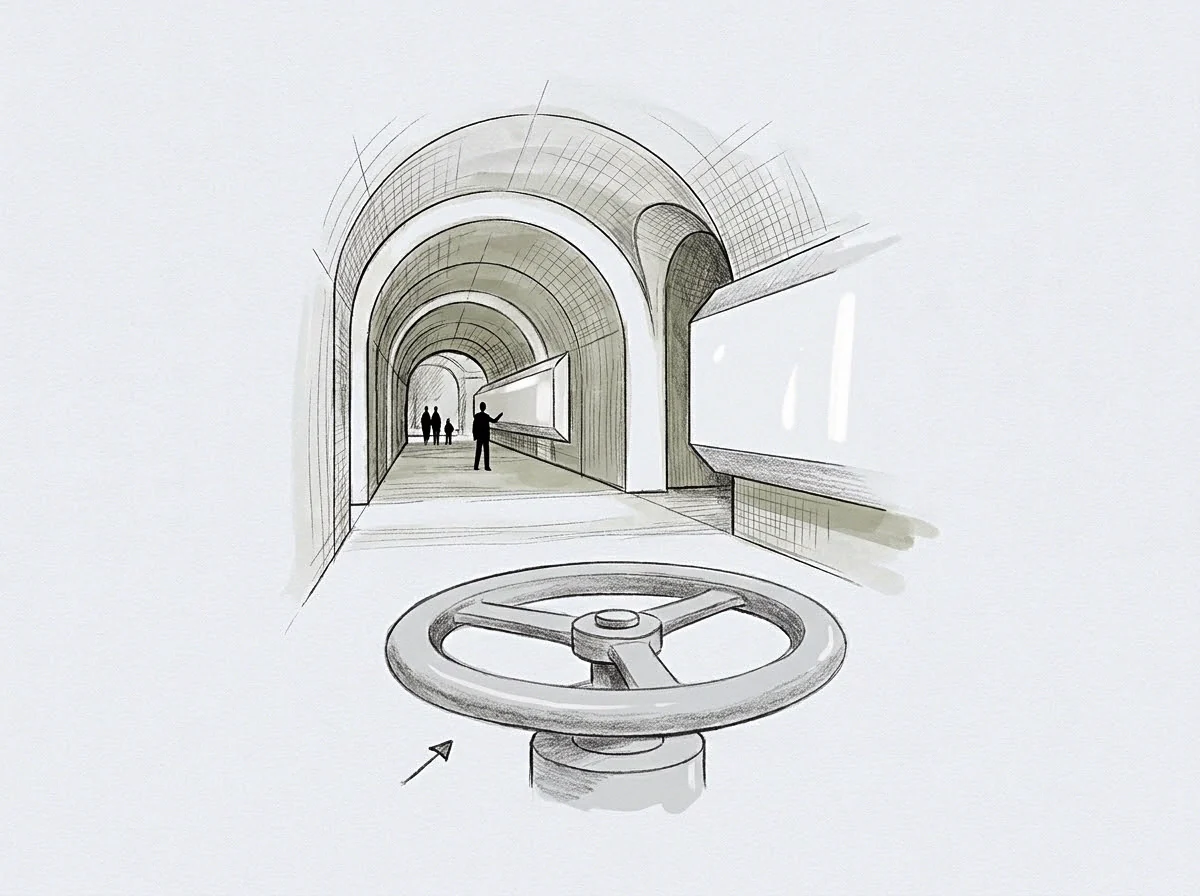
An executive seat acts as an emotional baseline stabilizer for the entire organization. When operational volatility spikes, the person in the seat absorbs systemic anxiety through sustained social co-regulation. Employees, board members, and key investors offload their regulatory demands onto the chief executive during routine interactions, maintaining continuous sympathetic nervous system arousal.
The central nervous system preserves an elevated set point to keep analytical processing online, suppressing parasympathetic recovery mechanisms for months or years without structural interruption.
The Continuous Demand for External Co-Regulation
Systemic strain builds through constant baseline demand. Human neural architecture conserves metabolic energy by distributing regulation across trusted social networks, but within corporate hierarchies that distribution runs asymmetrically. The executive acts as the primary regulatory anchor for dozens of direct reports, holding organizational coherence together during structural shifts.
High environmental uncertainty forces the continuous processing of unmitigated risk signals, leaving the prefrontal cortex unable to downshift into restorative autonomic baselines.
A founder who maintains operational responsiveness while suppressing personal physiological distress transfers regulatory stability to the organization at the direct expense of internal neural headroom.
Physiological reserves deplete under uninterrupted high-amplitude demand. The body registers the biological cost of projecting external composure while internal threat processing remains active. Cortisol secretion loses its diurnal rhythm, flattening into an elevated baseline that alters glucose metabolism and disrupts sleep architecture.
Deep delta-wave sleep decreases sharply. Cellular repair halts while metabolic waste accumulates in neural tissue, diminishing cognitive processing efficiency day after day.

Accumulation of Unclosed Communication Loops
Every unresolved operational problem occupies a distinct cognitive operational slot. An unclosed loop carries an active working memory footprint: a pending decision, an unstated contractual boundary, or an unaddressed performance conflict continuously pings the central nervous system. Project volume matters far less than open loop count.
Five major capital projects with firm deadlines and defined scope consume fewer neural resources than twenty ambiguous interpersonal commitments lacking explicit terms.
The executive seat collects these open loops automatically. When the internal slot count exceeds biological capacity, the brain initiates protective suppression. The central nervous system reduces volitional output to prevent systemic metabolic collapse, resulting in an adaptive downregulation that cuts executive drive, truncates long-range planning, and forces behavioral withdrawal.
“The commitment to the venture has dissolved because the responsiveness that defined the early years vanished overnight.”

Gauge
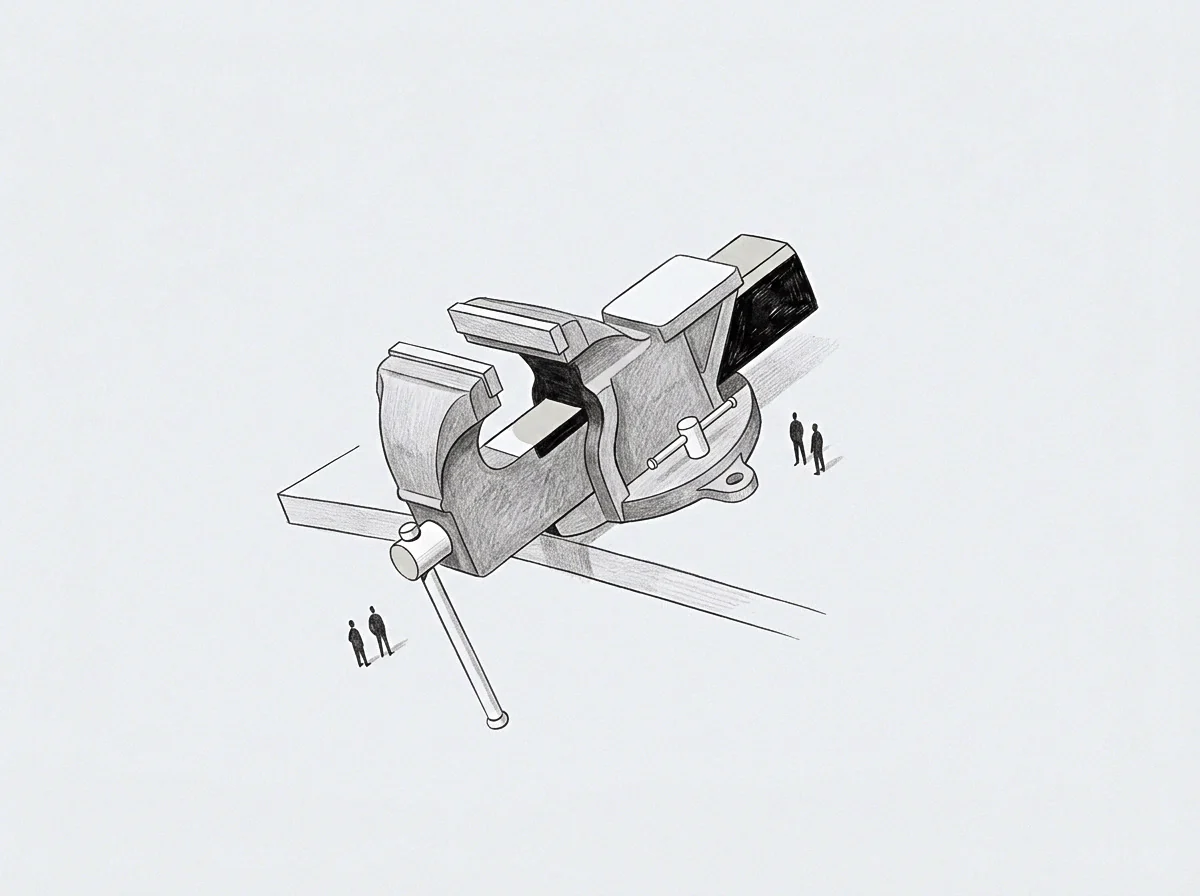
Physiological stress downregulation and major depressive disorder exhibit overlapping behavioral indicators while operating on opposite biological mechanisms. Clinical depression centers on affective pathology, hedonic deficit, and distorted cognitive self-appraisal. Physiological stress downregulation represents an adaptive neural throttle triggered by chronic allostatic overload.
An executive experiencing physiological throttling retains full hedonic capacity for non-work stimuli once cognitive demand drops to zero. Cognitive schemas remain coherent, but the motor to execute action lacks metabolic power.
Treating capacity suppression as psychiatric depression leads to mismatched interventions. Pharmacological administration of selective serotonin reuptake inhibitors alters neurochemistry without changing the underlying metabolic budget. Elevating central serotonin levels while maintaining open operational loops masks systemic fatigue signals, enabling further depletion of neuroendocrine reserves.
The executive continues operating at ceiling until severe autonomic failure forces absolute physical incapacitation.
Biochemical Distinctions in Neural Resource Allocation
Allostatic load measures the cumulative physiological wear and tear on tissues and organs resulting from chronic overactivity of adaptive stress response systems. Under sustained stress, the hypothalamic-pituitary-adrenal axis undergoes profound functional recalibration. Initial hyper-reactivity transitions into hypo-reactivity as a protective measure against systemic glucocorticoid toxicity.
Hypercortisolemia damages hippocampal tissue and impairs cognitive flexibility; downregulation of adrenal output safeguards core neuroarchitecture at the expense of volitional drive.
| Criterion | Physiological Stress Downregulation | Psychiatric Depression |
|---|---|---|
| Primary Biological Driver | Allostatic ceiling saturation and hypothalamic hypo-reactivity | Monoaminergic dysregulation and affective neural circuit distortion |
| Hedonic Capacity | Preserved when cognitive demand and social load are fully removed | Globally impaired across all contexts regardless of active load |
| Cognitive Functioning | Execution suppressed; strategic reasoning intact but metabolically costly | Pervasive cognitive distortions, self-referential guilt, structural despair |
| Systemic Response to Rest | Immediate parasympathetic rebound when open loops close completely | Minimal affective improvement from load reduction alone |
Systemic inflammation rises concurrently with chronic sympathetic activation. Pro-inflammatory cytokines cross the blood-brain barrier, signaling the brain to initiate sickness behavior. Sickness behavior is an evolved biological program characterized by social withdrawal, reduced locomotion, energy preservation, and diminished exploratory behavior.
An executive experiencing physiological downregulation exhibits sickness behavior induced by chronic neural inflammation rather than a primary psychiatric mood disorder.

Autonomic System Shift as Protective Suppression
The autonomic nervous system balances sympathetic mobilization with parasympathetic restoration. Polyvagal theory identifies distinct neurophysiological states that dictate behavioral options. Sustained operational pressure locks the autonomic system into chronic sympathetic arousal.
When sympathetic resources exhaust without parasympathetic recovery, the dorsal vagal complex engages a primitive freeze response.
When chronic allostatic load exceeds neural recovery thresholds, the central nervous system intentionally reduces volitional output to prevent systemic cellular exhaustion.
This dorsal vagal shift manifests outwardly as sudden executive apathy. Decisions that once took seconds now feel insurmountable. The brain actively inhibits initiation pathways within the basal ganglia to conserve remaining glucose and glycogen stores, throttling performance to protect core organ function.
Recognizing this state as biological preservation shifts the intervention focus from psychological reframing to immediate structural load reduction.
Treating an adaptive physiological shutdown with mood-elevating pharmacological agents without removing ungated threads accelerates metabolic exhaustion and forces acute somatic breakdown.
Drain
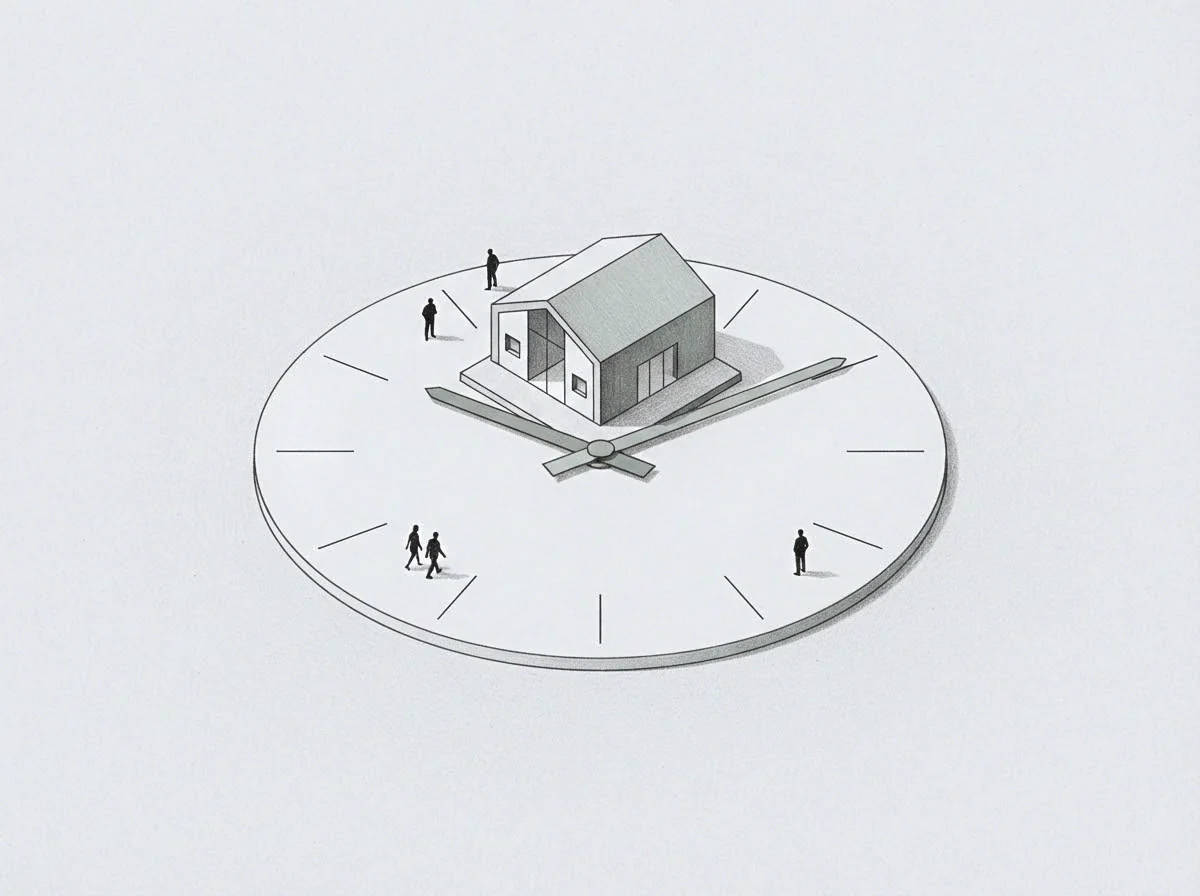
Standard recovery protocols routinely fail executive leaders experiencing physiological downregulation. Taking a ten-day vacation without closing active operational loops yields zero restorative benefit. The physical body moves to a remote location, but working memory remains saturated by open commitments.
The brain calculates threat based on active open loops regardless of geographic distance, keeping autonomic tone locked in high-vigilance sympathetic modulation throughout the absence.
Because rest does not clear state, an executive returning from leave meets hundreds of accumulated messages, immediately driving stress biomarkers back above pre-vacation ceilings. Vacation without loop closure acts as an operational pause that compounds downstream volume. True physiological restoration requires the explicit termination or structural gating of active open lines before parasympathetic reactivation can occur.

Why Does Resting Fail to Restore Executive Headroom?
Executive headroom demands cognitive slot clearance rather than simple physical stillness. Working memory operates under strict capacity limits. Unclosed operational lines act as continuous background processes in a computer operating system, consuming processing cycles and memory.
Passive rest leaves these background processes running continuously, preventing the central nervous system from shifting into deep parasympathetic repair while neural task monitoring continues unabated.
- Passive Unplugging removes structured inputs while leaving open obligations active in memory, maintaining elevated physiological arousal during forced operational absence.
- Clinical Pathologization frames an adaptive physiological throttling mechanism as a primary psychiatric defect, directing intervention toward emotional processing rather than structural load reduction.
- Indiscriminate Thread Delegation transfers execution duty without defining clear boundary conditions, creating monitoring loops that consume identical cognitive slots.
When an executive seeks clinical care, practitioners often default to standard psychiatric frameworks. Major depressive disorder criteria in diagnostic manuals rely heavily on self-reported behavioral symptoms like fatigue, executive dysfunction, and social withdrawal. These symptoms capture the behavioral footprint of physiological downregulation accurately while completely missing the underlying biological driver.
Diagnosing clinical depression based on load-induced sickness behavior leads to treatments that ignore operational architecture entirely.

Misinterpreting Capacity Preservation as Affective Pathology
The pathologization of physiological throttling creates intense secondary distress. The executive assumes that an inability to process incoming load reflects internal weakness, moral failing, or permanent cognitive decline. This secondary assessment generates self-directed shame, which acts as an added stressor and further activates the hypothalamic-pituitary-adrenal axis, reinforcing a destructive feedback loop.
An ungated communication loop retains its full cognitive slot cost regardless of physical distance from the workplace.
Disentangling primary physiological downregulation from secondary psychological distress requires structural diagnostic precision. Tracking autonomic heart rate variability provides objective feedback on systemic state. Elevated low-frequency heart rate variability combined with suppressed high-frequency parasympathetic power confirms physiological ceiling saturation.
The system requires hard operational boundaries rather than affective reframing.
How long an autonomic nervous system requires to reset its baseline sensitivity after three consecutive years of unmitigated load remains undetermined by current clinical literature.

Switch
A cognitive slot is the precise neural budget required to hold one unclosed operational line in active working memory. Human working memory manages between three and five active slots simultaneously before processing efficiency degrades sharply. Executive leaders routinely attempt to hold thirty to forty ungated operational lines open at once.
They confuse total project count with ungated loop count, operating under the assumption that multi-tasking capacity is an elastic mental discipline rather than a hard biological ceiling.
A project with defined scope, hard execution dates, and clear terms costs zero active cognitive slots when parked. An open conversation regarding strategy without firm dates or clear decision criteria consumes one full cognitive slot continuously. When all available cognitive slots sit fully occupied, incoming operational pings trigger immediate biological threat responses.
The brain experiences a routine request as an existential assault because zero working memory headroom remains to process incoming information.

Thread Architecture and Slot Allocation
The biological switching cost between open lines consumes vast amounts of cellular glucose. Every time attention moves from an unclosed operational problem to an incoming communications ping, the prefrontal cortex must unload the previous mental model and load the new operational context. This reloading process generates metabolic waste products in local neural tissue.
High switching frequency accelerates neural exhaustion, driving the central nervous system toward protective throttling long before the working day ends.
Consider an executive running a mid-stage organization with forty total projects active across engineering, sales, and capital markets. Assume twenty-five of those projects operate under clear delegation, fixed milestones, and explicit reporting schedules. Those twenty-five initiatives consume zero working memory slots during daily operations.
The remaining fifteen projects lack clear scope, carry indefinite delivery timelines, and involve ambiguous team ownership. Those fifteen ungated lines exceed the executive’s maximum biological slot capacity three times over.

Worked Calculation of Open Concurrency Limits
The maximum concurrency threshold for ungated operational loops is strict. The human brain cannot override evolutionary working memory boundaries through willpower or strategic intent.
Assume an executive possesses a baseline capacity of four working memory slots. Slot one holds an ongoing litigation threat without an agreed settlement boundary. Slot two holds an ambiguous executive team conflict regarding product direction.
Slot three holds an open capital raise negotiation lacking firm closing terms. Slot four holds an urgent supply chain disruption requiring active intervention. The executive’s cognitive slot budget is now fully saturated at one hundred percent capacity.
At 2:00 PM, an key employee sends a message requesting clarity on remote work policies. The request is simple, but zero cognitive slots remain open to process it. The executive cannot assign slot space to evaluate the request, so the incoming message sits unread.
The employee reads the silence as unresponsiveness or hostility, while the executive experiences severe physiological visceral panic. The biological system has reached its concurrency limit, forcing an immediate operational shutdown to prevent further metabolic overload.
A parked operational line with clear boundary conditions costs no cognitive slots, whereas an open thread without agreed delivery parameters consumes active neural capacity continuously.
A thread defined by explicit dates, fixed scope, and clear terms releases its slot immediately, while a thread left open for ongoing alignment retains its cognitive slot cost until explicit closure.

Tether
Restoring executive function after physiological downregulation requires hard structural interventions that close or gate active operational lines. Emotional processing, motivational coaching, and temporary operational breaks yield no lasting capacity recovery if the underlying slot load remains intact upon return. The primary move involves converting vague, continuous operational demands into explicit, bounded arrangements defined by scope, date, and terms.
Gating an open line removes its active working memory footprint. When an executive establishes explicit parameters for an open issue, the prefrontal cortex offloads the monitoring burden to external operational systems. The central nervous system registers the issue as secured, immediately lowering sympathetic arousal and freeing one cognitive slot for active execution or parasympathetic recovery.

Converting Open Loops Into Gated Contracts
Stating firm operational terms converts indefinite cognitive obligations into bounded commitments. An executive systematically audits every open line and applies strict closure parameters: an unclosed line is either completed immediately, delegated with complete loss of oversight tracking, or parked behind a hard temporal gate.
Parking an open line requires defining three mandatory parameters: explicit scope boundaries, a future trigger date for re-evaluation, and non-negotiable termination terms. If an open initiative lacks any of these three elements, the brain maintains active background tracking, keeping the cognitive slot occupied.

Establishing Hard Structural Headroom
Recovering parasympathetic baseline tone demands hard operational gates between active work windows and recovery blocks. The executive system requires complete, uninterrupted periods where zero incoming threat signals or communication pings can breach central nervous system awareness. Establishing hard structural headroom relies on sequential, disciplined operational moves executed without exception.
- Audit all current operational channels to identify every unclosed decision loop requiring active cognitive monitoring.
- Attach explicit scope boundaries, execution deadlines, and termination conditions to every active initiative.
- Transfer ownership of gated threads through unambiguous written handovers that eliminate shadow oversight.
- Enforce strict channel silence protocols during designated recovery blocks to allow full parasympathetic reactivation.
Structural gating restores executive headroom by forcing open communication lines into rigid operational containers. As cognitive slot utilization drops below biological capacity, neuroendocrine markers normalize, central nervous system inflammation recedes, and volitional execution returns naturally without primary psychiatric intervention.
A hard availability boundary stated in writing converts an indefinite cognitive obligation into a bounded operational slot, immediately restoring measurable parasympathetic tone.