
Managing Executive Stress Physiology in High Stakes Companies
Executive stress physiology shifts toward chronic depletion when solo threat appraisal continuously exceeds the biological capacity for self-regulation.

Weight
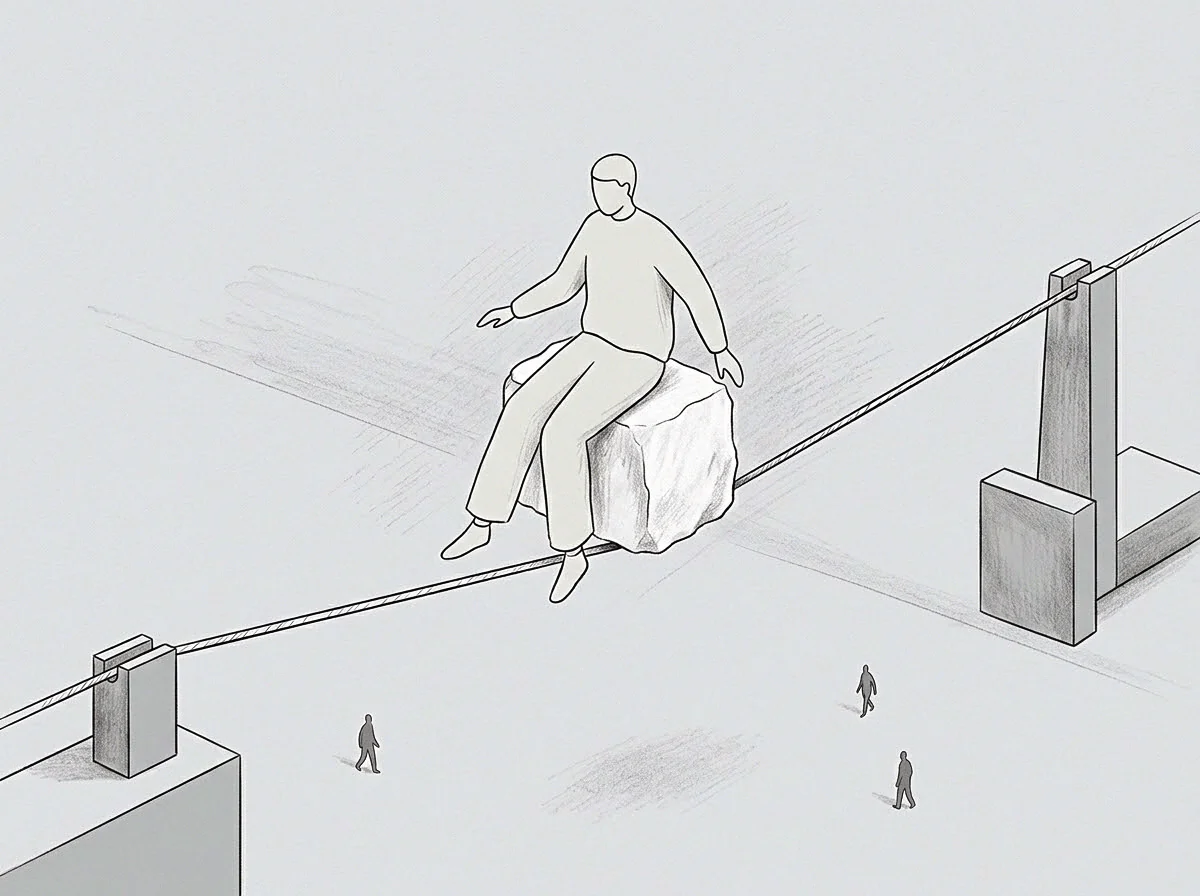
Four unread messages sit on a screen at midnight while an executive reviews a revised cap table. Heart rate stays at ninety beats per minute in an empty room. In the executive tier, threat appraisal runs continuously because the brain treats high-stakes isolation as an immediate metabolic emergency.
Under social baseline theory, the human nervous system budgets neural and endocrine resources under the assumption that social proximity is the baseline state. When an individual serves as the sole terminal point for structural risk, the nervous system shifts into solo regulation, which carries an elevated biological expense.
The sympathetic adrenomedullary axis and the hypothalamic-pituitary-adrenal axis discharge catecholamines and cortisol to mobilize glucose, raise blood pressure, and narrow attention. In acute episodes, this endocrine response aids immediate problem-solving. Across quarters of compounding organizational pressure, prolonged circulating cortisol down-regulates glucocorticoid receptors in the hippocampus and prefrontal cortex.
The baseline resets upward, creating allostatic load that degrades working memory and emotional stability.
Cortisol receptor resistance develops when metabolic demands exceed baseline recovery periods over consecutive quarters.
This shift registers through clear physical markers: persistent muscle tension across the jaw and neck, disrupted slow-wave sleep, and elevated resting heart rate variability suppression. The organization treats the executive as steady because outward operational composure remains intact. The internal physiology sustains that steadiness through systemic neuroendocrine depletion.

Cost
Allostatic Strain Across Executive Tiers
Extended hormonal activation alters autonomic vascular control and metabolic efficiency. Vagal tone, measured through respiratory sinus arrhythmia, reflects the capacity of the parasympathetic nervous system to slow heart rate once a threat stimulus clears. Suppressed vagal tone indicates that the heart’s braking mechanism is offline.
The executive remains locked in a high-energy mobilization state during quiet operational intervals.
The biological cost appears across several regulatory domains:
- Vascular Resistance increases through prolonged peripheral vasoconstriction, driving sustained elevations in systemic arterial pressure.
- Glycemic Dysregulation manifests as stress-induced hepatic gluconeogenesis and progressive peripheral insulin resistance.
- Sleep Architecture Degradation involves the reduction of restorative slow-wave delta sleep alongside elevated nocturnal core temperature.
- Immune Signaling Alterations produce systemic pro-inflammatory cytokine expression, specifically interleukin-6 and tumor necrosis factor-alpha.
These biological shifts erode strategic decision-making. Prefrontal cortex hypofunction impairs divergent thinking and cognitive flexibility, locking the executive into repetitive, defensive choices. When physical reserves drop, risk calculation narrows toward immediate threat mitigation rather than multi-year value creation.
The systemic toll compounds quietly until clinical exhaustion or cardiovascular pathology interrupts operational continuity.

Room

The Physiology of Shared Threat
Social baseline theory reveals that proximity to a trusted counterpart alters autonomic threat calculation. In functional neuroimaging experiments measuring threat response to electric shock, holding the hand of a known, reliable partner reduces activation in the anterior insula, dorsal anterior cingulate cortex, and brainstem. Solo regulation demands substantial prefrontal glucose utilization.
Shared regulation delegates that burden to relational proximity, reducing the biological cost of maintaining composure.
| Physiological Metric | Solo Executive Regulation | Co-Regulated Executive Tier |
|---|---|---|
| High-Frequency Heart Rate Variability | Suppressed below normal baseline | Maintained within restorative parameters |
| Salivary Cortisol Awakening Response | Elevated with prolonged flattened diurnal curve | Normalized morning peak with steady decline |
| Prefrontal Metabolic Demand | Continuous high glucose consumption | Distributed cognitive and neural expenditure |
| Inflammatory Cytokine Profile | Elevated systemic circulating markers | Baseline homeostatic ranges preserved |
High-stakes executive environments often eliminate this natural buffer. The person at the top regulates the anxieties of board members, direct reports, and investors while operating without a peer in the immediate setting. The absence of a lateral regulatory partner turns high-stakes management into an unsupported physiological effort.
A reliable physical presence in the room reduces prefrontal threat signaling during commercial crises.
When the executive lacks a reciprocal partner to absorb operational shock, the body treats every strategic uncertainty as an isolated survival threat.

Hand
Who Absorbs the Operational Shock?
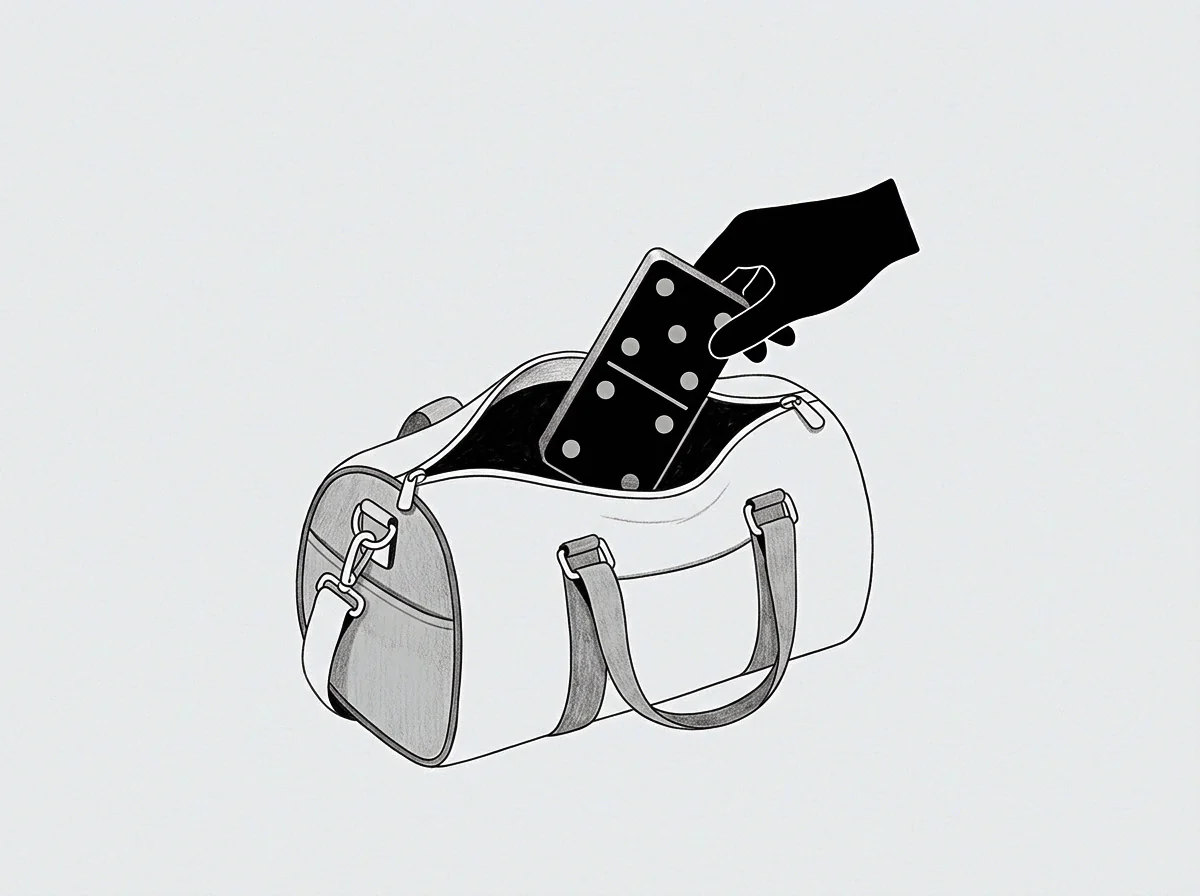
High-stakes leadership roles select for individuals with an established pattern of backward regulation. In this developmental pattern, an individual learns early to stabilize the emotional state of others to secure environmental predictability. Their internal model centers on being the sole regulator, with no practical template for receiving regulatory support from another person.
They step into corporate leadership well equipped to project steadiness under pressure.
This operational strength carries a structural defect: the absence of a receptor slot for support. When a board member, co-founder, or advisor offers operational or personal assistance, the input registers as friction or potential interference rather than as a stabilizing resource. The executive declines the offer and absorbs the operational strain alone.
An executive who acts as the sole baseline for others accelerates their own neuroendocrine depletion.
The organization interprets this refusal of support as endurance. Subordinates bring increasingly complex dysregulations to the executive desk, looking for borrowed calm from a leader who appears unaffected by the stakes. The leader provides that regulatory stability, absorbs the autonomic capacity cost in isolation, and confirms the organization’s belief that executive capacity is infinite.
The arrangement holds until the body’s physiological reserves run out.
Limit
Establishing Biological Safeguards
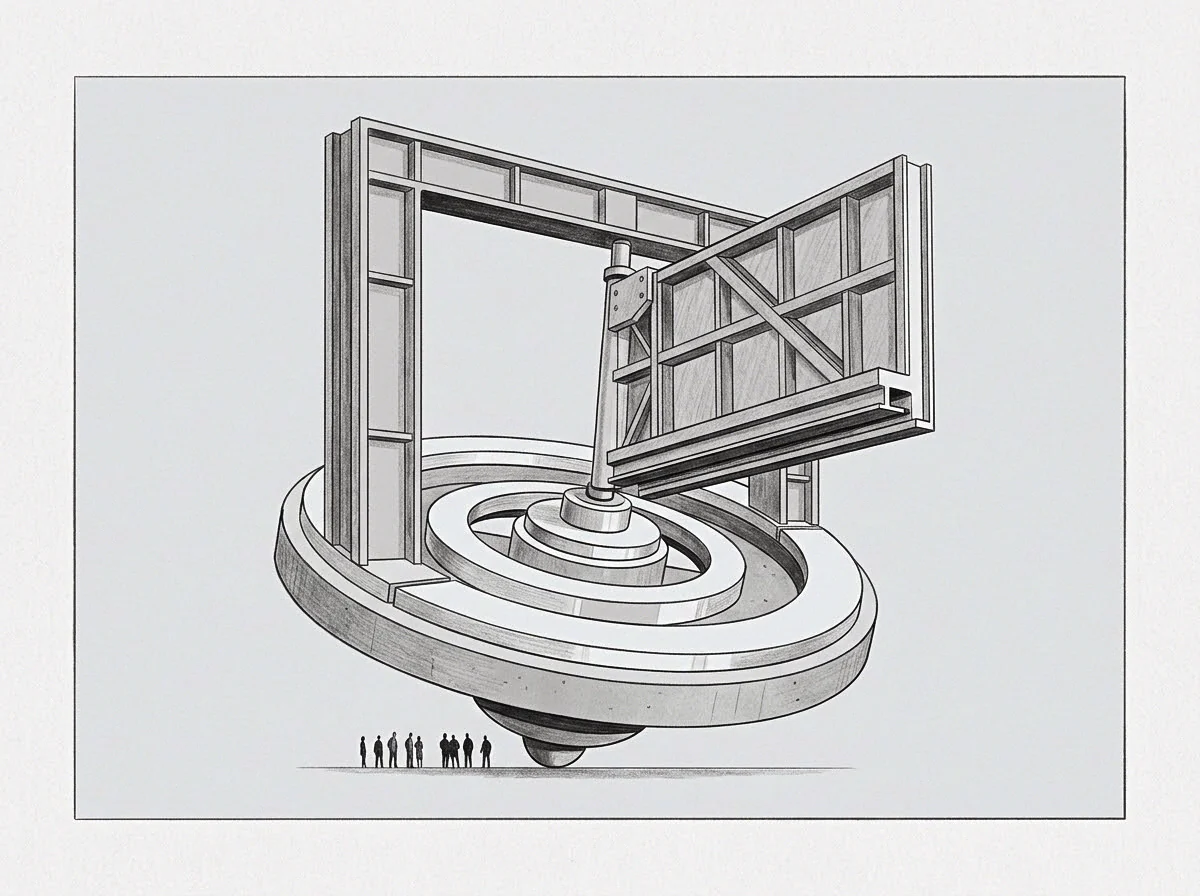
Modifying executive physiology requires structural interventions in the operating model rather than psychological tactics. Cognitive insight into stress mechanisms leaves autonomic activation untouched; only structural limits and somatic shifts alter the underlying neuroendocrine budget. The executive establishes physiological sustainability by altering how communication and operational authority flow through the organization.
- The leader implements an asynchronous communication barrier that stops incoming operational notifications twelve hours before the morning strategic window.
- The operational structure distributes final sign-off authority across an executive committee, ending single-node systemic exposure.
- The executive builds a lateral advisory cadence with peers who carry equivalent commercial exposure and demand no emotional regulation.
Repeated exposure to lateral co-regulation forms earned security, building a second relational template over time. As the executive experiences reliable presence without having to stabilize the counterpart, the brain updates its baseline assumption, reducing resting vigilance.
The nervous system relearns how to budget resources under genuine commercial load without defaulting to destructive physiological compensation.