Meaning
Glucocorticoid signaling regulates metabolic homeostasis and physiological stress adaptation across mammalian tissues. Adrenal glands synthesize cortisol in response to adrenocorticotropic hormone stimulation from the anterior pituitary gland. The biochemical pathway mobilizes glucose reserves and modulates vascular tone during acute cognitive or physical challenges.
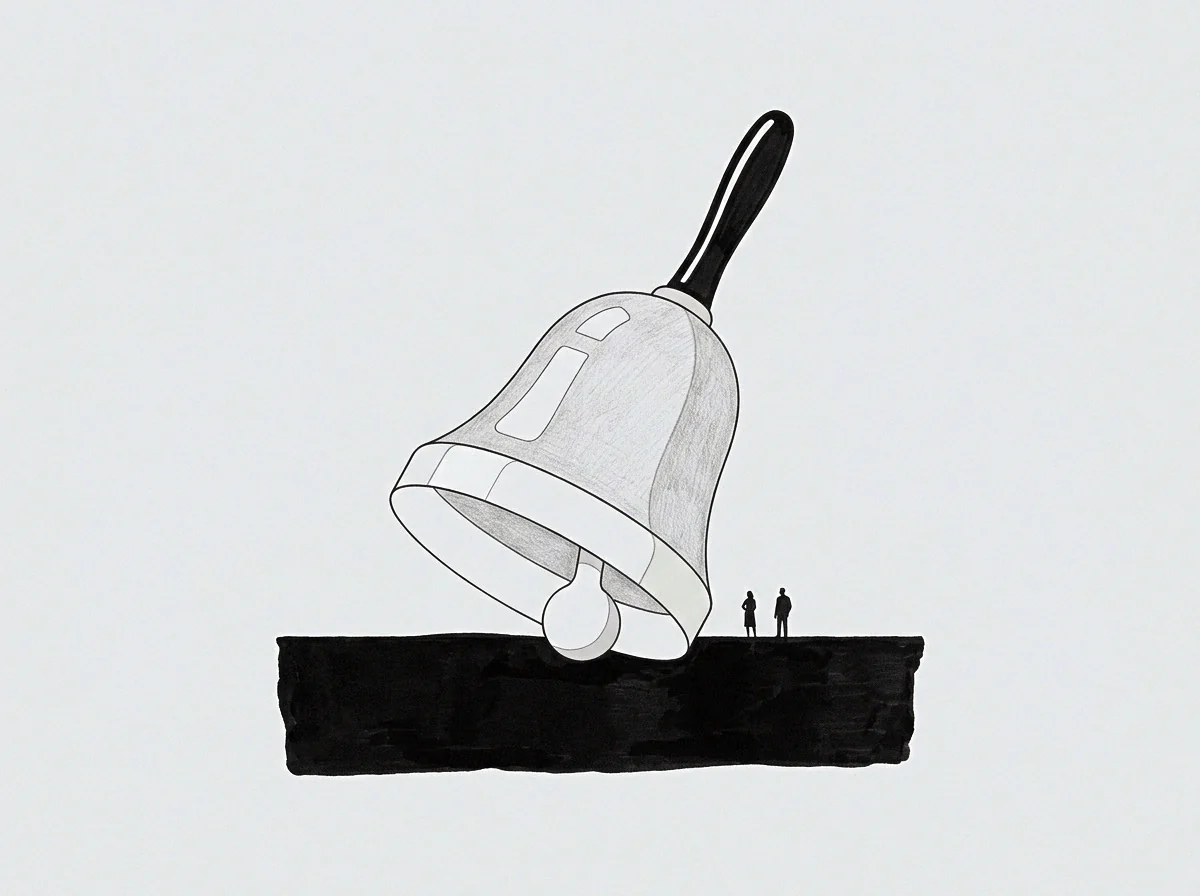
Chronically elevated systemic concentrations define the point where normal adaptive stress responses transform into tissue damage.
Endocrine Dynamics
Circadian rhythms govern baseline hormonal production through hypothalamic pituitary adrenal axis feedback loops. Elevated cortisol levels alter metabolic prioritisation by stimulating gluconeogenesis in liver tissue while inhibiting peripheral glucose uptake. Acute stressors trigger rapid hormonal spikes that optimize immediate physical survival mechanisms at the expense of restorative maintenance.
When stress triggers remain continuously active, negative feedback loops desensitize biological receptors, disrupting circadian secretion patterns. Prolonged receptor desensitization leads to blunted morning awakening responses and flattened diurnal slopes across extended work periods.
Physiological Cost
Sustained glucocorticoid exposure degrades structural tissue integrity and suppresses adaptive immune responses. Chronic elevation of circulating stress hormones contributes to muscle catabolism and hypertension while impairing neurogenesis within hippocampal networks. Cognitive processing speed declines under persistent metabolic overload, restricting strategic clarity and emotional control.
Energy costs accumulate as cellular maintenance mechanisms remain chronically underfunded.
Systemic Baseline
Biological recovery requires predictable periods of low physiological demand to restore receptor sensitivity. Restoring endocrine balance depends on reducing chronic psychosocial stressors below the activation threshold of the adrenal cortex. Lower baseline hormone concentrations restore normal cellular regeneration and immune response patterns.
Long-term health maintenance requires physiological downtime to normalize diurnal secretion curves.