

How Inverted Internal Working Models Sabotage Mutual Founder Regulation
A partner conditioned to regulate others treats incoming support as an operational threat, converting shared presence into solitary metabolic strain.
A partner conditioned to regulate others treats incoming support as an operational threat, converting shared presence into solitary metabolic strain.
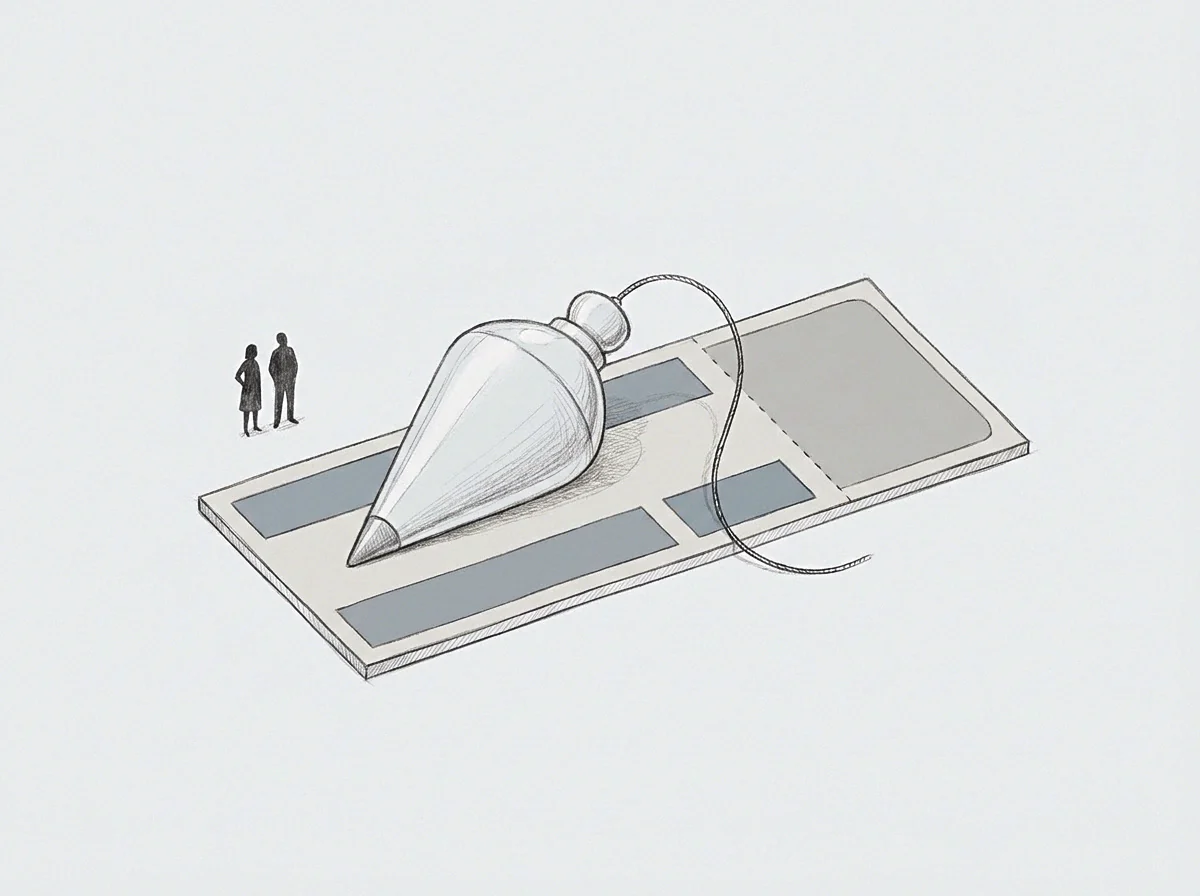
Internal working models update when repeated physical co-presence without operational demand lowers the metabolic cost of neural threat regulation.
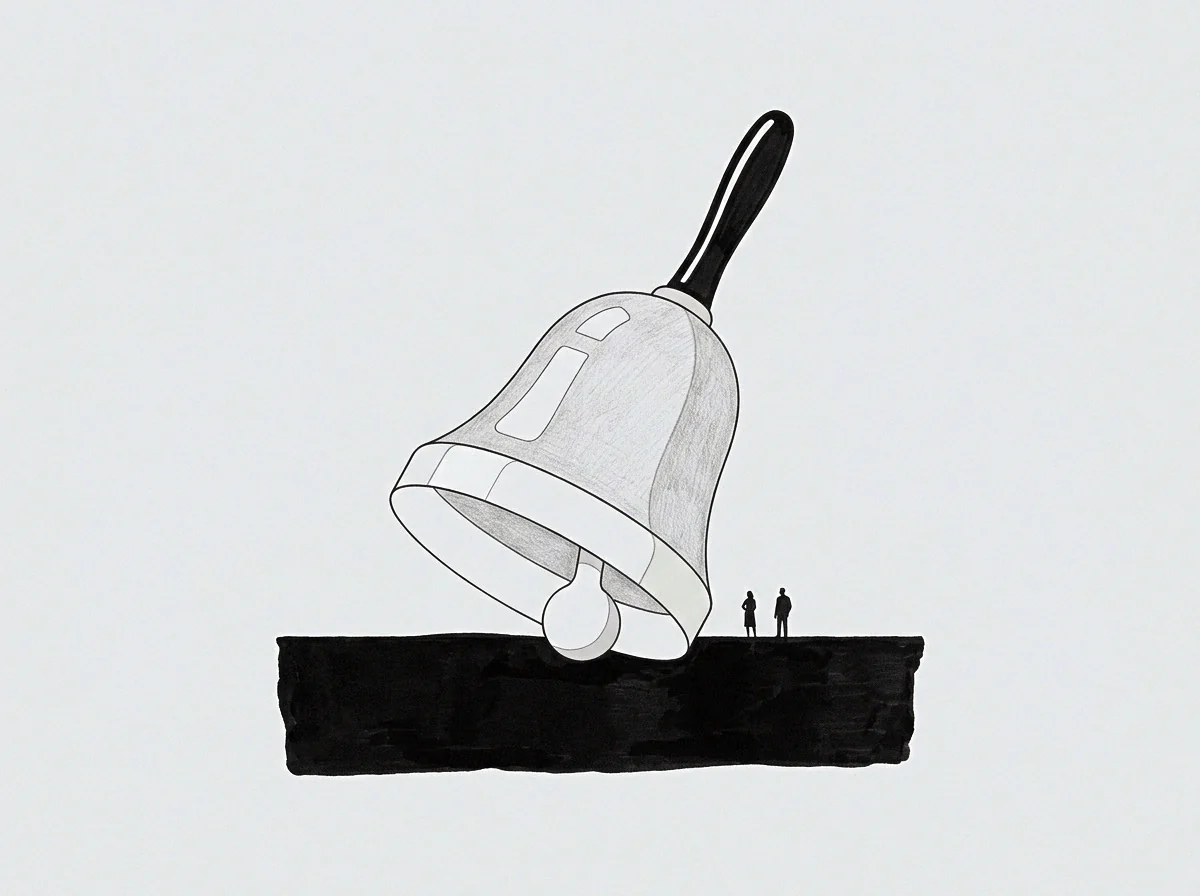
Social baseline theory demonstrates that human brains delegate threat regulation to trusted peers, lowering metabolic costs while increasing load on leaders.
The terms are written where they belong. Each field holds three desks, and every entry a desk writes raises the terms it uses, each term given a meaning, a mechanism and the places it appears. The record on these pages stays first person and hand made; the fields grow the nomenclature.