
Measuring Allostatic Strain inside High Stress Executive Leadership Teams
Allostatic strain in executive teams accumulates when sustained physiological demand lacks relational buffering and structural recovery windows.

Gauge
Three unread messages sit on an executive screen at midnight while a fourth board request arrives by email. The room is quiet, yet the person sitting at the desk experiences a racing pulse, tight breathing, and persistent cognitive tightness. This physiological state reflects the physiological price of adaptation under unrelenting demand.
Allostatic strain names the cumulative wear and tear on the body and neuroendocrine system when stress responses remain activated without resolution. Executive leadership teams operating in high demand environments frequently function in states of elevated basal arousal, mistaking physiological chronic distress for operational urgency.
Load accumulates silently.
When high demand persists across quarters, the nervous system adjusts its set points to maintain vigilance. This adaptive effort carries a precise metabolic expense. Heart rate variability drops, nocturnal sympathetic activity remains elevated, and systemic inflammatory markers slowly rise.
Executive teams rarely detect these shifts during standard operational reviews. Instead, the physiological strain manifests as micro-irritations, shortened decision horizons, and an inability to down-regulate during brief operational lulls.

Physiological Baseline and Executive Demands
Initial exposure to institutional pressure triggers an adaptive neuroendocrine response designed to mobilize energy reserves. Cortisol and catecholamines flood the system, sharpening focus and facilitating rapid resource reallocation. In healthy operational cycles, this activation declines once the immediate stressor resolves, permitting parasympathetic recovery to restore baseline physiological state.
Continuous high stress environments disrupt this recovery curve entirely. The body remains stuck in continuous mobilization, exhausting physiological reserves and lowering the threshold for subsequent threat activation.
The body keeps tally.
Inside an executive team, individuals attempt to mask these physiological signals to project stability. This masking effort itself demands additional metabolic resources. Self-regulation under high load consumes glycogen and exhausts prefrontal executive function, leaving less capacity for complex strategic analysis.
Teams that fail to account for this underlying biological debt experience compounding operational friction, elevated turnover at senior levels, and degraded long-term execution.

Drain
Quantifying physiological strain within executive teams requires evaluating objective biological data alongside behavioral proxies. Standard diagnostic tools used in occupational settings often capture subjective sentiment rather than underlying physiological exhaustion. Biological markers provide an unvarnished assessment of systemic stress load.
Physiology governs the room.
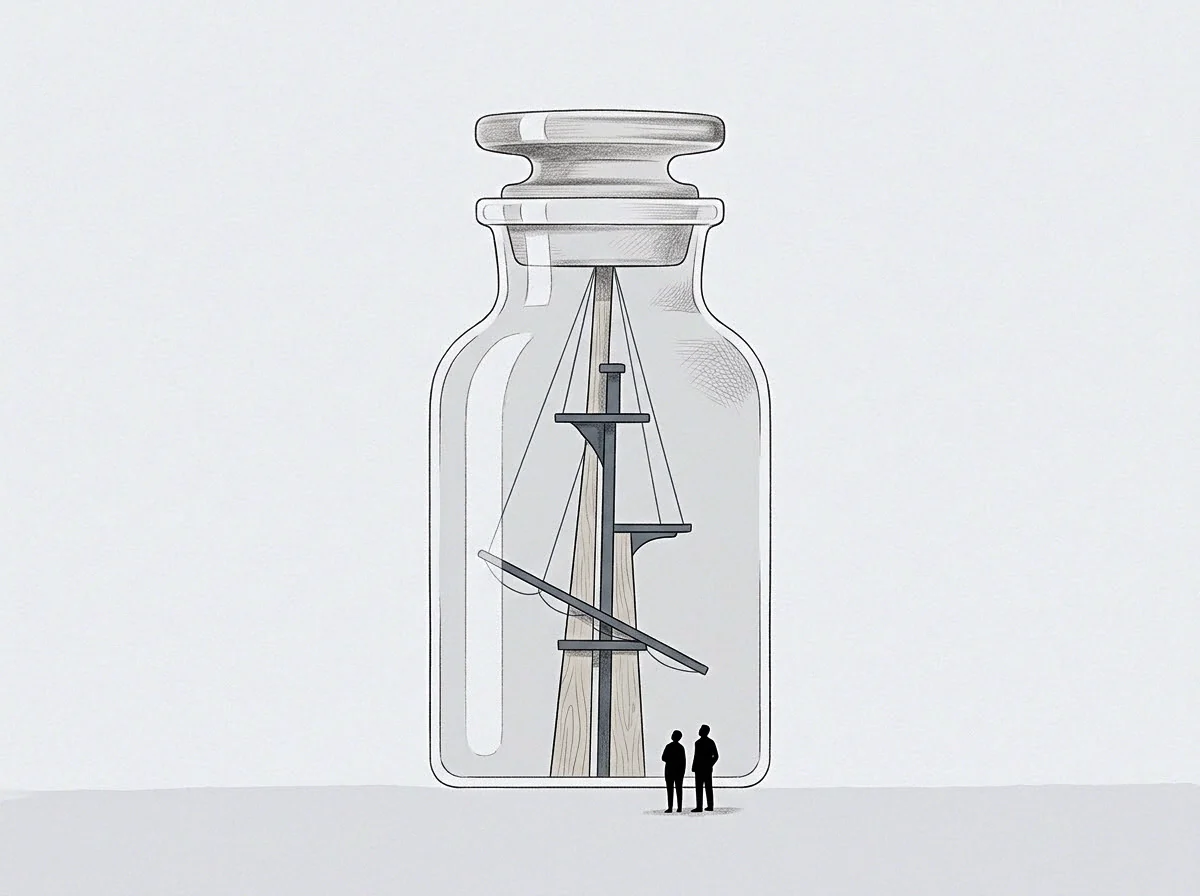
Tracking the balance between sympathetic mobilization and parasympathetic recovery reveals how deeply an executive team has drawn down its biological reserves. When biological recovery falls below minimum thresholds across consecutive weeks, decision quality breaks down predictable lines.
Salivary cortisol elevations exceeding baseline by forty percent correlate with a twofold increase in risk aversion during capital allocation.
Monitoring neuroendocrine markers alongside operational outputs demonstrates the direct cost of unmanaged strain. Salivary cortisol profiles, specifically the cortisol awakening response, indicate whether an individual retains the capacity to meet daily cognitive demands. A flattened awakening curve signals neuroendocrine exhaustion, whereas an excessively elevated response reflects hyper-vigilance.
Similarly, reduced heart rate variability during rest states demonstrates a dominant sympathetic drive and diminished parasympathetic buffering capacity.
Mapping Neuroendocrine Markers to Operational Friction
Biological markers correlate directly with observable behavioral shifts across the leadership suite. Executive team members experiencing heavy biological strain exhibit distinct operational patterns that signal systemic exhaustion before financial metrics show distress.
| Measurement Metric | Physiological Marker | Behavioral Manifestation | System Cost |
|---|---|---|---|
| Autonomic Balance | Low nocturnal parasympathetic power (HRV) | Hyper-reactivity to minor operational deviations | Heightened friction during routine alignment meetings |
| HPA Axis Function | Flattened Cortisol Awakening Response | Morning cognitive fatigue and delayed task initiation | Postponed strategic decisions and reliance on default choices |
| Inflammatory Load | Elevated systemic C-Reactive Protein | Sustained emotional withdrawal and reduced empathy | Breakdown of informal communication channels across seats |
| Sleep Architecture | Suppressed slow-wave sleep duration | Impulsive risk assessment and impaired working memory | Elevated error rates in multi-variable financial models |
Reserve capacity drops.
Continuous monitoring of these dual indicators allows an organization to identify physiological distress before operational failures occur. Relying exclusively on financial performance to evaluate team health guarantees that physiological strain remains invisible until catastrophic burn-out forces an empty seat.
Unmanaged nocturnal cortisol spikes reduce next-day cognitive headroom before the first decision arrives.
When an executive contract specifies mandatory availability without defined biological recovery windows, the biological debt compounds rapidly across the entire leadership layer.
Buffer
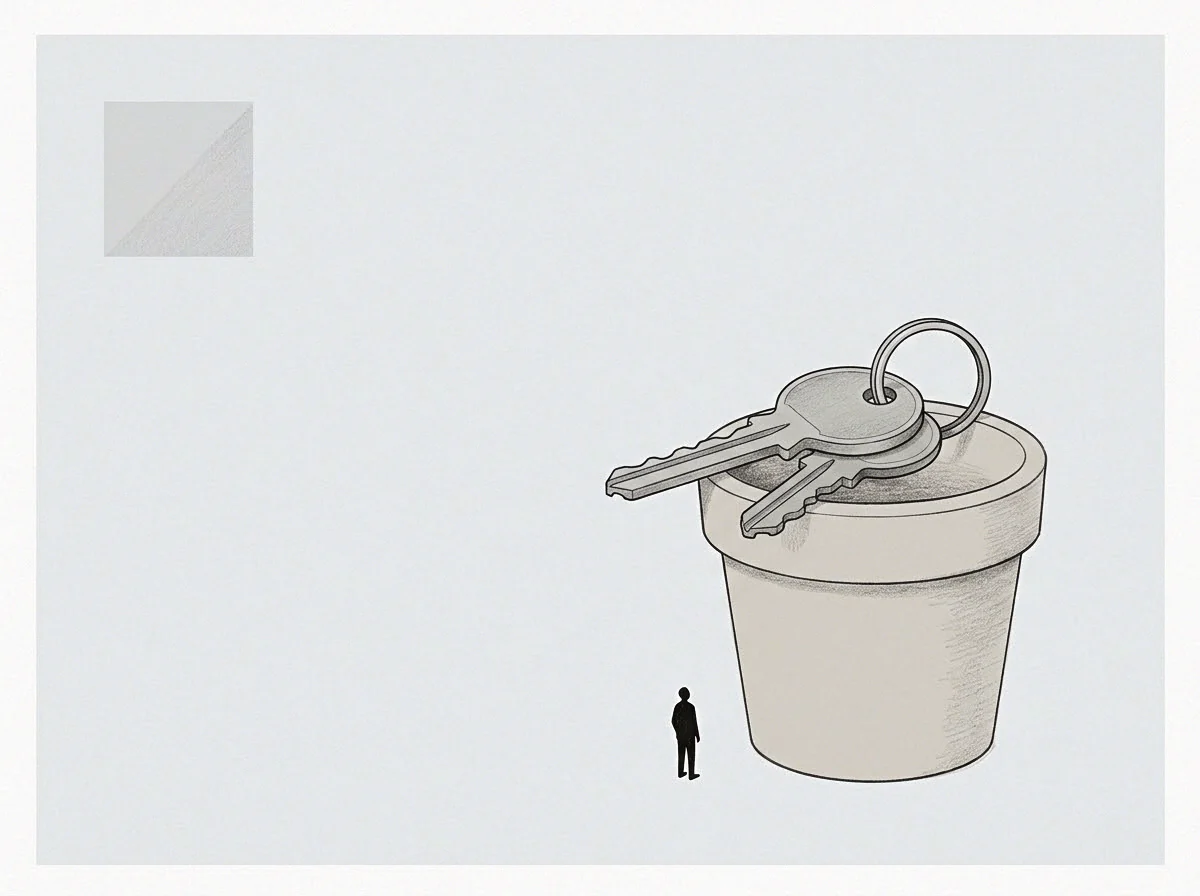
Human nervous systems do not operate in isolation; they continuously sample the physiological states of nearby individuals to calibrate threat. Social baseline theory establishes that proximity to a reliable, calm individual lowers the neural cost of environmental regulation. In executive teams, this mechanism manifests as borrowed regulation, where team members stabilize their own internal state by anchoring to a steadier colleague.
This relational buffering allows a team to sustain high output under pressure without escalating individual stress responses.
Proximity alters regulation.
However, this regulatory economy carries an asymmetric strain. The steady individual who serves as the physiological anchor absorbs the regulatory burden of those around them. When multiple team members rely on one person for emotional and cognitive stabilization, that anchor person’s physiological reserves drain at an accelerated rate.
Teams that rely on a single steady member for calm eventually deplete that member’s reserve capacity.
Consider a typical arrangement where two key leaders build an enterprise over three years. Assume the chief operating officer holds operational stability while the founder absorbs external market and investor volatility. The founder routinely returns from high-pressure negotiations to seek regulatory stabilization from the operator.
The operator provides a steady presence, absorbing the founder’s hyper-arousal. Over time, the operator’s own receptor slot for receiving calm remains completely empty, as no party in the room regulates for them. The operator’s physiological metrics deteriorate quietly, despite appearing entirely composed during internal reviews.

Relational Co-Regulation inside High Demand Seats
Relational buffering functions effectively only when regulatory debt is distributed across the leadership suite. When regulatory transfer remains strictly one-directional, specific failure modes emerge across the team structure.
- Regulatory Monopolization occurs when one leader consistently exports their anxiety to colleagues without offering stabilization in return.
- Asymmetric Absorption describes the scenario where an operator continuously absorbs team friction while lacking a responsive partner to down-regulate their own nervous system.
- Covert Capacity Collapse happens when an anchor leader suddenly reaches biological exhaustion after months of projecting calm, surprising peers who mistook baseline absorption for infinite capacity.
- Relational Withdrawal manifests as a steady leader creates distance to protect remaining metabolic reserves, leaving the surrounding team without a stabilization anchor.
Threat perception narrows.
The cost stays hidden.
A steady leader eventually expresses that they cannot continue carrying the room’s emotional climate while executing their primary operational duties.

Skew
Sustained allostatic load alters the neural architecture responsible for evaluation, choice, and risk assessment. When an executive team operates under continuous physiological debt, threat evaluation mechanisms dominate over long-term strategic analysis. The brain prioritizes immediate threat resolution over long-range positioning, compressing decision horizons from years down to weeks or days.
Heart rate variability declines predictably when social proximity fails to buffer continuous cognitive demand.
This physiological compression creates predictable distortions in capital allocation, talent management, and strategic trade-offs. Leaders experiencing severe allostatic strain display an exaggerated sensitivity to short-term loss alongside an inability to process complex, multi-variable opportunities.

What Shifts in Decision Latency Under Cumulative Debt?
As biological reserves deplete, executive decision latency follows a distinct trajectory characterized by paralysis or reckless acceleration.
- Initial overload causes hyper-analysis, where leaders demand endless data points to delay commitment under perceived threat.
- Depletion triggers cognitive exhaustion, forcing leaders to adopt rigid binary framing to simplify choices.
- Final collapse produces impulsive execution, where choices are made rapidly simply to terminate the uncomfortable state of uncertainty.
The strain spreads fast.
The internal working model of an exhausted leader reverts to self-preservation patterns formed during early career stressors. Rather than utilizing shared team capacity, the leader isolates, micromanages, or delegates retroactively when projects fail. This behavioral shift signals that the individual’s cognitive bandwidth is fully occupied by biological regulation, leaving minimal headroom for complex governance.
What structural indicators reveal that an executive team’s decision-making has become a product of collective neuroendocrine exhaustion rather than rational market analysis?
Reset
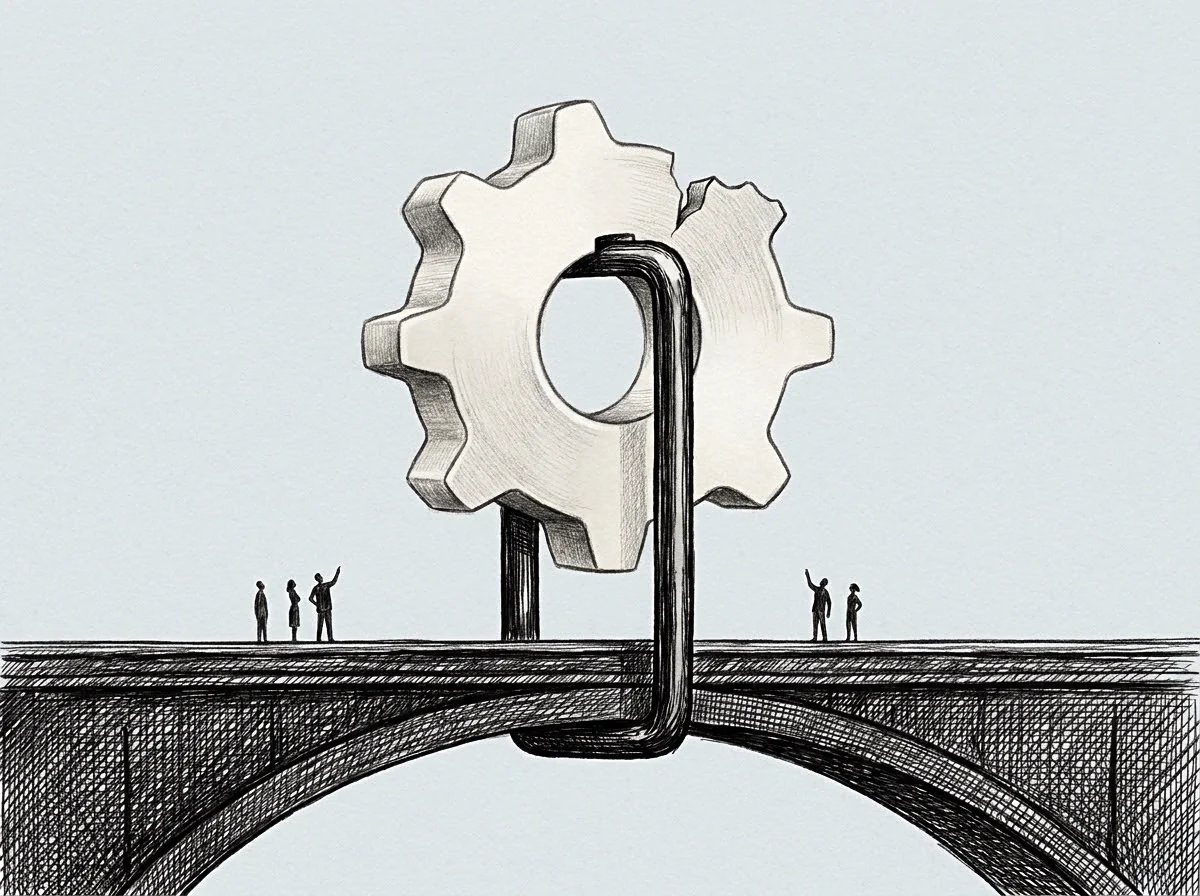
Addressing allostatic strain inside high stress leadership teams requires moving beyond individual self-care directives toward structural adjustments to the team’s operating model. Individual resilience initiatives fail when the underlying organizational design continuously extracts biological reserves faster than physiological recovery permits.
Silence masks exhaustion.
Structural intervention begins with implementing explicit concurrency limits on executive work streams. Limiting the number of high-stakes initiatives running simultaneously reduces the total cognitive and emotional load placed on the leadership suite. Furthermore, teams must establish formal recovery windows that permit full parasympathetic reactivation, ensuring that nocturnal rest restores physiological baseline capacity.
Recovery takes time.
Sleep restores headroom.
Updating the team’s operational baseline demands modifying how information and strain flow through the leadership structure. Developing earned security within the executive dynamic involves establishing predictable patterns of mutual stabilization, ensuring that no single leader bears the burden of acting as the sole regulatory anchor for the organization.
When leadership teams construct clear structural boundaries around availability and workload, they protect the neuroendocrine health of their senior talent. This physiological protection directly preserves the strategic clarity, risk assessment capacity, and operational durability required to steer complex organizations through persistent uncertainty.