
Long Term Regulatory Capacity Recovery Protocols Under High Systemic Operational Strain Across Leadership Layers
Long term regulatory capacity recovery requires structural organizational baffles and latency buffers that physically isolate nervous systems from continuous operational escalation.

Wear
Four terminal sessions remain active on a secondary display at two in the morning while unresolved production notifications accumulate. The executive sitting before them has answered seventy urgent queries since dawn, arbitrated a compensation deadlock between technical leads, and rewritten an infrastructure commitment before a board convene. The operational posture appears stable from outside.
The speech remains measured, decisions arrive with nominal latency, and the quarterly delivery dates remain fixed. Inside the organism, sustained sympathetic activation has saturated circulating catecholamines and suppressed the diurnal cortisol decline. High systemic operational strain forces the nervous system to maintain emergency tone across months.
The screen remains active. Executive capacity behaves like an electrical bus running at ninety-eight percent load, where any transient spike collapses line voltage across every downstream component.

Autonomic Depletion Under Continuous Escalation
Prolonged exposure to unhedged organizational exposure forces continuous prefrontal arbitration. When systemic strain persists across leadership echelons, the physiological system shifts from standard reactive compensation into chronic allostatic adjustment. Cardiovascular tone stays elevated, inflammatory markers trend upward, and parasympathetic tone drops below the baseline needed for rapid tissue restoration.
The physical consequence registers as cognitive tunnel vision. The nervous system restricts attention to immediate threats, discarding peripheral data and forward planning horizons. A founder in this state reads complex structural trade-offs as acute disruptions, shortening decision intervals and reacting to secondary symptoms rather than root architectures.
Sustained sympathetic activation blunts prefrontal inhibitory control once circulating glucocorticoid clearance rates drop below the rate of ongoing operational escalation.
Endocrine clearance takes hours of complete down-regulation that active operations never permit. When incoming demands arrive continuously, metabolic waste products in neural tissue clear sluggishly, sleep architecture fractures, and slow-wave restoration drops below seventy minutes per night. The physiological bill arrives later.
The leader continues executing critical tasks through compensatory neuroendocrine recruitment, drawing on adrenergic reserves that masking agents and stimulants temporarily release.
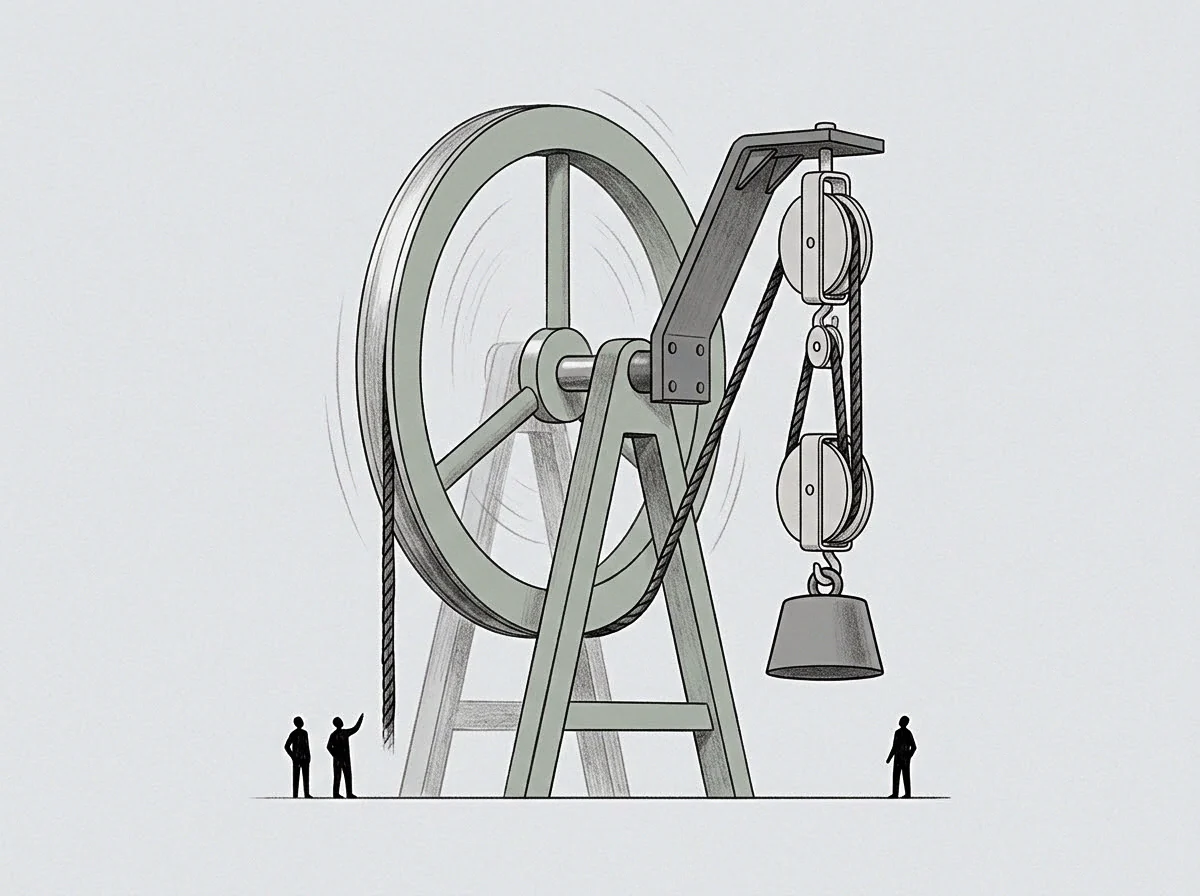
The Misattribution Of Protective Throttling
Output stops abruptly. The central nervous system initiates protective inhibition to prevent tissue damage when metabolic strain threatens homeostatic integrity. Observers outside this seat routinely misread this biological governor as clinical affective collapse or motivational drift.
The leader stops answering non-critical transmissions, delegates decisions with blunt finality, and displays an unyielding emotional flatness during operational reviews. Throttling constitutes an adaptive protective response by an overloaded biological machine rather than a failure of will. The organism shuts down non-essential computational circuits to preserve basic regulatory functioning under crushing external weight.
Treating this conservation state as psychological detachment produces catastrophic operational interventions. Boards and executive coaches frequently prescribe recreational retreats or motivational recalibration, ignoring the physical exhaustion of central nervous system resources. When the throttled executive returns to identical operational topologies, systemic collapse accelerates.
The body enforces limits. Misinterpreting biological preservation as emotional surrender leads to punitive management interventions that accelerate total leadership incapacitation across the enterprise.
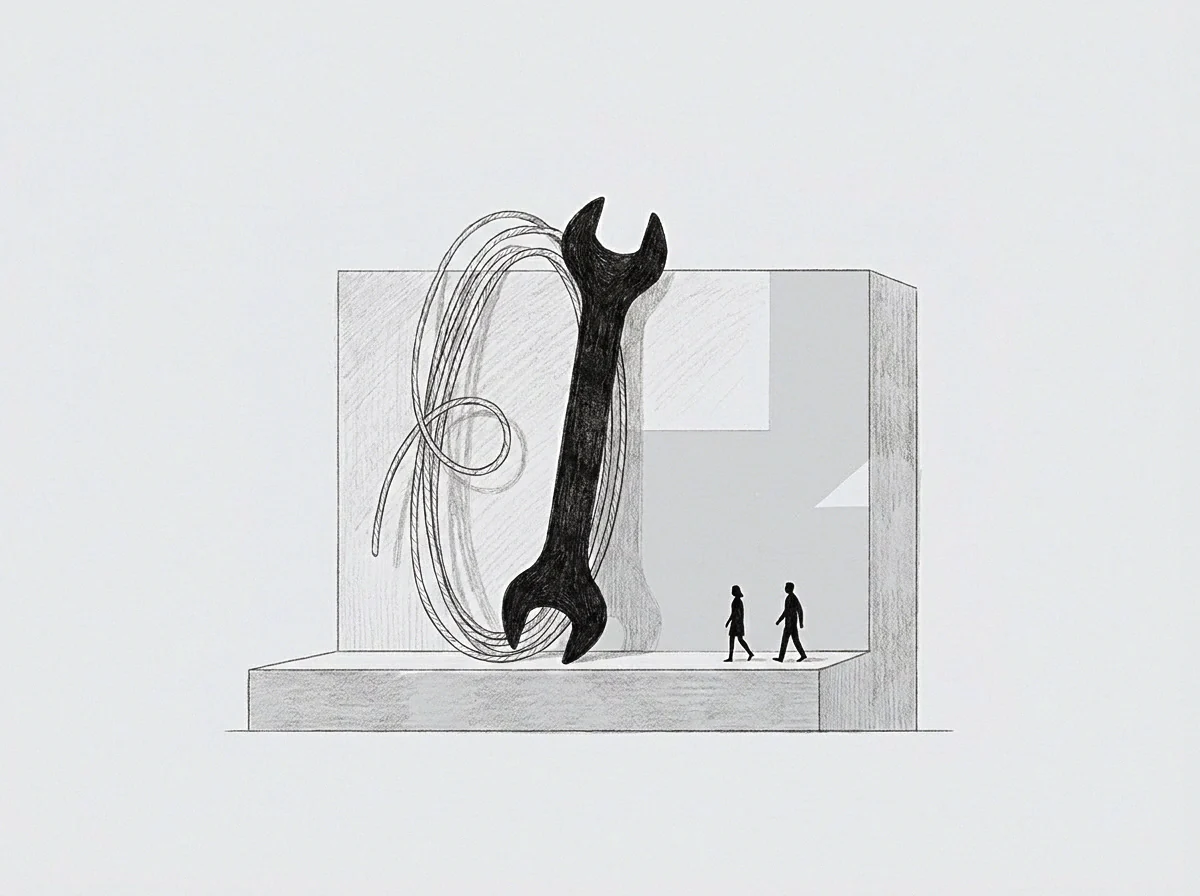
Seat
Positional authority dictates the distribution of systemic shock throughout an enterprise. An officer occupying an executive desk absorbs ambiguities that subordinate managers lack context to interpret, serving as a biological transformer between capital markets and daily execution. When systemic strain increases, this role becomes an ungrounded conductor.
Stress physiology demonstrates that regulatory capacity within hierarchical groups functions as a collective property, governed by social baseline mechanics where subordinate echelons borrow nervous system stability from the tier above them. A compromised executive tier radiates volatility downward, eroding the regulatory reserves of department directors and line leaders within business quarters.

Transmission Across Hierarchical Tiers
Instability cascades down administrative lines through altered communication cadences and erratic prioritization. An executive experiencing allostatic saturation stops providing predictable behavioral cues, shifting between micro-management and total communicative absence. Department directors spend unbudgeted cognitive reserves guessing executive intent and constructing defensive reporting artifacts.
The operational ledger records nothing. This anticipatory anxiety consumes prefrontal bandwidth that directors need for team coordination, forcing them into defensive conservation postures.
A leadership layer operating at allostatic ceiling transmits volatility downward by forcing subordinate managers to spend regulatory reserves on organizational self-defense.
Mid-level managers inherit unresolved cross-functional friction without receiving decision latitude to eliminate its causes. Tension travels downward. They sit between executive demands for unyielding delivery and front-line operational attrition, absorbing double the interpersonal conflict while lacking sovereign control over resources.
Their autonomic reserves deplete faster than those of senior officers who retain executive authority. The resulting systemic friction destroys organizational predictability.

The Absorption Deficit In Mid Tier Management
Operational managers possess narrower buffers against continuous volatility than senior partners who hold significant equity and sovereign strategic latitude. A division lead cannot unilaterally renegotiate client contracts, alter burn targets, or pause enterprise delivery roadmaps. When executive strain forces sudden shifts in corporate objectives, the operational layer bears the frictional labor of reorganization.
Mid-tier leaders absorb interpersonal distress from rank-and-file contributors while simultaneously shielding senior leaders from operational panic, exhausting their regulatory reserves without mechanism for replenishment.
| Operational Parameter | Executive Leadership Tier | Operational Director Tier |
|---|---|---|
| Primary Allostatic Source | Solvency ambiguity and governance friction | Resource deficits and conflicting directives |
| Discretionary Authority Latency | Unbounded tactical flexibility | Constrained structural compliance |
| Mean Ungated Loop Volume | Twenty to thirty strategic ambiguities | Ten to fifteen cross-team deadlocks |
| Social Baseline Role | Primary regulatory source for the firm | Transmission damper and translation buffer |
| Failure Signature | Protective operational throttling | Voluntary resignation and burnout |
Silence replaces deliberate coordination. Mid-tier operators shut down horizontal collaboration channels and defend their specific silos when regulatory capacity fails. The operational layer ceases resolving minor edge cases informally, escalating small discrepancies back up the command chain.
The executive receives a surge of operational trivia at the precise moment their personal cognitive headroom has reached absolute zero, completing a destructive systemic feedback cycle.
The company demands more presence while simultaneously eliminating every operational condition that permits clear thinking.

Baffle
Physical isolation of mechanical circuits prevents thermal runaway in high-output energy systems. Human administrative systems demand identical physical decoupling mechanisms when sustained operational strain threatens executive layers. Recovery protocols cannot succeed if an officer remains continuously exposed to real-time inputs.
Long-term restoration demands the construction of organizational baffles that filter, delay, and gate communication flows, isolating the leader from continuous systemic friction while basic biological rhythms re-establish baseline homeostatic ranges.

Could Operational Decoupling Arrest Cascading Depletion?
Decoupling operational authority from absolute operational awareness halts the cascading depletion of executive stamina. An executive who processes every incoming ping maintains an unclosed cognitive circuit that prevents autonomic recovery. Restoring regulatory stamina demands strict structural gating, enforcing latency between operational events and executive inspection.
The organization establishes clear thresholds where operational anomalies resolve through pre-authorized decision trees rather than executive arbitration. A parked task costs zero. Shielding the nervous system from continuous alerts allows prefrontal circuits to exit emergency fight-or-flight postures.
Field data confirms that true autonomic recovery occurs only when cognitive loops close completely. A thread marked with specific review dates, explicit scope, and stated handoff criteria ceases to consume working memory slots. Open inquiries consume working memory.
An unclosed operational problem burns metabolic energy continuously, even when a leader sits away from their desk, degrading sleep quality and prolonging high circulating cortisol.

Structural Isolators And Latency Buffers
Restoring executive function under systemic strain requires institutional barriers against spontaneous operational interrupts. The implementation of structural isolation mechanisms enforces operational distance between strained leadership layers and real-time enterprise turbulence:
- Asynchronous Transmission Gates convert immediate verbal escalations into structured written memoranda, imposing a four-hour mandatory delay that forces operational directors to verify assumptions before interrupting executive attention.
- Decoupled Authority Enclaves delegate explicit financial and hiring bands to operating directors without requiring executive signature, eliminating seventy percent of transactional escalation loops during critical recovery windows.
- Absolute Communication Quarantines mandate complete disconnection from digital channels between seven in the evening and seven in the morning, terminating nocturnal anticipatory monitoring.
Long-term recovery protocols remain entirely ineffective until communication architecture enforces multi-hour latency buffers between operational incidents and executive review.
These structural dampers preserve executive attention for non-delegable strategic dilemmas. Establishing explicit latency boundaries prevents daily operational noise from overwhelming delicate restorative physiological processes across senior leadership.

Gated Escalation Channels
Operational interruptions must meet rigorous evidentiary criteria before breaching the executive buffer. The organization deploys an operational gatekeeper, typically an experienced chief of staff or chief operating officer, empowered to reject vague escalations. Every escalated issue must arrive with three potential resolutions, an explicit economic cost projection, and a documented statement of why existing policy fails to resolve the friction.
Filtering operational input through rigorous templates protects executive working memory from chaotic administrative noise.
The operational protocol establishes that unvetted requests for executive guidance trigger automatic refusal and return to the sender for structured completion.

Reserve
Restoring depleted neural substrates follows inflexible biochemical trajectories. An executive operating under severe chronic strain cannot regain baseline prefrontal regulation through brief weekend disconnections or superficial recreational diversions. Rebuilding autonomic headroom, replenishing neurotransmitter pools, and normalizing downregulated adrenal receptors demands months of systematic energetic protection.
Long-term protocols view regulatory headroom as a finite biological asset requiring deliberate reinvestment, precise load shedding, and structural pacing across entire operational quarters.

Vagal Regulation And Endocrine Clearance Rates
Autonomic regulation rests upon healthy vagal tone, measurable via high-frequency heart rate variability during rest. Chronic occupational strain degrades vagal braking efficiency, leaving the heart and peripheral nervous system locked in sympathetic dominance. Glucocorticoid levels drop gradually.
Restoring parasympathetic efficiency demands persistent rhythmic entrainment, adequate non-REM slow-wave sleep, and the total cessation of nocturnal adrenaline spikes. Restoration demands biological time. The endocrine clearance of chronic systemic distress cannot accelerate through sheer willpower.
Restoration profiles exhibit three distinct phases during systematic load shedding:
- Acute Metabolic Quiescence marks the initial three-week phase where profound exhaustion unmasks itself as adrenaline drops, requiring massive increases in physical sleep and total insulation from complex strategic debates.
- Prefrontal Bandwidth Reconstitution spans weeks four through twelve as executive focus, working memory capacity, and emotional self-containment return to functional baseline levels.
- Systemic Structural Resiliency emerges after three consecutive months of regulated operational cadence, allowing the nervous system to handle episodic spikes in external tension without collapsing into protective throttling.
Autonomic recovery protocols fail when organizations mistake the exhaustion unmasked by initial adrenaline clearance for clinical deterioration.
Prematurely terminating the recovery cycle during the acute quiescence phase guarantees catastrophic relapse. When the initial burst of artificial energy subsides, inexperienced leaders panic, assuming their operational capacity has deteriorated permanently. They re-engage high-stress tasks to prove their competence, immediately re-triggering sympathetic saturation and wiping out early neurological recovery.
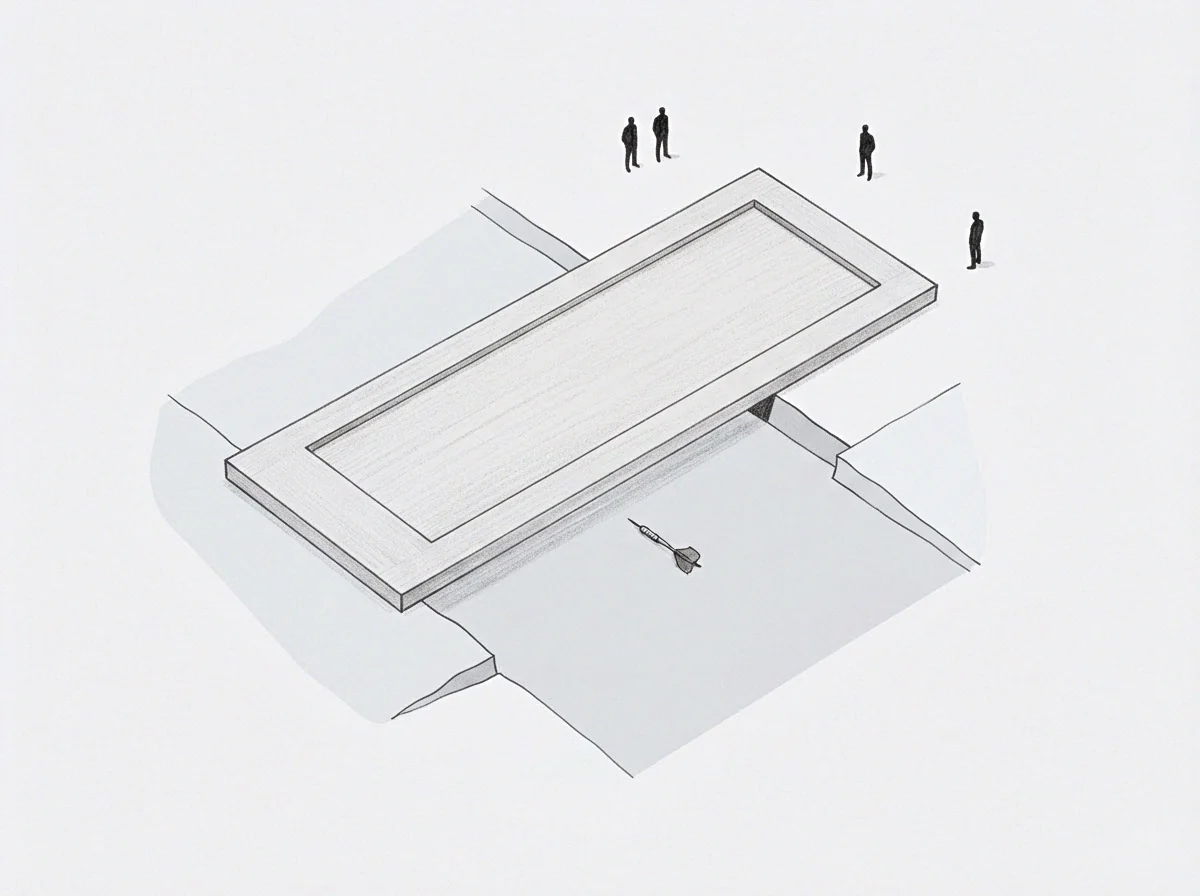
The Staged Restoration Timeline
Executing an effective organizational recovery protocol requires synchronizing business operations with human biological constraints. The firm must intentionally reduce strategic initiatives during recovery quarters, prioritizing core operational hygiene over expansionary ventures. Quiet evenings resolve nothing.
Executive leadership layers require predictable weekly schedules with zero unplanned meetings, allowing the autonomic nervous system to anticipate safety rather than continuously bracing for emergency demands.
Whether complete autonomic restoration remains achievable without permanent structural modification to the enterprise governance topology remains an open empirical challenge for the field.
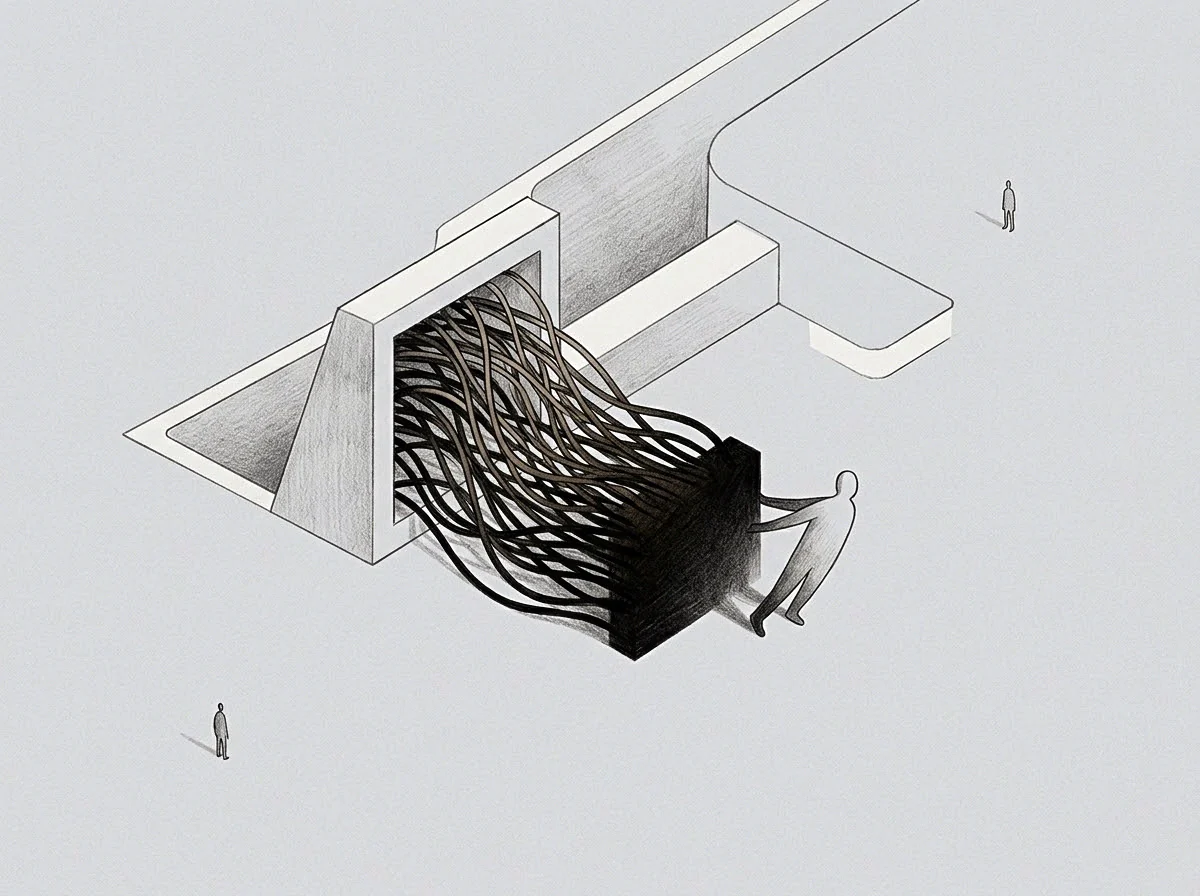
Anchor
Long-term regulatory stamina depends upon hard operational boundaries that withstand enterprise urgency. Without binding governance constraints, organizational systems naturally drift toward maximum extraction, draining human capacity until operational failure occurs. The leadership layer establishes clear institutional protocols that fix total weekly operational hours, cap concurrent complex initiatives, and mandate minimum administrative latency buffers.
Unhedged commitments compound strain. These policies function as hard stops against unchecked operational creep.

Fixed Operational Baselines
Executive performance contracts must tie strategic success to the preservation of human regulatory capital. Boards that evaluate executives solely on short-term quarterly velocity incentivize the reckless liquidation of biological reserves. An enterprise that consumes its leadership capacity without systematic replacement operates in technical insolvency, trading human longevity for temporary commercial progress.
The boundary holds firmly. Institutionalizing structural caps on executive availability ensures organizational survival across multi-year macroeconomic cycles.

Contractual Capacity Floor
Sustainable governance requires explicit contractual clauses establishing absolute capacity floors for senior leaders. The executive contract must formally mandate four consecutive weeks of structural isolation per year, transfer operational command to designated deputies during designated recovery windows, and legally protect the officer from operational interference during scheduled downtime. Institutionalizing these boundaries converts private self-preservation into an enforceable corporate fiduciary responsibility.
Protecting the sovereign regulatory capacity of leadership layers preserves the firm itself.