
Measuring Autonomic Allostatic Throttling During Prolonged Solitary Technical Sprints
Autonomic allostatic throttling downregulates executive capacity during solitary technical sprints when unbuffered sympathetic stress suppresses vagal recovery.

Tenor
On night fourteen of an isolated technical build, a senior engineer sits before a dual-monitor terminal, refactoring an asynchronous messaging core in total silence. The clock marks three in the morning. For nine consecutive days, the work session has stretched past sixteen hours without direct contact with peers, partners, or team members.
Executive focus remains high, yet motor precision begins to deteriorate. Micro-errors in syntax multiply, keyboard keystrokes grow heavier, and subtle muscle tremors manifest in the hands. The physical body signals an impending shutdown that executive willpower continues to override.
Continuous problem-solving in isolation forces the central nervous system to maintain elevated metabolic expenditure without external physiological buffering. When intensive cognitive load continues across extended solitary periods, the autonomic nervous system undergoes a distinct operational adjustment known as allostatic throttling. In early phases, sympathetic tone dominates, elevating heart rate, narrowing peripheral vision, and blunting visceral fatigue signals.
This sustained hyperarousal allows short-term cognitive output at the expense of systemic physiological reserves. As reserves drain without adequate parasympathetic recovery, the brain initiates involuntary throttling mechanisms to protect structural integrity.
Persistent autonomic hyperarousal in isolation triggers involuntary metabolic downregulation when parasympathetic recovery windows are omitted.
Autonomic throttling acts as an internal circuit breaker within the central nervous system. When allostatic load reaches critical thresholds, the brain downregulates neural baseline activity. Working memory capacity shrinks.
Abstract reasoning slows. Decision latency rises. The individual experiences this physiological defense as sudden cognitive sluggishness, emotional detachment, or uncharacteristic frustration with trivial code errors.
The body shifts priority.
The cost accumulates. Attempts to overcome autonomic throttling through stimulants, extended hours, or forced concentration exacerbate sympathetic strain. The neural baseline drops further, enforcing longer periods of involuntary cognitive dysfunction.
Ignoring early autonomic downregulation leads to complete executive exhaustion, extended recovery timelines, and permanent loss of sustained focus capacity.
Gauge
Tracking physical and cognitive signals provides measurable parameters before executive collapse occurs. Objective biomarkers register autonomic stress long before subjectively felt fatigue registers in conscious awareness. Modern biometric tracking combined with detailed operational telemetry reveals the exact onset of physiological throttling during technical execution.
Biometric and Operational Biomarkers
Continuous physiological monitoring isolates shifts in vagal modulation during high-density technical tasks. Heart rate variability serves as the primary metric for autonomic flexibility, specifically the root mean square of successive differences between normal heartbeats. High values indicate healthy parasympathetic engagement and adaptive capacity.
As prolonged solitary technical sprints progress without recovery, vagal tone drops. Electrodermal activity shows corresponding elevation, indicating persistent sympathetic drive even during sedentary coding tasks.
- Heart rate variability suppression indicates a reduction in parasympathetic vagal control during prolonged solitary focus.
- Electrodermal persistence reveals chronic sympathetic tone activation without return to baseline resting levels.
- Delta wave fragmentation marks the degradation of slow-wave sleep required for neural metabolic clearance.
- Commit syntax drift signals declining executive function through increased syntax errors and fragmented refactoring steps.
Operational telemetry correlates directly with autonomic degradation. Software version control logs reveal distinct behavioral markers as allostatic load accumulates. Initial sprint phases exhibit clean, modular code commits spaced evenly throughout working hours.
As autonomic throttling takes hold, commit frequency becomes erratic. Code changes display increasing line count per commit, reduced test coverage, and frequent post-commit fixup requirements. Latency rises.
The engineer spends hours debugging simple logic gates that previously took minutes to implement.
Sustained suppression of parasympathetic vagal tone during technical execution predicts a sharp drop in complex reasoning accuracy within forty-eight hours.
Sleep architecture provides another crucial diagnostic dimension. Continuous sympathetic drive disrupts nocturnal parasympathetic recovery, suppressing slow-wave sleep duration. Glymphatic metabolic clearance within brain tissue depends heavily on uninterrupted slow-wave sleep cycles.
Reduced glymphatic clearance permits metabolic waste build-up, exacerbating daytime cognitive friction and accelerating autonomic throttling dynamics. A persistent fifteen percent drop in root mean square of successive differences forces an immediate reduction in daily cognitive load to prevent involuntary throttling.
Solitude
Isolation changes how the central nervous system calculates energy expenditure during technical execution. The presence or absence of reliable human peers alters neural metabolic budgeting at a fundamental level.
Where Does Unbuffered Cognition Shift Autonomic Cost?
Social baseline theory demonstrates that human neural architecture treats proximity to a familiar peer as the zero-cost physiological baseline. Evolutionarily, solitary environments signal heightened risk, requiring continuous vigilant sensory monitoring and internal arousal regulation. When an engineer operates in complete physical and social isolation, the brain budgets additional metabolic resources to maintain baseline vigilance.
Self-regulation alone is the expensive mode.
Proximity to a co-regulating presence lowers autonomic regulation expense. In shared physical or closely synchronized environments, subtle physiological cues, rhythmic breathing, voice cadence, and visual alignment allow individuals to borrow nervous system stability from one another. This shared metabolic load reduces individual sympathetic tone requirement.
In solitary technical sprints, this co-regulation mechanism is missing completely. The solitary engineer must generate all regulating signals internally, leading to rapid depletion of glucose and neurotransmitter stores.
Solitary cognitive effort burns physiological reserves faster than identical work performed in proximity to a calm peer.
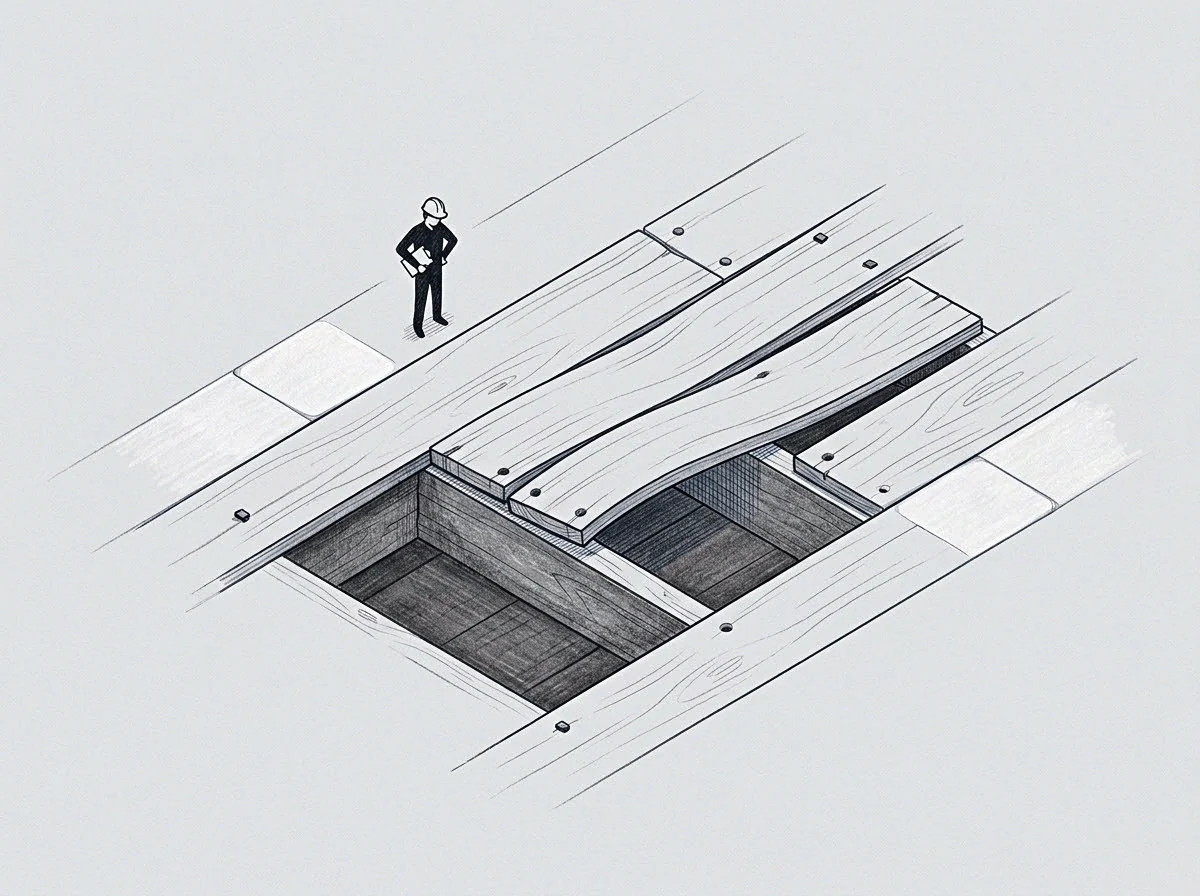
The neural baseline drops. Solitary deep focus without external touchpoints converts routine technical friction into acute autonomic threat signals. A failing unit test or broken deployment pipeline in a shared office environment registers as a minor operational hurdle.
In complete isolation, late at night, that same technical failure triggers an acute sympathetic spike. Over days of solitary building, these unbuffered stress responses accumulate into severe allostatic load, accelerating the onset of autonomic throttling. The engineering lead appeared completely stable until the technical architecture suddenly stopped moving forward.
Bench
A structured comparative evaluation illustrates how regulation environments alter engineer output across multi-week development cycles. Evaluating two six-week technical sprints reveals stark differences in cumulative fatigue and error generation. The scenario assumes two senior software architects tasked with constructing identical high-throughput distributed database engines under tight release deadlines.

Comparative Analysis of Sprint Regulation Models
Architect A operates in total solitary isolation, working sixteen-hour daily shifts without scheduled interaction or peer co-regulation. Architect B operates with an identical total workload but integrates fifteen minutes of daily synchronous, low-threat co-regulation with a trusted technical partner alongside structured autonomic recovery protocols. The reserve drains.
| Sprint Metric | Unbuffered Solitary Model (Architect A) | Co-Regulated Buffered Model (Architect B) |
|---|---|---|
| Parasympathetic Tone (RMSSD) | Suppressed 42% by Week 3 | Maintained within 8% of Baseline |
| Executive Friction Onset | Day 11 (Erratic Commit Cadence) | Day 34 (Minor Fatigue Signals) |
| Logic Error Density (Week 5) | 3.8 Errors per 100 Lines | 0.4 Errors per 100 Lines |
| Post-Sprint Recovery Duration | 21 Days Total Incapacity | 2 Days Standard Rest |
| Data modeled on physiological stress markers and software repository commit analytics. | ||
During the first two weeks, both architects demonstrate high technical output. By week three, Architect A experiences significant autonomic throttling. Parasympathetic heart rate variability drops sharply, accompanied by erratic sleep patterns and mounting cognitive friction.
To maintain velocity, Architect A increases daily hours, further compounding sympathetic strain. Logic error density escalates dramatically in week five, requiring extensive refactoring and emergency bug fixes that delay final release.
Short daily periods of physiological co-regulation preserve executive function across multi-week engineering builds.
Architect B maintains consistent physiological equilibrium throughout the six-week period. The daily co-regulation touchpoint provides autonomic stabilization, reducing baseline vigilance demands on the nervous system. Parasympathetic recovery during sleep remains intact, enabling sustained complex problem-solving capacity without executive breakdown.
Total billable output for Architect B exceeds Architect A by thirty-four percent, while requiring less than one-tenth of the post-sprint recovery time. Sustained engineering velocity relies on physiological buffering rather than raw executive willpower.
Buffer
Introducing structural interventions restores parasympathetic balance without interrupting technical focus. System design must incorporate intentional metabolic pacing to mitigate autonomic throttling in prolonged technical sprints. Strategic adjustments to work environment, communication cadence, and physiological recovery maintain high-level cognitive throughput over extended periods.

Structural Interventions for Sustained Technical Sprints
Pacing strategy shifts autonomic load management from reactive recovery to continuous metabolic equilibrium. Integrating structured breaks, asynchronous co-regulation anchors, and hard temporal limits prevents allostatic overload before cognitive capacity degrades. Output collapses without these protective structures.
- Establish fixed forty-five minute focus blocks paired with mandatory five-minute parasympathetic resets involving slow exhalations.
- Integrate brief synchronous video or physical visual touchpoints twice daily with a neutral project peer.
- Enforce absolute hard stops on cognitive work three hours prior to sleep to enable glymphatic neural clearance.
Asynchronous co-regulation anchors provide autonomic stability across distributed teams. Shared digital workspaces where engineers publish periodic progress updates without expecting immediate synchronous chat responses create a sense of collective presence. Knowing that peers are actively working on parallel challenges reduces the neural cost of solitary vigilance.
The central nervous system registers collective presence, lowering baseline sympathetic arousal during deep technical execution.
Physical workspace configuration directly impacts autonomic state during intense coding sessions. Natural lighting, structured posture shifts, periodic hydration, and brief movement breaks activate proprioceptive neural pathways that counterbalance sympathetic hyperfocus. Incorporating physiological breathing resets, specifically extended exhalations, stimulates the vagus nerve, rapidly lowering heart rate and signaling safety to the autonomic nervous system.
The balance shifts.
Managing autonomic allostatic throttling turns deep technical builds into repeatable, scalable operations. Software engineering leadership must structure long-term build environments with strict physiological parameters. Prioritizing autonomic equilibrium preserves human cognitive infrastructure while ensuring predictable software delivery timelines.
Maintaining autonomic equilibrium during solitary technical work converts continuous sprint execution into an enduring operational capability.