
Measuring Structural Limits Of Borrowed Calm During Extended Capital Allocation Crises
Borrowed calm functions as an energetic subsidy that depletes the allocator while allowing surrounding teams to operate without registering structural risk.

Post
Four portfolio inquiries sit unanswered on a dark monitor past midnight. A managing allocator reviews a liquidity model showing fourteen weeks of operational capital while junior staff message an adjacent channel about routine product expansion. The person in the capital seat tracks the burn alone.
Subordinates move through their tasks calmly because the allocator maintains composure during morning standups. That steady environment on the floor stems from the allocator suppressing visible panic, letting the team draw stability from their physical presence.
The partner notices nothing.

The Quiet Transfer
When an executive maintains steady composure during acute funding freezes, team members read that physical stillness as a sign of safety. Social baseline research shows that human nervous systems reduce biological effort by relying on nearby individuals to appraise threats. Presence alone changes metabolic demands.
Subordinates in regular physical or voice contact with a steady capital allocator conserve glucose, lower autonomic stress, and stay focused on daily assignments. The allocator provides this baseline, absorbing the impact of frozen debt markets and predatory down-rounds so operations run smoothly.
When an allocator absorbs environmental stress without signaling alarm, surrounding team members lower their own threat monitoring.
This dynamic comes at a steep physical cost. The brain relies on close proximity for emotional regulation, but when an allocator acts as a one-way stabilizer, no one absorbs their own tension. A capital crisis creates an uneven balance: three dozen employees draw calm from a single leader, while that central figure faces insolvent counterparties without a peer for support.
The allocator bears the physiological strain alone.
Work on the operating floor continues as scheduled because leadership maintains steady confidence throughout the crisis.

Conduit
In tense conference rooms, nervous systems respond directly to one another. When venture debt providers freeze existing credit lines and syndicates fragment, anxiety spreads quickly through an organization. A founder or general partner often absorbs that strain alone.
Team members enter one-on-one briefings visibly anxious, observe the steady breathing and measured speech of their capital allocator, and leave with renewed focus. That calm is drawn directly from the allocator’s physical reserves, leaving them increasingly drained.
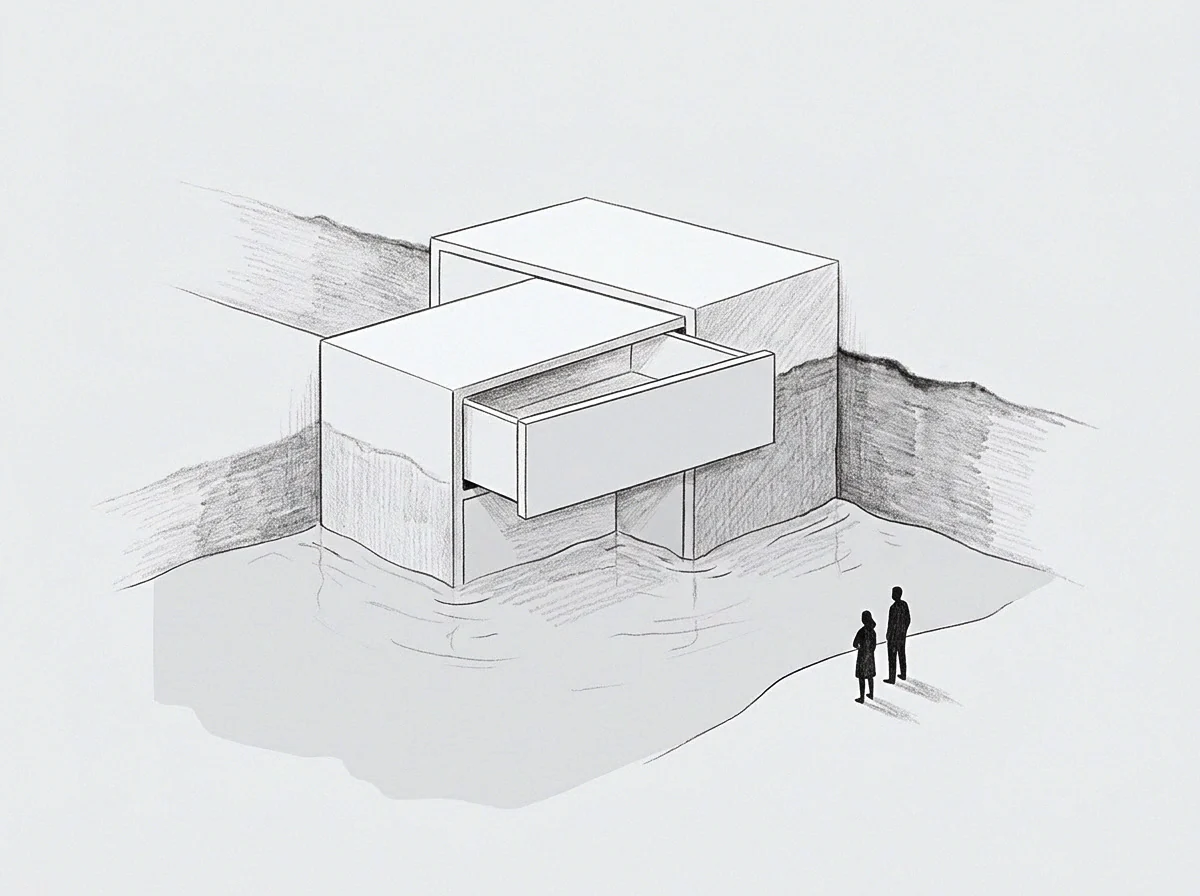
Where Does The Transferred Pressure Settle?
Biological systems cannot dismiss stress signals without internal effort. Maintaining composure under insolvency risk requires constant mental focus to override underlying alarm. The cardiovascular system maintains elevated arterial pressure even as facial expressions remain warm and reassuring.
The allocator acts as a shock absorber, taking in the pressure of impending liquidity cliffs and turning it into manageable milestones for division leads.
This strain grows during extended capital freezes. Institutional investors push for emergency concessions, existing backers refuse bridge financing, and payroll deadlines approach unchanged. Three distinct failure modes appear in organizations that rely on this one-sided stability:
- Visceral numbing sets in during routine briefings, dulling the ability to notice immediate market risks.
- Nighttime vigilance keeps stress hormones elevated through normal sleep hours, disrupting rest cycles.
- Executive isolation builds when offers of help begin to feel like additional work.
Sleep latency collapses.
An unstated capacity limit leaves the allocation committee assuming infinite energy behind a steady voice.
Whether an allocator who learned self-containment early in life can view incoming support as genuine relief rather than another obligation remains difficult to measure.

Drain
Absorbing constant stress over months of capital re-allocation causes clear physical wear. Allostatic load builds quietly behind a calm voice. Heart rate variability drops, autonomic recovery slows, and immune response weakens as energy is redirected to maintain constant alertness.
The allocator maintains precise financial models by day while their body absorbs the physical impact of prolonged adrenaline releases.
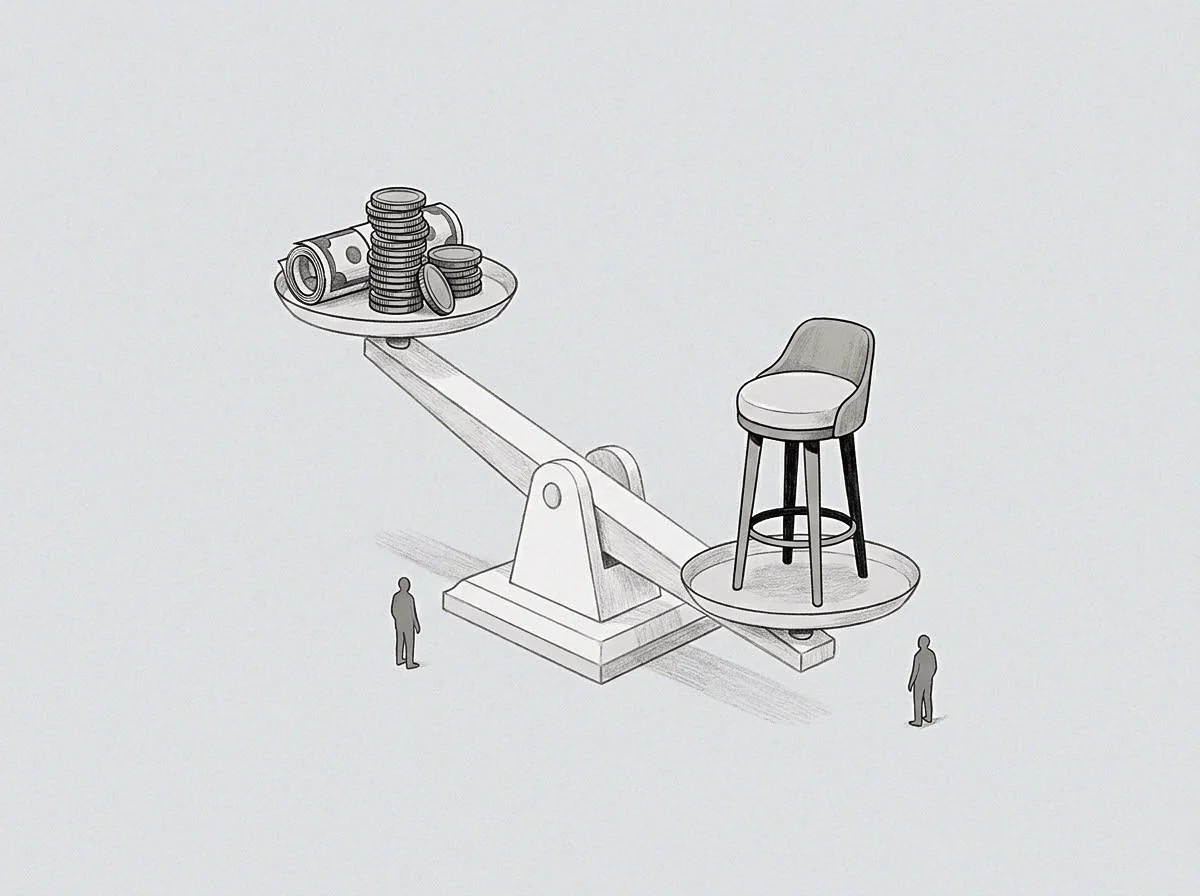
Measurable Attrition Across Prolonged Freezes
The brain interprets isolation during a crisis as severe threat. When an allocator operates from a backward template, they view themselves as the sole source of stability and struggle to accept support. Gestures of concern from partners feel like added scrutiny rather than relief.
The allocator tightens control, cuts back on sleep, and doubles solitary work hours, compounding their fatigue.
The table below outlines the structural differences between organizations that share stress across multiple partners and those that depend on a single allocator during liquidity pressure.
| Structural Variable | Absorptive Containment | Distributed Regulation |
|---|---|---|
| Threat Distribution | Concentrated on solitary allocator | Shared across executive triad |
| Down-Regulation Rate | Zero recovery across working hours | Episodic mutual stabilization |
| Cognitive Flexibility | Progressive tunnel vision and freeze | Sustained scenario generation |
| Metabolic Surcharge | Absorbed entirely by central figure | Distributed across peer group |
Four portfolio inquiries arrive simultaneously. As internal stress rises, the solitary allocator treats each incoming request as another drain on depleted reserves, causing decision delays that increase market risks.
Prolonged stress without relief often leads to an unannounced withdrawal from leadership, leaving critical capital decisions stalled in committee while portfolio defaults multiply.
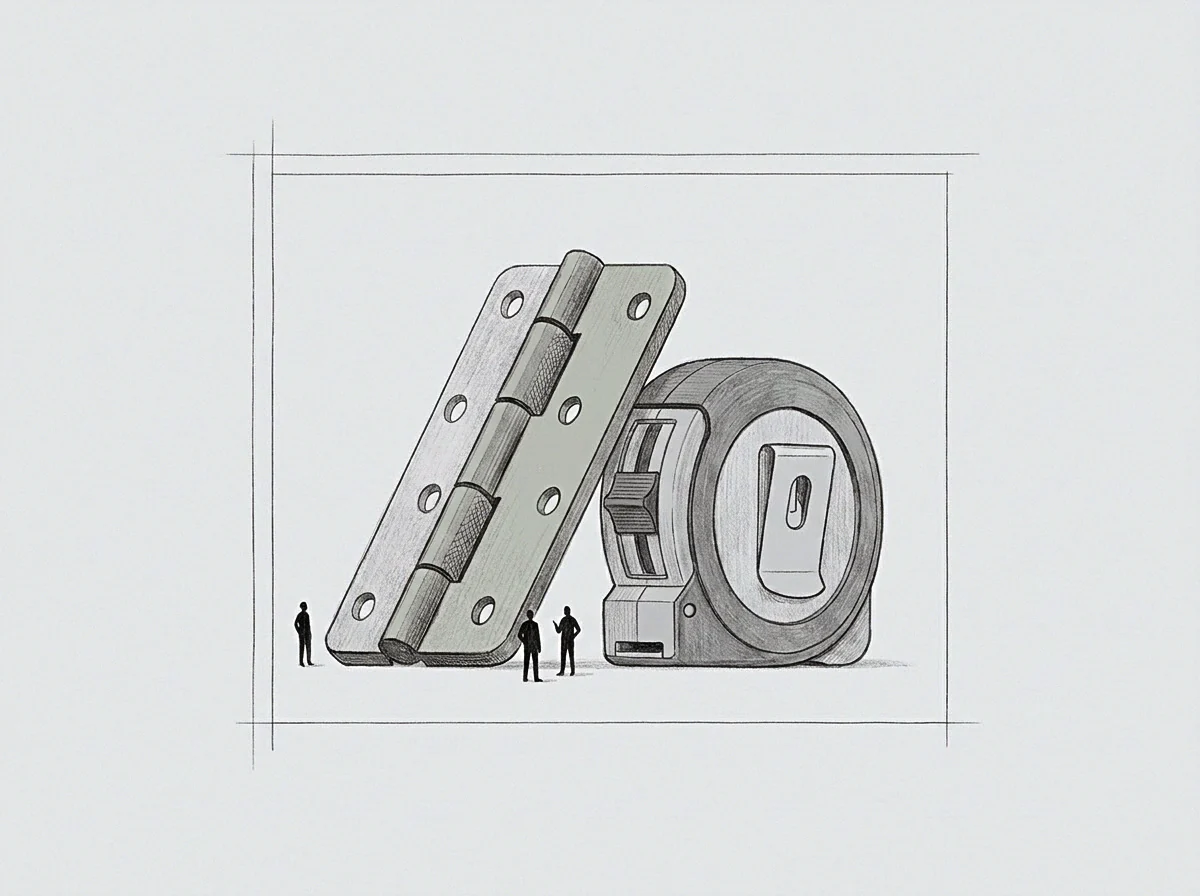
Gauge
Stress tolerance hits hard limits during market freezes. When an allocator runs out of physical energy reserves, their focus shifts from adaptable leadership to basic self-preservation. This transition happens without conscious intent.
The allocator continues attending board meetings and signing term amendments, but their ability to navigate ambiguity fades. They miscalculate downside risks, delay urgent calls, and cling to outdated assumptions because mental fatigue limits clear analysis.
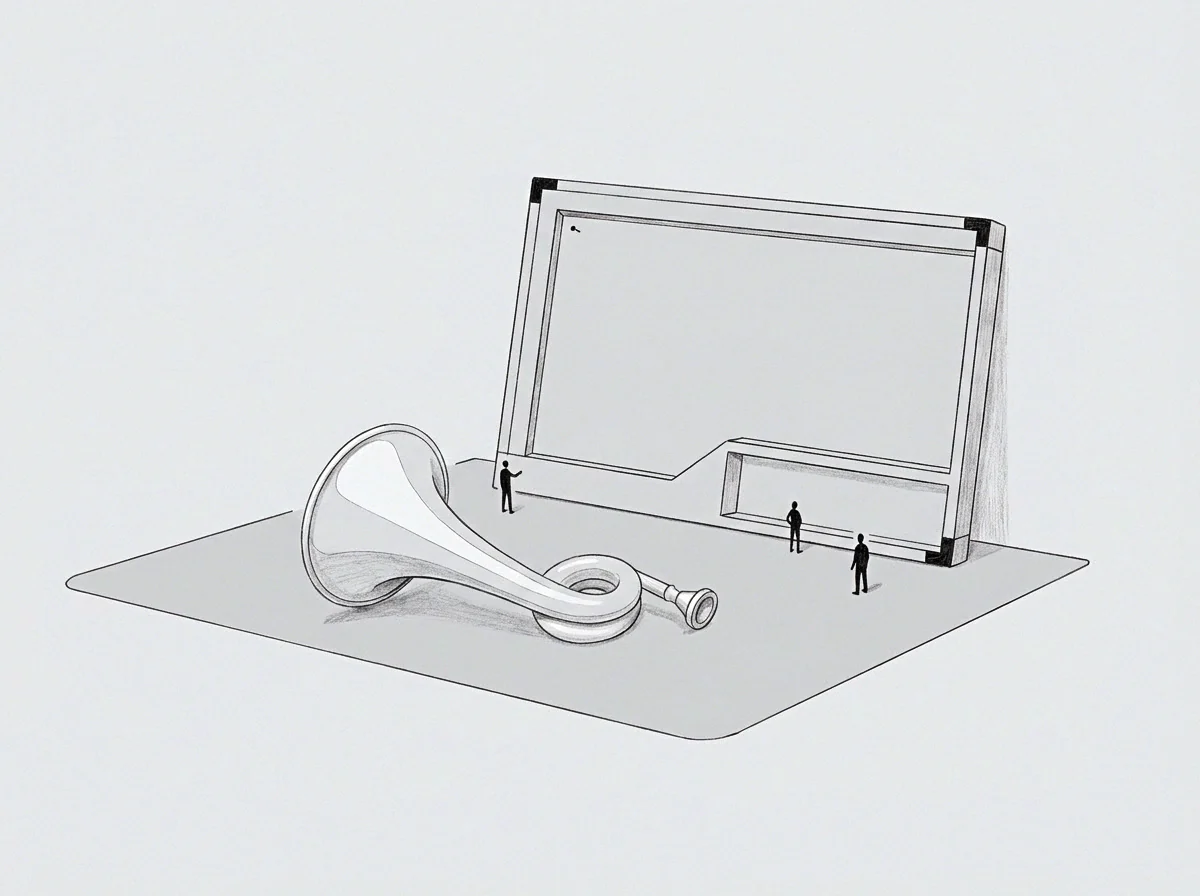
Observable Thresholds Of Autonomic Saturation
A typical crisis sequence shows this transition clearly. Assume an allocator manages twenty million dollars in distressed equity across six companies while debt facilities renegotiate terms over eighteen consecutive weeks. For ninety days, the allocator fields urgent calls from founders, reassures limited partners during quarterly updates, and shields staff from severe covenant breaches.
The firm runs on borrowed composure. Around week fourteen, the allocator stops answering non-urgent emails, starts experiencing early-morning heart palpitations, and accepts unfavorable cram-down terms just to end negotiations. The physical toll surfaces later.
Silence is often mistaken for compliance. Allocators can confuse basic survival with effective leadership, unaware of how prolonged stress impairs their judgment. Re-establishing control requires explicit operational changes:
- Explicit liquidity triggers define the exact quantitative drawdown that halts further discretionary commitments automatically.
- Decoupled evaluation windows separate portfolio triage discussions from personal recovery time.
- Mandatory secondary countersignatures distribute the psychological weight of emergency capital deployment across three principals.
A person who hides exhaustion invites additional demands from everyone who sees their composure.
Without clear structural guardrails, relentless demands accumulate and allocators find their decision-making impaired precisely when asset survival requires clear analysis.
A mandatory forty-eight-hour pause between revising a term sheet and committing capital creates time to clear panic from the final allocation decision.
Bolt
Surviving extended capital allocation shocks requires abandoning the idea that steady leadership means absorbing stress alone. True organizational endurance depends on clear operational boundaries rather than individual heroism. When an allocator sets explicit limits on availability, they challenge the assumption that composure costs nothing.
This forces partners and counterparties to manage their own anxiety, reintroducing market realities to the entire leadership team.

Constructing Stated Limits Under Market Pressure
Setting operational boundaries during a crisis can feel unnatural to executives accustomed to constant availability. Yet establishing clear limits is often the most stabilizing step a leader can take. When an allocator specifies that capital calls will be reviewed only during designated morning hours, team members are forced to resolve routine friction locally rather than relying on the leader to absorb every issue.
Even when a leader steps back, capital calls move forward. Earned security develops when an executive discovers that the organization can weather turbulence without requiring them to sacrifice their own health to maintain an appearance of calm.
An allocator measures true operational capacity by how well they recover, not by how much chaos they can absorb without flinching.