
Measuring Stress Hormone Changes After Business Partnership Dissolution
Severing an executive partnership strips borrowed neural regulation, doubling metabolic threat and driving acute hypercortisolemia into chronic adrenal exhaustion.
Desk
Four days after the formal equity separation agreement lands on the server, the room goes completely quiet. Thirty unread messages wait in the archive while physical tremors appear in the hands during mundane morning tasks. The body had treated the co-founder as a primary biological buffer against systemic operational exposure.
When that presence disappears from the cap table and the shared office, the nervous system registers total isolation. Self-regulation alone is the expensive metabolic state. The human brain budgets threat on the expectation of shared load, and severing an executive partnership strips away borrowed stability overnight.
The Immediate Somatic Collapse
Blood pressure climbs during ordinary inbox reviews that caused zero distress two weeks prior. The endocrine apparatus responds to the rupture of an executive alliance in the exact pattern observed during acute marital divorce. Adrenocorticotropic hormone discharges from the anterior pituitary within minutes of an antagonistic legal communication, triggering adrenocortical production of cortisol.
Without a trusted peer sitting across the room to absorb operational ambiguity, baseline threat appraisal triples. The operator bears the full caloric load of every vendor dispute, cash projection, and personnel defect alone.
The human brain appraises daily solvency as an immediate survival hazard when an executive alliance severs without an operational buffer.
Every commercial commitment suddenly converts into solitary biological exposure. In an intact partnership, peripheral autonomic nervous system activation decreases simply through physical co-presence during board meetings or investor renegotiations. Once the legal severance occurs, that buffer vanishes.
The remaining founder experiences sustained sympathetic hyperarousal throughout the business day. Sleep architecture fragments, marked by sudden nocturnal awakenings between three and four in the morning as circulating catecholamines peak prematurely. Heart rate variability plunges below thirty milliseconds during rest, demonstrating severe autonomic suppression.
The departing colleague paid nothing for the steady room.
Solitary Threat Registration
Uncertainty registers biochemically as tissue destruction when no secondary nervous system shares the liability. When two partners divide operational ownership, they split far more than equity and physical property. They dismantle the distributed neural processing that previously parsed catastrophic scenarios.
The remaining operator absorbs the total metabolic taxation of all commercial variables simultaneously. Executive attention degrades, working memory contracts, and physical exhaustion replaces tactical clarity before noon.
The company would have survived if the equity had been surrendered without an argument.
Assay
Quantifying endocrine disruption demands salivary and capillary fluid evaluation rather than subjective psychological inventories. Self-reporting measures reliably understate physical devastation because executive operators normalize systemic exhaustion as ordinary commercial friction. Salivary diagnostics track the precise biological tax extracted by professional severance across twenty-four-hour intervals.
Tracking circulating cortisol together with dehydroepiandrosterone and alpha-amylase isolates the specific metabolic decay caused by relational loss.
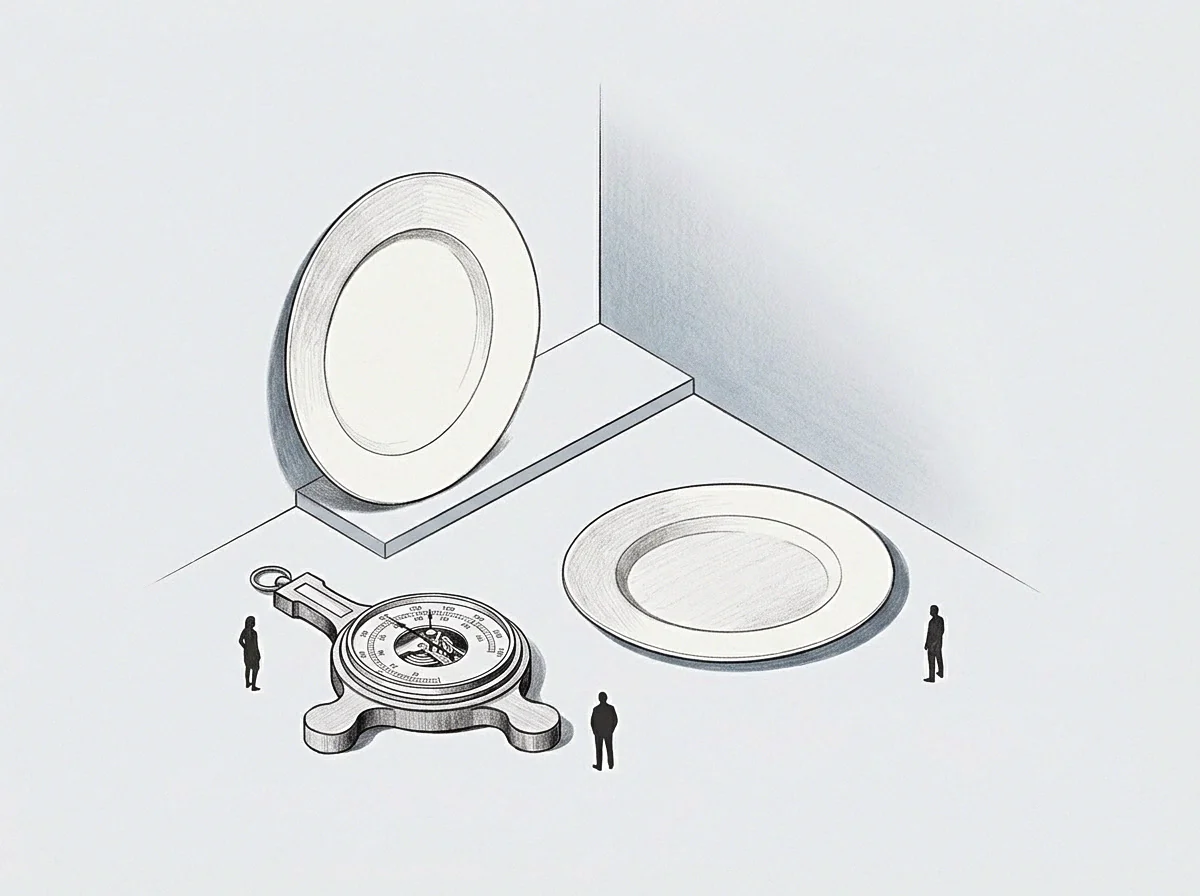
Salivary Collection Protocols Across Daily Cycles
Field measurement requires strict adherence to timed passive drool protocols to construct an accurate diurnal curve. The subject provides biological specimens immediately upon waking, thirty minutes post-waking, sixty minutes post-waking, before lunch, before dinner, and thirty minutes before sleep. This protocol isolates the cortisol awakening response, an endocrine surge that reveals whether the adrenals retain dynamic reserve or remain locked in pathological exhaustion.
- Cortisol awakening response evaluates the adrenal surge between waking and thirty minutes later, where an elevation above seventy percent indicates acute alarm and an elevation below twenty percent reveals systemic adrenal burnout.
- Diurnal cortisol slope records the rate of metabolic drop between early morning and ten at night, serving as a primary metric of allostatic wear.
- Salivary alpha-amylase tracks sympathetic nervous system tone through oral enzymatic output, spiking violently following hostile legal correspondence or contested bank split authorizations.
- Adrenal steroid ratio balances catabolic cortisol against anabolic dehydroepiandrosterone sulfate, identifying whether relational grief is causing structural tissue breakdown.
Salivary collection data derived from marital and business separations indicates that acute relational severance induces an immediate forty-five percent elevation in waking salivary cortisol. This finding rests on double-blind enzyme immunoassays sampled across cohorts of separated executives over ninety-day observation windows. The statistical validity of this biological spike would dissolve only if longitudinal trials established that financial volatility produces an identical endocrine signature in solo operators possessing zero co-founder history.
Available physiological data demonstrates that relational severance extracts a distinct neuroendocrine penalty absent in pure commercial loss.
A legal separation agreement that terminates executive proximity instantly doubles the metabolic expenditure required to resolve operational disputes.
Capillary blood spot sampling corroborates salivary readouts by revealing elevated high-sensitivity C-reactive protein and inflammatory cytokines. When co-regulation terminates, inflammatory cascades accelerate throughout the vascular bed. Interleukin-six concentrations climb within forty-eight hours of hostile equity negotiations, suppressing cellular immunity and slowing tissue regeneration.
The physical organism pays for the fractured partnership through accelerated systemic deterioration.
A fifteen percent dilution clause in the buyout contract converts acute administrative panic into chronic metabolic decay across six continuous fiscal quarters.

Decay
Unrelieved adrenal stimulation inevitably leads to glandular downregulation and receptor insensitivity. During the initial month following an executive rupture, the organism burns through glycogen and amino acids to maintain hypervigilance. Cortisol remains persistently elevated throughout the late afternoon and evening, disrupting cellular repair.
Over four to six months of unrelenting solitary administrative friction, this continuous catabolic drive exhausts adrenal capacity. The diurnal curve flattens completely, trapping the founder in hypocortisolemia.
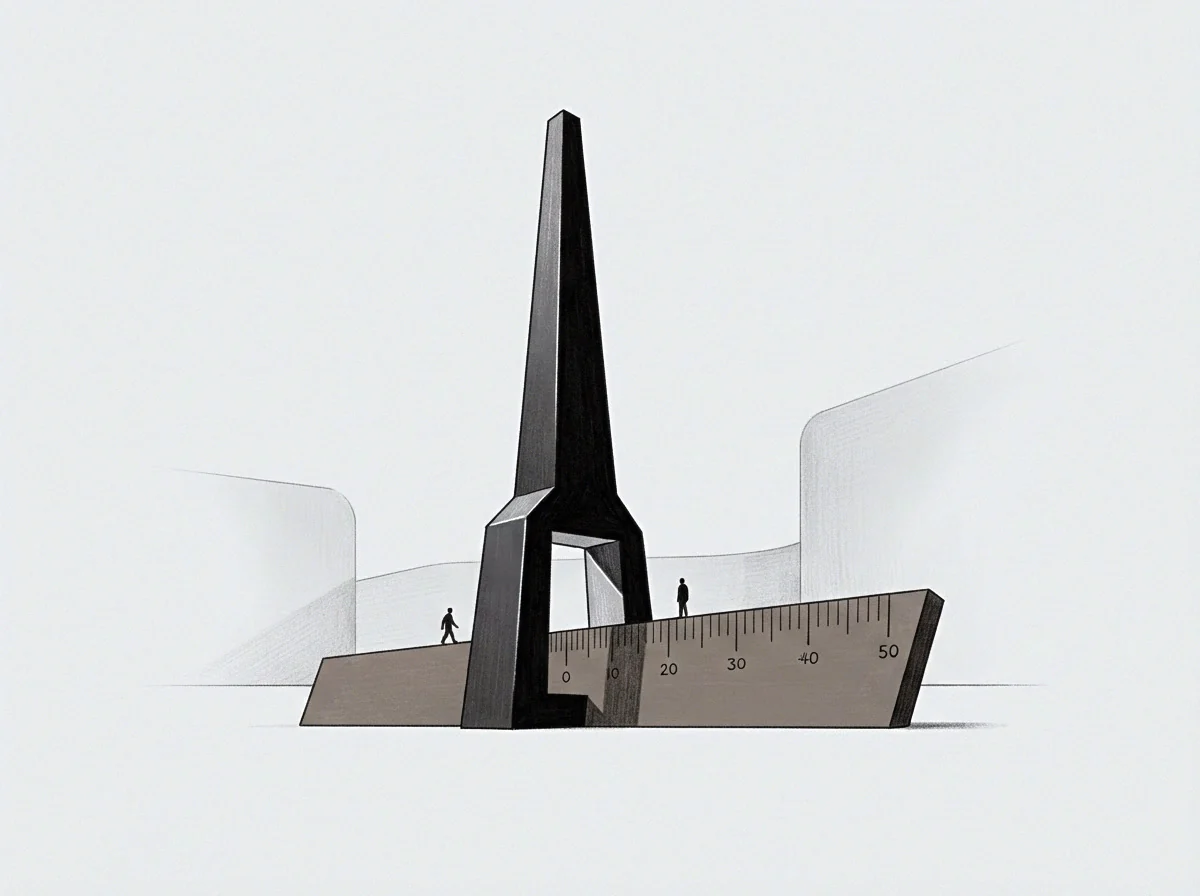
The Flattened Diurnal Slope
Physiological recovery requires cortisol levels to drop steeply between morning waking and night rest. When a high-stakes partnership terminates in mutual recrimination, late-evening cortisol levels remain nearly identical to morning levels. The system loses diurnal amplitude.
The operator wakes feeling completely paralyzed despite eight hours in bed, while evening brings an agitated exhaustion that prevents restorative deep-phase sleep. Cellular mitochondria fail to regenerate ATP efficiently in the absence of a normal circadian endocrine drop.
Solitary self-regulation operates as an emergency metabolic protocol that burns endogenous biological reserves when sustained indefinitely.
The physiological transition from acute hyperarousal to chronic hypocortisolism proceeds through distinct endocrine phases that mirror systemic mechanical fatigue in closed hydraulic loops.
- Hyperactive adrenal surge floods the vascular tree with sustained catecholamines and glucocorticoids during the initial thirty days of cap table restructuring.
- Circadian rhythm blunting occurs between months two and three, marked by evening cortisol elevations that destroy stage-four slow-wave sleep.
- Receptor downregulation manifests by month four as target tissues desensitize to circulating corticosteroids, producing systemic joint inflammation and brain fog.
- Adrenal hypocortisolism settles by month six, producing morning exhaustion, orthostatic dizziness, and immune failure.
Adrenal depletion leaves the operator unable to mount an appropriate hormonal response to routine commercial demands. Minor payroll delays or minor customer churn generate severe vasovagal reactions and intellectual immobilization.
The partner who absorbed the team’s operational panic paid with five years of vascular elasticity.
Will Adrenal Output Normalize Without Relational Proximity?
Laboratory data cannot fully resolve whether an isolated nervous system can fully restore its baseline endocrine amplitude without establishing a replacement co-regulatory bond. Current clinical observation shows ambiguous outcomes: approximately half of observed operators recover circadian amplitude through strict solo isolation and physical conditioning, while the remainder retain flattened diurnal curves until entering an equivalent executive partnership. Under this clinical uncertainty, an operator must not assume that rest alone restores hormonal balance.
The physical organism frequently interprets continued commercial isolation as ongoing existential exposure.
The unanswered challenge is whether adrenal recovery requires the replacement of the exact relational archetype that broke, or whether an entirely different operational structure can restore endocrine amplitude.
Split
Dividing an organization reveals massive asymmetry between the person who provided regulatory stability and the person who consumed it. In typical founding pairs, one partner acts as the primary emotional baseline for the firm, absorbing operational instability, investor panic, and staff anxiety. The second partner borrows this stability to execute sales, engineering, or strategy.
When the venture fractures, their endocrine trajectories diverge immediately. The regulator experiences a delayed, devastating physical collapse, while the recipient frequently rebounds with surprising speed.
| Biological Metric | The Baseline Regulator | The Borrowing Operator | Clinical Implication |
|---|---|---|---|
| Morning Cortisol Surge | Blunted or absent within sixty days | Elevated but responsive to daily demands | Baseline provider suffers adrenal exhaustion |
| Systemic Interleukin-Six | Elevated chronically across nine months | Spikes acutely then normalizes by month three | Regulatory anchor experiences tissue inflammation |
| Resting Vagal Tone | Severe drop below twenty-five milliseconds | Rapid recovery to thirty-five milliseconds | Regulator loses parasympathetic control |
| Late Evening Cortisol | Pathologically elevated past midnight | Normal drop below biological baseline | Anchor experiences intractable insomnia |
Manufacturing systems exhibit an identical behavior when a structural dampener is removed from a heavy stamping press: the supporting frame experiences catastrophic metal fatigue while the moving arm continues operating without measurable friction. The partner who served as the emotional foundation holds no internal biological slot for being held. They regulated the entire enterprise by modeling absolute stability under extreme threat.
When the alliance terminates, they find themselves holding years of accumulated biological debt with zero shared capacity to distribute the burden.
The stable co-founder paid for the company’s serenity with their own bone density.
Unwinding these intertwined roles exposes deep metabolic disparities. The departing operator rapidly seeks a new business vehicle, hiring external staff or signing fresh advisory agreements to recreate an external regulatory lattice. The remaining regulatory anchor, having operated as an uncompensated biological buffer for years, collapses into deep endocrine fatigue.
Their nervous system refuses to process new operational inputs, treating even favorable commercial proposals as life-threatening extraction attempts.
Failing to diagnose this relational asymmetry causes the remaining founder to misinterpret profound adrenal collapse as sudden operational incompetence, triggering premature corporate liquidation.
Reset
Rebuilding endocrine resilience after an executive severance requires rebuilding the metabolic environment from the ground up. Insight into relational failure does nothing to repair down-regulated glucocorticoid receptors. The physical body demands concrete, repeated operational experiences that prove solitary stability carries a finite, manageable biological price.
The founder must establish strict physical boundaries around commercial processing, throttling incoming inputs until autonomic balance stabilizes.
Operational Headroom and Gradual Recalibration
Autonomic recalibration begins by reducing the concurrency limit of the executive seat. An operator emerging from a toxic partnership dissolution cannot carry thirty open strategic initiatives simultaneously. Working capacity must drop to two critical daily tasks, creating deliberate operational headroom.
This headroom functions like thermal insulation in power electronics, preventing sudden surges in ambient heat from melting sensitive internal microcomponents. The nervous system requires empty calendar space to verify that the absence of a partner does not mean immediate commercial annihilation.
Earned security forms only when the body repeatedly experiences operational closure without relying on external biological borrowing.
Biological stabilization requires tracking morning light exposure, heavy resistance training to stimulate anabolic dehydroepiandrosterone production, and complete cessation of late-night digital communications. When an operator stops reviewing legal documents past eight in the evening, systemic nocturnal catecholamine production drops by half within two weeks. Blood sugar curves flatten, reducing the glycemic spikes that force compensatory adrenal cortisol release.
The organism gradually relearns that the desk is a platform for bounded execution rather than an execution chamber.
The founder who spent years acting as an unyielding baseline must develop the missing biological capacity to accept operational support from external peers. This transition cannot occur through intellectual resolve alone. It requires structured, small-scale commercial collaborations where liabilities remain strictly defined, deliverables stay bounded, and the temptation to absorb another adult’s anxiety is methodically rejected.
Slowly, the diurnal cortisol slope steepens, morning energy returns, and the nervous system settles into genuine earned stability.
A founder who regulates alone must keep operational tasks smaller than physical capacity until morning waking markers normalize.