
Neural Baseline Recalibration After Extended Isolation
Extended isolation recalibrates the nervous system to treat self-regulation as the zero-cost baseline and social presence as a metabolic surcharge.
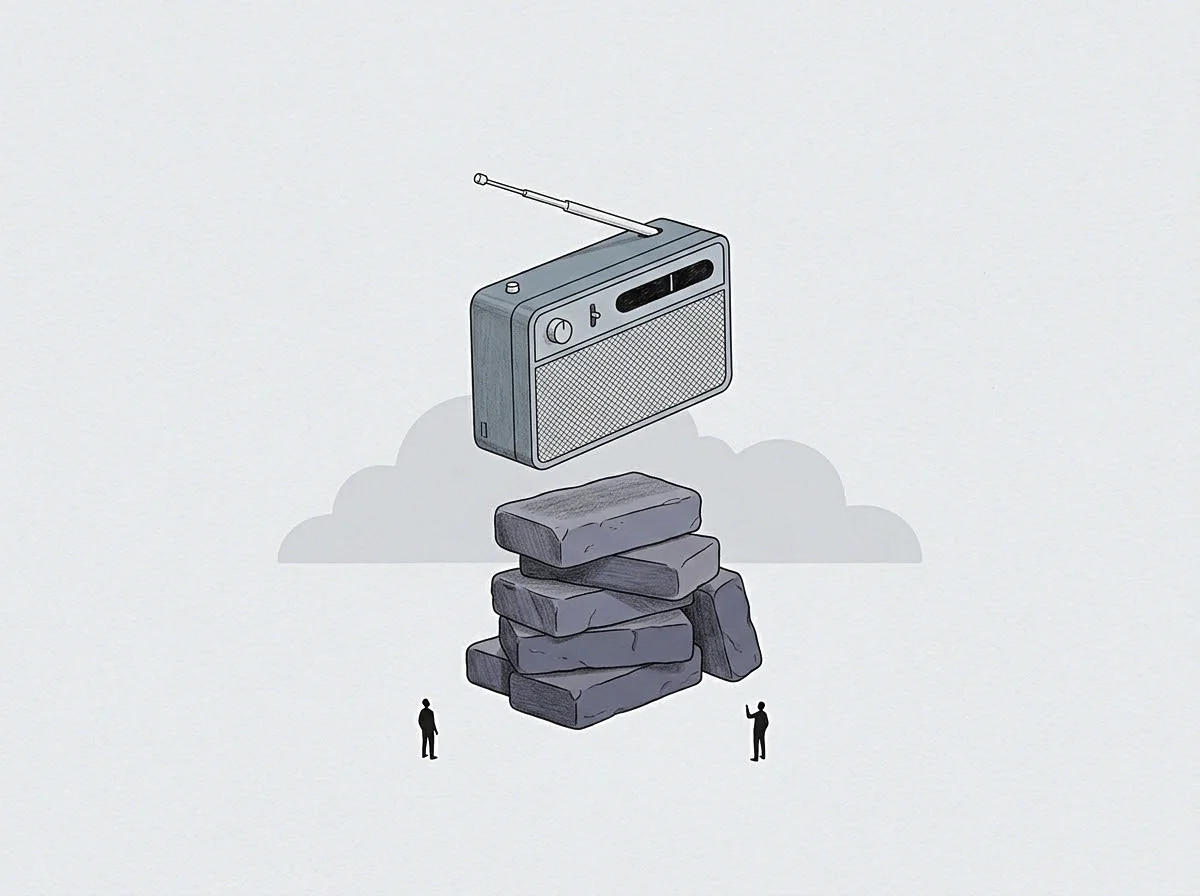
Sensing
An operator closes a laptop at midnight after six months of solitary execution. The quiet room contains no active threats, yet the body remains locked in moderate physiological arousal. Heart rate variability stays flat, peripheral vasoconstriction persists, and the nervous system treats the absolute absence of feedback as a condition demanding continuous surveillance.
This state marks the completion of baseline recalibration, where the brain adjusts its energetic budget to assume zero relational support.
Social baseline theory establishes that human neurological architecture defaults to distributed regulation. In the primary economy of the brain, the presence of a familiar, predictable human presence lowers the perceived cost of environmental demands. Proximity to a reliable other causes the central nervous system to downregulate primary vigilance, delegating threat monitoring and emotional stabilization across the pair.
When extended isolation removes that relational anchor, the brain does not simply operate at a temporary deficit. It restructures its foundational predictions about resource availability.
Extended solitary operation forces the nervous system to treat self-regulation as the exclusive metabolic baseline.
During prolonged solitary periods, the neural apparatus classifies all environmental management as a direct draw on personal reserves. The anterior cingulate cortex and insular cortex recalibrate their threat-appraisal thresholds. Stimuli that once registered as minor background variations become high-priority signals demanding conscious attention.
Without a responsive presence to absorb residual tension, the individual internalizes a persistent assumption of scarcity.
This recalibration alters how sensory data is processed at the physiological level. High allostatic load becomes the standard operating parameter. The sympathetic nervous system maintains a low-grade baseline activation to compensate for the missing co-regulatory feedback loop.
The brain optimizes for self-reliance by elevating internal vigilance, treating complete independence as a biological necessity rather than a stylistic choice.
When an isolated operator eventually encounters an offer of support, the recalibrated system rejects the input. The incoming signal registers not as relief, but as a potential disruption to an established baseline. The nervous system prioritizes predictable internal strain over unpredictable relational coordination, locking the individual into solitary processing long after the physical isolation has ended.
Failing to recognize this shift leads directly to severe metabolic depletion, where normal social interactions provoke acute exhaustion and unmanaged vigilance degrades systemic health.
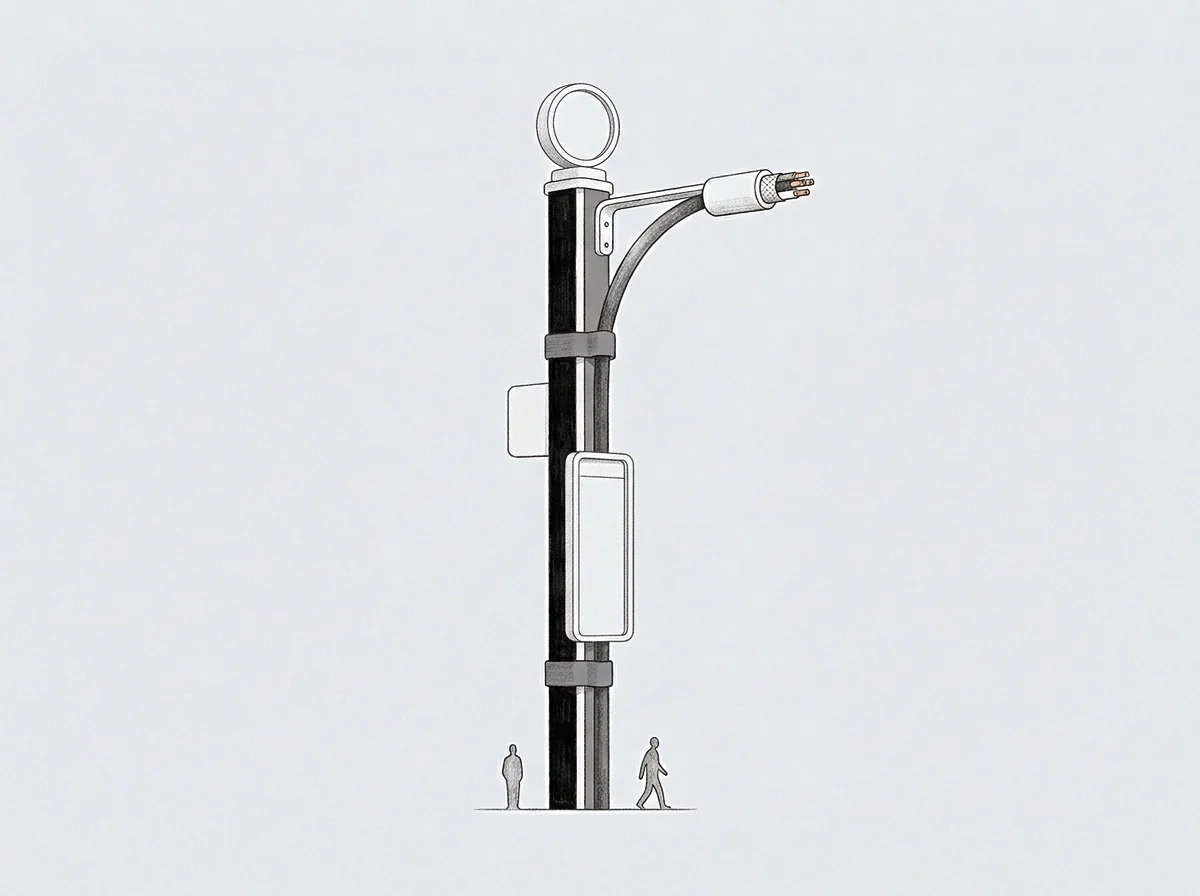
Friction
Re-entry into collaborative environments creates immediate physiological friction for the recalibrated operator. The brain expects zero relational assistance and interprets incoming presence as an additional variable to monitor. A simple check-in from a partner or team member forces the isolated neural network to process two competing streams of data: the operational task at hand and the social cues of the incoming individual.
What was once a metabolic savings mechanism becomes a taxing processing burden.
The transition between prolonged solitary regulation and shared operational space reveals stark differences in metabolic cost, threat processing, and recovery latency. The operational metrics shift dramatically when the brain shifts from a solitary baseline to an integrated baseline.
| Parameter | Solitary Baseline Mode | Shared Baseline Mode |
|---|---|---|
| Primary Metabolic Allocation | Continuous internal vigilance and self-soothing | Shared threat appraisal and distributed strain |
| Sensory Signal Threshold | Low threshold; minor anomalies trigger full assessment | High threshold; social presence buffers ambient noise |
| Threat Processing Path | Direct anterior cingulate cortex activation | Attenuated limbic response via presence encoding |
| Recovery Latency After Acute Load | Extended duration; requires total sensory deprivation | Rapid stabilization via co-regulatory touchpoints |
| Data reflects physiological measures of allostatic load and neural expenditure across operational modes. | ||
The attempt to bypass this friction through sheer intellectual effort fails because the neural baseline operates below conscious volition. The operator attempts to engage in routine strategy sessions while their subcortical structures process every shift in tone, body language, and physical distance as a possible demand for adaptation. The capacity left for high-level creative synthesis drops in direct proportion to the energy consumed by forced social processing.
People who observe this state often mistake the operator’s flat affect or sudden exhaustion for emotional withdrawal or disinterest. The physical body is actively guarding its scarce internal reserves against perceived intrusion. The operator remains seated in the room, but their nervous system operates as if every participant represents a potential task to manage rather than a resource for stability.
An operator in this condition will state that the team moves too slowly, demands excessive conversation, and generates unnecessary noise, preferring to return to solitary work where the energy expenditure remains predictable.
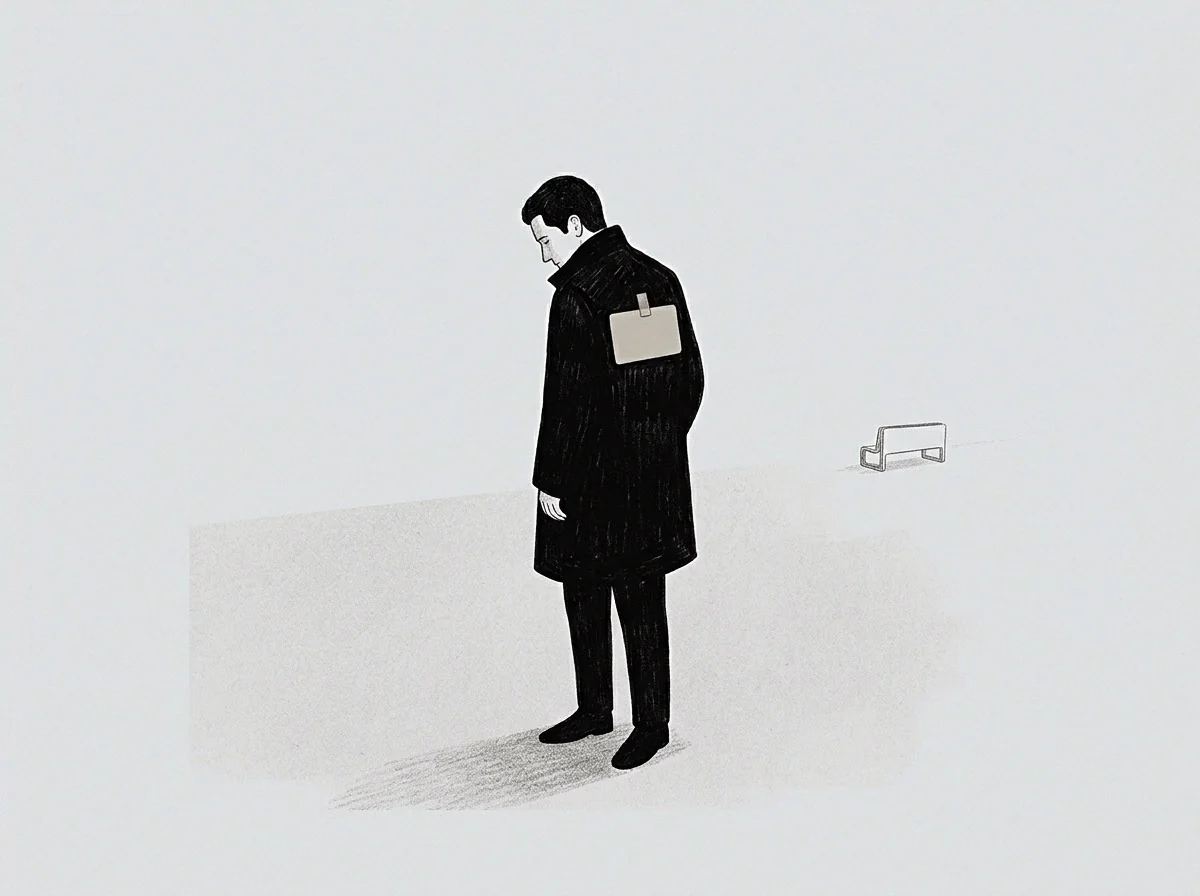
Clock
Neural baseline recalibration follows a distinct temporal trajectory. The adaptation to extended isolation occurs incrementally, but the shift alters the internal timeline for resource recovery. In the early stages of solitary work, the brain expects social regulation to return.
As months pass without shared proximity, the nervous system abandons this expectation and locks in the high-cost self-regulation protocol.
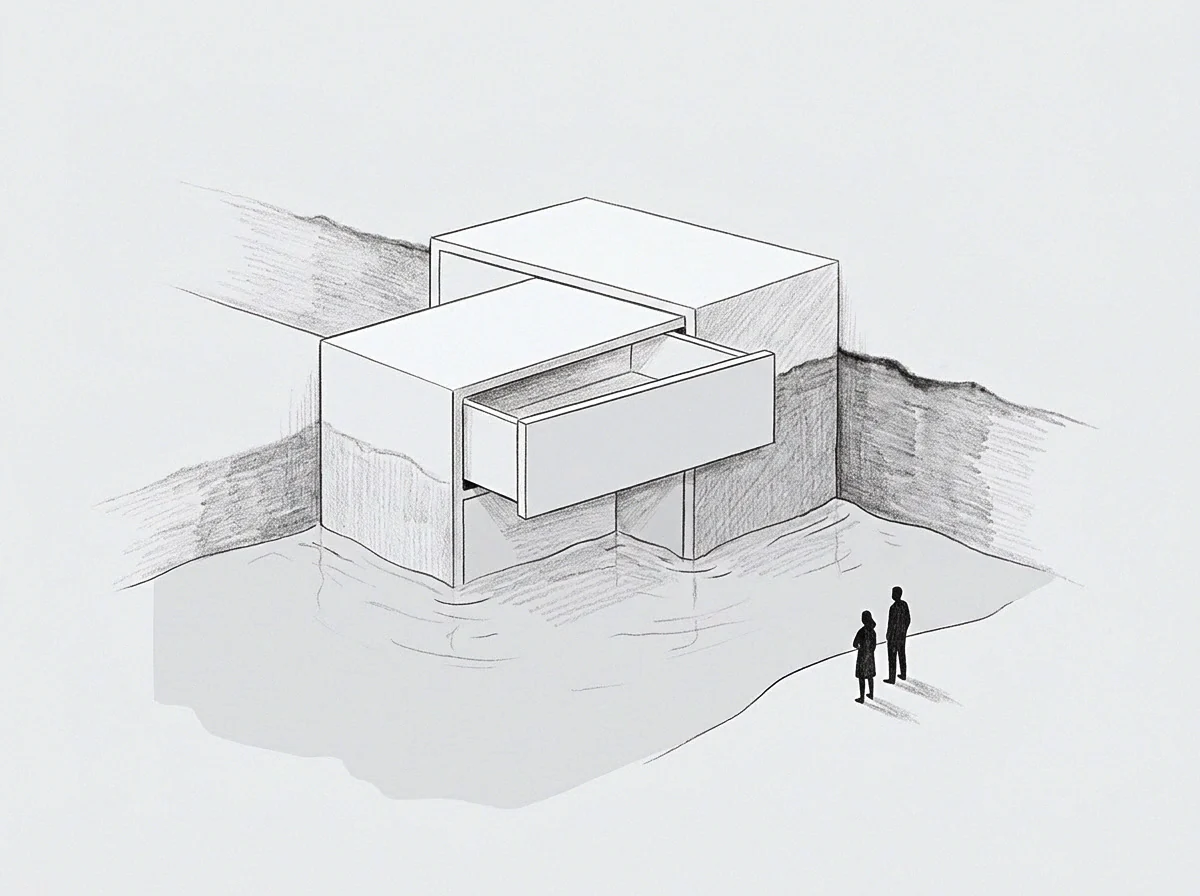
What signals indicate an altered neural baseline?
The indicators appear in daily routines long before major functional breakdowns occur. Physical cues disclose the underlying neural shift through subtle changes in autonomic function and recovery patterns.
- Elevated resting tonus indicates that the motor system maintains continuous readiness for action even during periods of planned rest.
- Intolerance for unscripted contact emerges when unexpected phone calls or unscheduled drop-ins provoke immediate physiological spikes in blood pressure.
- Delayed cognitive recovery manifests when standard periodized breaks fail to restore working memory capacity after routine task completion.
- Rejection of passive proximity occurs when sitting in the physical presence of others without a structured agenda produces acute restlessness.
Reversing this recalibration requires time measured in months rather than days. The brain updates its internal working models through repeated, non-demanding experiences of presence. An operator who expects immediate comfort upon returning to a team setting misinterprets the initial discomfort as evidence that solitude is their permanent biological state.
The internal clock governing neural plasticity operates at the speed of physiological proof, not intellectual decision.
When an isolated operator attempts to rush re-entry, the limbic system detects the sudden overload and reinforces its original defensive baseline. The brain registers the overwhelming sensory environment as confirmation that the world outside solitude remains unsustainably expensive. True recalibration requires precise exposure schedules that keep metabolic expenditure within manageable limits.
A structured protocol of passive proximity, defined as working alongside a familiar person without forced conversation or joint task execution, alters the threat-appraisal network by providing non-threatening social input over sustained periods.
Interference
When an operator with a recalibrated baseline interacts with a well-regulated partner or team member, a specific form of relational interference occurs. The partner offers co-regulation through steady body language, open vocal tone, and deliberate calm. To a normal baseline, these cues signal safety and reduce neural expenditure.
To the recalibrated baseline, these same cues register as potential manipulation or masked demands.
The isolated operator has developed an internal model where self-reliance is the sole path to survival. An offer of support disrupts this model. The operator scans the partner for hidden costs, searching for the implicit obligations tied to the offered presence.
This dynamic converts genuine co-regulatory gestures into sources of active tension.
The recalibrated brain interprets an offer of unearned presence as a hidden demand for emotional compensation.
This interference creates a self-reinforcing loop. The operator pushes away the offering party to preserve their predictable self-regulatory state. The partner, feeling rebuffed or confused, increases their efforts to connect or retreats entirely.
If the partner increases effort, the operator feels hunted; if the partner retreats, the operator confirms their core assumption that no reliable external support exists.
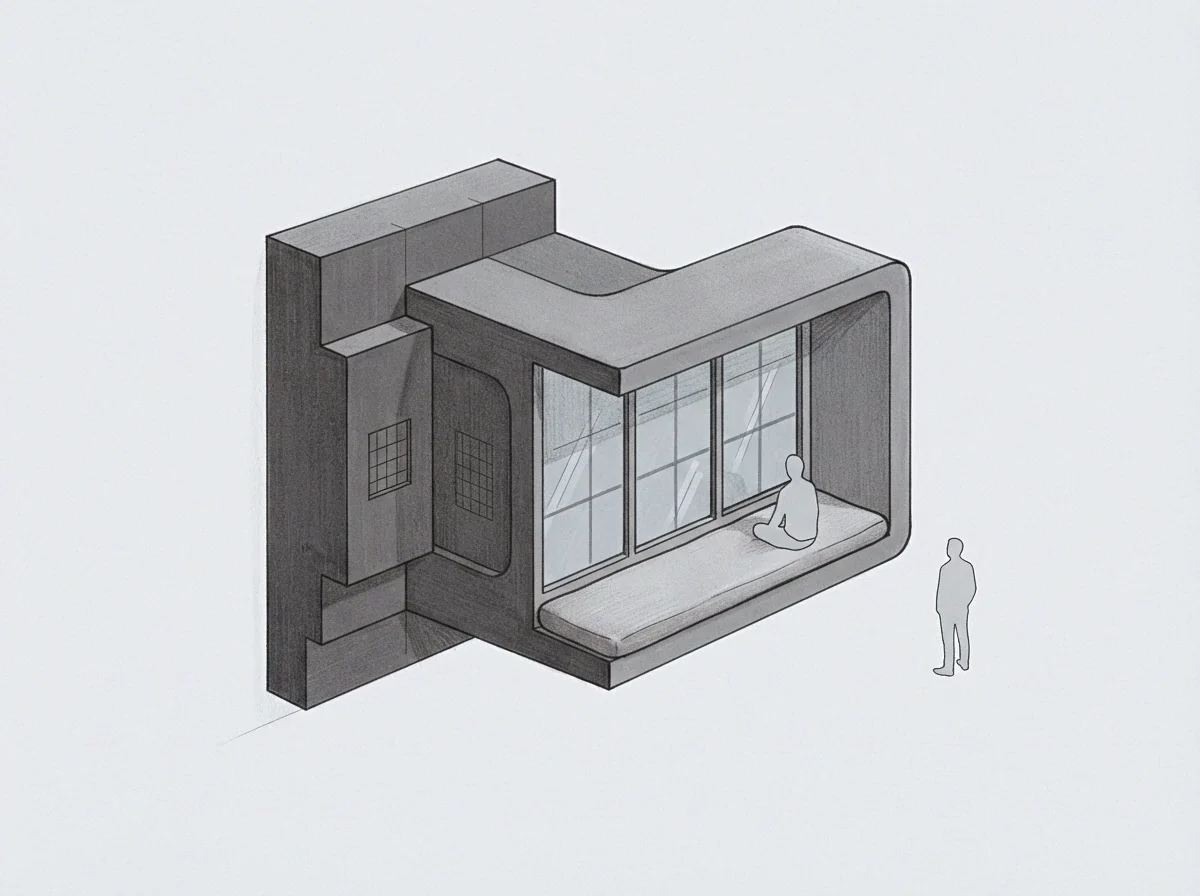
Over time, this cycle hardens into a permanent operational boundary. The operator builds structures, both personal and professional, that formalize their isolation. They establish communication protocols that eliminate spontaneous interaction, delegate tasks strictly through asynchronous text, and avoid unstructured visual contact.
The internal model of the self as a solitary operator becomes an external architecture that enforces solitude.
How can two people break a cycle where presence is experienced as strain and space is experienced as abandonment?
Pacing
Updating a recalibrated neural baseline demands structured, low-intensity re-exposure to reliable human proximity. The objective is not immediate emotional intimacy, but the gradual proof of biological safety. The brain must learn through direct, repeated evidence that the presence of another person can lower metabolic expenditure without introducing hidden operational costs.
This update process requires a clear sequence of micro-exposures that respect the existing capacity limits of the nervous system.
- Shared silence in the same physical room while working on entirely separate tasks for thirty minutes daily.
- Parallel execution of minor operational items where communication stays strictly limited to plain declarative facts.
- Short periods of joint observation where both individuals view a shared screen or document without looking directly at each other.
- Unstructured physical co-presence during passive activities, such as eating or walking, with no requirement to maintain conversation.
- Gradual introduction of shared problem-solving where the partner assumes responsibility for a discrete physical variable in the environment.
Through this sequence, the operator’s nervous system slowly registers that proximity does not mandate continuous management. The anterior cingulate cortex reduces its vigilance parameters as the brain begins to re-learn the basic mathematics of social baseline theory. The metabolic cost of regulation starts to decline, freeing cognitive capacity for high-level creative work.
Earned security develops as a second regulatory template alongside the old self-reliance model. The original baseline formed during extended isolation does not disappear entirely. It remains as a dormant setting, accessible during actual crises that require prolonged solitary operation.
The second template provides the operator with a choice: the ability to run on complete self-reliance when necessary, or to lower the metabolic budget by borrowing calm from a reliable partner when proximity is available.
The transition succeeds when passive physical proximity consistently yields a lower resting heart rate than solitary operation.