Meaning
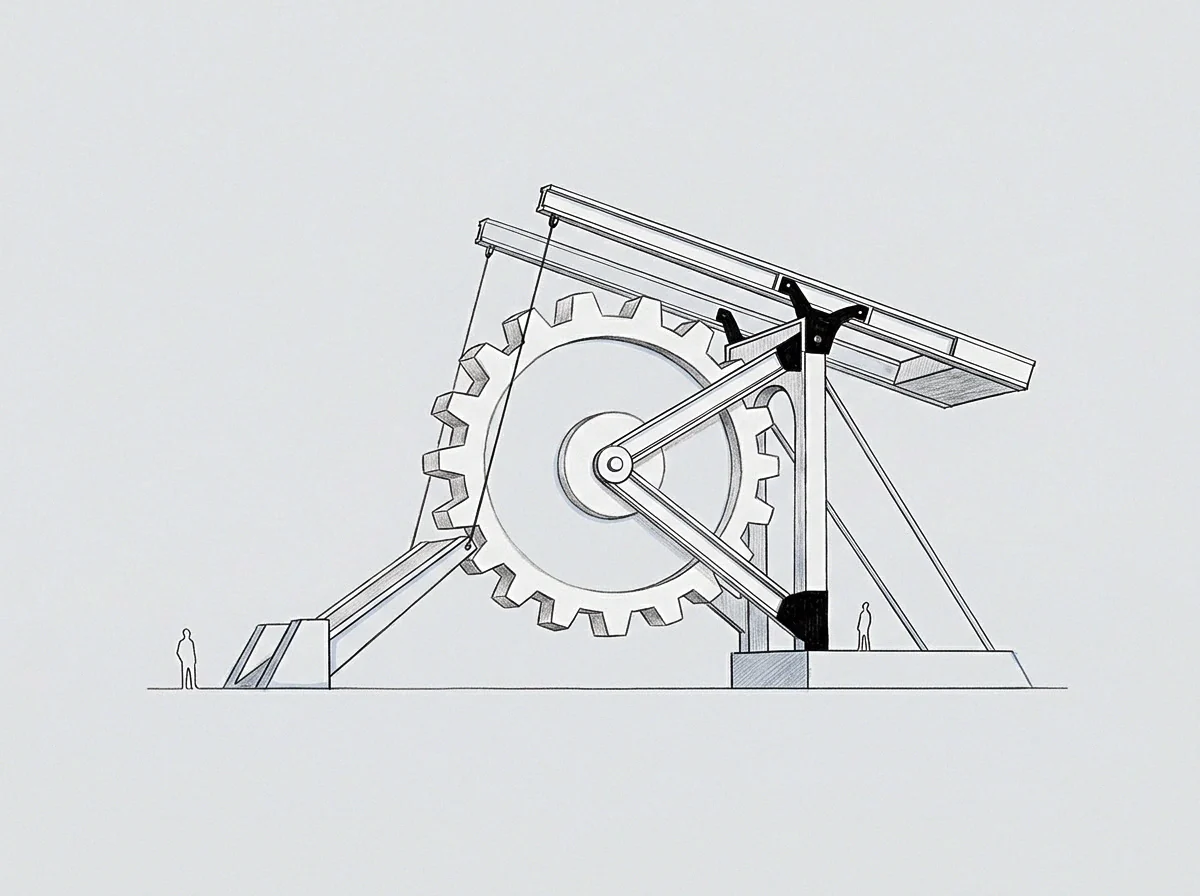
Autonomous capacity defines the state of a founder operating without external regulatory or resource support. This self-reliance requires the individual to manage allostatic load through personal metabolic and cognitive reserves instead of borrowed regulation from social or institutional frameworks. The condition ceases when the overhead of independent operation exceeds available mental and temporal bandwidth.
Regulator Mechanism
Independent performance functions by closing feedback loops within the singular nervous system of the operator. A founder provides their own social referencing and stress damping by internalizing the functions typically offloaded to partners or advisors. This process demands high baseline physiological regulation because the absence of co-regulation creates a direct cost in attentional capacity and long-term stamina.
Load Distribution
Internalized regulation occupies the same neural circuitry previously allocated to strategic decision-making or technical execution. Every hour spent maintaining this internal stability reduces the volume of work produced by the founder. Excessive dependency on individual regulatory modes leads to a decay in decision quality as the cost of monitoring one’s own state replaces the activity of market observation.
Operational Boundary
Boundaries exist where the complexity of the founded entity demands multiple points of observation for stable system function. Individual control remains viable only as long as the environmental inputs stay within the sensory range of a single agent. Scaling the organization requires a shift from this mode toward distributed regulation because human capacity provides a hard ceiling for individual self-containment.