
Neural Budgets And Silent Allostatic Depletion In High Growth Leadership Teams
Unbuffered leaders absorb organizational ambiguity alone, depleting neural metabolic budgets through solitary threat appraisal and unpriced co-regulation.
Demand
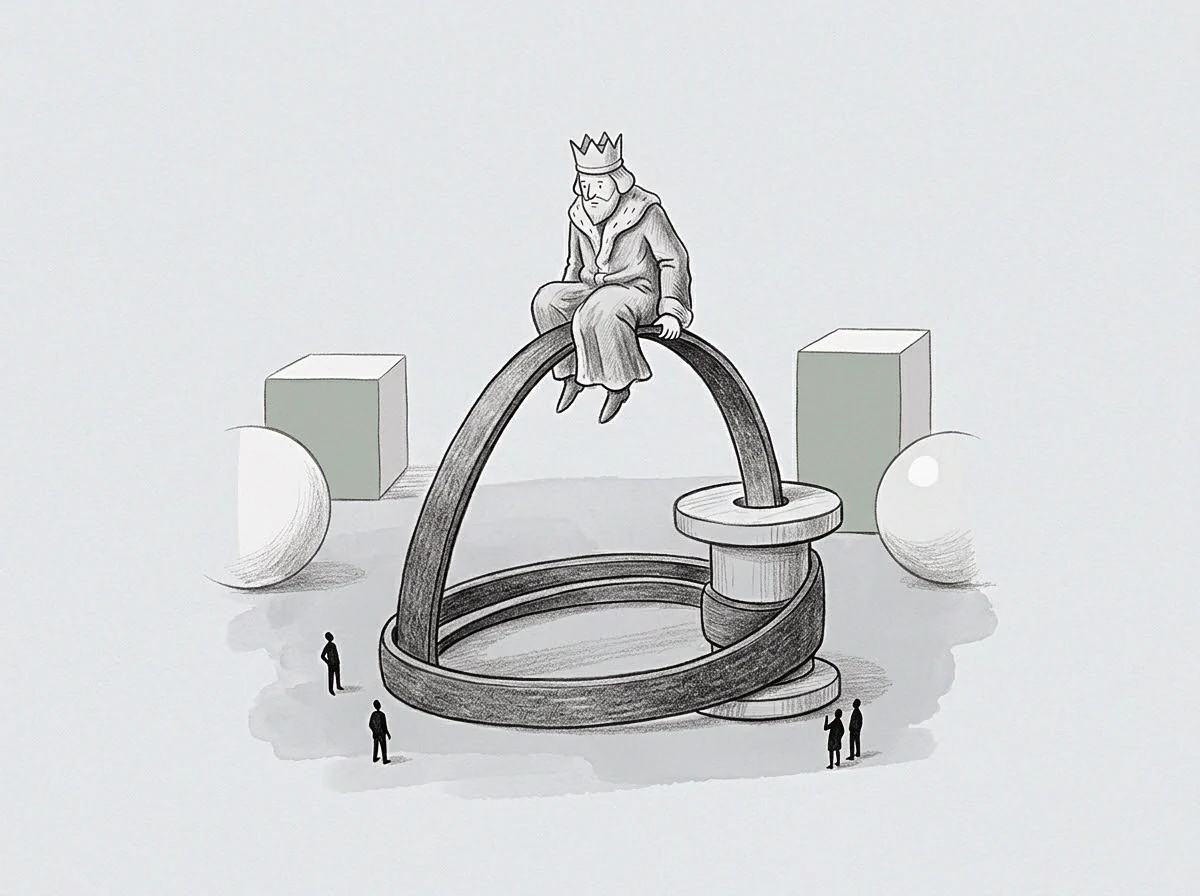
Four unread executive threads light up a laptop screen at midnight while cash burns during a delayed enterprise deployment. The sales lead asks for real-time pricing clearance on a non-standard contract, engineering wants arbitration on technical debt, and an investor sends three separate messages about customer retention curves. None of them write with urgency; five hours earlier, during the quarterly planning session, the executive showed total stability.
The senders assume capacity exists. Evaluating these incoming demands consumes measurable glucose.
That assumption sets up an asymmetrical physiological exchange. Under social baseline theory, the mammalian nervous system calculates risk and effort on the expectation that capable group members share the cognitive and metabolic burden. Working closely together, an executive team constantly tracks the physical and vocal composure of the primary operator to gauge operational capacity.
Steady speech, calm posture, and measured pauses register as proof of sufficient reserves. Direct reports quiet their own stress responses by grounding their vigilance in the leader’s composure.
A team operating at full speed takes a steady voice as permission to transfer unresolved operational friction.
The transfer happens without the senders realizing it. Leaning on an operator’s composure lowers their own autonomic arousal, a drop they mistake for personal focus and capability. They assume their own clear thinking resolved the strain.
Meanwhile, the leader providing that calm absorbs the unbuffered metabolic cost of holding uncertainty for four separate business units at once. Energy reserves fall below baseline. The company keeps shipping software while the central node absorbs compounding neural strain.
Because everything appears under control, another customer crisis is expected not to break the stride.
Wall

Autonomic Cost of Solitary Executive Regulation
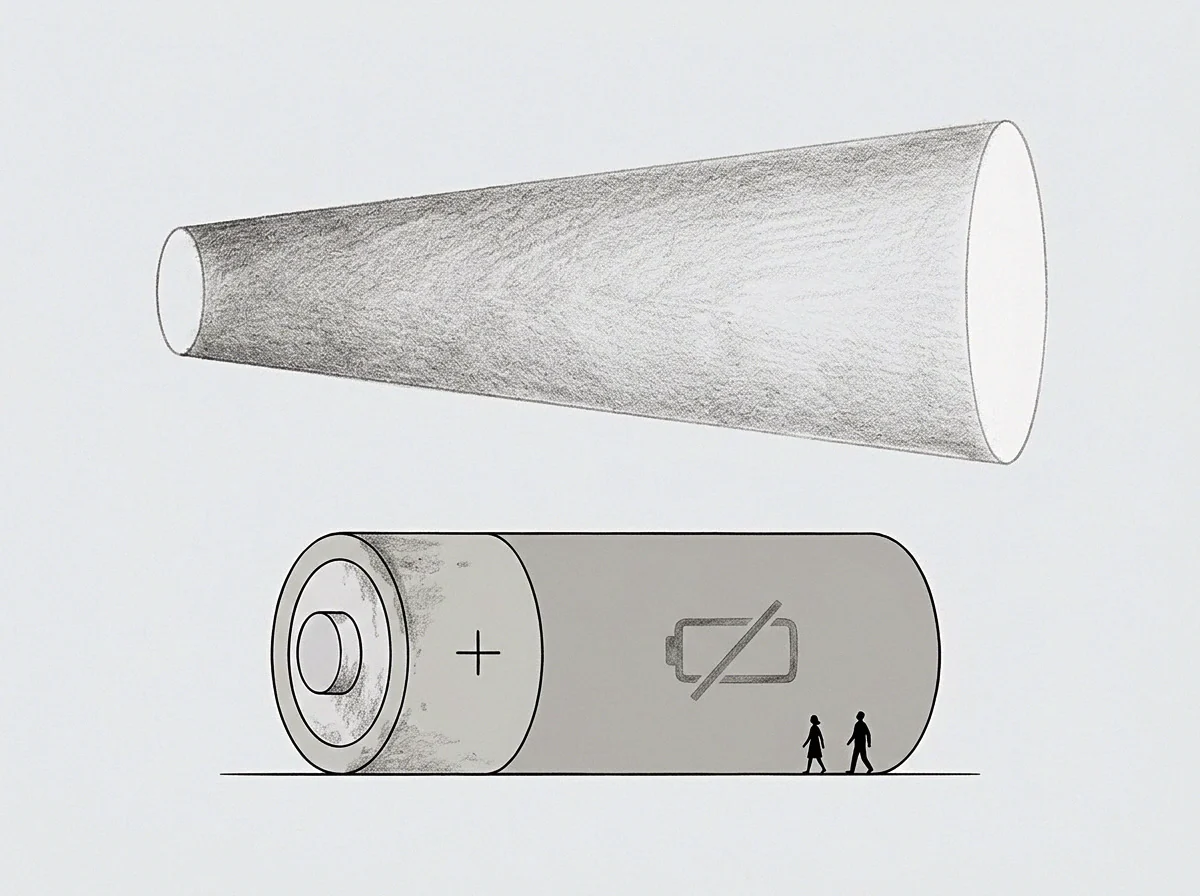
Evaluating threats without mutual biological support forces the brain into a metabolically expensive state. Laboratory studies measuring hypothalamic-pituitary-adrenal axis activity show that handling social or physical threats alone raises prefrontal oxygen consumption and speeds up glucocorticoid secretion. Being near a trusted partner who shares vigilance reduces that neural cost.
In venture-backed leadership teams, the founder frequently acts as a one-way buffer, absorbing team anxiety without receiving a stabilizing presence in return.
Sustained solitary regulation leads to allostatic load, the cumulative physical wear caused by constant adaptation to chronic stress. Glucocorticoid receptor resistance sets in when cortisol levels stay high across multiple quarters of intense execution. The brain budgets for threats through predictive allostasis, mobilizing metabolic energy before work starts.
When operational pressure consistently exceeds physical capacity, the central nervous system shifts its strategy from active resource allocation to systemic rationing.
Physical wear builds quietly long before alarms sound.
- Suppression fatigue speeds up autonomic exhaustion when an executive maintains visible calm during internal somatic alarms.
- Attentional tunneling narrows focus to immediate crises, leaving no bandwidth for broader strategic synthesis.
- Neuroendocrine blunting flattens daily cortisol curves, bringing morning fatigue paired with late-night restlessness.
- Metabolic rationing restricts peripheral blood flow, slows digestion, and dampens immune function to safeguard prefrontal glycogen.
Predictive allostatic distribution turns unbuffered vigilance into systemic endocrine downregulation before output suffers visibly.
Which Mechanism Triggers First Under Unbuffered Concurrency?
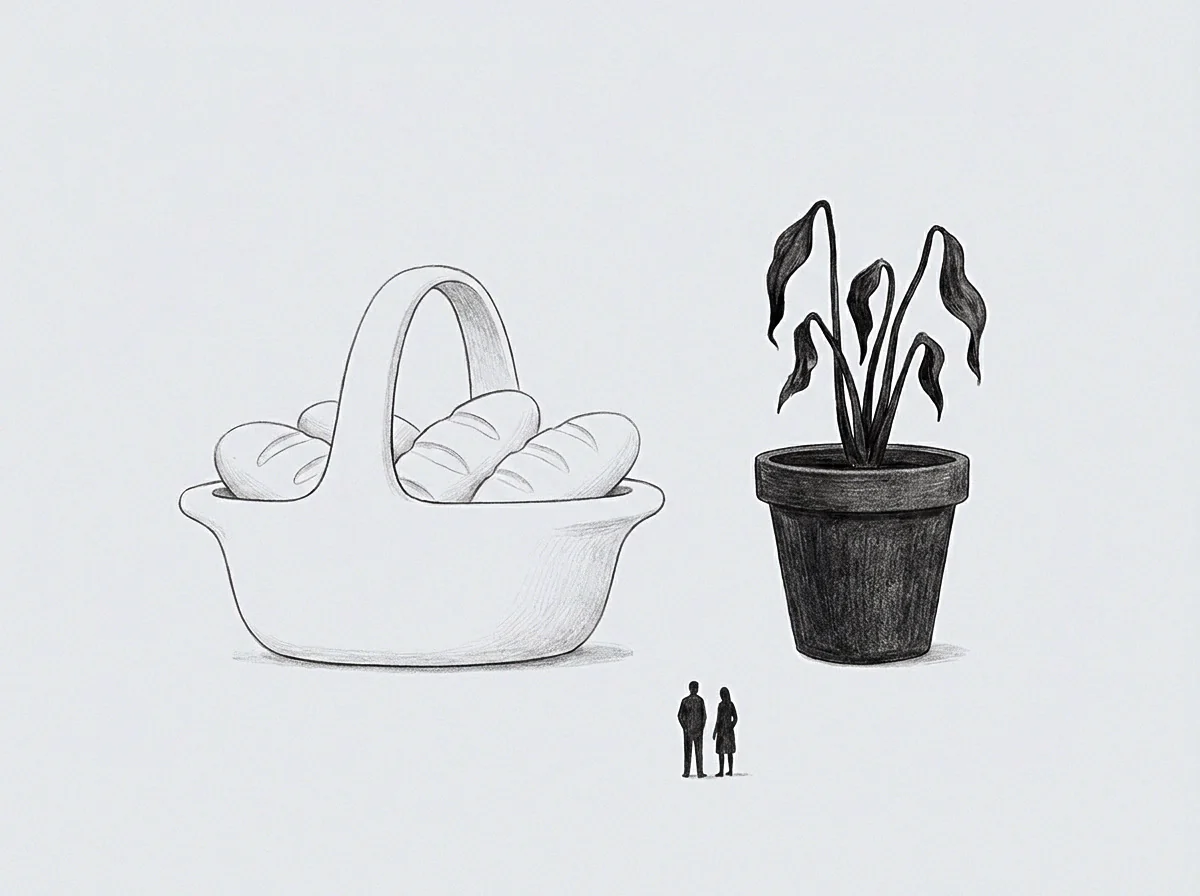
The first point of failure appears in the prefrontal working memory circuits that handle complex decision-making. Each unbuffered operational crisis kept active in working memory functions like an open thread drawing constant metabolic energy. Managing customer churn, executive turnover, and runway limits at the same time exceeds the brain’s concurrency limit of five to seven distinct concepts.
The executive absorbs that cognitive cost alone.
Ignoring this physiological limit eventually ripples across the business, surfacing as sudden executive burnout, abrupt changes in strategy, or cognitive paralysis right when operational scale demands stability.
Siphon

The Asymmetry of Borrowed Regulation
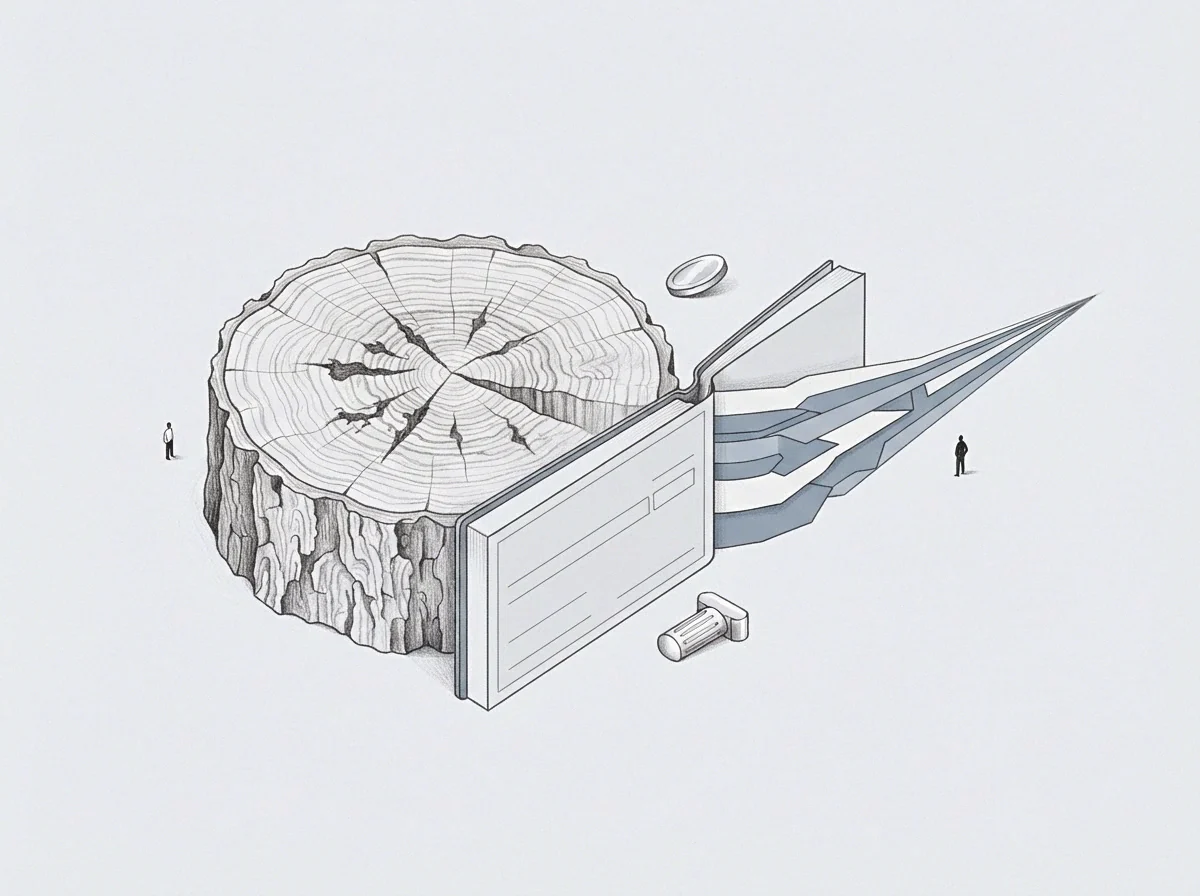
High-pressure executive environments often operate like biological markets where calm is traded without accounting for its cost. A leader whose early background demanded high vigilance often forms a regulator template, an internal model that links safety to stabilizing others while asking for nothing back. The operator becomes the grounding reference for the rest of the leadership team, masking deep structural fatigue under borrowed composure.
The leadership team effectively acts as a strain-transfer mechanism. As operational friction mounts, direct reports bring unresolved ambiguity to the founder for immediate relief. The founder absorbs the stress, organizes the problem into actionable steps, and hands back a clear plan.
Direct reports leave the meeting calmed, their heart rate variability restored by the founder’s steady presence. The founder stays at the table with an elevated heart rate, restricted peripheral blood flow, and depleted prefrontal capacity.
Daily work moves forward while internal energy drains.
| Dimension | Solitary Regulator Model | Distributed Biological Baseline |
|---|---|---|
| Neural Resource Distribution | Prefrontal cortex draws heavy glycogen to handle threat assessment alone | Cortical load spreads across team members who genuinely share problem ownership |
| Autonomic Signaling State | Chronic stress arousal masked by controlled physical posture | Healthy transitions between intense effort and vagal recovery |
| Team Vulnerability Pattern | Single point of failure concentrated entirely in the primary leader | Distributed resilience letting individual members rotate into rest phases |
| Relational Dynamics | One-sided dependence where direct reports lean on founder composure | Mutual support where shared presence provides reciprocal physical stabilization |
This pattern creates an intense relational trap. Because the founder never displays distress, executives assume endless physical and emotional capacity. They hold back support, assuming an apparently invulnerable leader does not need it or might find it patronizing.
Friction moves upward. The founder reads the absence of support as proof that no one else can handle the pressure, locking both sides into a cycle of quiet depletion.
- Unreciprocated containment occurs when an executive absorbs team anxiety quarter after quarter while maintaining complete physical composure.
- Structural parasitism sets in as direct reports rely on escalating issues to the executive rather than building their own tolerance for uncertainty.
- Allostatic debt accumulation mounts behind clean operational metrics, quietly eroding cognitive sharpness and empathy.
- Autonomic detachment develops when the nervous system triggers dissociation to protect basic physical functioning under extreme load.
A team operating without explicit concurrency caps converts unresolved friction into continuous metabolic strain on its central leader.
Capping availability at four daily operational contact hours shifts this dynamic, requiring direct reports to manage their own stress instead of drawing composure from the executive desk.

Circuit

The Architecture of the Responsive Other
Changing an entrenched regulator template takes more than intellectual insight. An exhausted founder reading neuroscience may understand allostatic strain perfectly while still taking midnight calls from the VP of engineering. The template operates as an embodied sensorimotor pattern rather than a set of concepts.
It changes only through repeated experiences of earned security, where expressing a limit or showing vulnerability brings support instead of organizational risk.
Building mutual regulation requires a genuinely responsive other. In high-growth companies, this role cannot be filled by anyone whose equity or career relies on the founder appearing unshakable. It requires a peer, an independent board member, or a colleague equipped to handle executive stress without panicking.
Physical presence alters endocrine responses: when two experienced operators sit in a quiet room without agendas and talk openly about business risk, the anterior insular cortex registers shared responsibility, allowing threat-monitoring circuits to dial back solo vigilance.
Unmanaged operational overload accelerates physical exhaustion.
Electrical grids use step-down transformers to protect transmission lines from sudden power surges. Companies rarely build similar safeguards for their leaders, leaving executives directly exposed to customer losses, competitor moves, and funding deadlines. Shared presence serves as biological grounding, spreading that voltage across multiple people so a single nervous system does not burn out.
Anyone carrying severe operational pressure needs to anchor their nervous system with a partner who demands no performance in return.
Post
Setting operational boundaries is a biological necessity, not personal distance. When a leader enforces a clear stated limit on availability, initial pushback is inevitable. Direct reports accustomed to borrowing composure often feel unsettled, misinterpreting the boundary as disinterest.
They escalate issues to pull the leader back into absorbing their stress. Staying firm through that friction forces the team to build its own resilience.
Making this transition requires discipline across four core areas:
- Throttling executive intake by setting up asynchronous filters that require written context and proposed decisions before scheduling live time.
- Decoupling composure from presence by delegating high-stakes operational meetings so direct reports experience and manage business ambiguity themselves.
- Constructing external regulatory sanctuaries with peers outside the cap table where leaders can speak candidly without professional risk.
- Tracking somatic indicators such as sleep quality, resting heart rate variability, and muscle tension as essential health metrics.
Direct reports often mistake borrowed stability for personal capability. When a leader stops acting as the company’s shock absorber, operations can feel less coordinated at first. Meetings run looser, open questions linger, and mid-level anxiety ticks up.
That friction simply shows an organization learning to carry its own weight. Stepping back allows the leader to move from absorbing daily stress to serving as a structural anchor, protecting the energy needed to guide the business over years instead of quarters.
The open challenge is how leadership teams systematically unlearn their reliance on borrowed calm when tight capital markets demand swift, precise strategic shifts.