
Neural Suppression Of Social Regulation Inputs During Sustained Stress
Sustained stress floods neural circuits with glucocorticoids, silencing oxytocin receptors and blocking the brain from receiving social regulation inputs.
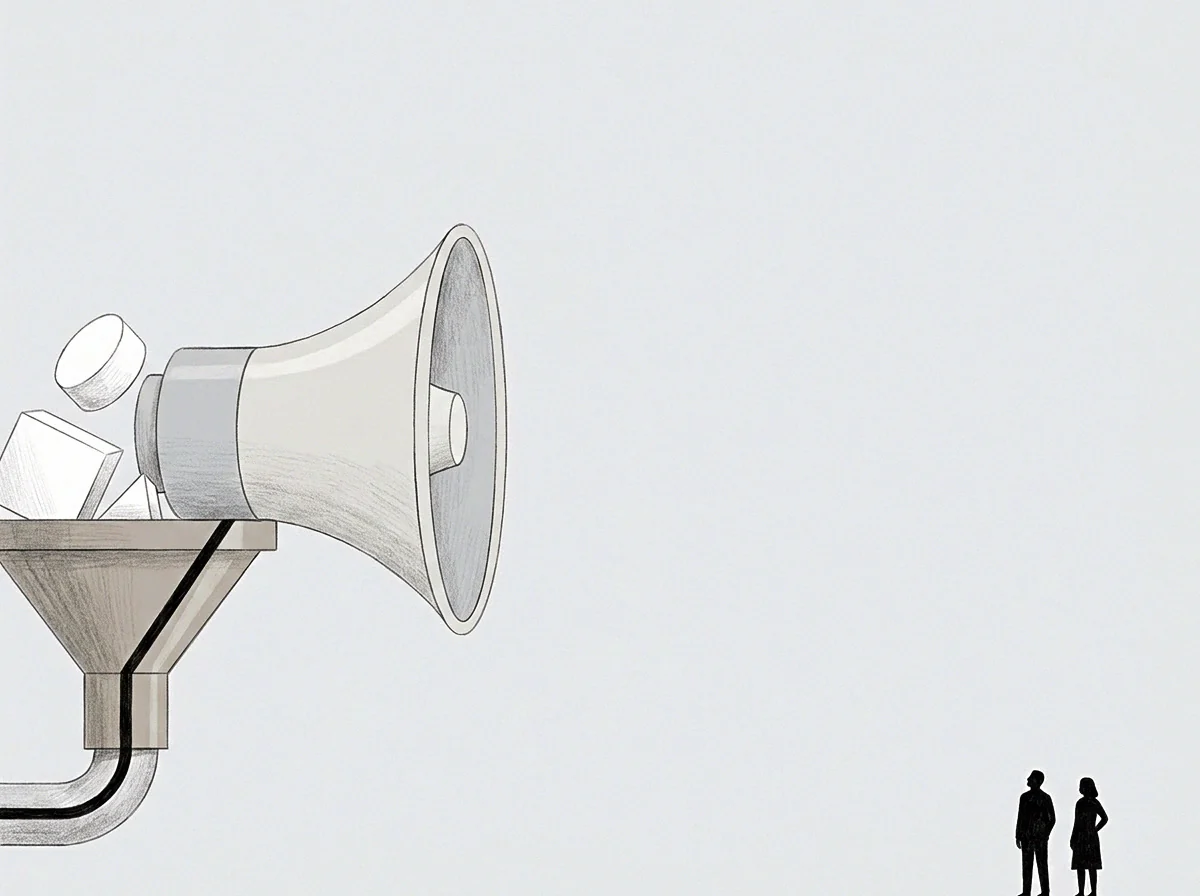
Floor
The human nervous system budgets metabolic output under the standing assumption that a reliable second body is nearby. In social baseline theory, physical proximity to an allied presence lowers the neural cost of environmental vigilance, downregulating activity in the dorsolateral prefrontal cortex, the anterior cingulate cortex, and the amygdala. When a founder or principal operator enters sustained high-threat exposure, this baseline economy collapses.
The phone screen lights the dark. Four distinct operational crises sit open at two in the morning, and the autonomic nervous system runs its alarm circuits without intermission.
Under acute stress, a partner or co-founder reaching across the table provides immediate somatic stabilization. The nervous system registers the ally, pools environmental risk, and drops the hormonal production of catecholamines. Sustained stress reverses this physiological bargain.
Prolonged systemic circulation of cortisol and norepinephrine alters the neural architecture responsible for processing social safety cues. Solitary vigilance carries a steep price.
A nervous system operating at ceiling consumes its own metabolic reserves before registering any external presence.
The shift begins when the brain stops treating another person as an economy. Neural tissue burns glucose rapidly. In ordinary conditions, offloading threat monitoring to a partner saves measurable calories and calms peripheral vascular resistance.
Once allostatic load crosses the threshold of chronic operational crisis, the prefrontal capacity required to assess, interpret, and trust relational signals becomes depleted. The presence of another human being ceases to function as borrowed regulation. It registers instead as an additional sensory channel that demands active monitoring.
The founder sitting in the center of an organization under existential strain experiences this transformation as a sudden inability to feel supported. A partner offers presence, an investor offers patience, or an early employee sits down to share the workload, yet the founder experiences no reduction in sympathetic activation. The heart rate stays elevated.
The peripheral vasoconstriction remains locked. Mistaking this physiological block for personal alienation destroys arrangements that could otherwise survive the operational crisis.
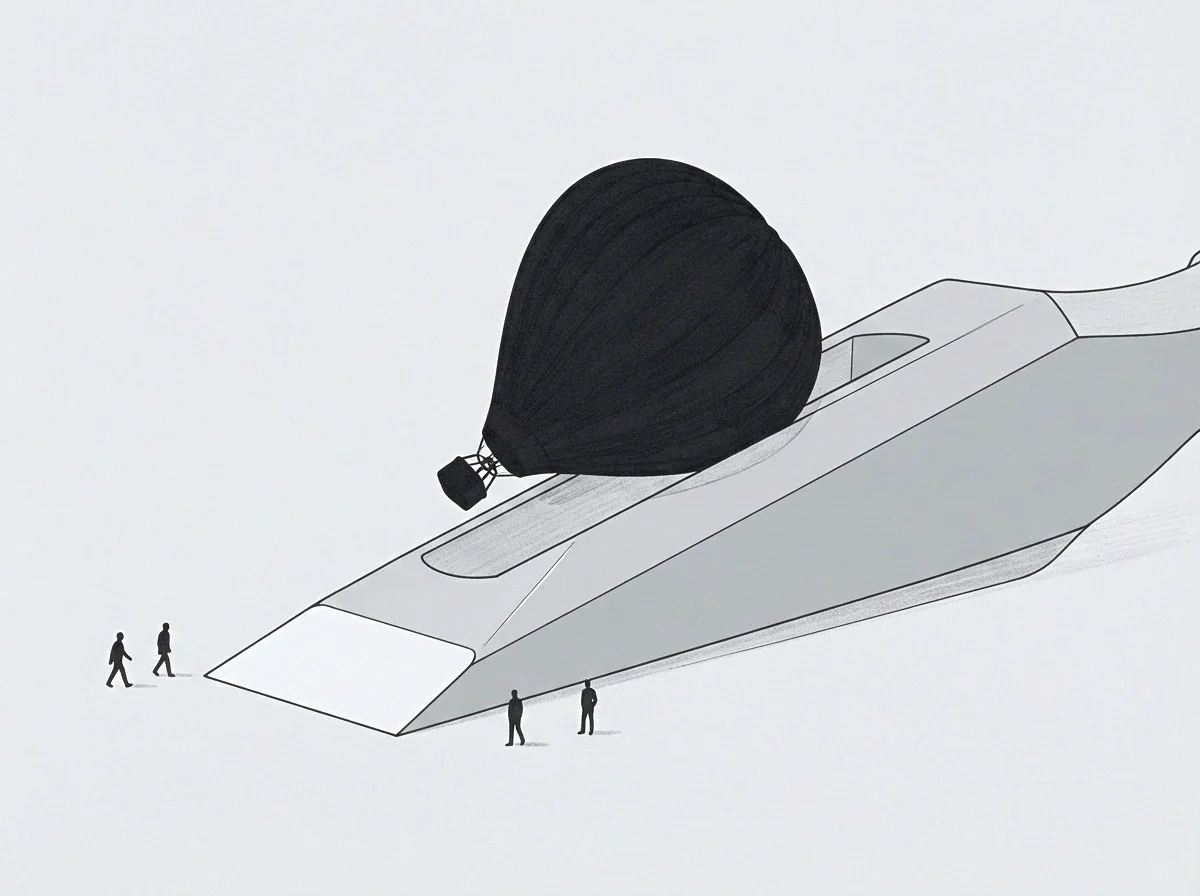
Signal
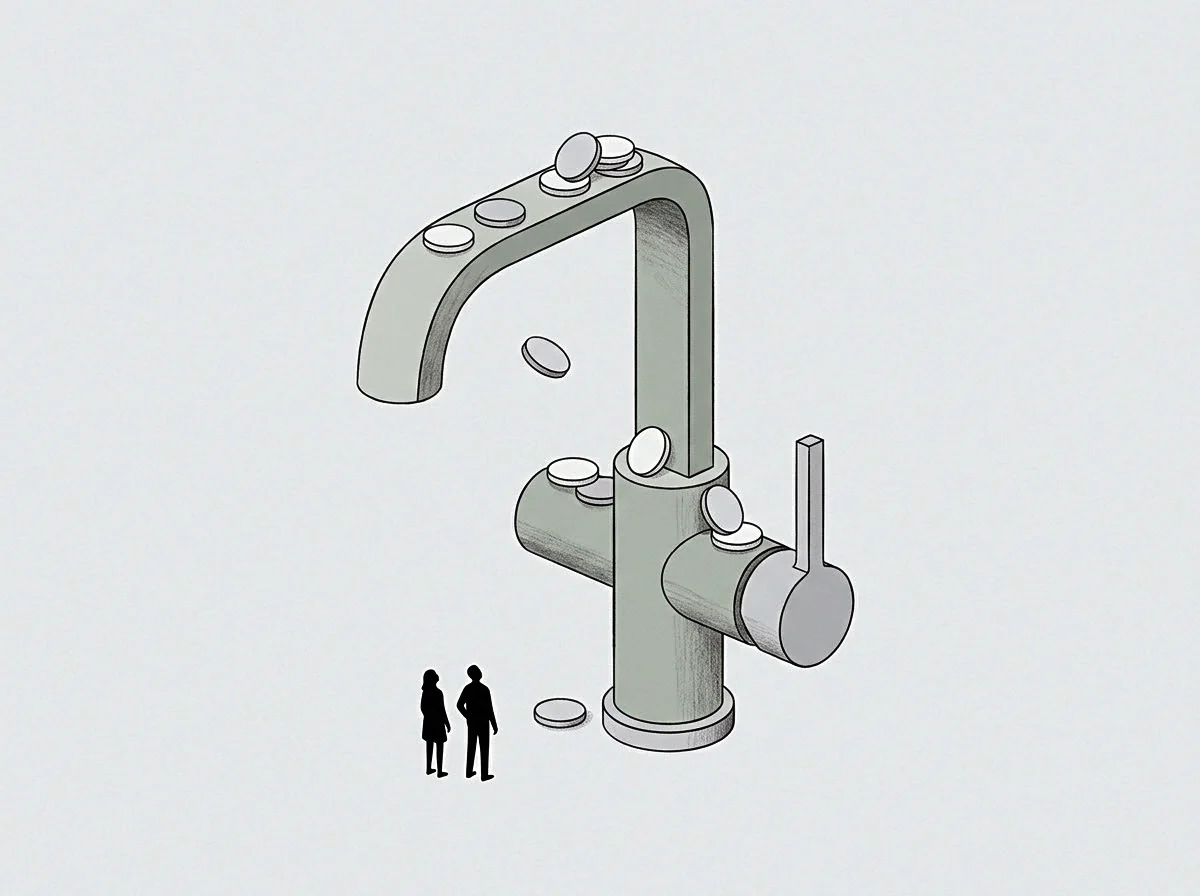
Suppression Of The Receptive Mechanism
Neural suppression of social regulation inputs occurs through measurable neurochemical downregulations. Prolonged glucocorticoid saturation degrades dendritic spine density within the medial prefrontal cortex and CA1 region of the hippocampus. Concurrently, it drives arborization and hyper-responsiveness inside the basolateral amygdala.
This structural divergence forces the brain into an involuntary survival posture. The offered hand brings no relief.
Oxytocinergic pathways within the nucleus accumbens and ventral tegmental area experience functional silencing under persistent corticosterone exposure. Oxytocin facilitates the soothing effect of vocal prosody, warm touch, and relational gaze. When these receptor sites downregulate, the relational inputs that normally signal safety lose their subjective valence.
Receptors downregulate under continuous flood. The sensory data of an ally speaking calmly enters the auditory cortex intact, but the signal fails to trigger parasympathetic downstream vagal tone.
- Ventral Striatal Attenuation dampens the subjective reward value of shared presence, leaving relational contact stripped of soothing qualities.
- Prefrontal Bandwidth Exhaustion prevents the cognitive recontextualization of an incoming offer, rendering social overtures functionally equivalent to system noise.
- Oxytocinergic Decoupling terminates the neurochemical translation of gentle gaze and vocal cadence into peripheral vagal calming.
Sustained systemic cortisol saturation blocks the parasympathetic conversion of relational contact at the receptor level.
The nervous system trapped in this state exhibits what neuroscientists term social anhedonia alongside threat appraisal distortion. Every incoming social gesture is evaluated through survival circuits. An inquiry about capacity registers as a demand for performance.
A gentle hand on the shoulder registers as tactile intrusion. Isolation becomes an involuntary reflex. The regulatory machinery that once allowed the individual to borrow calm from another human being is shut off behind a wall of neurochemical resistance, leaving the operator with no physiological option except solitary self-containment.
Whether this receptor silencing reverses immediately upon the removal of the operational threat remains undetermined across clinical populations studied under sustained economic duress.
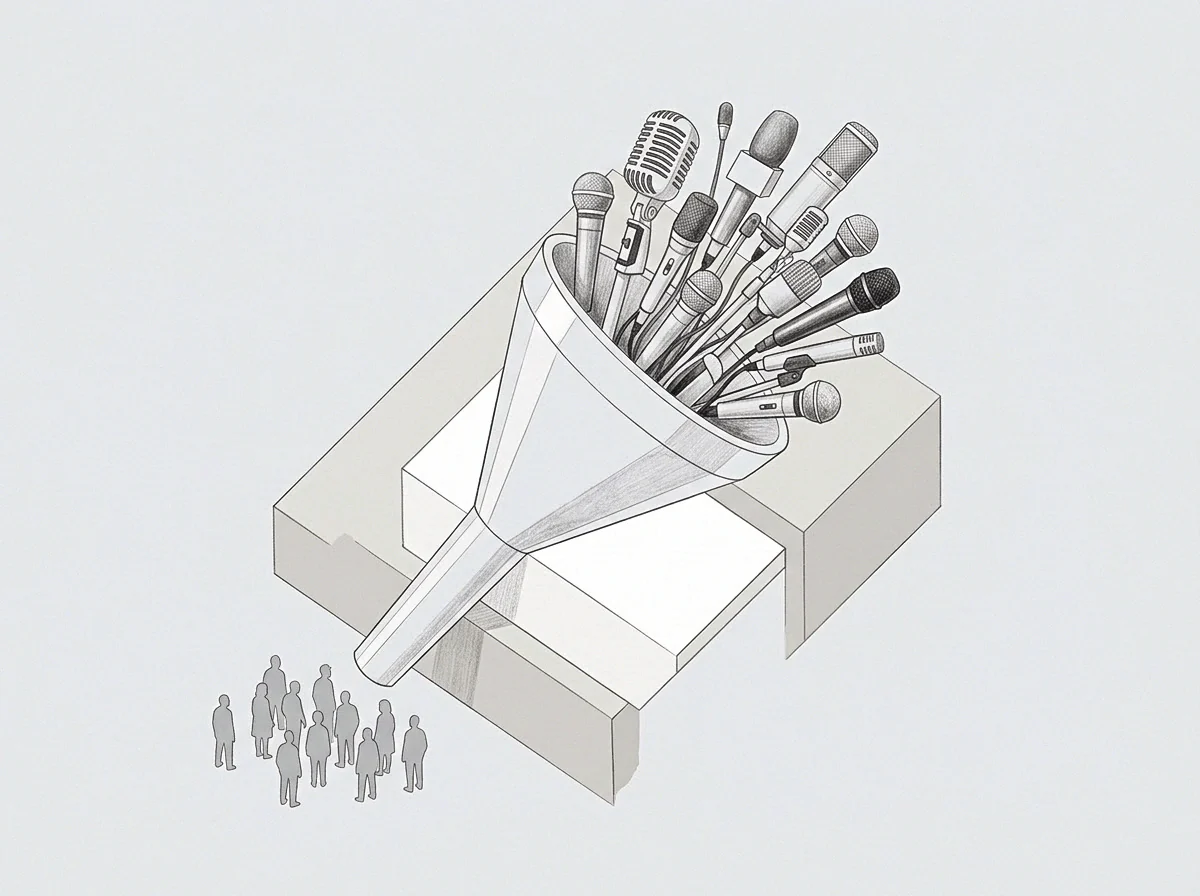
Table
Comparing Regulatory States Under Threat
The operational divergence between an open social baseline and a suppressed regulatory circuit shapes how energy is allocated across an organization. When social baseline access remains open, threat detection is distributed across peers. When prolonged pressure suppresses these inputs, the entire monitoring burden falls on the individual operator.
| Dimension | Social Baseline Economy | Suppressed Input State |
|---|---|---|
| Prefrontal Metabolic Cost | Conserved through shared vigilance and proximity | Exhausted through solitary environmental surveillance |
| Vocal Cadence Reception | Triggers immediate parasympathetic vagal braking | Processed as informational load without somatic relief |
| Amygdala Activation | Attenuated rapidly by trusted physical contact | Persistent hyper-reactivity regardless of company |
| Interpretation Of Proximity | Somatic relief and physiological conservation | Sensory demand and intrusive operational friction |
| Relational Orientation | Mutual load distribution across present bodies | Total self-containment with defensive boundary clamping |
An exhausted prefrontal cortex reads an offer of shared presence as an unpaid administrative obligation.
Consider an operational arrangement where two partners share forty percent equity each, with thirty employees depending on payroll execution during an acute liquidity squeeze. Under normal operating conditions, one partner walking into the office grounds the other through brief physical presence and shared gaze. As the liquidity crisis extends past sixty continuous days, the neural suppression mechanism engages fully.
When the second partner enters the room, the primary operator experiences no drop in galvanic skin response. The partner speaks, but the listener receives the words purely as transactional data that must be managed.
The dynamic becomes expensive for the enterprise. The partner attempting to provide borrowed regulation feels repelled, misinterpreting the lack of reception as personal hostility or managerial contempt. The primary operator feels entirely solitary, convinced that nobody in the building understands the scale of the crisis.
Both conclusions are misattributions of a biological ceiling. Stating an explicit operational pause condition changes the dynamic by replacing ambiguous personal interaction with structured, silent task segregation.
Splice
The Backwards Regulator Model
Prolonged suppression of social regulation inputs re-anchors the internal working model of the founder. Attachment theory establishes that individuals construct internal templates of how the social world operates based on repeated somatic encounters. When an individual spends months or years managing high-stakes volatility alone, the nervous system adapts to the absence of receptive regulation.
The template hardens over time.
A specific operational distortion takes root: the backward template. In this state, the operator internalizes a model of the self as the sole provider of stability for everyone in the room, while systematically eliminating any internal slot for receiving stabilization from others. The person regulates everyone else through their own physical composure, deliberate vocal flattening, and absorption of systemic panic.
The baseline shifts. The founder becomes the ground wire for the collective circuit.
- Unidirectional Regulation Deployment where the operator projects steadiness to stabilize reports, investors, and clients while absorbing all operational friction into their own physiology.
- Atrophy Of The Receptive Slot occurring as the neurochemical pathways for receiving co-regulation fall out of use through unrelenting survival demands.
- Identification With The Anchor Role leading the individual to equate safety with absolute solitary control, viewing any reliance on an external body as systemic vulnerability.
A regulator proven under heavy operational threat attracts compounding volume until the capacity to receive support disappears completely.
The founder operating on this backward template faces an invisible structural trap. Strength under stress attracts more load. Because the operator displays composure, colleagues and board members lean on that composure to regulate their own panic.
The founder regulates the room, the room leaves feeling calm, and the founder returns to an empty desk with heightened autonomic arousal. Presence registers as another assignment. The capacity to be held, relieved, or co-regulated by a peer vanishes from the behavioural repertoire.
No matter how deeply a companion loves the person in this seat, the company cannot survive someone who refuses to let another human hand touch the steering wheel.
Tether
Can Receptive Capacity Recover Under Continued Pressure?
Restoring the neural reception of social regulation cannot be accomplished through intellectual analysis or cognitive decisions. A founder cannot choose to feel comforted by another human being when the underlying neurochemical receptors are down-regulated by high allostatic load. Insight names the missing slot.
Only repeated, low-threat visceral experience restores it. Words provide no somatic settling.
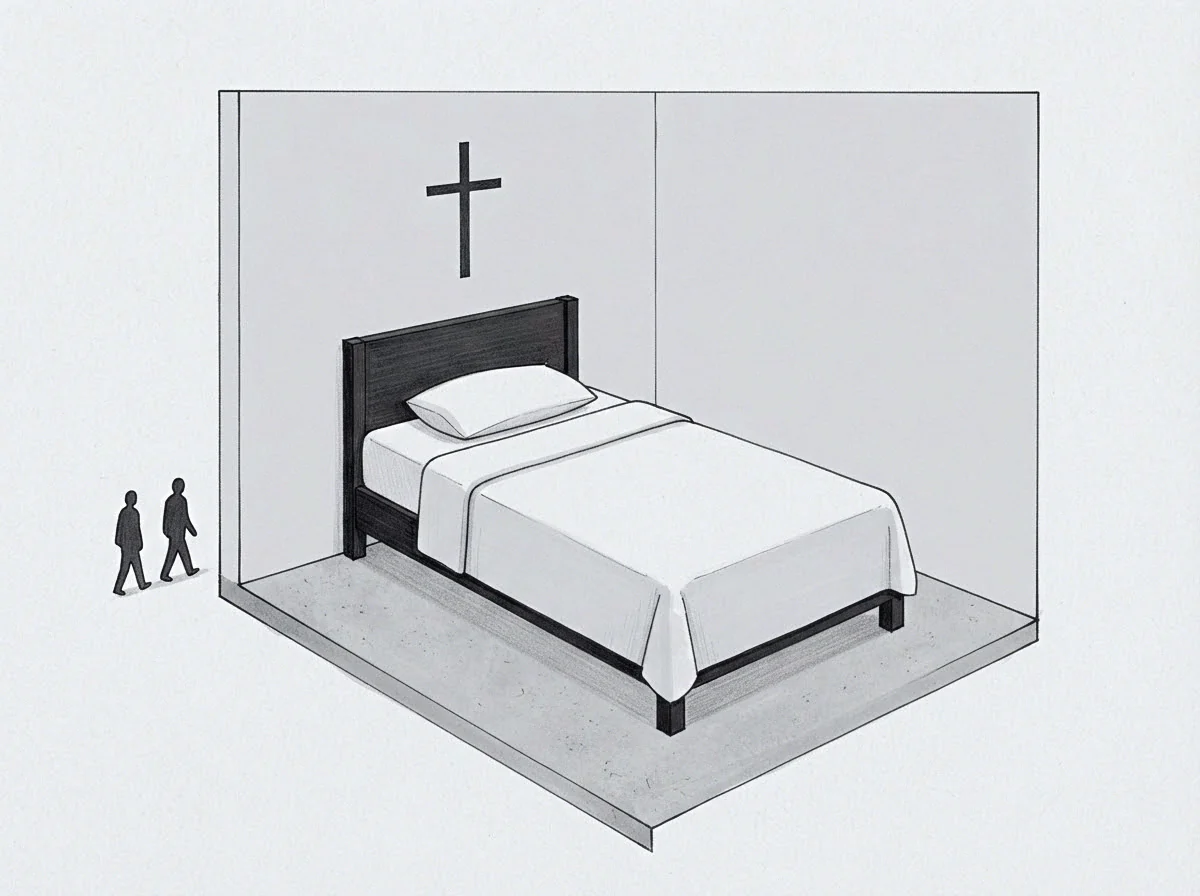
Re-establishing the social baseline economy demands low-demand physical adjacency. The nervous system that rejects conversation, advice, and emotional processing will often tolerate parallel presence. This involves two people occupying the same room while working on separate tasks, without eye contact, verbal processing, or performance expectations.
Quiet proximity asks for nothing. Under these conditions, the metabolic cost of monitoring the other person drops toward zero, allowing peripheral autonomic circuits to register the presence without prefrontal intervention.
The physiological update follows a slow delta over time. When the nervous system discovers that an external body can remain in proximity without introducing demands, questions, or panic, the defensive prefrontal clamp loosens. Oxytocin receptor binding slowly increases across the striatum.
Vagal nerve regulation gradually begins to register the slower breathing and calm heart rate of the companion, allowing the operator to borrow parasympathetic tone without consenting to cognitive vulnerability. Recovery occurs through repeated physical safety.
When load threatens to shatter the remaining capacity of the operator, silence beside a steady peer preserves the baseline better than any spoken counsel.