

Social Baseline Mechanics in High Pressure Co-Founder Partnerships
Proximity to a steady partner lowers the metabolic cost of baseline threat regulation by offloading prefrontal expenditure onto a shared physiological baseline.
Proximity to a steady partner lowers the metabolic cost of baseline threat regulation by offloading prefrontal expenditure onto a shared physiological baseline.

Insolvency shock alters executive baseline templates, requiring repeated co-regulation to rebuild neural receptor capacity for stable downward support.

Deep strain floods threat networks, suppressing prefrontal channels and blocking the neural slots required to process external calm as a physiological subsidy.

Intellectual understanding fails to soothe autonomic threat because subcortical regulation requires repeated relational safety signals rather than cognitive insight.

Solitary autonomic regulation under organizational scaling drives allostatic overload, forcing neuroendocrine biological throttling when shared social baselines are absent.

Extended operational leadership inverts the regulator template, causing external coregulation offers to register as cognitive load rather than physiological relief.
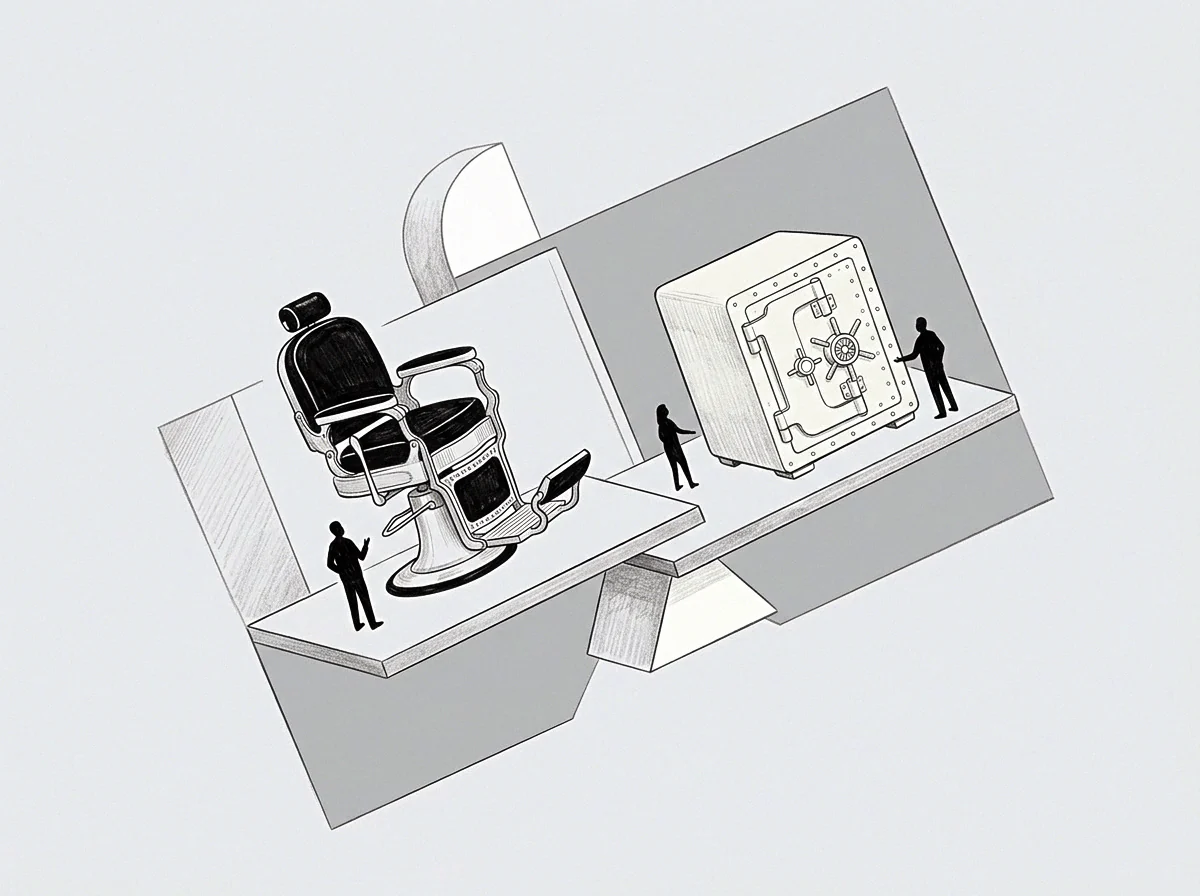
Receptor permeability calibration lowers executive self-regulation costs by enabling co-regulatory baseline updating across high-pressure leadership coalitions.
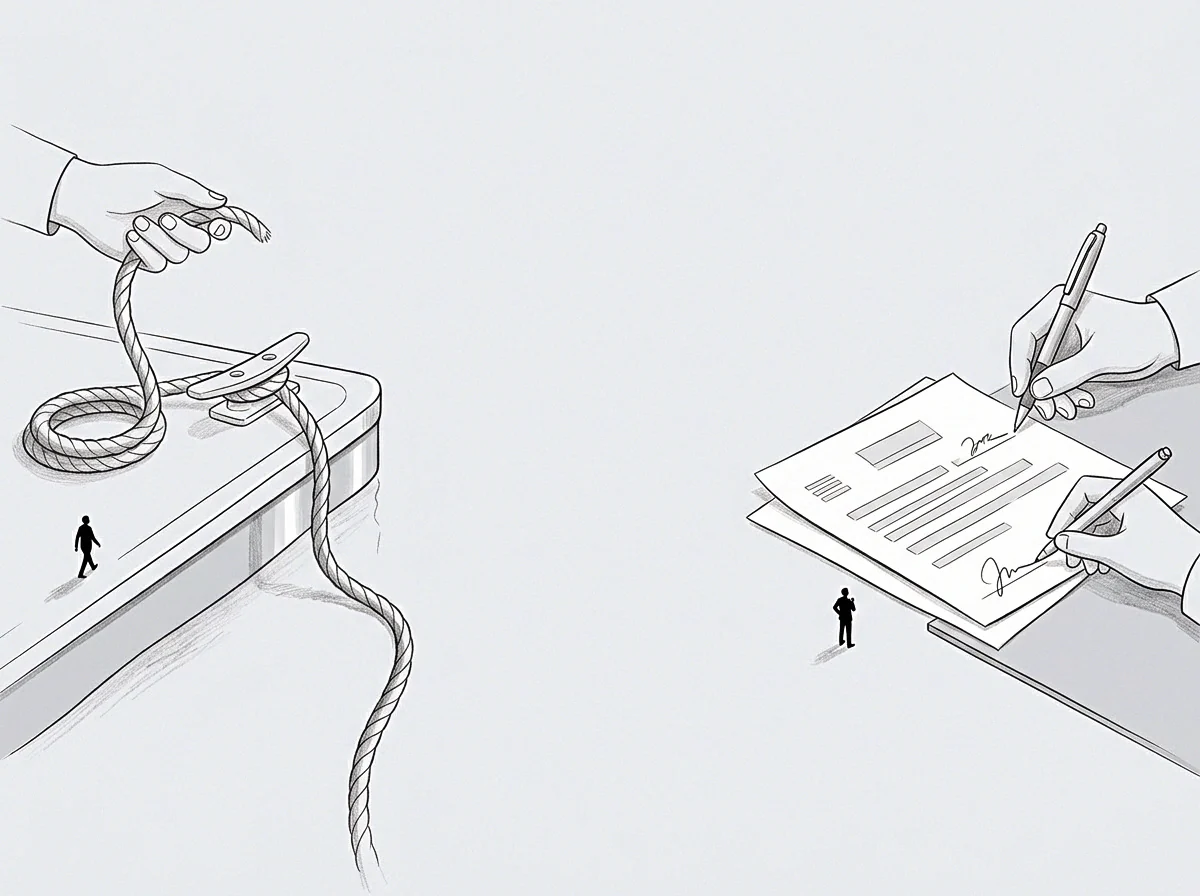
Extended solo operation down-regulates receptive vagal capacity, requiring gradual, non-verbal micro-exposures to safe proximity to restore co-regulation.
The terms are written where they belong. Each field holds three desks, and every entry a desk writes raises the terms it uses, each term given a meaning, a mechanism and the places it appears. The record on these pages stays first person and hand made; the fields grow the nomenclature.