
Neuroendocrine Limits On Restoring Ventrovagal Social Engagement After Prolonged Enterprise Isolation Stress
Prolonged strategic isolation locks hypothalamic tone in defensive mobilization, blunting ventrovagal social engagement until neuroendocrine baselines reset.
Threshold
Moving from an extended period of high-stakes solitary decision-making into a room full of active partners creates an immediate autonomic shock. The brain, adapted to months or years of solitary threat assessment, reads incoming facial expressions and vocal prosody as intrusive signals rather than invitations to connect. Eye contact, which normally recruits the myelinated vagal circuit to foster safety, feels abrasive to a system tuned for constant vigilance.
Sitting across from colleagues or a partner, the body registers the room as a complex operational field demanding defense.
Isolation alters autonomic priorities. Carrying executive responsibilities alone without shared regulation causes the nervous system to habituate to high sympathetic activation or protective withdrawal. Re-entering a collaborative environment requires a physiological shift the body cannot produce on command.
Instead of easy engagement, a founder often experiences sudden muscle tension, an elevated resting heart rate, or a complete absence of emotional resonance. The intention to engage exists in the cortex, but the subcortical machinery does not disarm.
The Visceral Reality Of Post Isolation Contact
Running four open communication channels on a laptop late at night while sitting at a dinner table creates a severe physiological split. The cognitive mind attempts to process relational dialogue while the endocrine system remains locked in threat mode. Tone dictates receptive headroom.
Words spoken by a partner can sound sharp or loaded with implied demands, even when delivered gently. Lacking the neurochemical buffer built through continuous co-regulation, the central nervous system misinterprets closeness as pressure.
Safety precedes social perception. Under prolonged isolation stress, the middle ear muscles lose their autonomic tension, diminishing the ability to extract human vocal frequencies from background noise. Speech becomes harder to parse, increasing the cognitive effort of routine conversation.
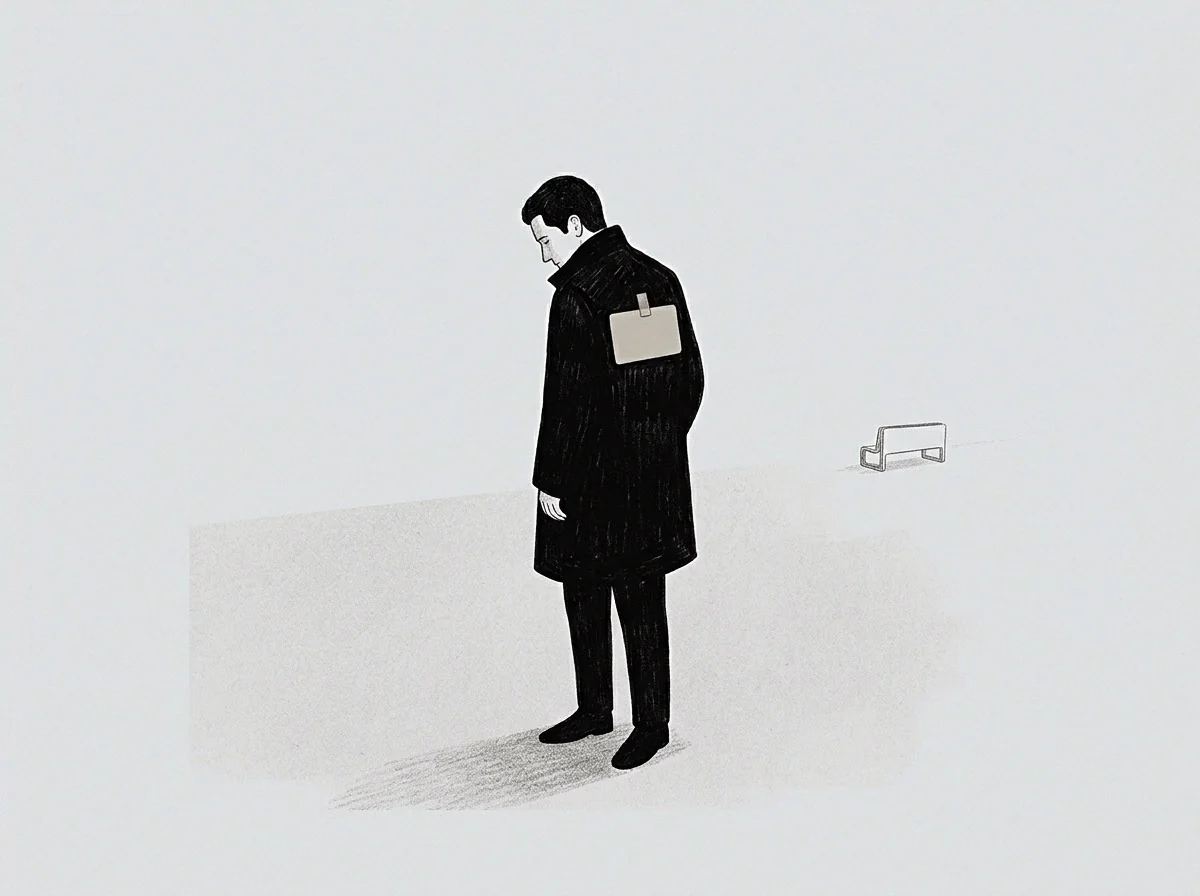
The person in the seat attempts to compensate by listening harder, which only elevates sympathetic arousal. The body reads stillness as a potential trap rather than a moment of ease.
Prolonged lone decision making converts social gaze into an incoming operational stimulus that demands immediate defense.
Autonomic Refractory States Under Proximity
Restoring social engagement is limited by physical refractory periods in the nervous system. When threat signaling has dominated the axis for quarters on end, the ventrovagal system enters a dormant state marked by low tone in the nucleus ambiguus. Immediate attempts to perform warmth result in strained expressions and forced prosody that feel unnatural to both sides.
The social engagement system cannot be recruited through conscious effort alone.
Bypassing this limit through sheer willpower only accelerates physiological exhaustion. A founder may survive a two-hour strategic alignment session through continuous self-monitoring, but the neuroendocrine toll arrives immediately afterward as deep lethargy or acute irritability. The body pays for every minute of forced performance by burning dwindling glycogen reserves and compounding systemic allostatic burden.
Forcing relational intimacy before neuroendocrine recovery triggers sudden sympathetic mobilization or affective detachment.
Channel
The myelinated vagus nerve acts as a rapid physiological brake, adjusting cardiac output beat by beat to match the demands of social interaction. Originating in the nucleus ambiguus, this ventrovagal pathway projects to the sinoatrial node of the heart while innervating the striated muscles of the face, larynx, and pharynx. Under safe conditions, this circuit allows fine vocal modulation, responsive facial expressions, and rapid social calibration.
Prolonged isolation stress degrades this vagal brake, locking cardiac rhythms into rigid, elevated patterns suited for single-handed survival.
Suppressing ventrovagal outflow triggers a reliance on older evolutionary pathways. The sympathetic nervous system takes over primary control, preparing the organism for fight or flight, or the unmyelinated dorsal vagal nerve initiates metabolic shutdown when active defense seems impossible. During this shift, neural circuits responsible for detecting social safety become hypo-responsive.
The body loses its capacity to process soft vocal tones or subtle emotional cues, defaulting to hyper-vigilance or flat affect.
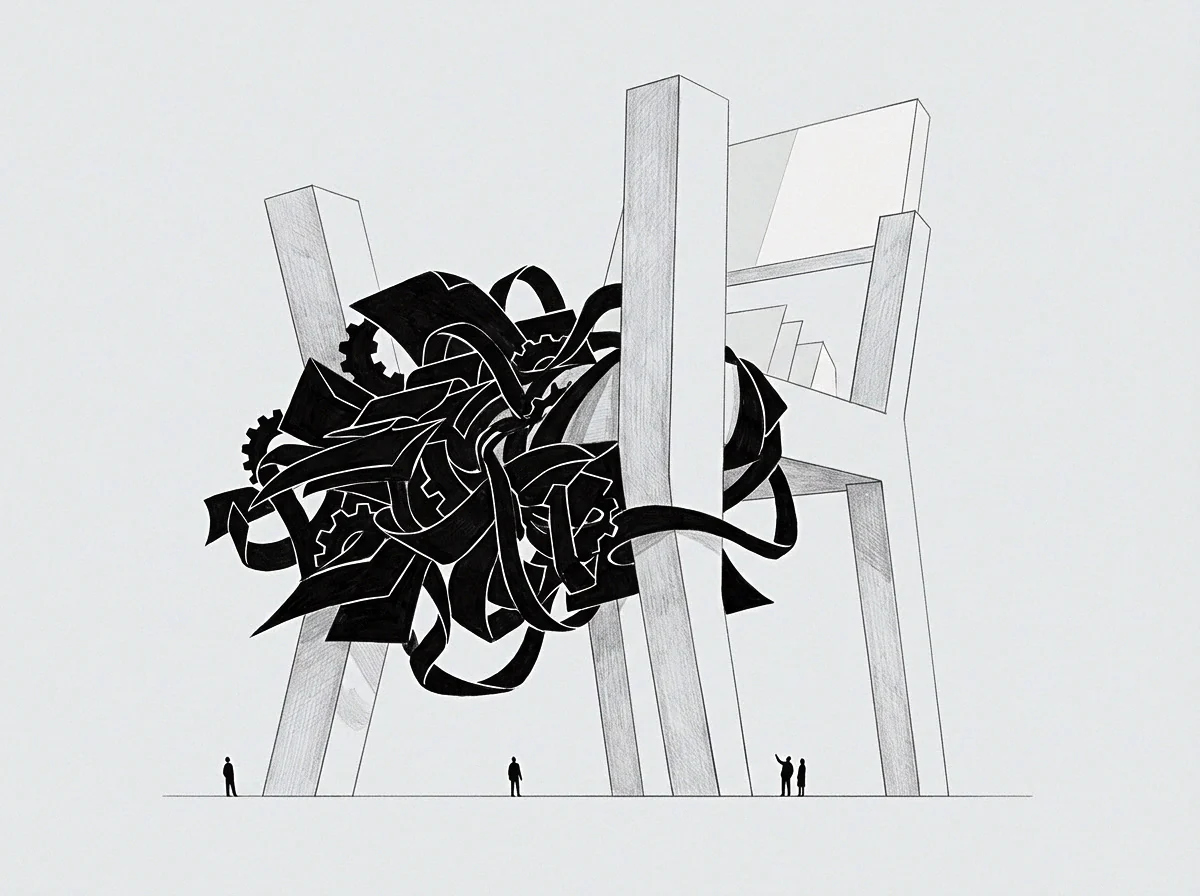
Polyvagal Architecture And Cranial Motor Output
Neuropeptide receptor distribution governs how quickly ventrovagal pathways disengage during prolonged stress. Chronic elevation of corticotropin-releasing factor suppresses central oxytocin release within the paraventricular nucleus of the hypothalamus, downregulating oxytocin receptors across the brainstem. This blunting directly reduces sensitivity in the nucleus ambiguus, making it difficult to maintain the physiological state required for fluid social interaction.
Cellular changes within the cranial nerve nuclei alter facial feedback loops during re-entry. Cranial nerves VII and IX, which control facial expression and middle ear acoustic filtering, need continuous social interaction to maintain high operational tone. Without regular, low-stakes contact, these neural structures show reduced tone that limits fine motor control during face-to-face exchanges.
- Vagal Tone Suppression lowers cardiac variability and prevents rapid adjustment to shifting interpersonal dynamics during prolonged strategic isolation.
- Oxytocin Receptor Downregulation diminishes central neuropeptide binding in the hypothalamus, blunting the felt experience of relational warmth.
- Cranial Nerve Atrophy reduces fine motor control over facial muscles and laryngeal tension, producing flat vocal tones during high-stakes discussions.
- Pro-inflammatory Cytokine Cascades cross the blood-brain barrier to trigger microglial activation, reducing neurovisceral flexibility under social load.
When baseline hypothalamic-pituitary-adrenal activation remains elevated, ventrovagal motor neurons in the nucleus ambiguus fail to sustain prosodic vocal modulation during face to face interaction.
Re-establishing ventrovagal engagement requires time for receptor recovery and neurochemical rebalancing. Autonomic recovery follows a slow, non-linear trajectory bounded by cellular protein synthesis and receptor resensitization. Receptors need metabolic time to recover from extended stress exposure.
While the person sits across the table, their gaze drifts past the room as if an unseen threat were standing directly behind the chair.

Buffer
Endocrine reserves dictate the threshold between functional co-regulation and physiological collapse. During long periods of lone leadership, the hypothalamic-pituitary-adrenal axis operates under constant stimulation, altering diurnal cortisol secretion patterns. Instead of a sharp morning peak followed by a gradual evening decline, the cortisol curve flattens, leaving little systemic headroom for unexpected emotional or relational demands.
This blunted profile deprives the brain of the energetic flexibility needed to navigate complex interpersonal negotiations.
Metabolic exhaustion compounds this shortfall. Co-regulation demands energy, requiring the prefrontal cortex and autonomic nervous system to process non-verbal signals, regulate affective spikes, and maintain a non-defensive posture. When systemic glycogen stores are depleted by operational strain, the brain prioritizes basic survival calculations over social connection.
Silence registers as a threat when metabolic reserves are low, triggering defensiveness where a healthy system would register rest.
Where Does Neuroendocrine Exhaustion Halt Social Re-engagement?
Systemic inflammatory signaling acts as an internal circuit breaker against relational exposure. Sustained cortisol levels induce glucocorticoid receptor resistance in peripheral immune cells, allowing pro-inflammatory cytokines like interleukin-6 and tumor necrosis factor-alpha to flood systemic circulation. These molecules signal the brain to initiate sickness behavior, an evolutionary strategy that promotes social withdrawal, reduced exploration, and heightened threat sensitivity.
The transition from isolation stress to active social re-engagement follows a specific sequence of neurochemical shifts.
- Continuous enterprise stress drives sustained adrenal cortisol output, eventually inducing systemic glucocorticoid receptor resistance across central neural pathways.
- Peripheral pro-inflammatory cytokines cross the blood-brain barrier, triggering microglial activation within the insula and prefrontal cortex.
- Central oxytocin and vasopressin synthesis declines, reducing the rewarding properties of physical proximity and shared gaze.
- Autonomic control shifts entirely away from the nucleus ambiguus toward sympathetic mobilization or unmyelinated dorsal vagal shutdown during social contact.
A flattened diurnal cortisol curve coupled with central oxytocin receptor resistance forces every social micro-interaction to draw directly from dwindling cellular glucose reserves.
Exhaustion halts social re-engagement at the point where relational processing requires active prefrontal inhibition of primitive threat responses. Without an adequate neurochemical buffer, the amygdala operates without cortical oversight, treating routine questions or emotional bids as direct challenges. The operator cannot remain present in shared spaces, retreating into internal analytical solitude while surrounded by allies.
Sustained unmyelinated dorsal vagal dominance during operational meetings shifts the team dynamic from collaborative synthesis to defensive compliance.
Board
Executive leadership teams and close operational partnerships rely on rapid, non-verbal synchronization to navigate high-stress decisions. When a founder or key executive re-enters a board-level environment following months of isolated stress, the physiological mismatch creates immediate friction. The isolated leader approaches discussions with a fixed analytical frame and heightened threat sensitivity, while the surrounding team expects fluid dialogue.
This divergence produces misalignments in risk assessment, communication speed, and strategic trust.
Consider an arrangement where two partners built an enterprise over three years under market pressure, with one partner executing in isolation while the other managed external networks. The isolated partner arrives at strategic reviews with an elevated sympathetic tone, interpreting normal pushback as a vote of no confidence. The external partner, operating with intact social baseline buffers, reads this reaction as rigid defensiveness.
The interaction devolves into frustration not over strategic disagreement, but because their underlying autonomic states are incompatible.
| State Profile | Autonomic Signaling | Hormonal Baseline | Relational Input Reception |
|---|---|---|---|
| Isolated Defense | Sympathetic mobilization or dorsal shutdown | Flattened cortisol, high inflammatory cytokines | Interprets feedback as existential threat |
| Transitional Re-entry | Fluctuating sympathetic and transient ventrovagal | Variable adrenal output, recovering oxytocin sensitivity | Tolerates low-dose contact; overwhelmed by sustained ambiguity |
| Integrated Safety | Dominant ventrovagal tone via nucleus ambiguus | Normal diurnal cortisol, active oxytocin modulation | Processes feedback as collaborative synthesis |
Operational Consequences Of Misaligned Autonomic Signals
Misaligned physiological baselines degrade decision quality across executive teams. When an isolated leader remains locked in defense mode, they consume excessive relational headroom, forcing colleagues to carefully manage delivery rather than debating raw operational facts. The team spends energy regulating the leader’s threat responses instead of addressing core commercial challenges.
The financial and operational cost of this dynamic accumulates across missed strategic opportunities and delayed executions.
Operational agility breaks down when ventrovagal signaling fails to spread across leadership ranks. Co-regulation is reciprocal; a leader who cannot register safety radiates implicit threat to the rest of the organization, triggering defensiveness in subordinates. Meetings become formal, guarded, and slow, driven by cautious posturing rather than open strategic debate.
The organizational culture reflects the neuroendocrine limits of its isolated leaders. Whether an organization can afford the months required for an executive baseline to reset remains a critical factor when market dynamics demand immediate decisions.
Tether
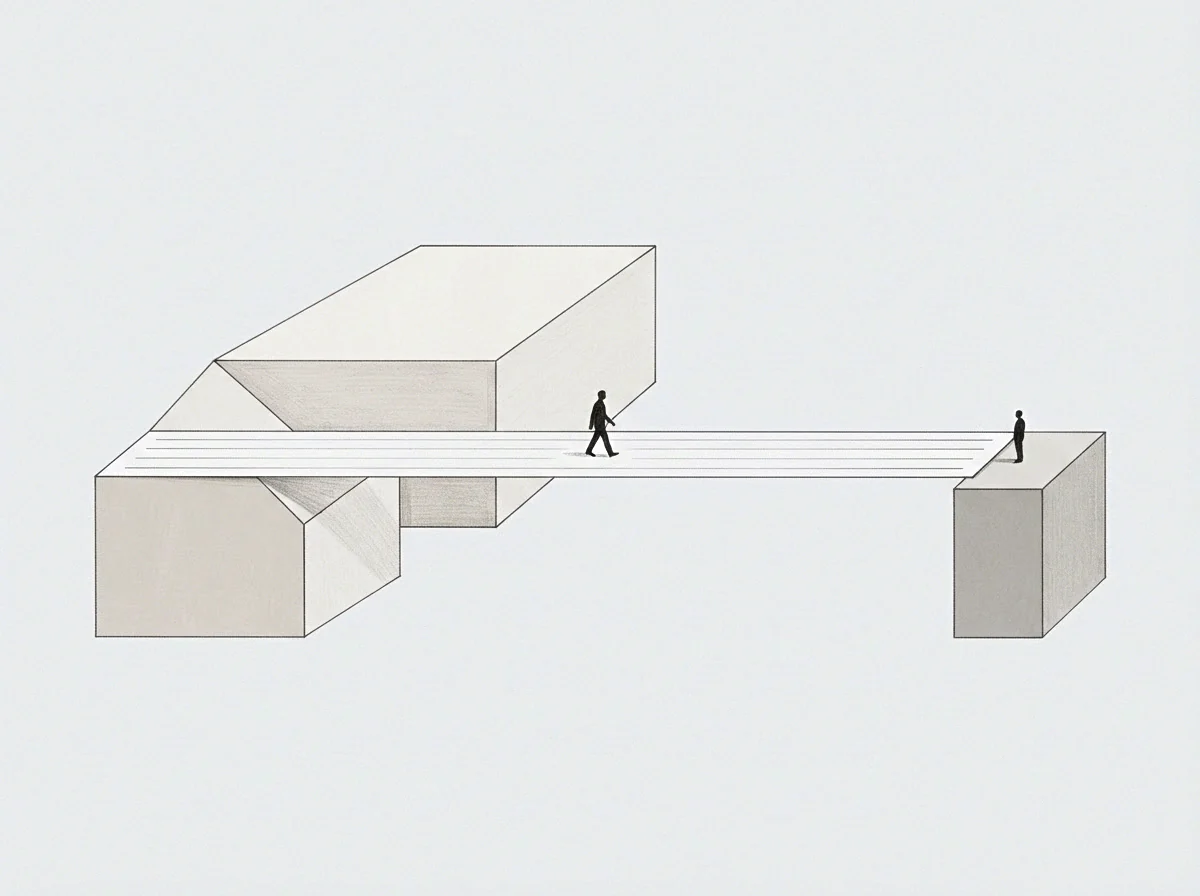
Re-establishing ventrovagal social engagement after extended isolation requires a systematic update of internal working templates. Cognitive insight into one’s neuroendocrine state does not alter autonomic reactivity; only repeated physical experiences of non-threatening proximity rebuild social baseline capacity. The brain updates its neural threat models through sensory inputs gathered during co-regulation, expanding the window of physiological tolerance.
Titrated micro-exposures provide the foundation for this process. Rather than forcing long, emotionally intense processing sessions, the individual engages in low-demand, parallel operational activities alongside trusted colleagues or partners. Sitting in the same room working on separate tasks allows the nervous system to register physical presence without the pressure of active facial or vocal engagement.
This low-dose contact gradually re-acclimates the vagal brake, demonstrating safety at a subcortical level before complex interpersonal demands are introduced.

Titrated Re-entry And Earned Security Protocols
Earned security develops as the nervous system internalizes the presence of a steady partner. When a leader who carried load alone experiences another person maintaining a grounded state under pressure, the brain updates its internal regulator template. The receptor slot for receiving support, long dormant, begins to form.
Over time, borrowed regulation transforms into an internal capacity for sustained ventrovagal control during high-stress operational moments.
Presence demands cellular reserves. Rebuilding this capacity requires strict boundaries around energy expenditure during the restoration phase. The leader limits exposure to non-essential social demands, reserving neuroendocrine bandwidth for core operational contacts.
As diurnal cortisol rhythms normalize and central oxytocin receptor sensitivity returns, the duration and depth of social engagement can be expanded. Capacity updates through experience, establishing a renewed foundation for sustainable leadership.
Restoring social baseline capacity succeeds through low-dose, non-demanding physical presence rather than intensive verbal processing of past isolation.
Titrated contact preserves bandwidth during critical transition periods. Systemic resilience returns through structured, repeatable interactions that honor the physical bounds of the nervous system. True co-regulatory restoration occurs when physical presence delivers quiet physiological safety without demanding emotional performance.