Meaning
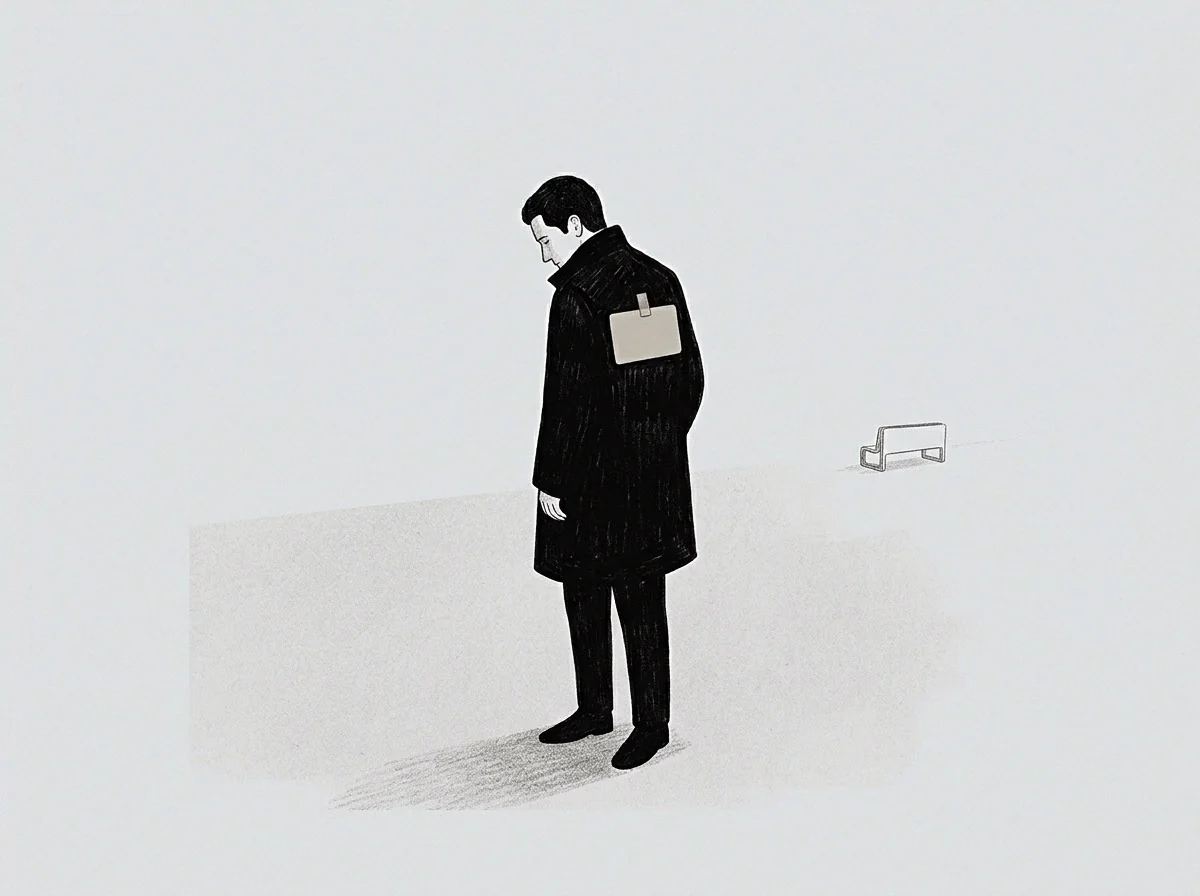
The physiological capacity to experience, stabilize and tolerate intense visceral sensations without immediately discharging them through impulsive behavior or emotional reactivity preserves executive poise. Through somatic containment, a leader holds the internal bodily activation triggered by commercial risk, hostile negotiations or operational failure within tolerable physiological bounds. The mechanism fails when cumulative allostatic load breaches internal shock-absorbing capacities, precipitating sudden emotional outbursts or physical exhaustion.
Containment Mechanics
High-stakes commercial decisions inevitably trigger autonomic arousal, including accelerated heart rates, gastrointestinal tension and muscle constriction. Somatic containment relies on robust prefrontal-insular pathways to monitor these visceral signals without allowing them to dictate motor outputs. The individual experiences acute physiological discomfort while maintaining measured speech, clear analytical reasoning and balanced physical posture.
This internal stability prevents external counterparties from detecting tactical vulnerabilities during tense negotiations.
Metabolic Demands
Holding intense physiological arousal internally without external discharge consumes substantial glucose and neurochemical resources. Over long business quarters, sustained physical containment without adequate somatic release mechanisms results in cumulative muscular hypertonicity, tension headaches and visceral distress. The body pays a steep metabolic price for maintaining external composure under chronic enterprise stress.
Without regular recovery intervals, somatic containment reserves steadily degrade, lowering the threshold for executive burnout.
Capacity Restoration
Expanding physical containment capacity requires consistent somatic down-regulation practices such as breath control, physical exercise and thermal regulation. These practices train the autonomic nervous system to dissipate stored physiological tension without disrupting executive workflow. Leaders must schedule intentional physical discharge periods after high-stress corporate milestones to clear residual stress hormones.
Sustainable leadership composure depends on continuous somatic recovery practices.