
Neuroendocrine Recovery Protocols for Re-Establishing Ventral Vagal Responsiveness After Extended Unbuffered Operational Solitude
Extended unbuffered solitude downregulates ventral vagal tone, requiring low-demand passive co-regulation to restore neuroendocrine balance.
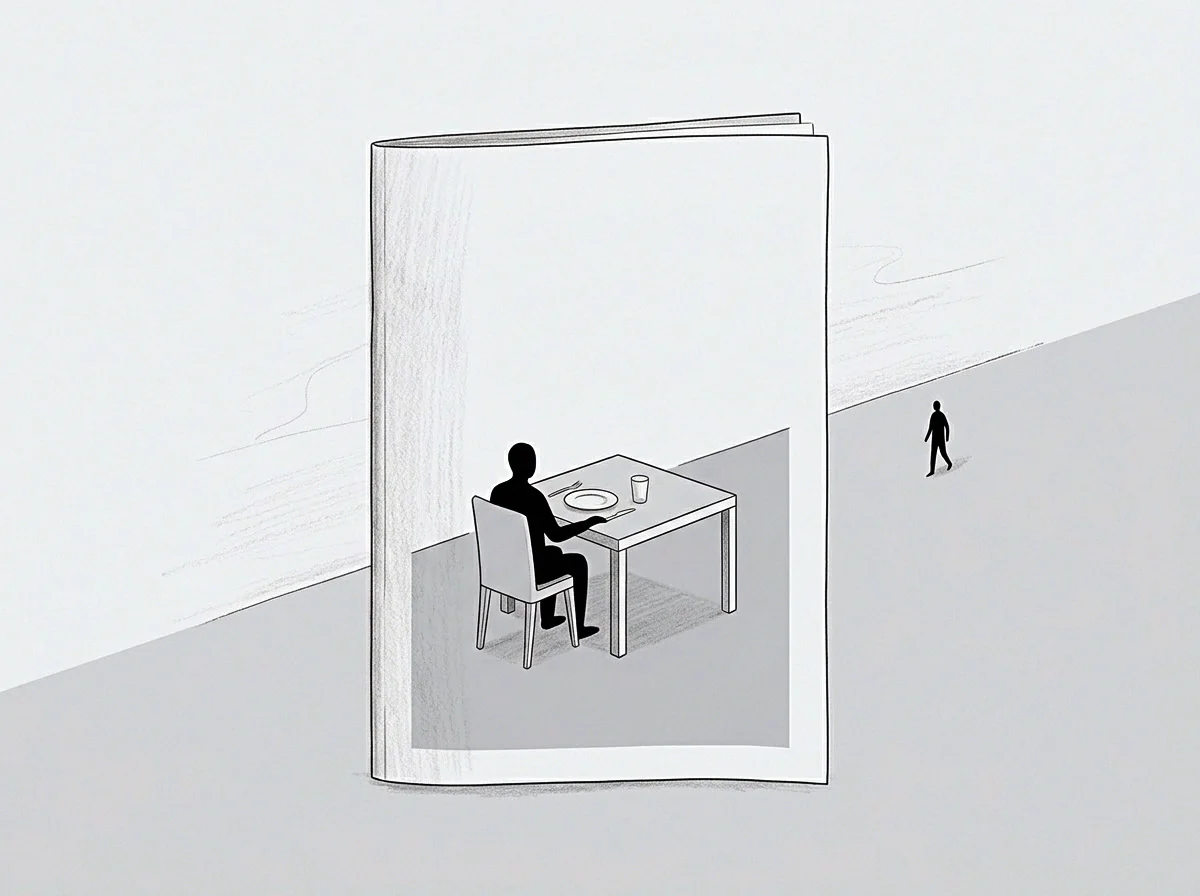
Solitude
Four unanswered messages sit open on a screen late at night while the operational load rests entirely on one person. Months of solitary decision-making without a calm human presence shift the baseline of the autonomic nervous system. The brain evaluates environment and load as expensive, budgeting metabolic resources under the assumption that no assistance is available.
Self-regulation becomes the sole operational mode. Metabolic costs compound rapidly.
Extended isolation under high stress alters the neuroendocrine architecture. The hypothalamus maintains constant activation of the pituitary-adrenal axis, elevating baseline cortisol levels while suppressing diurnal variation. Morning cortisol awakening responses flatten, leaving the operator with persistent fatigue alongside systemic hyper-arousal.
Simultaneously, central oxytocin signaling downregulates, reducing the receptor capacity required to register safety from social cues when contact eventually occurs.
Unbuffered operational periods shift autonomic regulation from shared physiological baseline to high-cost individual metabolic effort.
The myelinated ventral vagal complex, responsible for modulating heart rate and enabling social engagement, recedes under chronic unbuffered strain. The cardiac vagal brake withdraws, causing heart rate variability to drop and resting cardiac output to elevate. The body defaults to sympathetic activation or dorsal vagal immobilization.
The baseline shifts. In this state, incoming communication is processed as cognitive demand or environmental threat rather than an opportunity for connection.
When this shift goes unrecognized, operational decisions are made from a state of physiological threat while registering as purely logical choices.
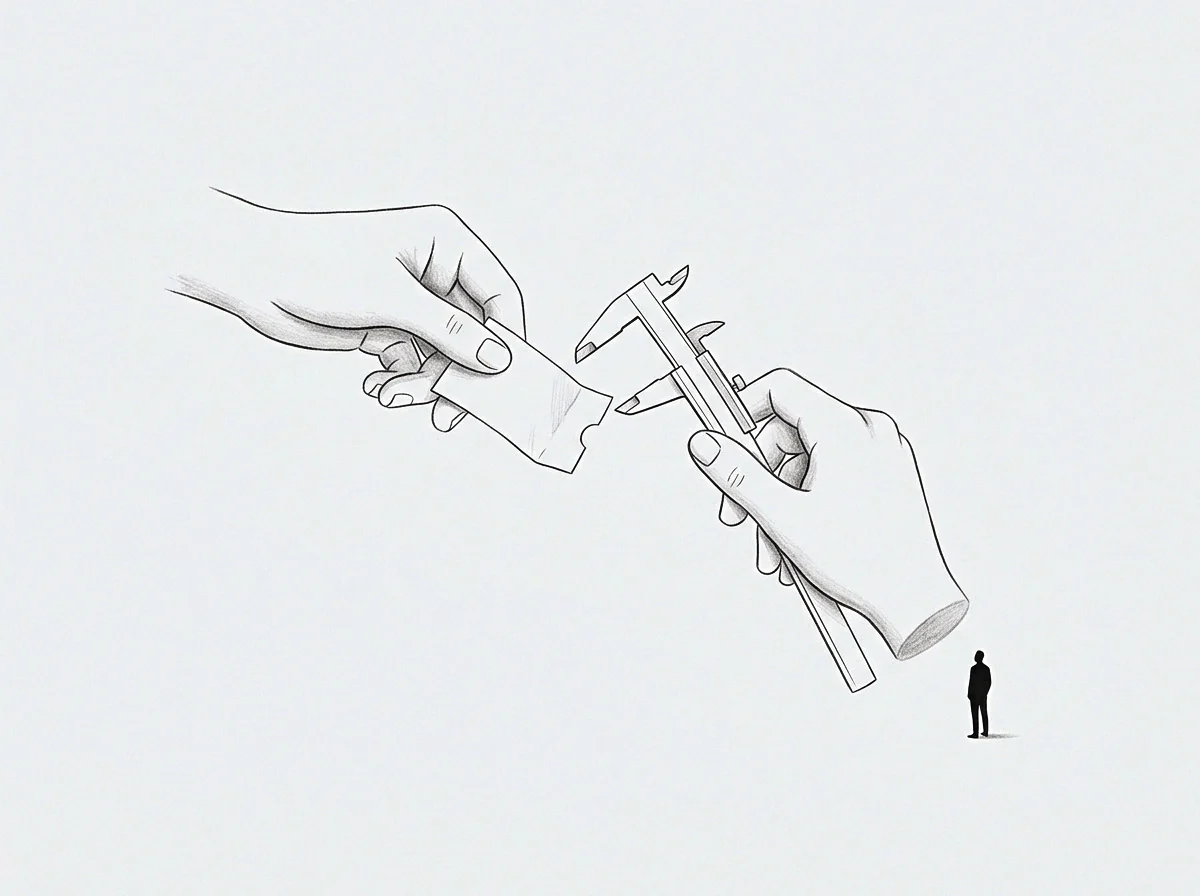
Wire
The myelinated vagus nerve functions as a real-time metabolic regulator, running from the nucleus ambiguus to the sinoatrial node of the heart. Low-threat social interaction provides continuous sensory inputs that maintain nerve conduction efficiency and vagal tone. When an operator runs alone for extended durations, this neural hardware retracts its operational range.
Tone dictates capacity. The body loses the ability to rapidly damp down sympathetic spikes upon encountering minor operational friction.
Autonomic retraction alters peripheral physiological responses. Middle ear muscles reduce tensor tympani reflex modulation, making human voices sound harsh or exhausting to process against background noise. Visceral organs experience altered vagal input, resulting in gastrointestinal tightness and disrupted digestive motility.
Respiratory sinus arrhythmia flattens, signaling a loss of fluid cardiac adjustment to metabolic demands. The nerve retracts.
- Autonomic Withdrawal The myelinated vagus downregulates, causing sudden cardiac acceleration under minimal operational friction.
- Sensory Gating Deficits Auditory processing shifts away from speech frequencies, making verbal interactions feel sensory-overloading.
- Neuroendocrine Flattening Sustained solitary stress reduces peripheral oxytocin receptor binding capacity across targeted metabolic tissues.
Downregulated ventral vagal tone elevates heart rate variability power in low-frequency bands while suppressing high-frequency parasympathetic recovery.
Cognition follows state. An operator operating with suppressed ventral vagal tone interprets spatial proximity or conversational offers as operational liabilities. The internal working model of the self becomes entirely self-reliant out of physiological necessity.
The receptor slot for receiving support closes, leaving the individual unable to absorb regulation even when surrounded by stable peers.
The operator appears fully present during meetings yet remains emotionally unreachable across every operational exchange.
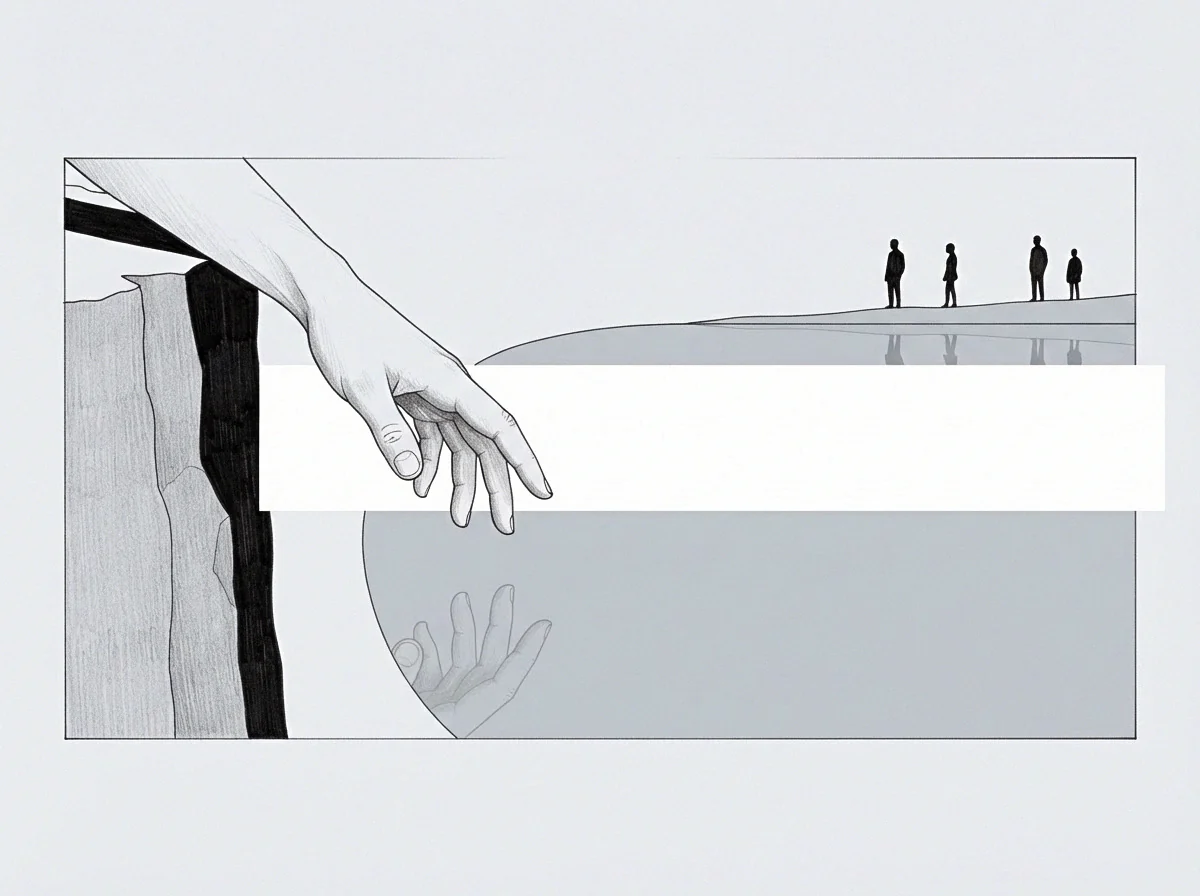
Proximity
Re-establishing ventral vagal responsiveness after chronic isolation cannot be achieved through conscious effort or rational decision-making. Subcortical structures assess environmental safety through sensory cues long before cognitive processing occurs. Physical presence alongside a calm, undemanding individual provides passive metabolic buffering.
The brain registers the lower heart rate and stable respiratory cadence of the other person, initiating a neural cascade that reduces internal energy expenditure.
Social baseline theory establishes that human physiology assumes the presence of a reliable co-regulator as the default state. Operating without this presence incurs an extra metabolic tax on every decision. When low-demand physical presence is reintroduced, the hypothalamic-pituitary-adrenal axis downregulates systemic cortisol output.
Heart rate variability in the high-frequency band begins to recover, signaling renewed myelinated vagal inhibition of the cardiac pacemaker. Silence carries weight.
| Physiological Marker | Unbuffered Solo Operation | Passive Co-Regulatory Re-Attunement |
|---|---|---|
| Dominant Autonomic Branch | Sympathetic Hyper-Arousal / Dorsal Freeze | Myelinated Ventral Vagal Dominance |
| HPA Axis Activity | Elevated Basal Cortisol & Blunted CAR | Normalized Diurnal Cortisol Secretion |
| Heart Rate Variability (RSA) | Low High-Frequency Power | Restored High-Frequency Power |
| Oxytocin Binding Capacity | Downregulated Receptor Availability | Upregulated Peripheral Sensitivity |
| Data derived from physiological baseline measurements under variable co-regulatory conditions. | ||
Social presence reduces autonomic energy expenditure only when no performance expectation is attached to the contact.
Presence replaces demands. Re-entry protocols require environments where zero performance output is expected from the operator. Shared spatial occupancy without eye contact or required dialogue allows the ventral vagal circuit to re-engage safely.
The body reads inputs. As subcortical threat detection decreases, peripheral vasodilation occurs, muscle tension in the face and neck eases, and the capacity for reciprocal communication returns.
A structured silence protocol lowers baseline cardiac sympathetic drive within twenty minutes of undemanding physical co-presence.

Cadence
Restoring autonomic flexibility requires structured timing and graduated sensory exposure. Abruptly introducing intensive social interaction to a deeply isolated system triggers sympathetic rebound or dorsal collapse. Micro-dosing physical and social contact protects the fragile ventral vagal state while gradually expanding the window of tolerance.
Recovery takes time. Phase timing is governed by physiological tolerance rather than operational calendars.
How Does Ventral Tone Recover Under Load?
The recovery sequence moves systematically from non-verbal spatial presence to low-demand reciprocal dialogue. Initial phases focus entirely on passive co-presence, allowing the nervous system to absorb borrowed calm without processing conversational demands. As respiratory sinus arrhythmia stabilizes, micro-engagements involving brief vocal tone shifts and facial expressions are introduced.
Load transfers slowly. Each progression expands the capacity of the myelinated vagus to maintain cardiac inhibition during social contact.
- Passive spatial sharing without required conversation or direct eye contact.
- Parallel activity with shared environmental cues and minimal operational demand.
- Brief non-evaluative verbal exchange focused on immediate sensory facts.
- Reciprocal dialogue incorporating natural micro-expressions and vocal tone modulation.
What duration of daily co-regulatory contact is required to permanently reset the basal heart rate variability threshold after years of isolated operation remains undetermined across longitudinal clinical trials.
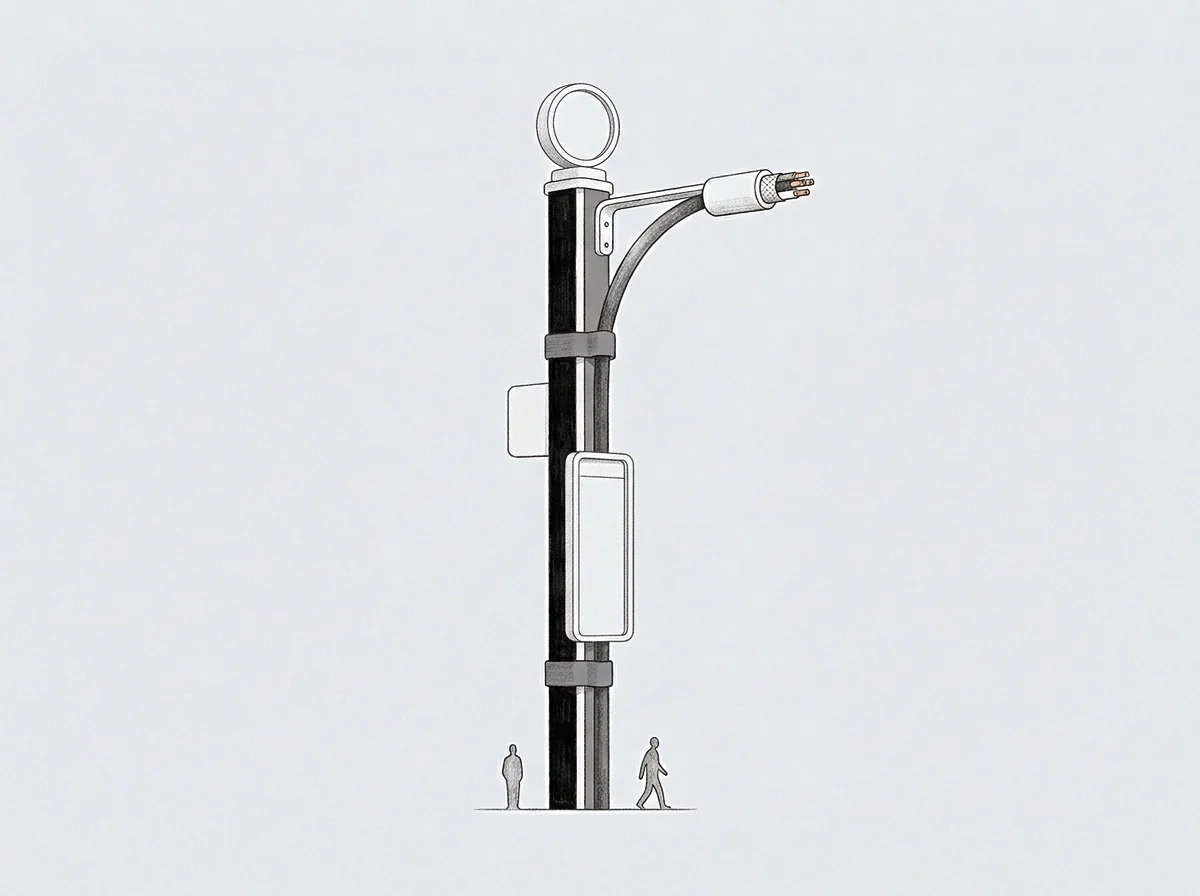
Buffer
Long-term neuroendocrine resilience depends on shifting from emergency self-sufficiency to shared autonomic baseline regulation. Extended solitude trains the brain to treat all external inputs as costs. Updating this neural template requires repeated actual experiences where social proximity consistently reduces metabolic strain.
Safety precedes speech. Over time, central oxytocin receptor density increases, stabilizing diurnal baseline cortisol secretion and expanding heart rate variability parameters.
Earned security develops as a second regulatory template alongside the old survival mechanisms. The internal working model shifts from viewing others as operational burdens to recognizing them as physiological buffers. The receptor slot for co-regulation opens.
The operator learns to delegate regulation load passively, maintaining ventral vagal stability even during periods of elevated operational friction.
Repeated non-threatening co-regulatory experiences re-sensitize central oxytocin receptors and stabilize diurnal cortisol secretion.
Physical calm precedes cognitive trust in every neuroendocrine recovery phase.