Meaning
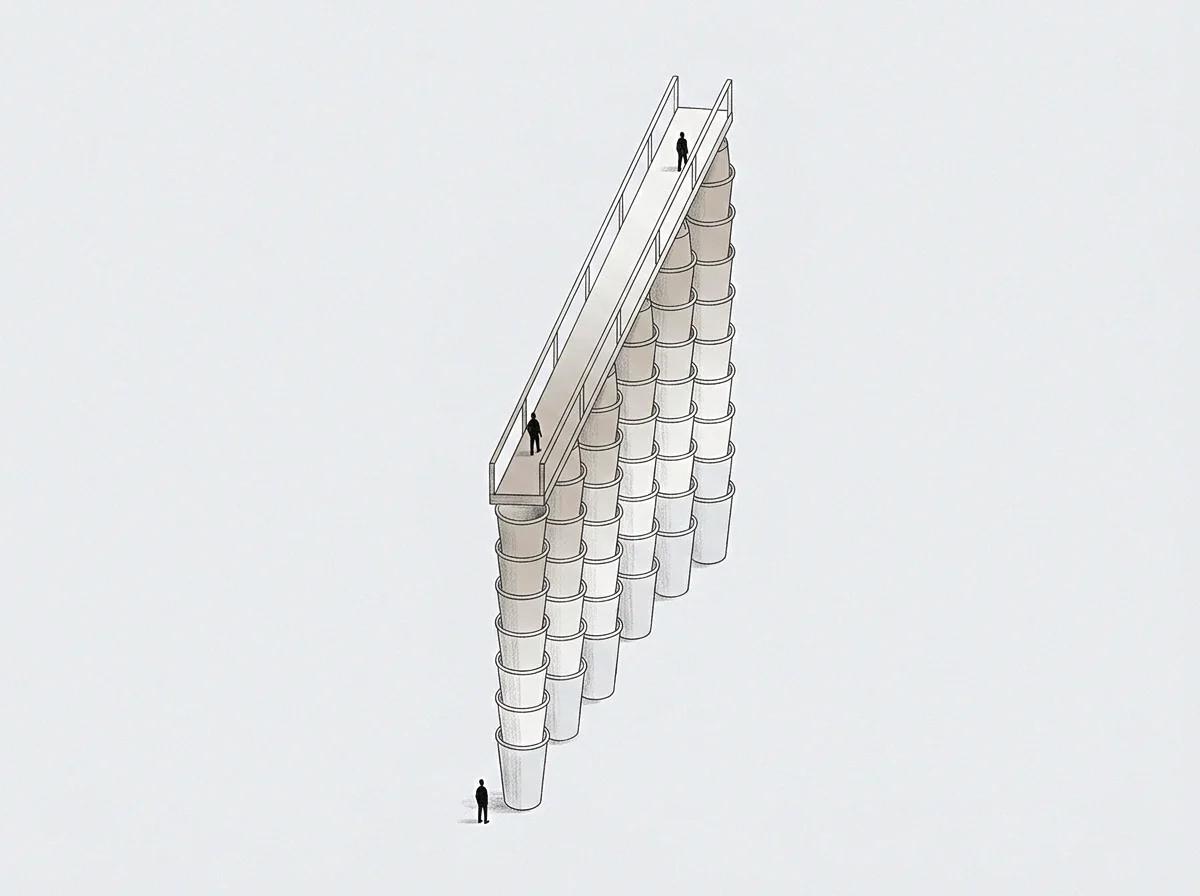
Metabolic headroom is the surplus physiological capacity available to an organism for handling acute environmental demands beyond those required for basal maintenance. This metabolic headroom describes the physiological reserve that prevents collapse during high-intensity external triggers. Such surplus provides the system with a buffer against exhaustion.
Capacity Limit
The total output of a system is constrained by the hard ceiling of peak oxygen uptake and the availability of immediate energy stores. Once metabolic headroom narrows, performance degrades as the internal regulator restricts non-essential processes. This contraction in available power forces a shift toward survival-oriented operations.
Systemic Cost
Maintaining this reserve requires continuous investment of energy and attention, which subtracts from the resources available for growth or novelty. Every unit of headroom utilized under load increases the biological tax on the system. Such costs manifest as a longer recovery period and a reduced threshold for subsequent stressors.
Operational Boundary
External variables dictate the usable portion of this physiological window. When a system approaches its maximum aerobic capacity, metabolic headroom vanishes, forcing an immediate cessation of the activity that drove the depletion. A persistent state of near-capacity utilization signals a dangerous breakdown in the regulation of the organism.