
Physiological Limits Of Individual Autonomic Suppression During Sustained Operational Load In Growth Environments
Sustained autonomic suppression under isolated operational load exhausts vagal braking capacity, causing systemic metabolic failure unless co-regulation is restored.
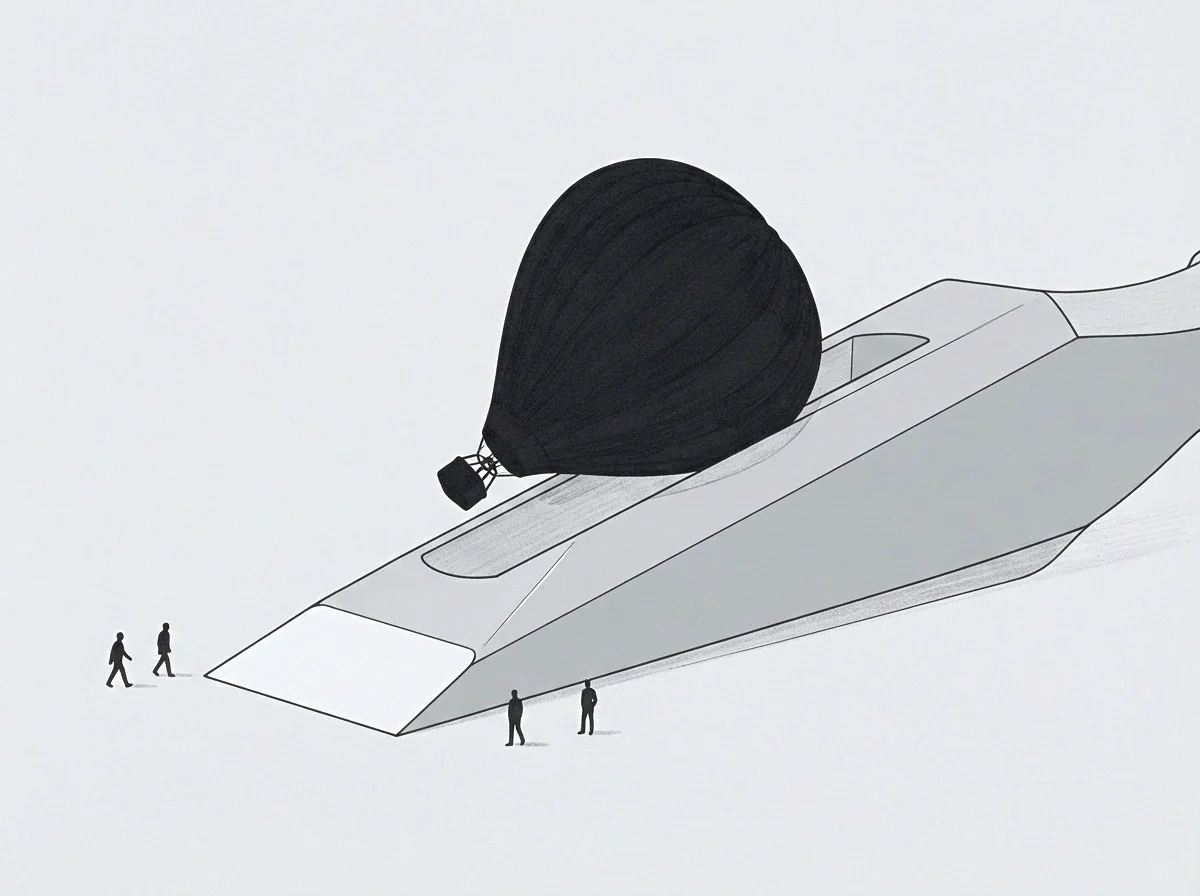
Calm
Four critical system monitors flash red simultaneously at two in the morning while an enterprise expansion accelerates. The operator sits alone in a glass conference room, holding a cold cup of coffee, staring at telemetry data that indicates imminent service collapse. Sympathetic nervous system activation surges instantly, accelerating heart rate and flooding the vascular tree with epinephrine.
The executive functioning apparatus intervenes immediately to suppress visible panic, enforcing physical stillness and steadying vocal cadence before joining an emergency conference call with principal investors. The myelinated ventral vagal circuit acts as a biological brake, actively down-regulating visceral distress signals to project complete stability to the surrounding team.
This deliberate suppression of autonomic reactivity forms the primary operational strategy for leaders navigating rapid growth environments. Organizational demands require continuous cognitive availability, precise decision-making under uncertainty, and the outward appearance of unwavering control. The brain relies on parasympathetic cardiac control, routed through the nucleus ambiguus, to maintain social engagement behavior while internal physiological threat meters register emergency conditions.
Internal homeostasis yields to organizational optics. Down-regulating overt stress signals enables logical analysis, yet the underlying metabolic expenditure scales non-linearly with every hour of unmitigated threat.
Operational stability achieved through solitary vagal suppression creates a false perception of structural capacity. Observers read the lack of visible somatic agitation as evidence of low physiological strain. The organization responds to this apparent equilibrium by routing additional complex failures to the same individual.
Strength under stress acts as a magnet for compounding systemic load. High-growth enterprises routinely construct operational workflows under the assumption that key regulators possess unlimited metabolic reserves for internalizing threat.
When an operator maintains ventral vagal suppression without external co-regulation, energetic consumption increases exponentially relative to background workload.
Continuous autonomic inhibition without structural release alters biological baseline parameters. The cardiac vagal index drops, baseline sympathetic tone elevates, and cellular energy allocation shifts from long-term somatic maintenance toward continuous threat readiness. The system holds.
Metabolic reserves deplete steadily behind a facade of composure, masking the approaching ceiling of individual biological accommodation.
The situation remains stable because the leadership shows complete composure under every operational spike.
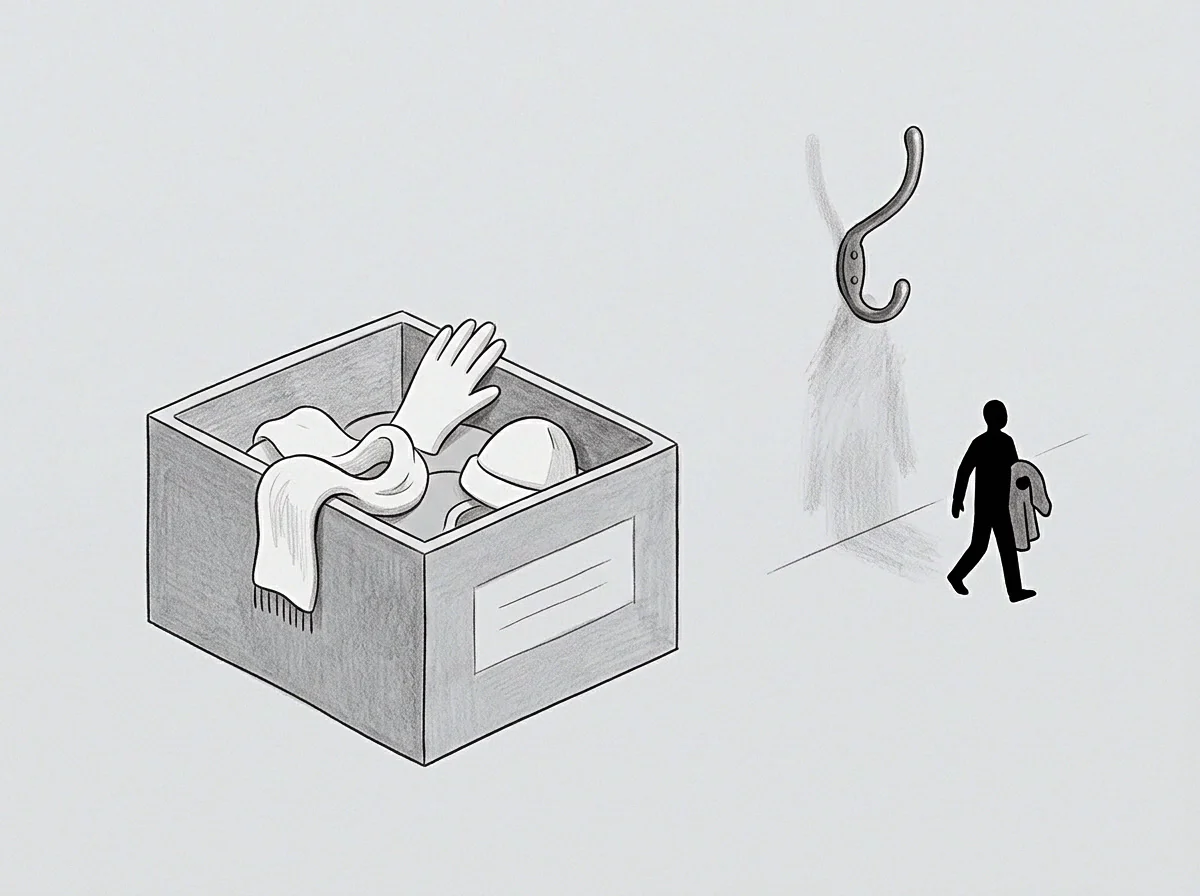
Plate
Human nervous systems evolved to distribute metabolic survival tasks across social collectives rather than bearing environmental stress in absolute isolation. Social baseline theory establishes that the human brain defaults to assuming proximity to reliable conspecifics, using social baseline proximity to outsource threat monitoring and emotional regulation costs. When an operator manages an expanding organization without social baseline integration, the central nervous system registers the operational environment as a continuous solitary survival scenario.
The brain budgets regulatory capacity as an isolated unit, shifting metabolic priority to baseline vigilance and intense internal suppression.
Solitary problem-solving under organizational expansion forces the central nervous system to reallocate glucose and cellular fuel to maintain executive inhibition. What appears as routine management represents an active physiological expenditure where the ventral vagal brake forces the cardiac pacemaker to slow down despite intense sympathetic stimulation. Risk remains unshared.
The absence of a trusted operational peer who actively absorbs physiological risk inflates the energetic cost of every strategic decision.
The underlying dynamics of unshared operational load follow precise biological patterns during organizational expansion:
- Autonomic throttling The reflex inhibition of sympathetic output during acute operational threat, masking physiological distress while consuming cellular adenosine triphosphate.
- Neural threat budgeting The energetic allocation mechanism where isolated cognitive processing scales parasympathetic effort exponentially compared to coregulated baseline conditions.
- Unshared load index The mathematical differential between total organizational risk and the number of physiologically linked individuals absorbing that risk.
- Tonic suppression Continuous suppression of visceral fight-or-flight signals across consecutive operational cycles without parasympathetic recovery windows.
Sustained isolation alters the central nervous system’s capacity to process environmental inputs accurately. Threat perception spikes. The brain interprets incoming operational variations through an amplified risk filter because it recognizes that no secondary regulatory system exists to cushion a potential failure.
The individual internalizes every operational variable as a direct threat to personal survival, maintaining continuous muscle tone, elevated cortisol secretion, and persistent vigilance.
Sustained operational load without co-regulatory relief forces the neuroendocrine system to convert acute vagal suppression into chronic metabolic breakdown.

Cost
Extended autonomic suppression inflicts measurable physiological damage across multiple biological vectors. High-frequency heart rate variability, which measures parasympathetic control over cardiac tissue, declines steadily as continuous vagal braking wears down nervous system resilience. Vagal tone drops.
Concurrently, the hypothalamic-pituitary-adrenal axis undergoes dysregulation, shifting from acute cortisol spikes to flattened diurnal cortisol curves that indicate neuroendocrine exhaustion.
Which autonomic metrics indicate approaching metabolic exhaustion?
Continuous suppression disrupts normal physiological variability, locking heart rate metrics into rigid, low-variability patterns during active operational hours. The root mean square of successive differences in heartbeat intervals drops consistently below baseline values established prior to operational expansion. Biomarkers of systemic inflammation, including interleukin-6 and high-sensitivity C-reactive protein, surge as persistent sympathetic activity compromises immune regulation.
Cellular repair mechanisms stall because energy is continuously diverted to maintain operational composure.
Field research on vagal suppression under high operational load establishes clear boundaries regarding human endurance parameters. Controlled empirical evaluations demonstrate that continuous vagal suppression exceeding twelve hours per day over eight consecutive weeks produces significant reductions in prefrontal cortex gray matter density alongside chronic systemic low-grade inflammation. These findings rest on longitudinal electrocardiographic tracking and salivary biomarker arrays harvested from operational cohorts in high-stress enterprise sectors.
This evidence base would undergo revision if future multi-year studies demonstrate that specific genetic variations in oxytocin receptor expression fully protect isolated operators against allostatic degradation under unmitigated load.
The cumulative biological toll of sustained autonomic suppression unfolds across predictable physiological systems:
| Physiological Parameter | Isolated Autonomic Suppression | Co-Regulated Social Baseline |
|---|---|---|
| Vagal Brake Function | Continuous manual suppression, high ATP consumption | Dynamic modulation, minimal baseline energetic toll |
| Diurnal Cortisol Profile | Flattened curve, blunted awakening response | Robust morning peak, clear nocturnal reduction |
| Heart Rate Variability | Depressed RMSSD and reduced HF power | Elevated variability with flexible adaptive recovery |
| Inflammatory Markers | Elevated C-reactive protein and interleukin-6 | Baseline inflammatory markers within normal ranges |
| Executive Reserve | Rapid depletion under sudden operational shifts | Sustained cognitive flexibility across operational load |
| Data synthesized from autonomic physiology research, allostatic load mapping, and social baseline studies. | ||
Suppression demands fuel. The human body treats continuous internal suppression as an active biological job that competes directly with immune maintenance, tissue repair, and metabolic health. As allostatic load accumulates, the biological buffering capacity diminishes, lowering the threshold required to trigger non-linear system failures.
Unshared operational risk forces the central nervous system to classify surrounding colleagues as dynamic variables rather than regulatory anchors.
When high-frequency heart rate variability falls below individual physiological baselines for fourteen consecutive days, autonomic suppression ceases to function as executive control and transitions into neuro-visceral systemic failure.

Threshold
Sustained operational pressure eventually breaches individual biological suppression capacity. The transition from active autonomic suppression to functional system failure occurs non-linearly, mirroring the breakdown dynamics seen in high-pressure mechanical assemblies. In hydraulic engineering, continuous pressure exceeding structural valve ratings leads to sudden seal breach rather than gradual fluid leakage.
The human autonomic nervous system exhibits identical non-linear properties when forced to maintain vagal inhibition past metabolic ceiling capacity.
When parasympathetic vagal inhibition collapses under prolonged strain, the organism transitions abruptly into dorsal vagal freeze states or unmodulated sympathetic surges. The body pays. Somatic offloading occurs as the autonomic nervous system transfers suppressed nervous energy into physical symptom cascades, bypassing conscious cognitive control entirely.
The progression toward autonomic threshold breach occurs through sequential operational phases:
- An initial compensatory sympathetic surge manifests as chronic insomnia, elevated resting heart rate, and heightened vigilance.
- Vagal tone drops, leading to gastrointestinal dysbiosis, systemic inflammation, and impaired motor coordination under moderate load.
- The autonomic nervous system enters a dorsal vagal freeze state, characterized by profound cognitive slowing, emotional detachment, and physical lethargy.
The sudden loss of regulatory suppression alters cognitive processing and risk assessment capabilities. Executive functions that previously managed high-complexity operational choices degrade into rigid binary reactions. Operational leaders experiencing autonomic collapse exhibit sudden hyper-reactivity to minor operational variances, blunted empathy toward team members, and an inability to synthesize ambiguous data streams.
The signal stops. System failure manifests not as a conscious choice to disengage, but as a biological hard stop enforced by an exhausted central nervous system.
Whether the human autonomic nervous system can fully recover pre-expansion vagal tone after months of continuous maximum suppression without complete operational detachment remains unresolved.
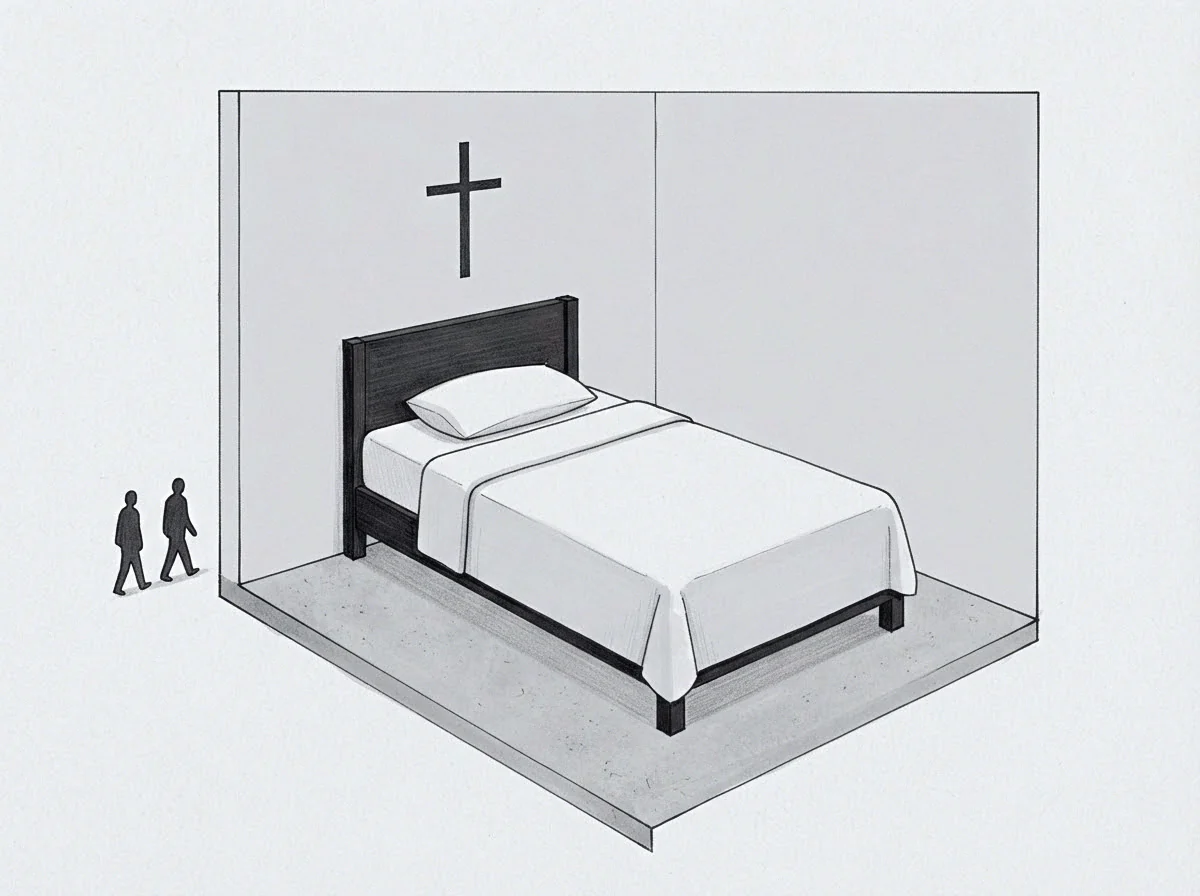
Presence
Biological recovery from chronic autonomic suppression demands more than simple physical rest or intellectual time management strategies. Human nervous systems update internal threat assessments through proximity to stable, co-regulating conspecifics. Co-regulation represents an active neurobiological mechanism where physiological stability in one individual directly calms the autonomic nervous system of another through vocal resonance, facial expressiveness, and calm physical presence.
Borrowed calm serves as a biological bridge, lowering the energetic expenditure required to maintain executive function under operational stress.
Many operators who assume high-stress roles in growth environments developed early internal working models that prioritized isolated self-regulation over shared regulation. Early developmental conditions often required these individuals to function as the primary emotional stabilizer for their immediate environment, establishing a regulator template that equates safety with self-reliance. This internal template lacks a functional receptor slot for receiving incoming regulatory support from external sources.
An offer of support registers as an operational anomaly or an additional task to manage, rather than a physiological relief valve.
Attaching to an external state requires the operator to yield absolute control over internal suppression mechanisms. Capacity vanishes rapidly. When a stable peer offers presence, the isolated operator’s nervous system initially interprets the invitation to co-regulate as an unsettling operational risk.
The habit of maintaining absolute autonomic control blocks the down-regulation that proximity to a calm partner should naturally induce.
A physiological boundary declared after autonomic exhaustion alters operational baseline slower than an early structural limit.
An operator who cannot share physiological risk eventually transforms every operational partner into an additional source of load.

Update
Modifying an ingrained regulator template cannot be accomplished through theoretical insight alone. Intellectual understanding of autonomic mechanics fails to change physiological baseline responses; the nervous system updates its internal working models solely through repeated, actual experiences of shared biological regulation. Earned security develops as an operator experiences repeated micro-moments where operational threat is shared with a calm, stable peer without incurring systemic failure or loss of control.
The transition toward an updated regulatory template requires deliberate structural changes to how operational load is distributed across leadership teams. Load transfers downward. The organization must shift from relying on solitary human suppression to creating functional co-regulatory structures where operational risk is genuinely shared among multiple peers.
Structural redundancy in decision-making roles, paired leadership seats, and explicitly bounded operational shifts provide the physical container necessary for autonomic recovery.
Recovery demands space. As the second template forms, the operator develops the capacity to recognize incoming sympathetic surges without immediately deploying aggressive vagal suppression. The biological system learns to utilize external co-regulation, opening the physiological receptor slot that remained closed during early development.
The need to project absolute calm yields to a functional operational baseline grounded in biological reality.
Over time, the delta between outward presentation and internal biological state narrows. The central nervous system reallocates energetic resources back toward cellular maintenance, immune defense, and long-term somatic health. Operational decision-making recovers its baseline breadth, enabling strategic clarity that rests on biological capacity rather than continuous internal suppression.