
Physiological Mechanisms Governing Vagal Tone Restoration Under Enterprise Load
Preganglionic cardiac vagal reactivation restores parasympathetic tone when somatic and social cues remove prefrontal suppression of brainstem motor nuclei.
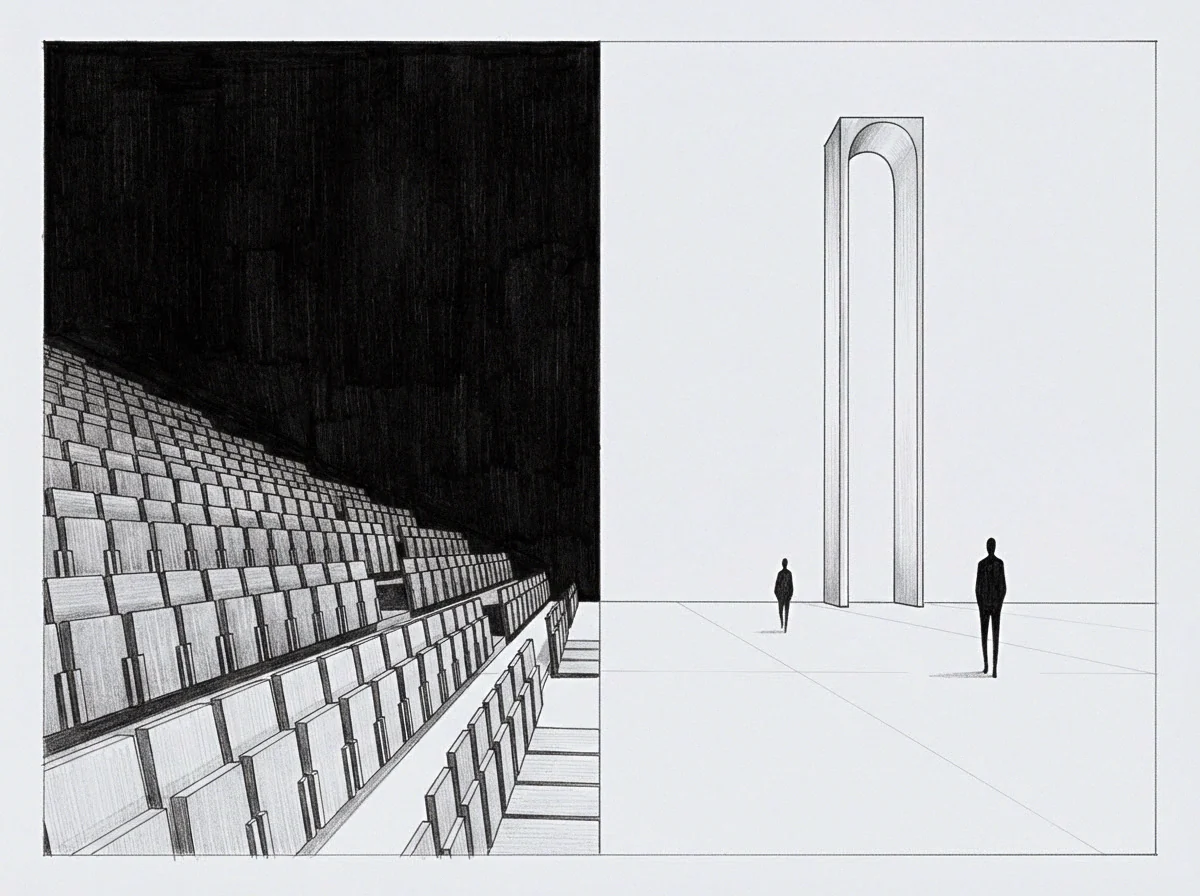
Draft
The myelinated vagus nerve acts directly on the sinoatrial node through acetylcholine release, slowing cardiac output within two hundred milliseconds of activation. This parasympathetic motor pathway, originating in the nucleus ambiguus of the brainstem, suppresses resting heart rate below the intrinsic rhythm of cardiac tissue. When sustained executive demands impose persistent vigilance, higher cortical centers in the prefrontal cortex reduce their inhibitory control over the amygdala.
The central autonomic network responds by retracting vagal efferent activity, allowing sympathetic outflow to dominate peripheral hemodynamics.
The heart accelerates.
Metabolic expenditures compound across every vascular circuit during periods of unmitigated accountability. The enterprise operator maintains high peripheral resistance and elevated stroke volume throughout extended operational reviews and investor negotiations. Under these continuous inputs, the autonomic nervous system treats commercial uncertainty as physical vulnerability.
Respiratory sinus arrhythmia, the measurable fluctuation in heart rate driven by natural breathing cycles, diminishes in amplitude as cardiac deceleration capacity decays. This withdrawal strips peripheral organs of their primary autonomic shield.
Under conditions of unremitting fiscal exposure, the vagal brake disengages completely and leaves vascular resistance elevated across the nocturnal window.
Without adequate parasympathetic engagement, glycogen reserves within cardiomyocytes deplete rapidly. The systemic consequence of prolonged efferent vagal withdrawal manifests as sustained vascular shear stress, endothelial inflammation, and blunted baroreceptor sensitivity across prolonged working quarters.
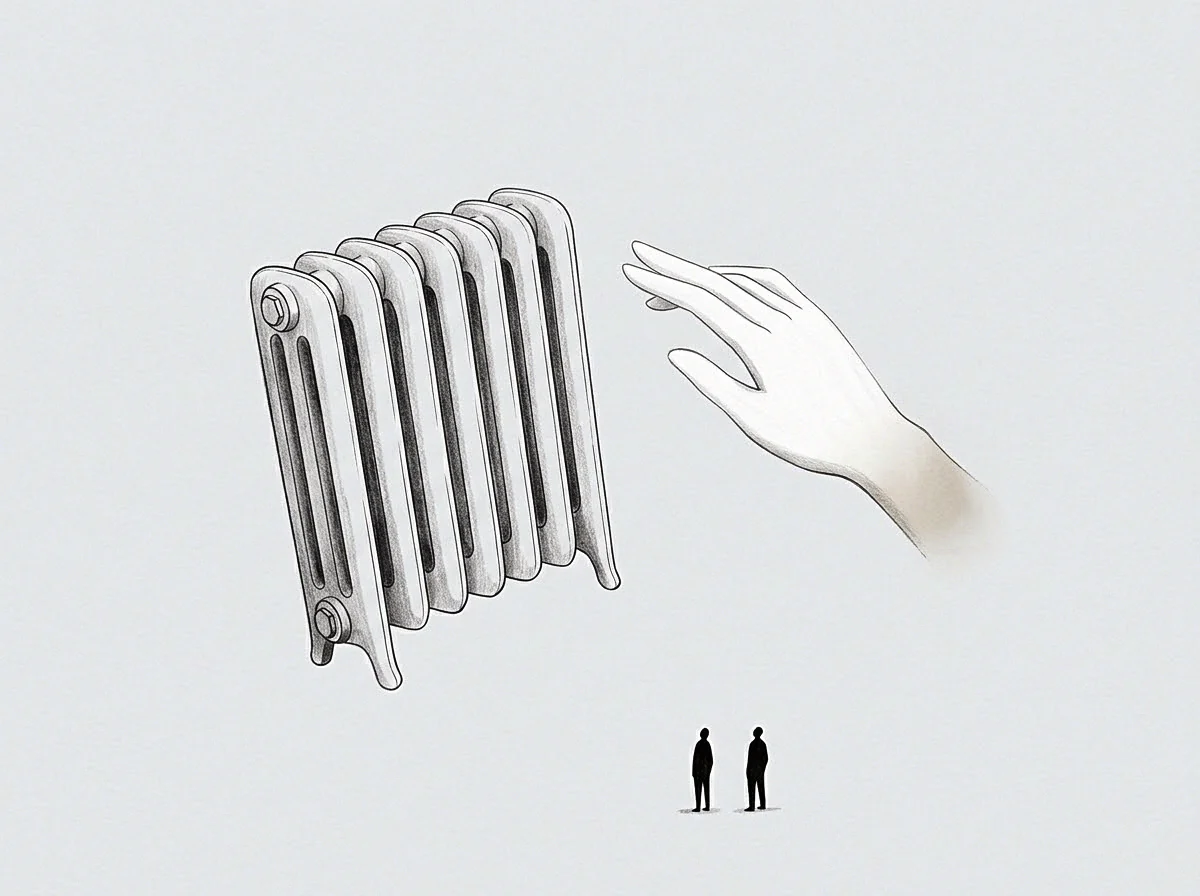
Brake
The autonomic control system uses vagal outflow as an immediate damper on metabolic arousal. Activation of the ventral vagal complex enables an individual to modulate energetic mobilization without engaging the costly sympathetic adrenomedullary axis. When an enterprise crisis breaks, this regulatory mechanism operates under severe constraint.
Vagal suppression continues.
A founder who absorbs organizational variance pays for operational continuity with peripheral autonomic headroom. Three distinct physiological substrates govern whether this autonomic inhibition can be reversed during brief operational pauses:
- Ventral vagal efference supplies rapid, energy-efficient cardiac deceleration through unmyelinated and myelinated fibers termination points in cardiac ganglia.
- Baroreflex sensitivity determines how effectively arterial stretch receptors buffer sudden blood pressure surges through reflex cardiac slowing.
- Prefrontal autonomic coupling maintains descending inhibitory control over subcortical defense circuits, allowing social cues to suppress defensive mobilization.
When enterprise demands exceed physiological capacity, the baseline firing rate of preganglionic cardiac vagal neurons declines precipitously. The myelinated brake loses its dynamic range. Under sustained tension, whether the central autonomic network can re-engage inhibitory control over the subcortical threat circuitry without prolonged structural insulation remains an open physiological question.

Clock
Circadian rhythms modulate parasympathetic efferent traffic across the twenty-four-hour cycle. In healthy biology, nighttime sleep brings an elevation of high-frequency heart rate variability, signaling profound cellular repair and metabolic conservation. Enterprise pressures disrupt this temporal cycle through persistent cognitive perseveration.
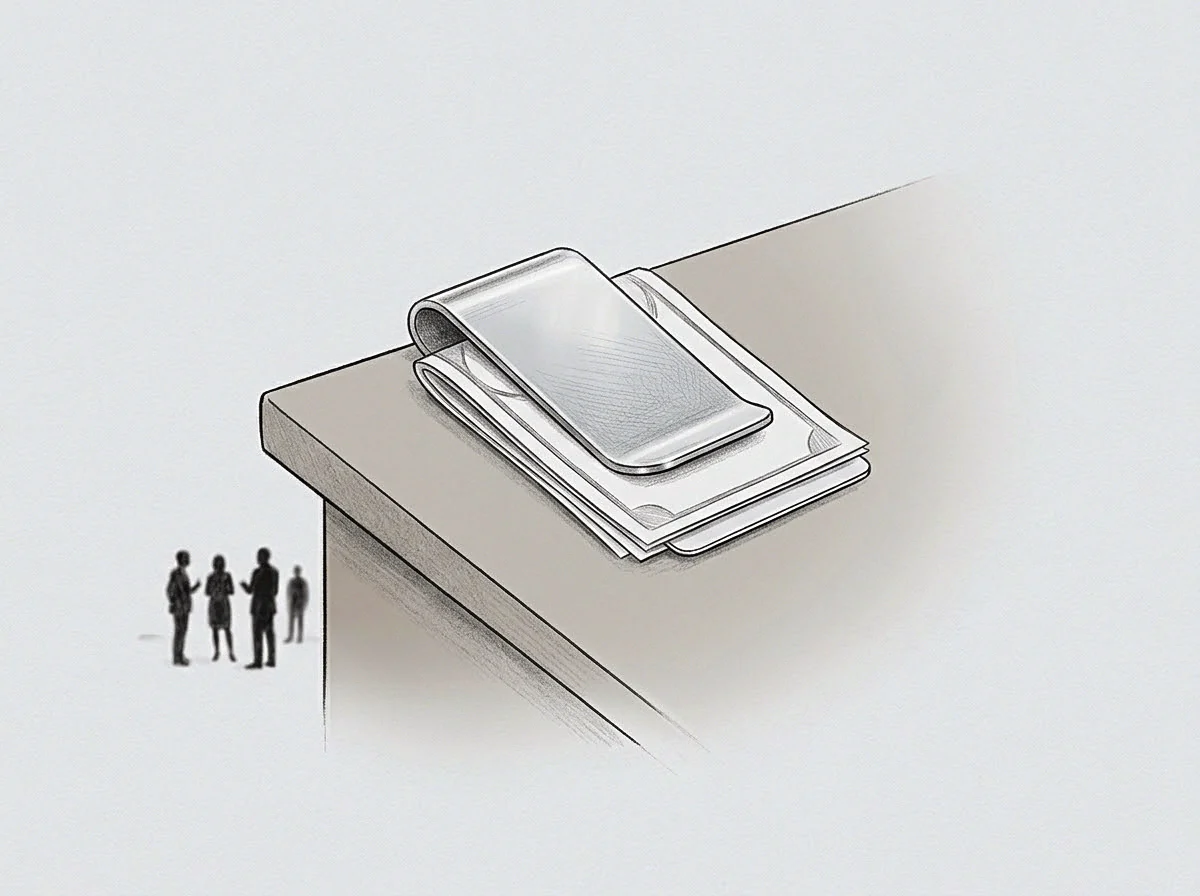
When Does Autonomic Recovery Actually Begin?
Parasympathetic rebound initiates only after cortical appraisal systems register unambiguous environmental safety. An operator who checks operational metrics at midnight keeps prefrontal vigilance networks fully mobilized. The nucleus tractus solitarius receives sustained inhibitory inputs, preventing nighttime cardiac down-regulation.
Night brings no rest.
Sleep fragments into brief, sympathetic-dominant intervals. Over successive weeks, nocturnal vagal tone fails to reach the threshold required for cellular restoration. The timeline of nocturnal vagal restoration advances through distinct physiological checkpoints:
- Slow wave synchronization initiates parasympathetic cardiac dominance during deep non-rapid eye movement stages, reducing myocardial oxygen consumption.
- Endothelial nitric oxide release restores peripheral vascular compliance as sympathetic vasoconstriction recedes across stable sleep architecture.
- Growth hormone pulsatility accelerates cellular protein synthesis and tissue remodeling under sustained acetylcholine release.
When sustained executive threat suppresses preganglionic parasympathetic firing, the sinoatrial node defaults to an intrinsic pacing rhythm fifteen to twenty beats above resting baseline.
The signal fades.
The temporal window between ten at night and two in the morning constitutes the primary restorative period for cardiovascular recovery. Curtailing this window through late-stage operational triage permanently truncates high-frequency autonomic rebuilding.

Buffer
Human nervous systems budget regulatory energy based on social proximity. Social baseline theory demonstrates that the brain treats proximity to familiar, reliable co-regulators as the primary, metabolically inexpensive baseline for survival. Operating in social isolation or under asymmetric accountability forces an individual into solitary self-regulation, which carries an immense metabolic penalty.
The myocardium remains unshielded.
In high-stakes enterprise leadership, founders often function as the sole regulatory foundation for dozens of team members, investors, and clients. The founder supplies calm for the group while possessing no reciprocal channel to receive down-regulation from others. This one-way extraction of autonomic steadiness empties somatic reserves.
Proximity to a steady co-regulator lowers cardiac energy expenditure faster than solitary rest.
The body pays.
| Autonomic Parameter | Solitary Self-Regulation Under Threat | Dyadic Co-Regulation In Close Proximity |
|---|---|---|
| Cardiac Vagal Control | Suppressed below thirty milliseconds root mean square | Maintained above fifty milliseconds root mean square |
| Systemic Vascular Resistance | Elevated with sustained vasoconstriction | Normalized via parasympathetic peripheral tone |
| Prefrontal Cortical Energy Draw | Continuous high glucose utilization | Attenuated via shared perceptual processing |
| Nocturnal Recovery Latency | Delayed by three to five hours post-cessation | Initiated within forty-five minutes of contact |
Dyadic contact with an unperturbed partner shares the metabolic burden of vigilance. When that contact is missing, the operator generates endogenous inhibitory control through sheer prefrontal effort, draining glycogen reserves and elevating systemic cortisol levels.
Four urgent operational pings arriving during dinner strip the parasympathetic system of its primary down-regulation window.
A founder who carries this asymmetric burden eventually hears the counterparty observe that the executive appears completely unaffected by the crisis and can easily absorb another division.
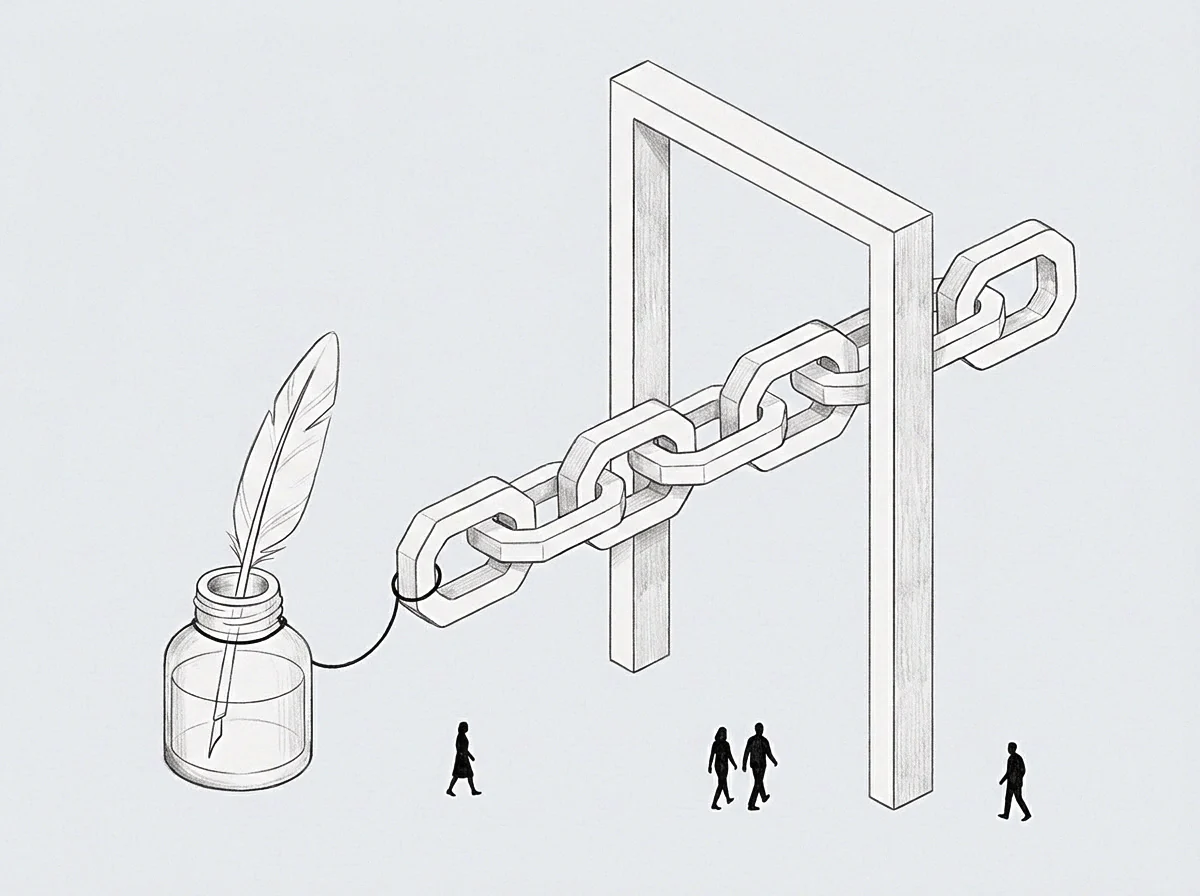
Rebound
Restoring functional vagal tone during active enterprise stewardship relies on physical, structural adjustments rather than cognitive reappraisal. Knowing the physiology of the autonomic nervous system does not replenish acetylcholine stores or desensitize beta-adrenergic receptors. Physiological down-regulation demands direct somatic and environmental alterations that remove the biological triggers of hyper-vigilance.
Silence does not equal safety.
Tissue reparation slows under sustained sympathetic drive. When digital alerts penetrate every evening hour, afferent baroreceptor inputs to the nucleus tractus solitarius remain chronically suppressed by ascending threat signals. Establishing a rigid environmental barrier between executive duty and somatic recovery represents the only dependable pathway to cardiac rebuilding.
The demand outpaces replenishment.
True parasympathetic restoration develops when an operator deliberately exposes the somatic system to physical down-regulation triggers. These inputs include extended expiratory respiration, cold water facial immersion to evoke the mammalian dive reflex, and predictable physical stillness in an environment devoid of enterprise inputs.
The room empties.
Recovery stalls whenever an operator treats physiological rest as a cognitive exercise. Unbroken physical stillness in an environment stripped of operational reminders allows the vagal brake to re-engage the heart long before mental certainty returns.