

Measuring Parasympathetic Recovery in High Threat Leadership Environments
Parasympathetic recovery in high-threat environments depends on nocturnal vagal reactivation measured through beat-to-beat variability and rapid heart rate deceleration.
Parasympathetic recovery in high-threat environments depends on nocturnal vagal reactivation measured through beat-to-beat variability and rapid heart rate deceleration.
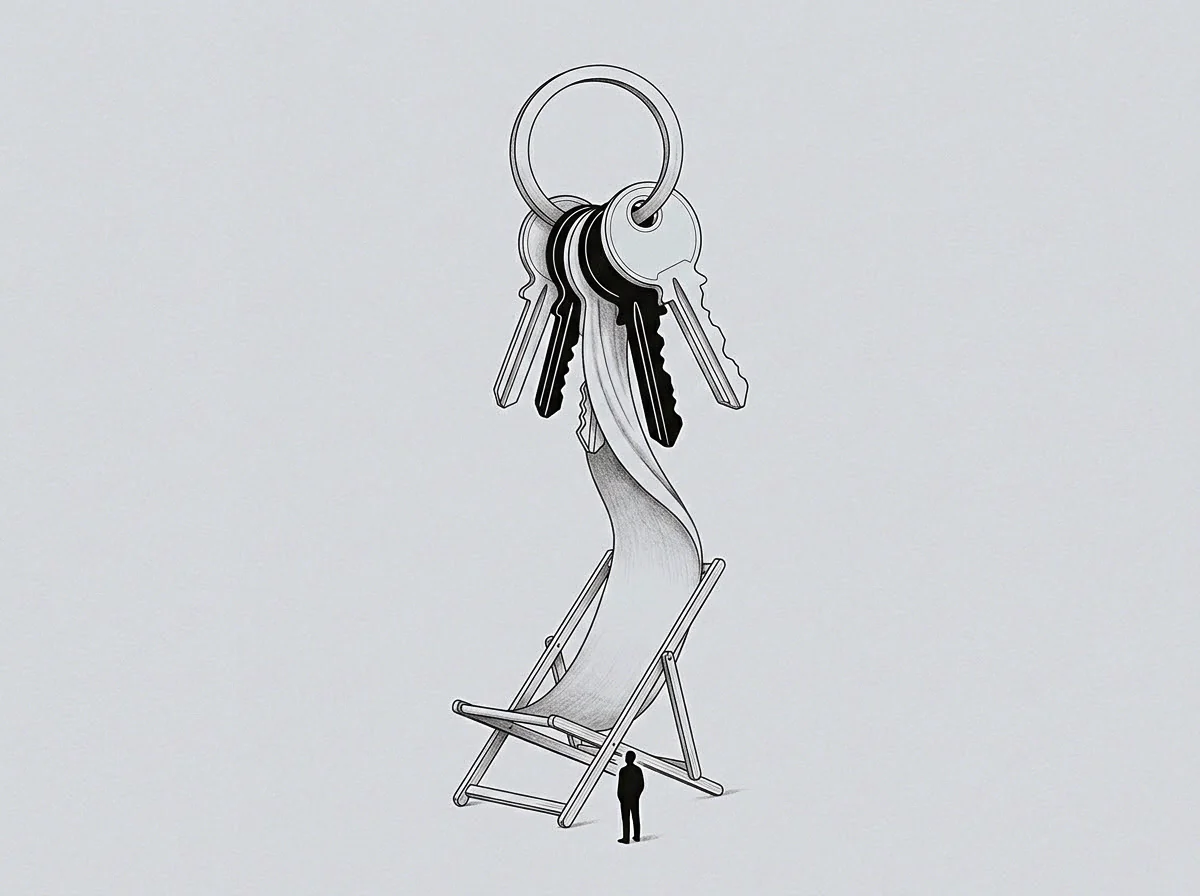
Chronic executive operational load suppresses the vagus nerve's cardiac brake, locking the heart into sympathetic overdrive and draining allostatic reserve.
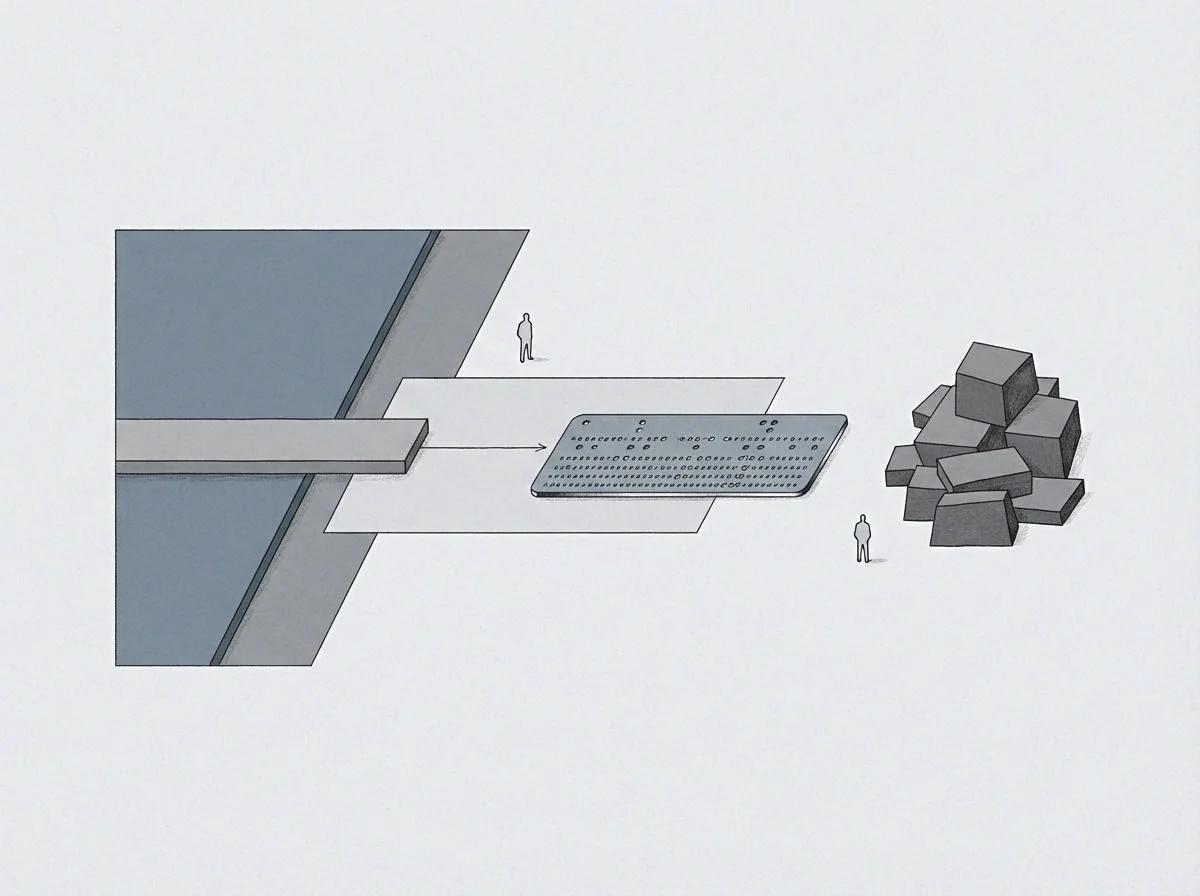
Myelinated ventral vagal fibers slow cardiac rhythm when physical co-presence carries zero evaluative or communicative demand, lowering metabolic regulation costs.
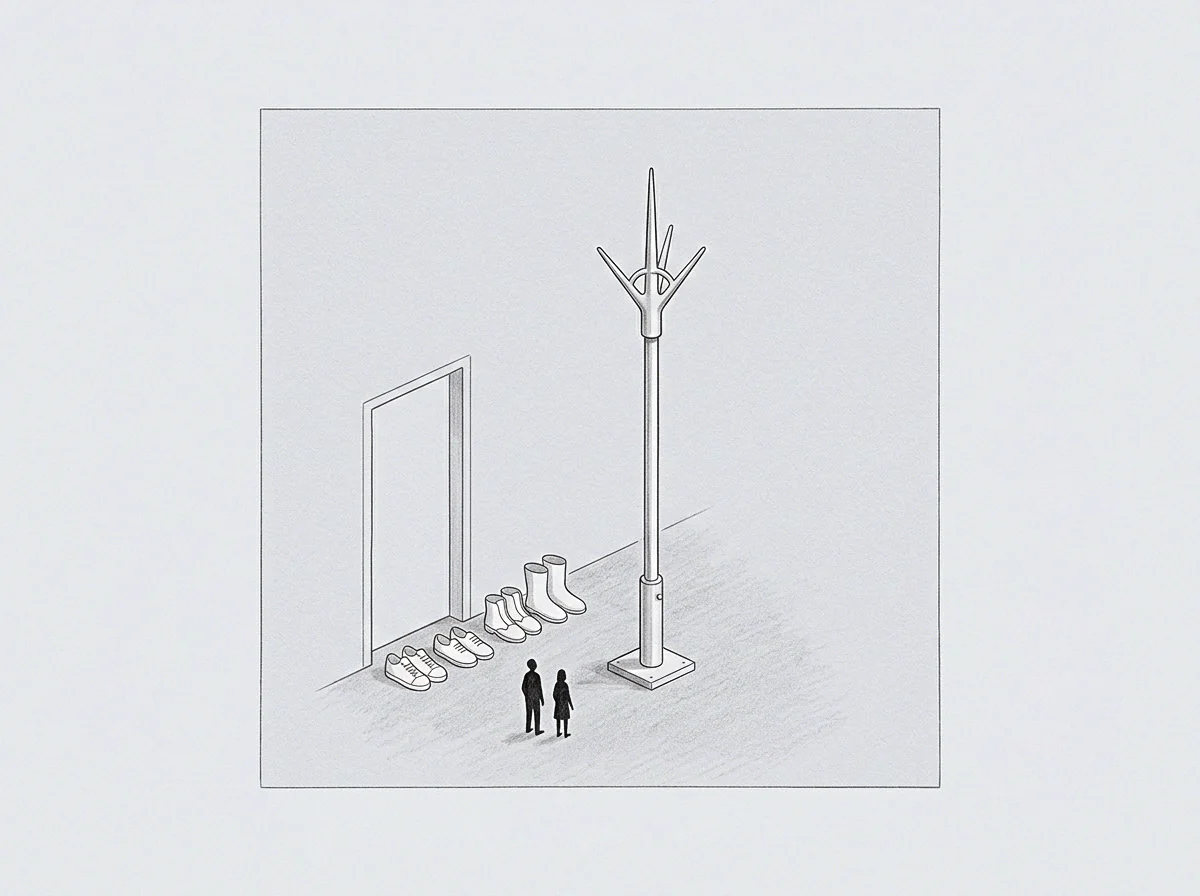
Unresolved operational threads maintain central nervous system vigilance, suppressing the vagal brake and preventing nocturnal parasympathetic cardiac recovery.
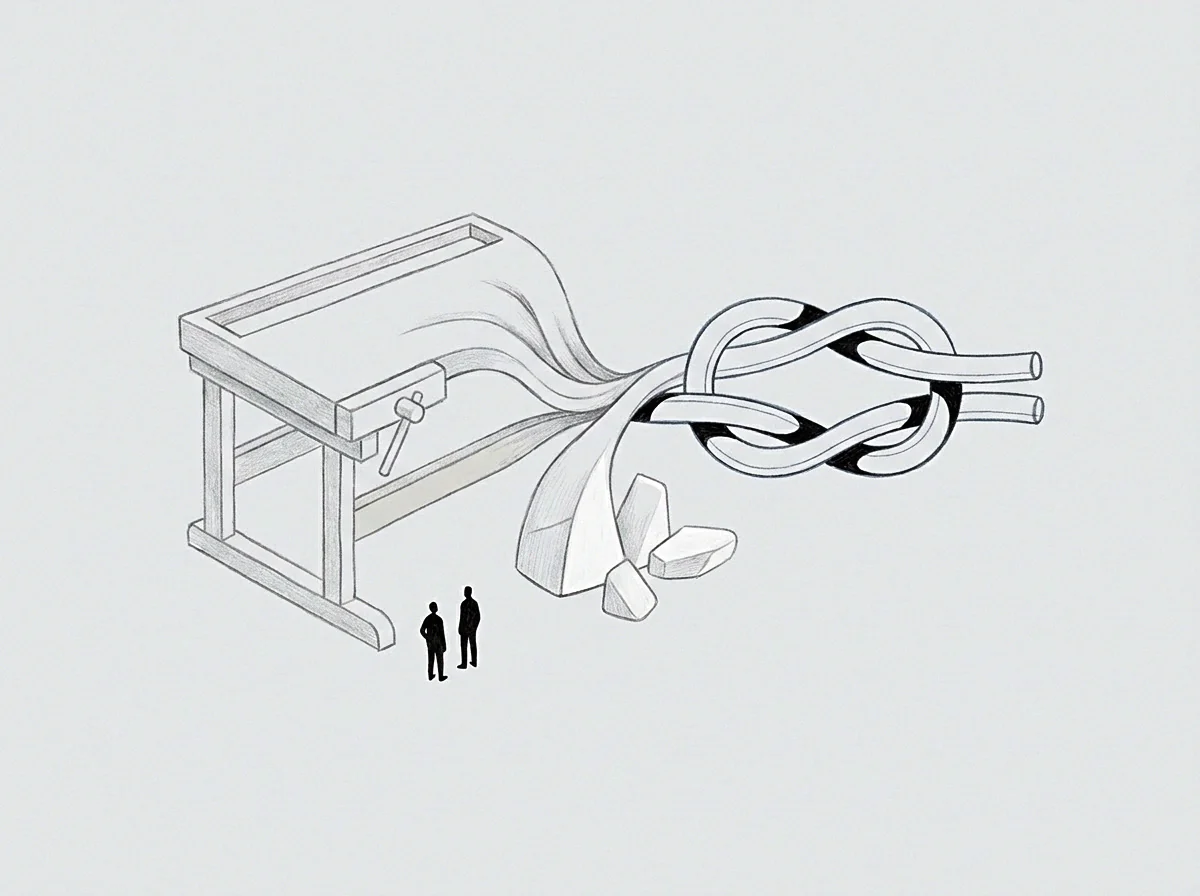
Suppressing nocturnal heart rate dipping and extending vagal recovery latency stems from continuous sympathetic outflow triggered by ungated operational loops.

Repeated low-demand physical proximity reactivates the ventral vagal brake by lowering metabolic threat prediction and restoring autonomic baseline regulation.

Re-entering relational proximity after solitary load triggers sudden parasympathetic withdrawal, forcing expensive metabolic expenditure to fuel unneeded vigilance.

Prolonged isolation dismantles autonomic receptive capacity by down-regulating vagal circuits, converting co-regulation into a perceived metabolic threat.
The terms are written where they belong. Each field holds three desks, and every entry a desk writes raises the terms it uses, each term given a meaning, a mechanism and the places it appears. The record on these pages stays first person and hand made; the fields grow the nomenclature.