Meaning
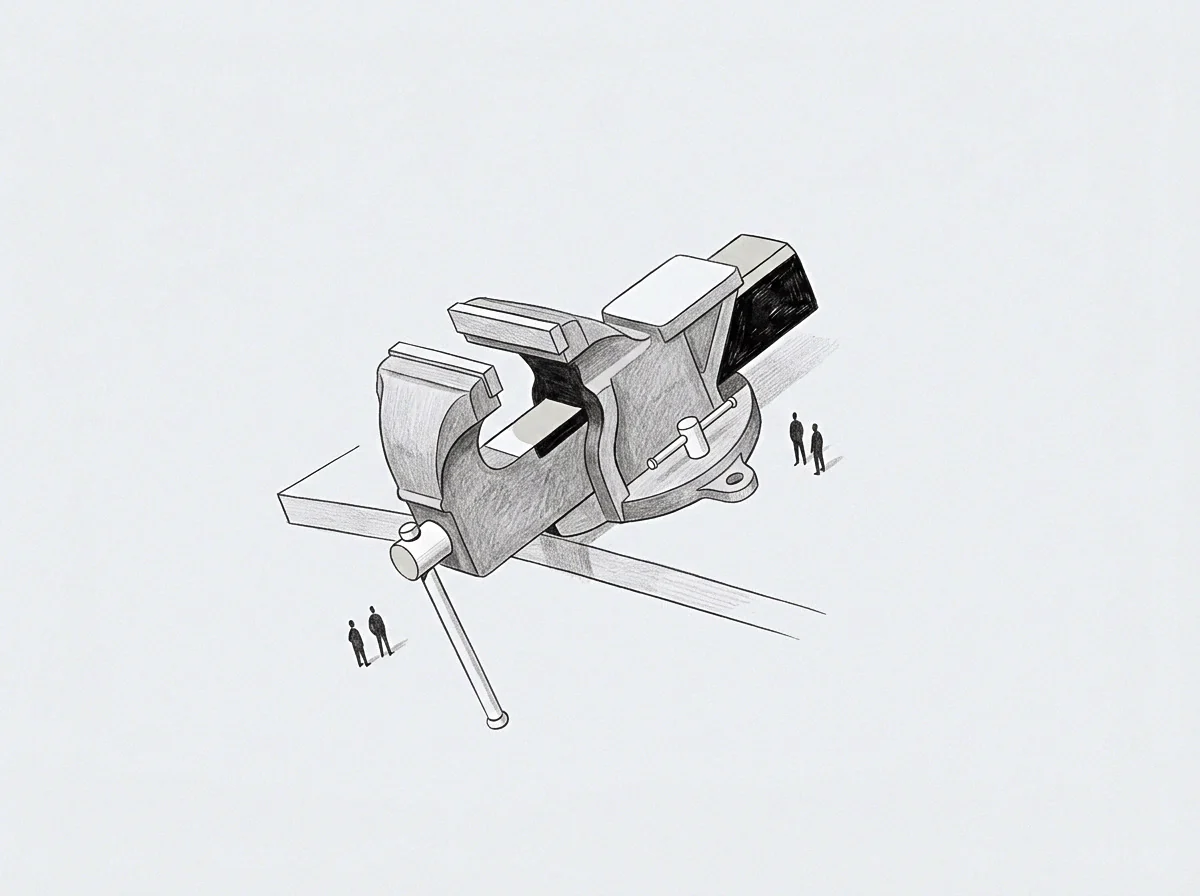
Individual burden characterizes the psychological weight borne by a decision-maker who lacks peer-level support and shared accountability. This condition, known as solitary load, occurs when the ultimate responsibility for an organization’s success or failure rests on a single person’s shoulders. The resulting isolation can lead to increased anxiety and a feeling of being disconnected from the rest of the company.
Isolated Strain
Working without a peer group means that a leader cannot easily share their worries or test their ideas with equals. This aspect of the solitary load forces the individual to process all their fears and strategic doubts internally, which increases the mental effort required to make decisions. Over time, the constant presence of this silent burden can erode self-confidence and lead to executive isolation.
Psychological Reserve
Maintaining a high level of resilience requires a strong social baseline that provides emotional support and validation. When the solitary load is heavy, the leader’s psychological reserves are depleted more rapidly because they must generate their own reassurance and motivation. This lack of external feedback can make it difficult to maintain a balanced perspective during times of crisis.
Social Baserate
Establishing external networks is crucial for mitigating the effects of leadership isolation. By engaging with mentors and professional coaches outside the company, a leader can reduce their solitary load and gain valuable perspectives on their challenges. These external relationships provide the sounding board that is missing within the company, helping to maintain long-term mental health and decision-making quality.
Such networks must be cultivated intentionally, as they do not form naturally when a leader is consumed by daily operations. When a leader possesses a robust external support system, the psychological pressure of the role is distributed, preventing the feelings of helplessness that often lead to burnout.