Meaning
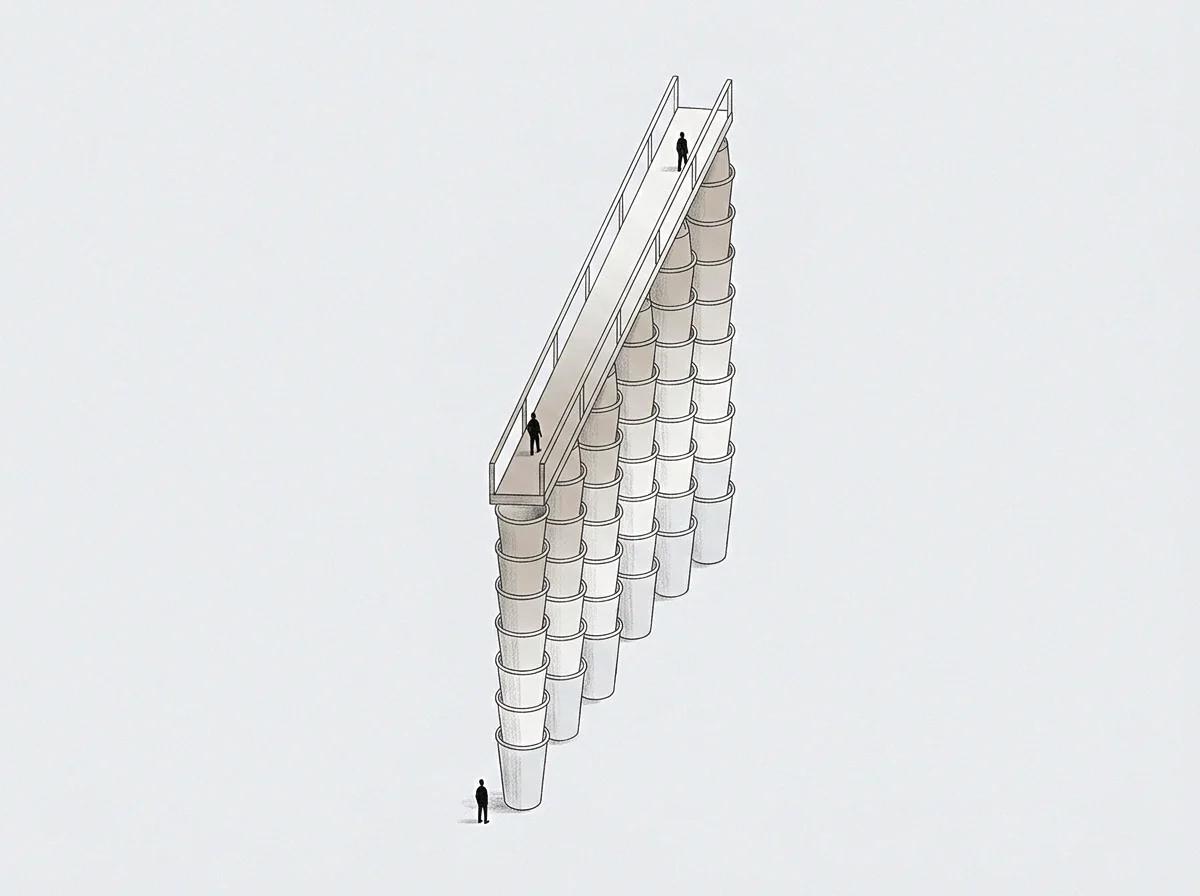
Autonomic load is the physiological wear and immediate metabolic cost imposed upon the sympathetic and parasympathetic nervous systems during prolonged organizational governance. This regulatory burden tracks the continuous energy required to maintain corporate stability without external operational feedback. Biological strain accumulates whenever decision density outpaces somatic recovery cycles during the post-founding phase.
Chronic activation exhausts the resting baseline, degrading biological capacity over extended operational windows.
Baseline Costs
Metabolic exhaustion limits cognitive endurance by diverting biochemical resources away from routine cellular maintenance. Physiological strain reduces the available hours for strategic oversight through persistent endocrine elevation. Sleep architecture degrades under sustained neural monitoring, which subsequently lowers physical capacity during high-stakes negotiations.
Regulation Limits
Self-regulation fails when the physiological margin collapses beneath the weight of persistent operational uncertainty. Co-regulation restores equilibrium temporarily by sharing the governance burden across trusted executive partners. Throttling occurs automatically when neural capacity hits its physiological ceiling, forcing a reduction in active commitments.
System Recovery
Recovery demands a deliberate cessation of operational monitoring to allow sympathetic tone to drop toward resting baselines. Somatic restoration depends entirely upon the complete removal of decision-making responsibility for scheduled blocks of time. Extended downtime reduces physiological debt, thereby preserving long-term cognitive capacity for future governance cycles.