
Recognizing Autonomic Depletion During Transitions Into Home Spaces
Autonomic depletion during home transitions occurs when external operational demands suddenly vanish, exposing unmasked sympathetic exhaustion before parasympathetic deceleration can engage.
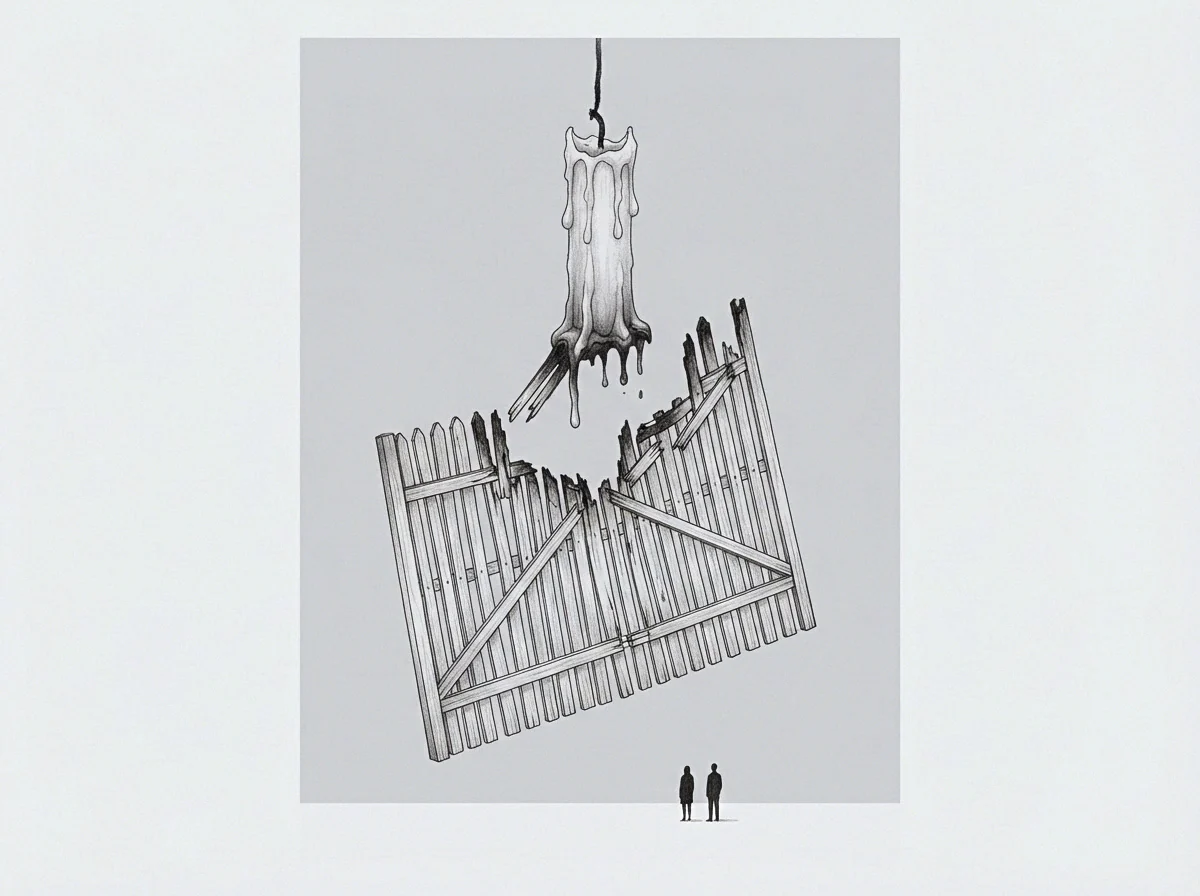
Hall
The car engine cuts out in the driveway, yet the heart rate stays at ninety beats per minute. A founder sits in the vehicle, scrolling through three email threads that require no immediate action, unable to step into the front entry. Moving between a high-threat operational role and a domestic space produces an abrupt drop in external cognitive load, exposing an autonomic deficit that remained masked throughout the working day.
What looks from the outside like simple fatigue is a disconnect between physiological arousal and immediate environmental demand.
Inside the corporate seat, constant coordination and risk assessment recruit continuous sympathetic activation. The nervous system operates with an elevated set point, leaning on norepinephrine and cortisol to sustain attention across concurrent operational crises. Once the physical environment shifts to the home, the external stimuli sustaining that high-energy mobilization vanish.
The brain registers the underlying state of resource exhaustion without the operational structure that held it upright.
Under sustained operational threat, the human nervous system budgets metabolic output by masking exhaustion until environmental survival cues disappear.
The immediate consequence is a sudden drop in executive capacity, often arriving as physical heaviness, sharp irritability, or verbal muteness within ten minutes of crossing the threshold. A family member asks an ordinary question about dinner, and the response registers as cognitive overwhelm. The partner reads this reaction as emotional withdrawal or coldness.
In biological terms, the founder has depleted the daily reserve of self-regulation and retains zero surplus capacity to process low-stakes social cues.
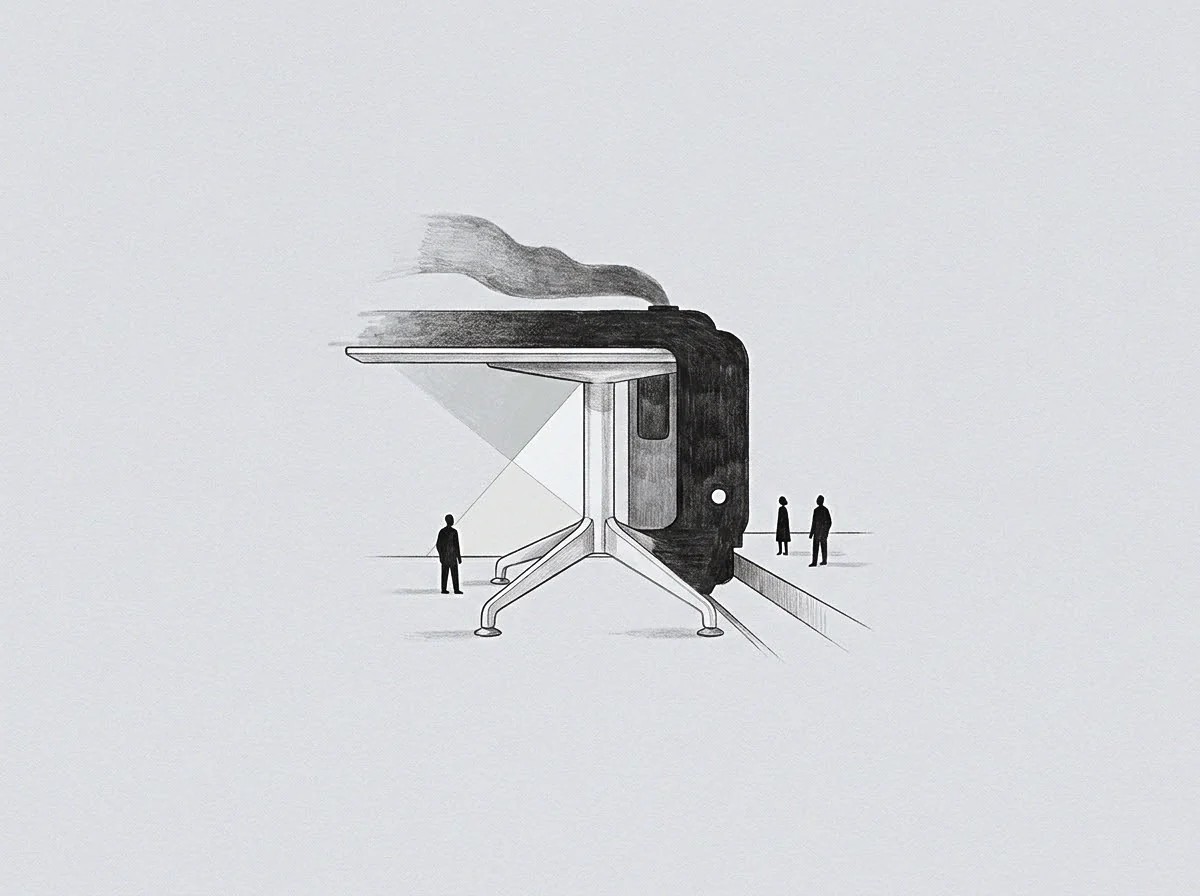
Sensory Collapse at the Domestic Threshold
The front entryway represents a sharp gradient between two distinct neurobiological regulatory environments. At the office, continuous social vigilance organizes attention around risk mitigation. Arriving home removes that organizing structure instantly.
This sudden removal of structure forces an involuntary shift in autonomic state. Stripped of task-based orientation, the nervous system drops from sympathetic mobilization directly into dorsal vagal shutdown. The shift registers as sudden brain fog, heavy limbs, and a sudden impulse to isolate.
Speech becomes physically demanding. The eyes struggle to hold focus on a partner or child. Twelve hours of self-regulation take their metabolic toll.
That focused attention drew down real physiological reserves every hour.
The person on the other side of the kitchen island experiences this arrival as an emotional wall, wondering why the energy available for colleagues evaporates before entering the living room.
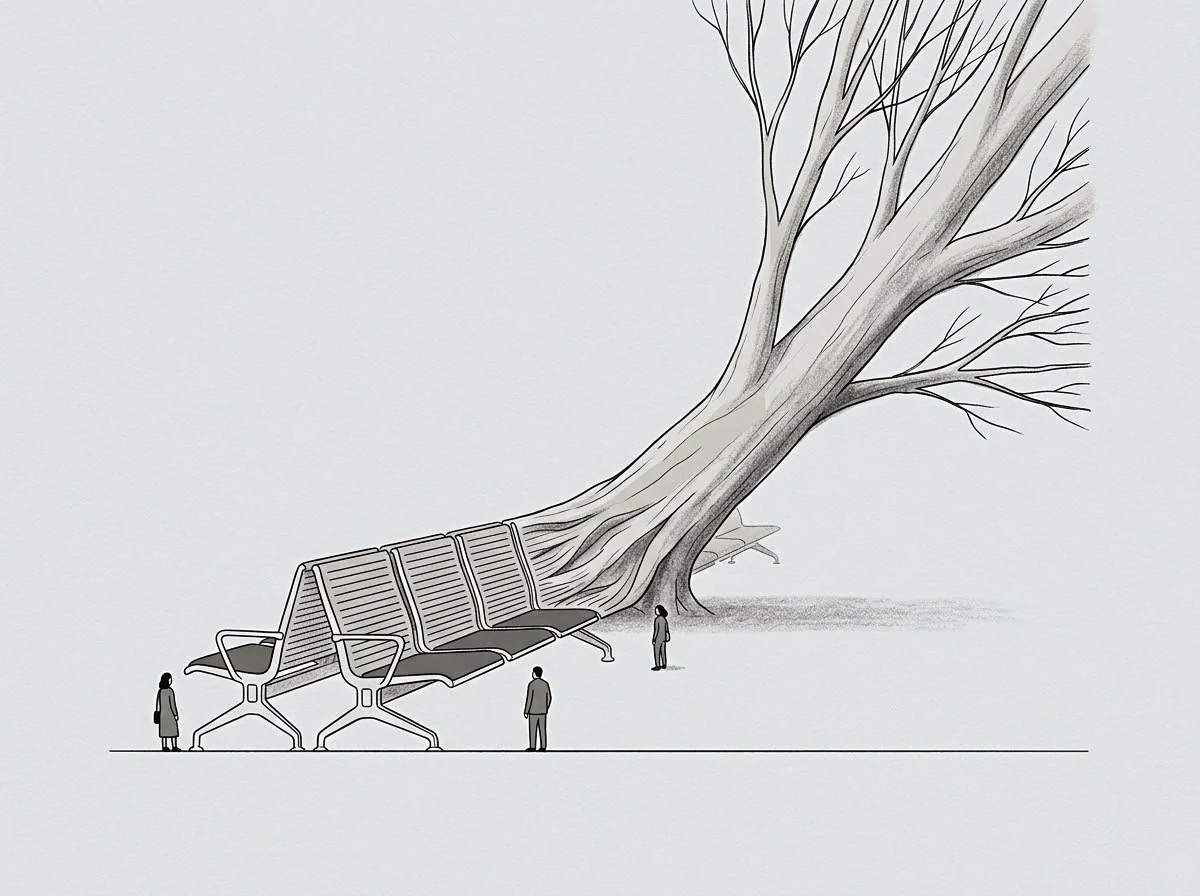
Brake
The mammalian autonomic architecture regulates metabolic expenditure through the polyvagal complex, specifically the myelinated ventral vagal system that acts as an active deceleration mechanism on cardiac output. When operational load remains elevated for months, the vagal brake stays disengaged to permit uninhibited sympathetic drive. This chronic state impairs the physiological capacity to slow down upon entering a quiet environment.
The body remains primed for threat response despite the complete absence of physical or operational danger.
Laboratory measurements of heart rate variability confirm that baseline parasympathetic tone drops significantly during prolonged organizational strain. Specifically, the high-frequency component of heart rate variability, which tracks respiratory sinus arrhythmia and ventral vagal regulation, exhibits severe attenuation. When an individual in this state attempts an immediate shift into a relational domestic role, the physiological capacity for soft facial expression, prosodic vocal tone, and reciprocal social engagement is absent.
A depleted vagal brake prevents the physiological transition from operational vigilance to calm social engagement.
Social baseline theory establishes that the human brain calculates environmental risk based on the perceived presence of reliable, low-cost co-regulators. When a founder has spent years serving as the primary baseline for an organization, absorbing the anxiety of investors and employees without receiving regulatory support in return, their internal working model encodes self-regulation as the sole survival pathway. The capacity to accept passive co-regulation at home degrades through prolonged disuse.
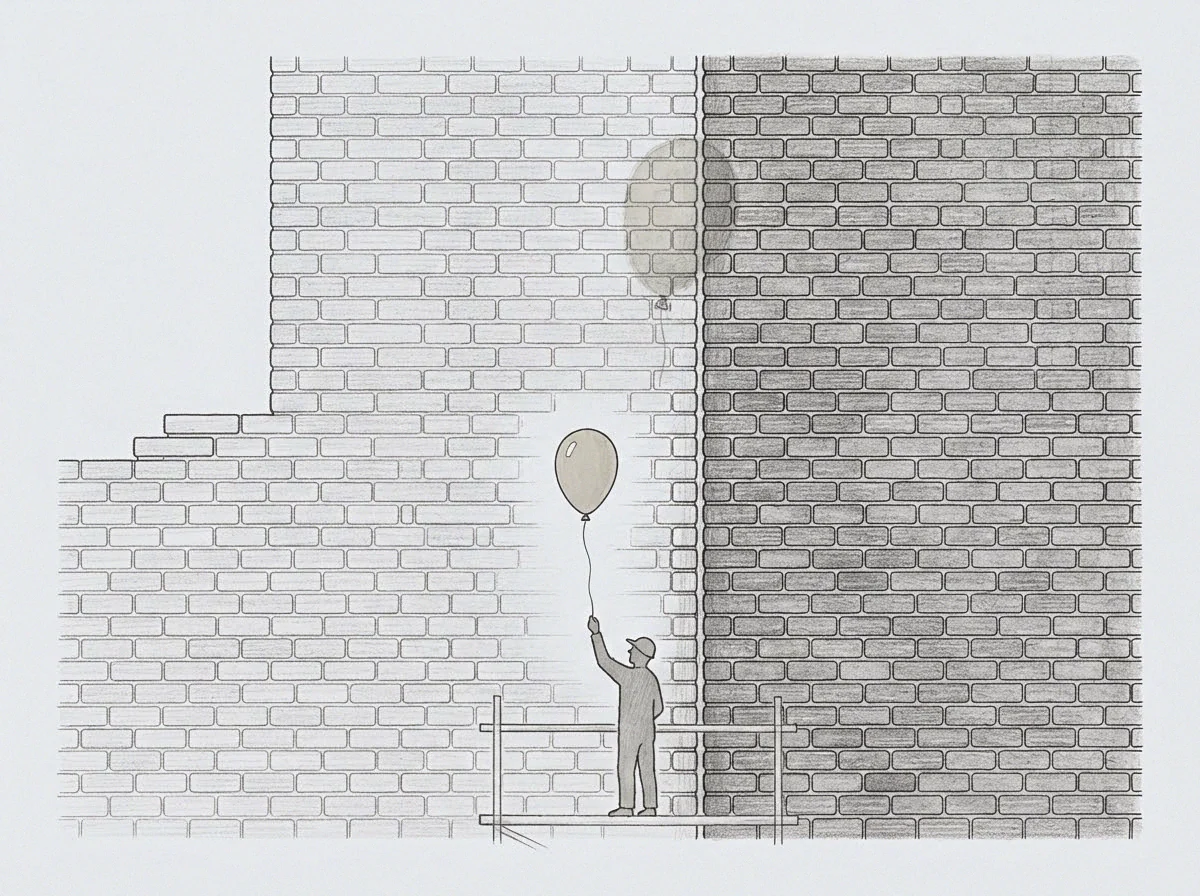
What Physical Signs Precede Autonomic Collapse?
Specific somatic indicators signal that the transition into a domestic space is occurring on a depleted autonomic reserve:
- Pupillary Fixation manifests as an inability to soften focal gaze, holding a narrow visual field suited for threat scanning rather than relational connection.
- Respiratory Splinting appears as shallow, upper-chest breathing that locks thoracic movement and prevents the physiological sigh from engaging diaphragm-mediated vagal slowing.
- Somatic Deceleration Lag occurs when voluntary motor movement slows down dramatically while internal subjective racing thoughts persist at peak speed.
- Acoustic Sensitivity Spike causes ordinary domestic sounds such as clattering dishes or children playing to trigger acute sympathetic startle responses.
These manifestations reflect a nervous system whose autonomic flexibility has narrowed to an all-or-nothing response between rigid mobilization and physiological shutdown.
A simple observation holds that the deeper the silence in the car before entering the house, the closer the nervous system sits to dorsal shutdown.
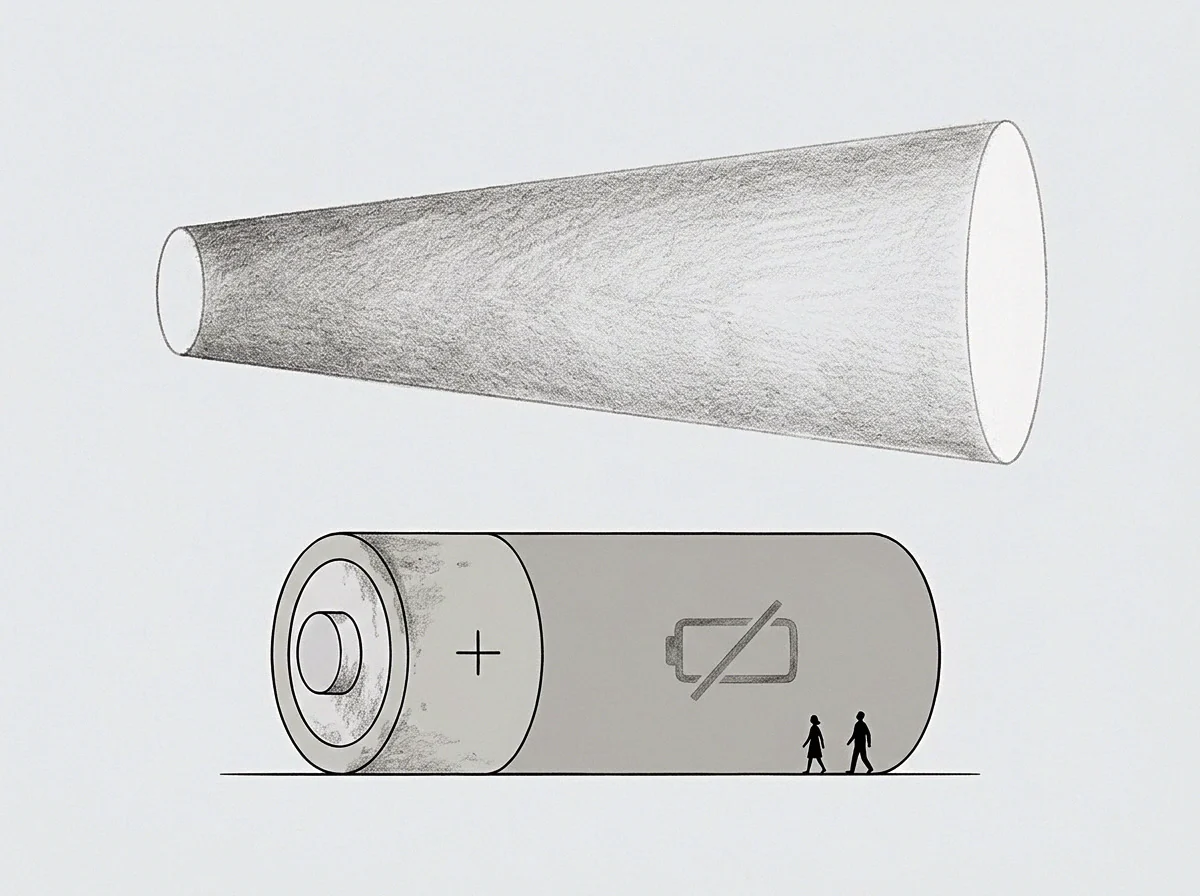
Throttle
Sustained operational pressure forces the nervous system to run on an energy deficit, drawing down physiological reserves that require structured pacing to replenish. When autonomic depletion occurs during daily transitions, distinct environments impose radically different metabolic costs on the individual.
| Operational Environment | Autonomic State | Vagal Tone | Metabolic Cost | Relational Capacity |
|---|---|---|---|---|
| Commercial Workspace | Sympathetic Mobilization | Severely Suppressed | Very High | Instrumental and Directive |
| Physical Transit Buffer | Sympathetic Deceleration | Partially Suppressed | Moderate | Minimal or Unresponsive |
| Domestic Living Space | Dorsal Vagal Freeze | Unresponsive Baseline | Depleted Reserve | Severely Constrained |
| Integrated Rest Space | Ventral Vagal Engagement | Fully Restored | Low Baseline | Reciprocal and Attuned |
The operational workspace sustains arousal through constant inputs, deadlines, and social accountability. An individual performs at an elevated baseline because the environment supplies the adrenaline required to operate. Transit spaces, such as trains or personal vehicles, remove these active inputs, initiating an unmonitored autonomic downshift that frequently stalls in physiological limbo.
By the time the person reaches domestic living spaces, the capacity for spontaneous attunement has collapsed entirely.
Attempts to force high-quality domestic engagement across a collapsed autonomic throttle generate acute relational friction. The nervous system perceives requests for connection, domestic coordination, or casual conversation as additional demands on an empty metabolic budget. Instead of producing intimacy, the forced interaction triggers reflexive defense behaviors: sharp retorts, immediate emotional withdrawal, or total physical dissociation into screens and work artifacts.
When internal reserves fall below the minimum threshold for social engagement, unmediated domestic demands trigger protective defensive responses.
Mistaking this autonomic collapse for relational decay leads couples into protracted disputes regarding priority, affection, and commitment, when the root breakdown sits entirely within the physiological transition sequence.

Resonance
Human nervous systems continuously exchange physiological state information through unconscious social cues, a process termed co-regulation. In healthy interpersonal dynamics, proximity to a grounded and regulated partner lowers the metabolic cost of maintaining internal equilibrium. For an individual who has become the unilateral regulatory anchor for a company, however, interpersonal proximity itself becomes coded as an implicit demand for output.
The presence of other people in the home is experienced not as a baseline for shared calm, but as an impending claim on depleted resources.
This perceptual distortion arises from an internal template where being present with others always means holding regulatory responsibility for them. The founder has spent years regulating the emotional climate of boardroom tables, team all-hands, and client negotiations. That operational habituation erases the receptor slot for receiving regulation from an outside source.
When a domestic partner offers warmth, presence, or physical comfort, the depleted nervous system misinterprets the gesture as an inbound task requiring energetic accommodation.
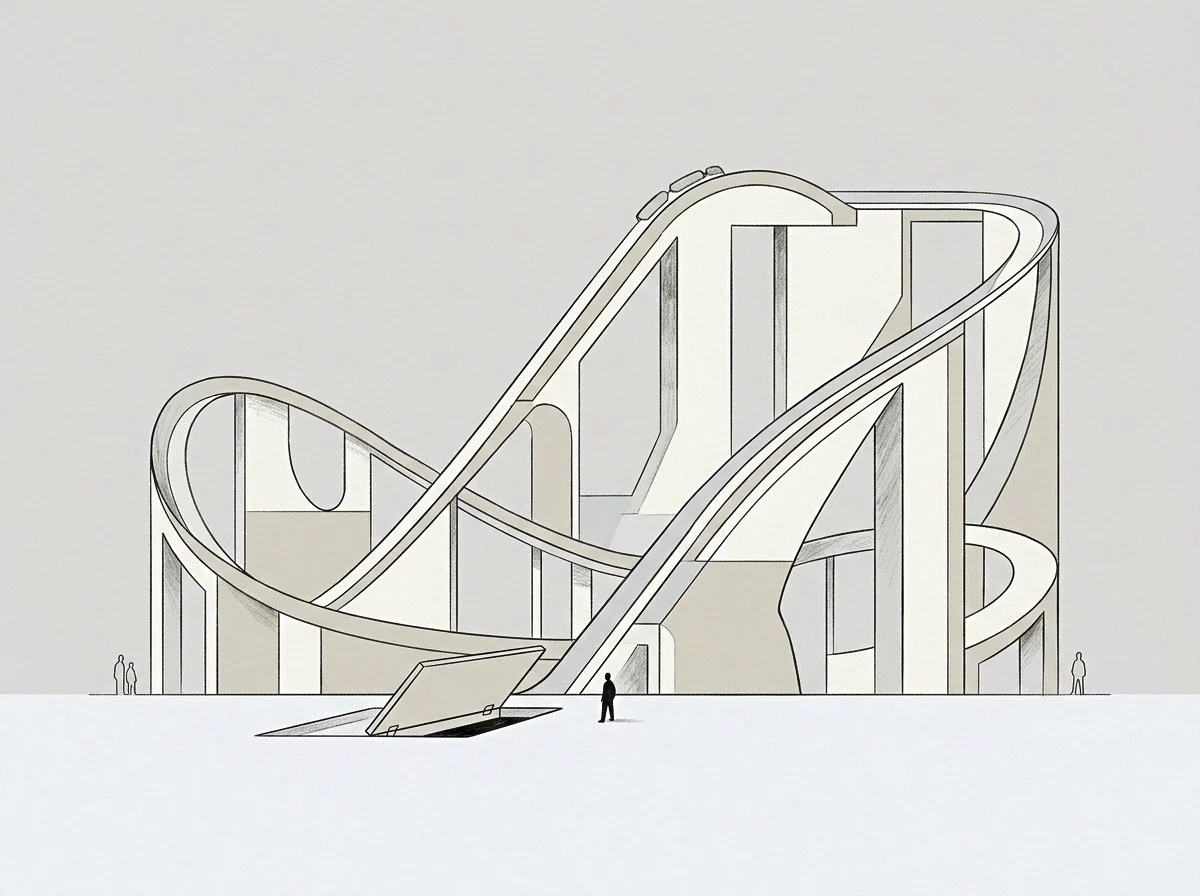
The Economy of Borrowed Stability
In many executive households, one partner consistently acts as the emotional stabilizer, absorbing uncertainty and presenting an outward image of unshakeable steadiness. Over years of organizational pressure, this dynamic establishes a covert asymmetric arrangement. The household relies on the founder’s perceived resilience, while the founder relies on absolute privacy to let that resilience collapse when left alone.
Maintaining that outward steadiness requires continuous daily energy.
When the stabilizer’s autonomic reserves deplete entirely, this unstated arrangement fails abruptly. The partner feels blindsided by the sudden emergence of helplessness or irritability in a person who appeared completely solid hours earlier. The founder feels unseen in their exhaustion, resentful that their outward competence has made their underlying collapse invisible to the people they live with.
The boundary in this arrangement arrives when the individual explicitly declines to hold the domestic regulatory state until a defined window of physiological recovery has elapsed, altering the relational expectation from instantaneous availability to structured reentry.
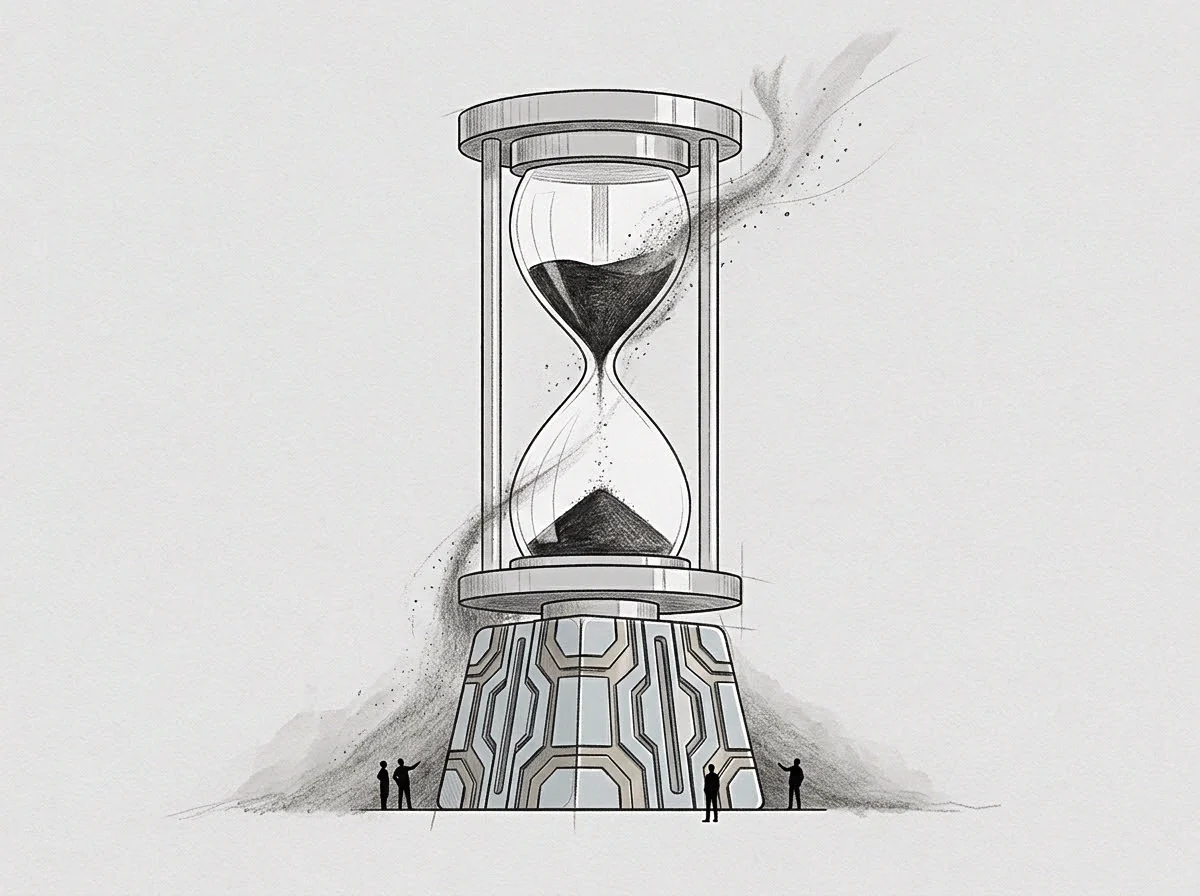
Pacing
Rebuilding autonomic flexibility during domestic transitions requires replacing intellectual insight with systematic somatic adjustments. Knowing that the nervous system is running low does not alter autonomic tone; only specific, repeated physical conditions permit the ventral vagal brake to re-engage safely. The individual must construct deliberate transitional buffers that allow sympathetic deceleration to finish before relational demands begin.
A transition protocol decouples physical arrival from social entry. The person arriving home establishes a consistent twenty-minute interval dedicated exclusively to physiological downregulation. During this window, verbal processing is suspended, sensory inputs are deliberately minimized, and no attempts at relational problem-solving or household coordination are permitted.
The nervous system is allowed to complete its drop from sympathetic mobilization through quiet isolation, avoiding the sudden cliff into dorsal vagal freeze.
Earned security forms when repeated physical experiences of safety overwrite legacy templates of unilateral self-regulation.
Developing an earned security template within the home space is an incremental biological adaptation. Over months of consistent, low-demand physical proximity, the nervous system unlearns the assumption that every human interaction requires an energetic expenditure. The individual discovers that sitting in the same room with a partner without speaking, performing, or fixing problems actually lowers heart rate and restores parasympathetic tone.

Structural Components of Physiological Reentry
Establishing an effective transition requires implementing non-negotiable physical constraints:
- Sensory Depressurization involves remaining in low-light, low-acoustic environments immediately following transit to allow visual and auditory sensory circuits to downregulate.
- Postural Grounding requires assuming a horizontal or supported seated position that signals to proprioceptive networks that postural vigilance is no longer needed.
- Metabolic Refueling delivers fast-acting glucose and hydration to resolve acute neuroglycopenia before attempting any interpersonal communication.
- Explicit Reentry Signatures establish clear, predictable physical cues that indicate to household members when the autonomic transition is complete and relational capacity is available.
Whether this deliberate decoupling of arrival and engagement can permanently restore vagal flexibility in individuals who remain under severe commercial stress remains an open empirical question for affective neuroscience.