Meaning
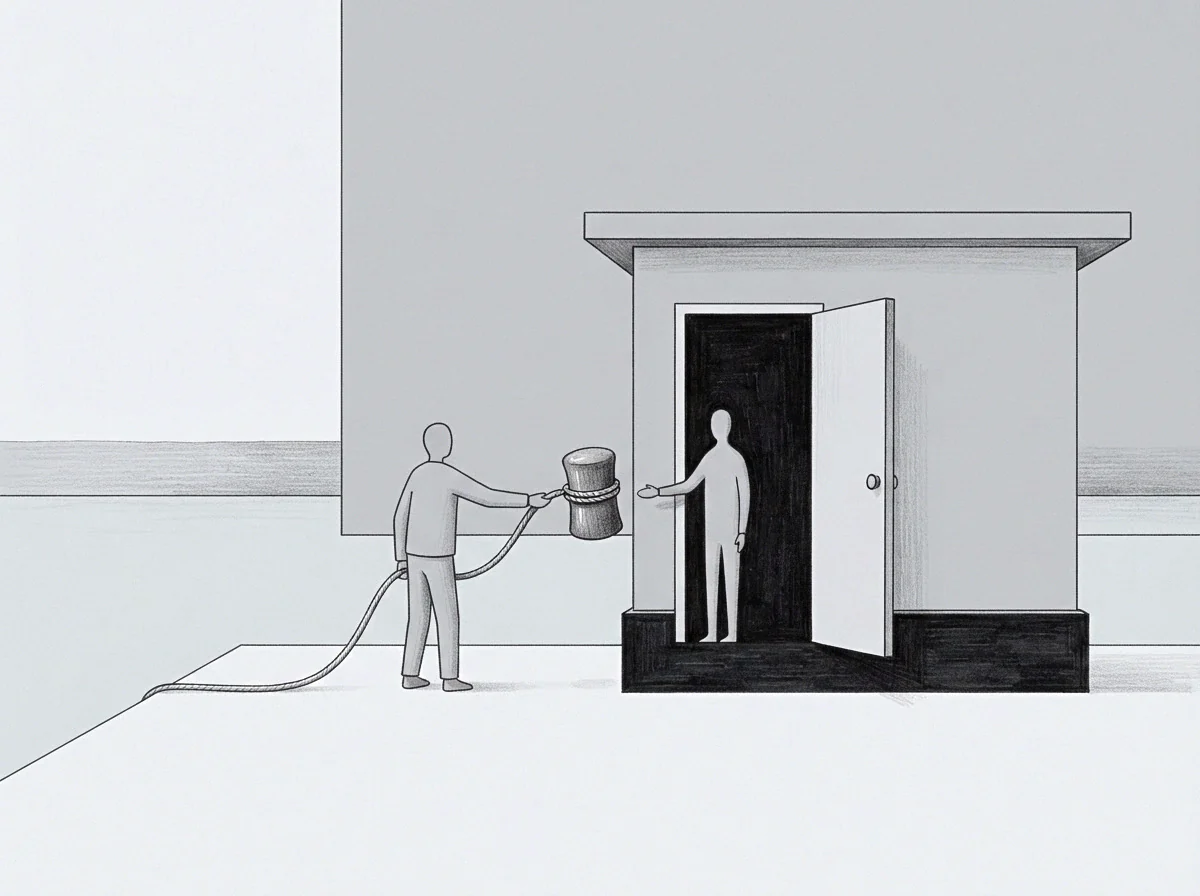
A physiological state characterized by parasympathetic baseline dominance enables internal cellular restoration, creative cognition and relaxed social affiliation without hyper-vigilance. Within high-stress enterprise leadership, somatic safety represents the rare condition where the nervous system ceases to anticipate legal, financial or operational catastrophe. Achieving this bodily quietude allows visceral organs to disengage from emergency mobilization and resume standard homeostatic maintenance.
The state depends upon visceral feedback signaling the absence of environmental coercion or interpersonal exploitation. True physical restoration remains blocked until the founder completely severs operational accountability from personal identity.
Visceral Quiescence
Deep systemic recovery requires the visceral organs to operate without constant sympathetic interference. Under conditions of somatic safety, heart rate variability increases, blood pressure normalizes and the digestive system receives adequate blood flow to process nutrients efficiently. The muscular bracing that protects leaders during continuous litigation or competitive warfare melts away, relieving chronic tension in the neck, jaw and abdomen.
Sleep patterns transition from light, threat-monitoring naps into deep, neurochemically restorative delta sleep cycles. The organism finally diverts energy toward cellular repair rather than external emergency responses.
Operational Friction
The physiological requirements of bodily ease often run counter to the relentless demands of high-growth corporate governance. Cultivating somatic safety requires extended periods of unstructured time, absence of unpredictable digital pings and complete communicative disengagement from commercial counterparties. An operating executive who attempts to sustain this internal quietude risks appearing unmotivated or unresponsive to immediate market opportunities.
The corporate environment systematically rewards hyper-aroused, hyper-vigilant states, creating structural barriers against long-term physical recovery. Founders leaving their companies must endure intense guilt as their bodies adjust to non-demanding, non-urgent rhythms.
Baseline Reversion
Rebuilding internal equilibrium after years of extreme corporate stress requires progressive conditioning rather than an instantaneous psychological decision. Experiencing somatic safety can initially provoke acute panic in long-tenured founders, as the sudden absence of adrenaline feels dangerously equivalent to professional failure. The nervous system interprets unfamiliar tranquility as an unsafe drop in operational guard, prompting impulses to invent new projects or reignite administrative crises.
Stabilizing a calm physiological baseline requires months of exposure to non-lethal environments before the body accepts peace as its permanent operational default.