
Social Baseline Economics in Solo Executive Leadership Roles
Solo executive roles increase allostatic load because solitary neural budgeting lacks proximate co-regulating peers to share risk processing costs.
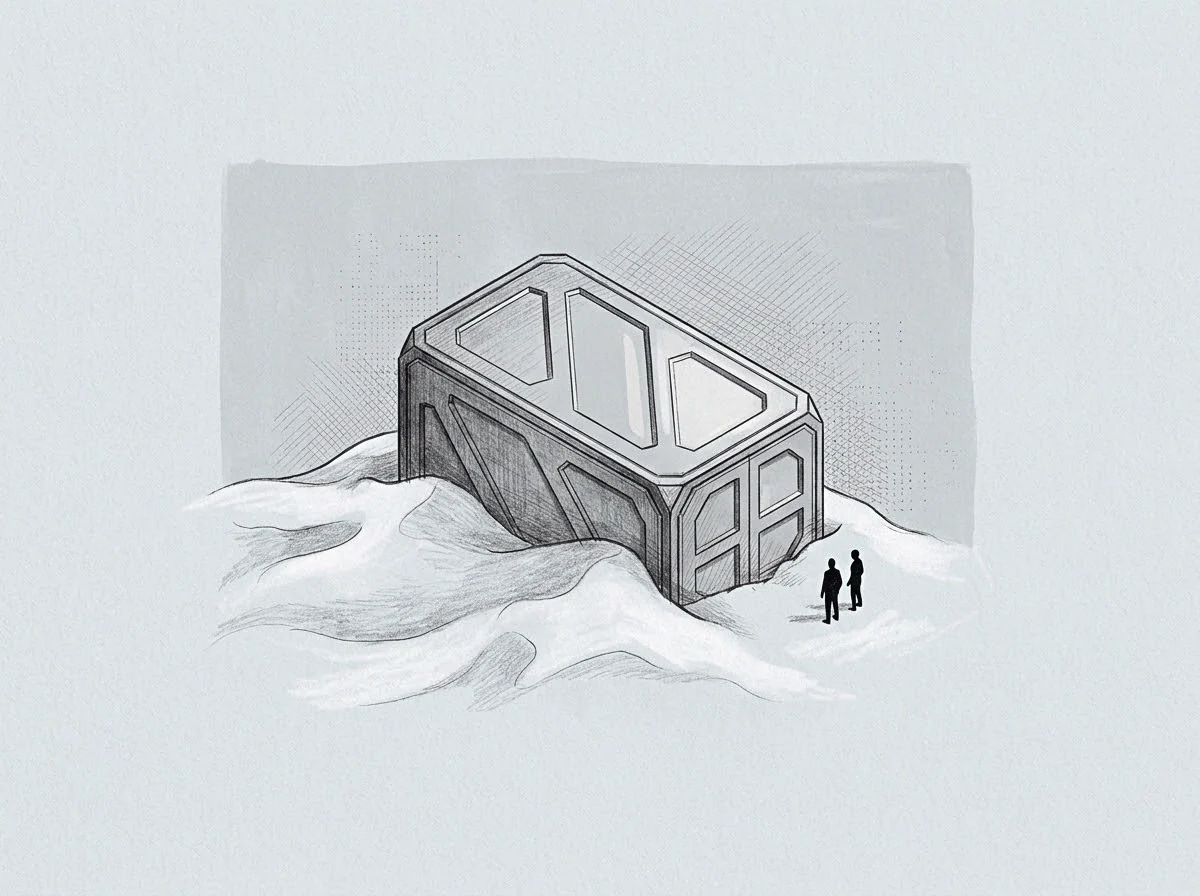
Seat
Four operational communication channels remain active past midnight. An urgent message from a lead investor sits beside a critical database outage alert, a sudden key resignation notice, and a strategic pivot dispute between department leads. The solo executive sits alone in the room, processing high organizational risk while maintaining total physiological composure.
Solitary leadership costs neural energy. The seat imposes vigilance. Human neural architecture assumes the presence of proximate, trusted conspecifics to share environmental threat monitoring and emotional regulation.
When an executive operates without proximate peers, the brain defaults to solitary regulation, dramatically increasing glucose utilization in the prefrontal cortex and elevating baseline allostatic load.
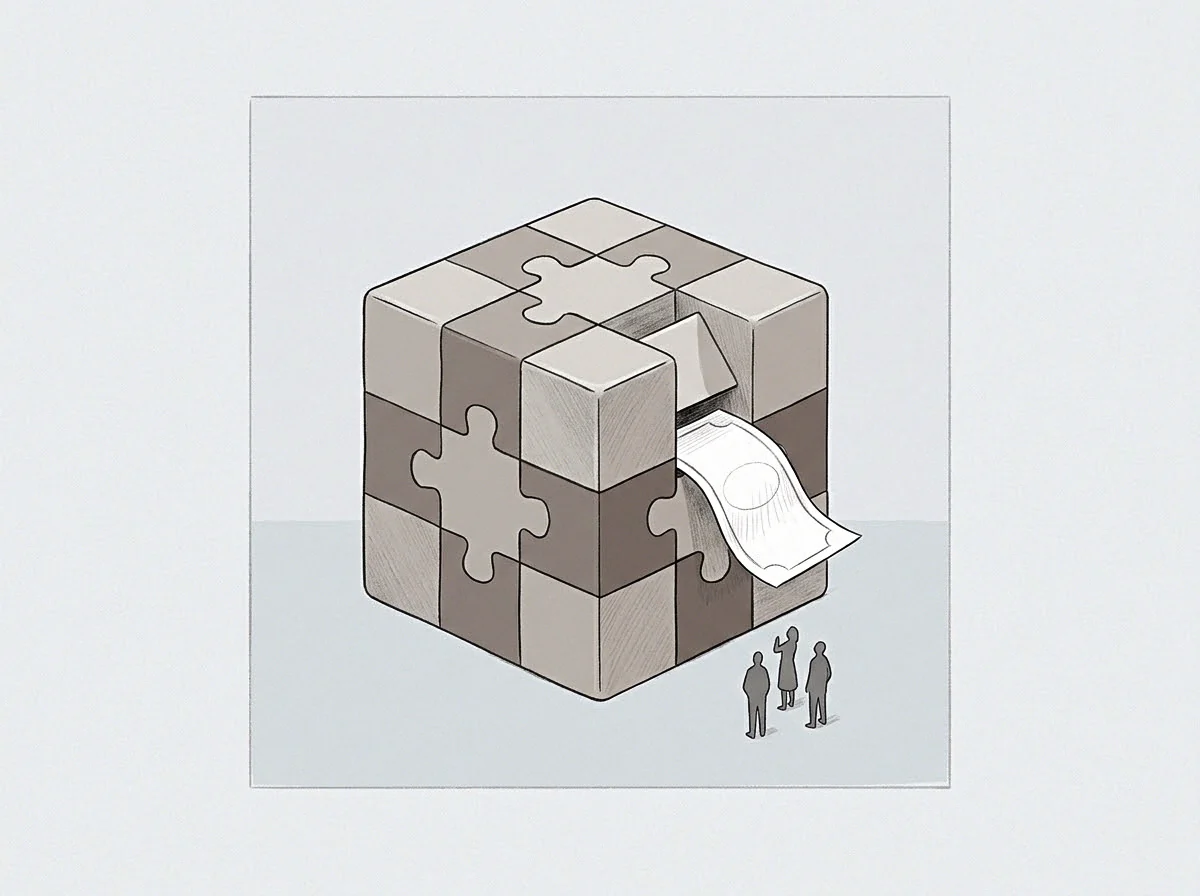
Operational Isolation and Solitary Regulation Costs
Social baseline theory establishes that the human brain treats social proximity as the primary economy of effort. Proximity to a reliable other acts as an environmental resource that lowers the metabolic cost of risk management. In the absence of a proximate peer, the solitary executive brain interprets the environment as inherently more demanding and dangerous.
Threat responses activate faster, linger longer, and consume greater metabolic reserves.
The physiological cost of this isolation manifests as sustained sympathetic nervous system activation. Routine strategic choices require elevated cognitive effort because the executive brain cannot delegate any portion of baseline environmental scanning to a trusted companion. The single brain budgets alone.
Over extended quarters, this continuous self-regulation without borrowed calm degrades executive function, narrows perception, and accelerates systemic fatigue.
Neural economy degrades rapidly when an executive manages high uncertainty without a proximate co-regulating peer.
The operational updates arrive on schedule, but every decision feels like pushing against an invisible wall.

Calm
Organizations naturally attach to the internal state of their chief executive to stabilize collective panic. Subordinates, operational partners, and team members monitor the executive for non-verbal signals of safety or alarm. The leader functions as the primary external regulator template for the entire enterprise.
Downward regulation transfers baseline calm from the executive to the team, yet leaves the executive bearing the metabolic debt of the whole system.
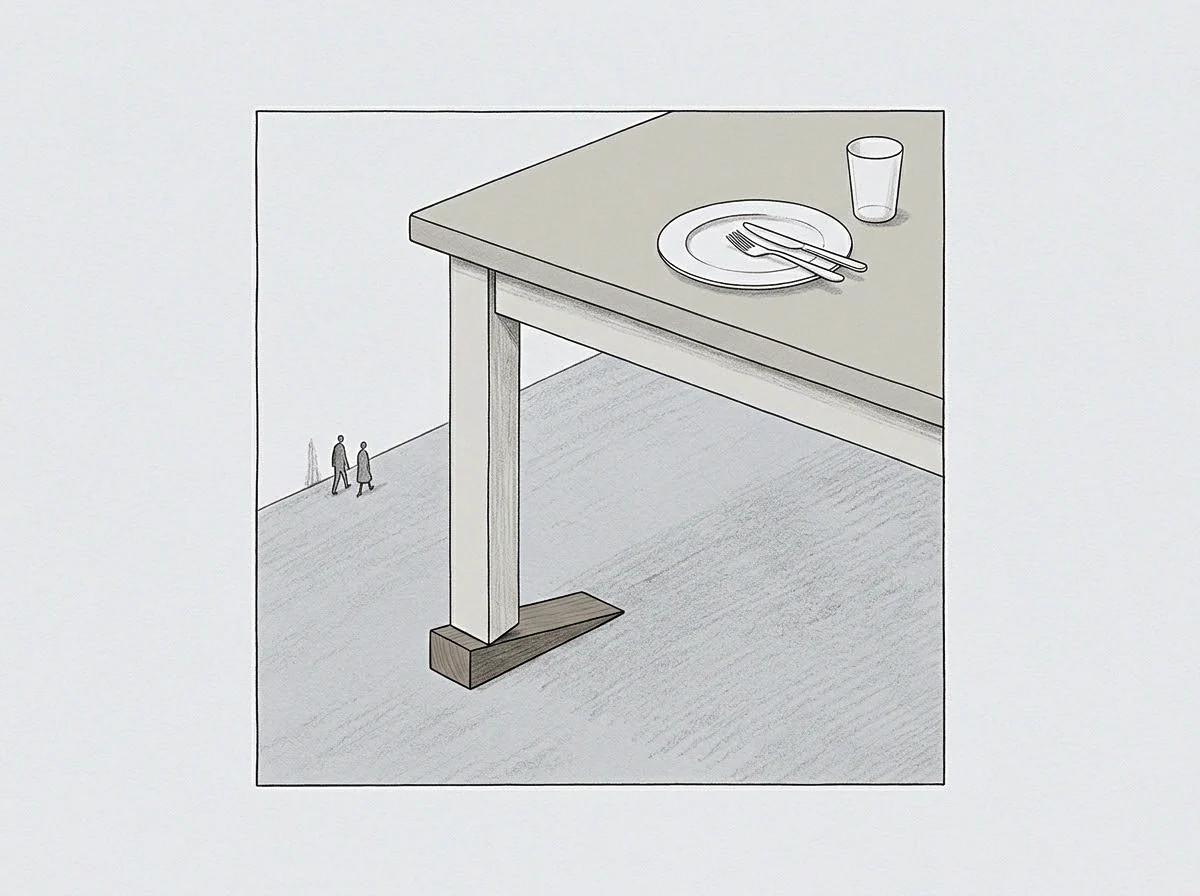
Organizational Attachment to Executive Internal States
Teams absorb stability from a calm executive through borrowed regulation. This relational transfer lowers the team’s stress response, enabling operational execution during crisis periods. However, generating this external calm requires the solo executive to actively suppress personal threat signals while absorbing the un-regulated anxieties of multiple direct reports.
The body pays first.
When an executive continuously provides borrowed calm without receiving horizontal co-regulation from peers, the baseline economy breaks down. The executive operates as a net exporter of emotional stability. The table below illustrates how different relational structures alter executive energy expenditure and baseline stability.
| Regulation Mode | Metabolic Demand | Relational Direction | Baseline Physiological Impact |
|---|---|---|---|
| Solitary Self-Regulation | High Glucose Utilization | Internalized Solitary | Elevated Baseline Allostatic Load |
| Downward Co-Regulation | Maximum Executive Demand | Executive to Subordinate | Sustained Sympathetic Vigilance |
| Horizontal Peer Proximity | Low Energy Expenditure | Peer to Peer Reciprocal | Rapid Baseline Stabilization |
| Earned Security Attunement | Optimal Energy Efficiency | Integrated Reciprocal | Long-Term Neural Adaptation |
Relying exclusively on downward regulation forces the executive to act as a shock absorber for every institutional tremor. Distance increases threat monitoring. Over time, this asymmetry drains the executive’s strategic headroom, leaving minimal reserve capacity for long-range planning or systemic adaptation.
When an organization relies entirely on the executive for emotional baseline stabilization, internal strategic headroom collapses.
Delegating operational tasks while retaining full emotional responsibility leaves executive energy reserves permanently depleted.
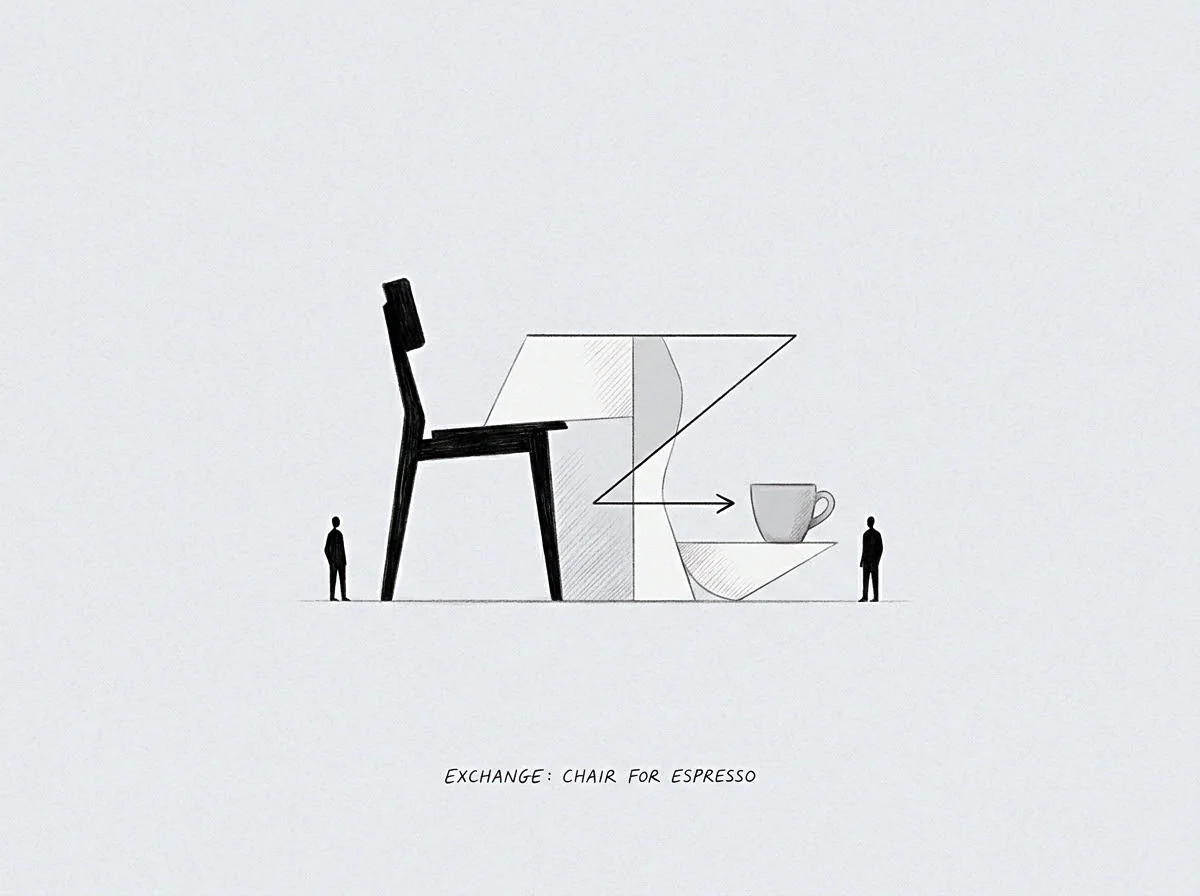
Weight
A regulator proven under operational threat continuously attracts un-stabilized organizational load. Subordinates and board members bring un-processed risks to the executive desk, seeking the stabilizing presence of someone who remains steady under pressure. This dynamic creates a severe load asymmetry.
The executive absorbs raw operational chaos and returns structured, calm direction.
Asymmetrical Load Distribution and Receptor Failure
Many solo executives developed early behavioral templates centered on hyper-autonomy. Having learned early that reliance on others was unreliable or unsafe, these individuals internalized a model where they act as the sole regulator for themselves and those around them. Consequently, their neural template lacks an active receptor slot to receive regulation from another person.
Offers of support from team members or advisors register as administrative burdens or operational threats rather than genuine relief.

Does Executive Proximity Reduce Metabolic Expenditure?
Empirical findings in affective neuroscience demonstrate that physical proximity to a trusted individual significantly reduces threat-related activation in the brain’s hypothalamus and anterior cingulate cortex. When individuals face operational stressors while maintaining physical contact or close spatial proximity with a trusted partner, neural threat responses diminish. For the solo executive operating without horizontal peers, this metabolic buffer remains completely absent.
Load flows toward calm. The hyper-autonomous executive experiences specific organizational failure modes when incoming load exceeds internal metabolic capacity:
- Receptor slot atrophy occurs when an executive interprets offers of support as additional operational management burdens.
- Hyper-autonomous attunement forces the leader to suppress personal stress signals to maintain team baseline stability.
- Unregulated load transfer happens as team members pass operational panic upward to the sole executive center.
A regulator proven under operational threat continuously attracts un-stabilized organizational load.
A stated operational escalation limit restores executive recovery time only when paired with active horizontal peer attunement.

Presence
Modern remote executive architecture relies heavily on asynchronous digital channels. Slack messages, email chains, and dashboard alerts transmit continuous operational demands. However, digital communication channels fail to transmit the non-verbal visual, auditory, and physiological safety cues required for neural co-regulation.
Digital dispersal creates a continuous vigilance tax on the solo leader.

Digital Dispersal and the Vigilance Tax
The human nervous system interprets digital pings as environmental threat triggers while lacking the face-to-face spatial cues that signal social safety. Silence carries high cost. An unanswered message at midnight keeps prefrontal threat-monitoring circuits active.
Physical presence alters metabolic cost.
Solo executives operating in fully remote environments experience cumulative physiological strain. The absence of proximate peers forces the nervous system to maintain elevated vigilance across all active channels. A sequence of specific cognitive shifts occurs as digital isolation increases:
- Continuous digital notifications signal potential environmental threats without providing physical social safety cues.
- Solitary evaluation of operational risks increases prefrontal cortex engagement during routine decision-making.
- Re-establishing horizontal executive peer contact reduces sympathetic nervous system activation within weeks.
Digital communication channels transmit operational demand without conveying the baseline calm needed to process it.
Whether distributed executive teams can engineer synthetic co-regulation without physical proximity remains open to empirical measurement.
Receptor
Standard executive performance advice focuses on solitary self-care practices, including mindfulness, exercise, and sleep hygiene. These interventions treat emotional regulation as an isolated internal routine. Social baseline economics demonstrates that self-regulation alone is the most expensive physiological mode available to the human organism.
Long-term executive sustainability requires updating the underlying internal working model.
Internal Working Models and Earned Security
The internal working model defines how an individual expects the world to respond to stress and need. A solo leader with a history of hyper-autonomy expects no incoming regulation. The template resists change.
Intellectual understanding of social baseline theory does not alter this neural wiring; only repeated physical experiences of shared load can form a second template. Security updates through experience. Insight names the pattern.
Earned security develops when a solo leader systematically engages with horizontal peers who can bear operational weight without collapsing or transferring load back. Through repeated interactions where risk is shared and presence is maintained, the brain updates its baseline assumptions. The new template incorporates the presence of responsive others, opening the previously closed receptor slot and lowering the overall baseline metabolic cost of leadership.
Relational template updates occur through repeated shared reliance under stress rather than through intellectual analysis.

Ledge
Transitioning from a solitary regulation baseline to an economy of shared executive regulation requires structural design choices. Solo executives must intentionally construct horizontal peer relationships outside their organizational hierarchy. Board members and direct reports cannot fulfill this role due to inherent structural conflicts of interest and power asymmetries.
Horizontal executive peer cohorts provide the specific environmental conditions necessary for reciprocal co-regulation.

Structuring Horizontal Regulation Systems
Capacity recovers slowly. The baseline sets the cost. When solo leaders establish structured, confidential, and physically proximate connections with peer executives who operate at equivalent levels of complexity, neural threat responses begin to recalibrate.
Sharing operational realities with peers who require no downward regulation allows the executive nervous system to drop its protective vigilance.
Over extended periods, this horizontal attunement alters how an executive processes risk, evaluates strategic tradeoffs, and manages operational turbulence. The delta over time manifests as enhanced cognitive flexibility, lower baseline heart rate variability strain, and sustained strategic capacity across market cycles. The shift from solitary regulation to horizontal baseline security alters how an executive sits in the seat, changing the physiological cost of every decision that follows.