
Neural Budget Reallocation During Extended Periods Of Solo Regulatory Load
Extended solo regulation forces neural budgets to reallocate biological fuel from long-term maintenance to continuous prefrontal threat monitoring.
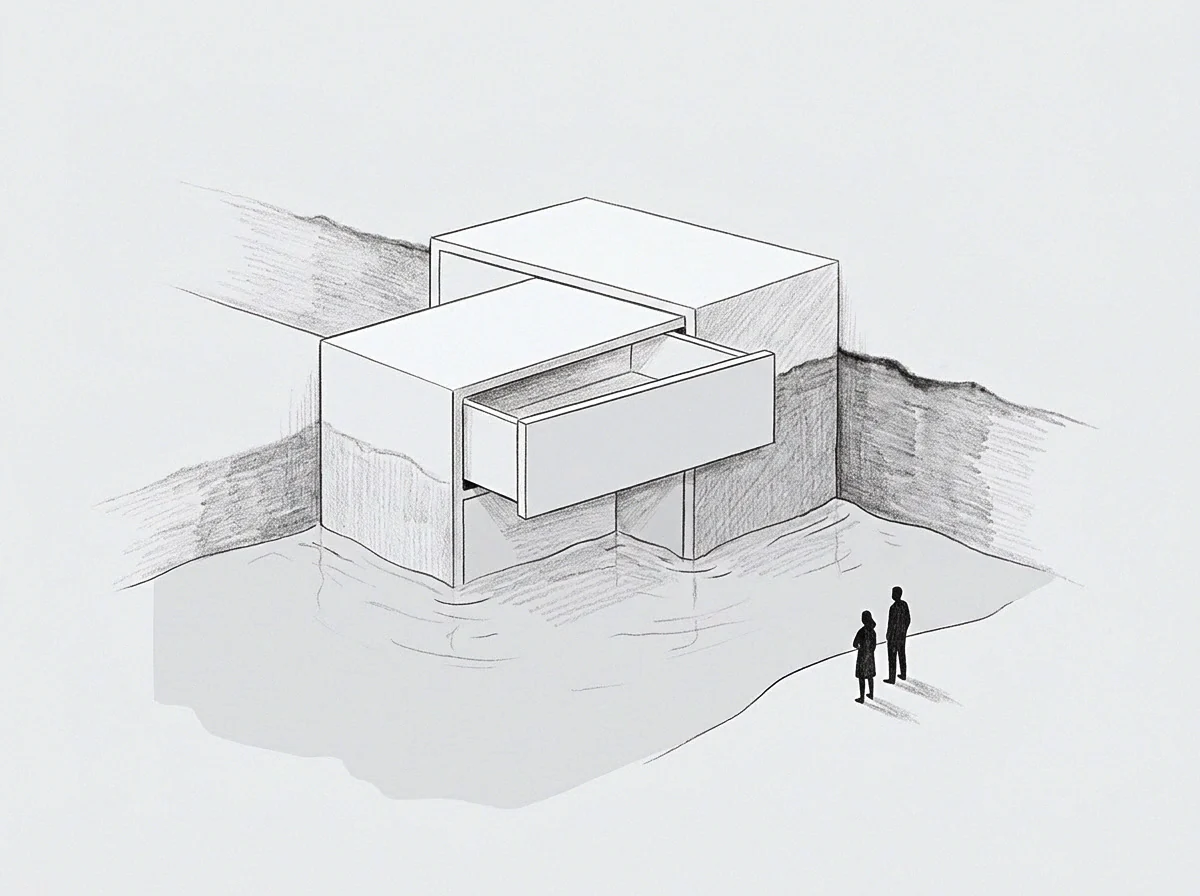
Ration
Four operational channels flash simultaneously on a desktop terminal at midnight while internal cognitive reserves register near zero. An operator sits in an empty office, calculating system priorities while managing ambient distress across three separate product teams. The brain tracks energy.
Human neural architecture evolved under the default condition of social baseline theory, which posits that proximity to predictable, familiar conspecifics forms the human brain’s expected baseline for managing metabolic risk. When a person operates with an available, reliable counterparty, the brain outsources portions of threat appraisal, affect regulation, and problem-solving to the surrounding environment. Shared presence lowers metabolic expenditure, keeping cardiovascular arousal, hypothalamic-pituitary-adrenal axis activation, and prefrontal cognitive monitoring low.
Operating without a co-regulating presence fundamentally alters this baseline calculation. When an individual manages high operational load alone over prolonged months, the central nervous system reassigns its internal energy distribution. The brain ceases to budget for external support.
Threat demands immediate glucose. Prefrontal vigilance stays continuously elevated because no secondary entity monitors the horizon. This autonomous threat assessment forces the prefrontal cortex to consume outsized biological resources to sustain focus, down-regulate fear responses, and maintain impulse control.
/ Clean, subtle blockquote styling without bold text /
blockquote { border-left: 3px solid #cbd5e1; margin: 1.5rem 0; padding-left: 1rem; font-style: italic; color: #334155;
}
table { width: 100%; border-collapse: collapse; margin: 1.5rem 0;
}
th, td { border: 1px solid #cbd5e1; padding: 0.75rem; text-align: left;
}
th { background-color: #f8fafc;
}
When external co-regulatory input drops below baseline thresholds, metabolic allocation shifts permanently from prospective growth to active threat monitoring.
Consider a scenario where an executive builds an enterprise without an executive team or co-regulator for eighteen months. Systems run, but internal working models recalibrate. In the absence of a reliable counterparty, self-regulation becomes an expensive metabolic mode.
The central nervous system treats solo regulatory effort as an emergency state, yet under extended durations, this emergency budget becomes the default allocation schema. Long-term biological maintenance gets deprioritized. Cellular repair, slow-wave sleep depth, and long-term memory integration experience steady budget reductions to fund immediate executive function and emotional containment.

Energetic Baseline of Co Regulatory Expectation
Verifiable research in affective neuroscience confirms that baseline human physiology assumes shared effort. The human brain treats social isolation during high stress not as a neutral preference, but as an acute environmental hazard. When proximity to a trusted co-regulator is removed, neural circuits in the anterior cingulate cortex and insula trigger continuous, baseline alarm signals.
Proximity reduces cognitive load. Without that proximity, the individual must generate every unit of emotional stability through internal prefrontal override, burning metabolic fuel at rates that cannot be sustained indefinitely.
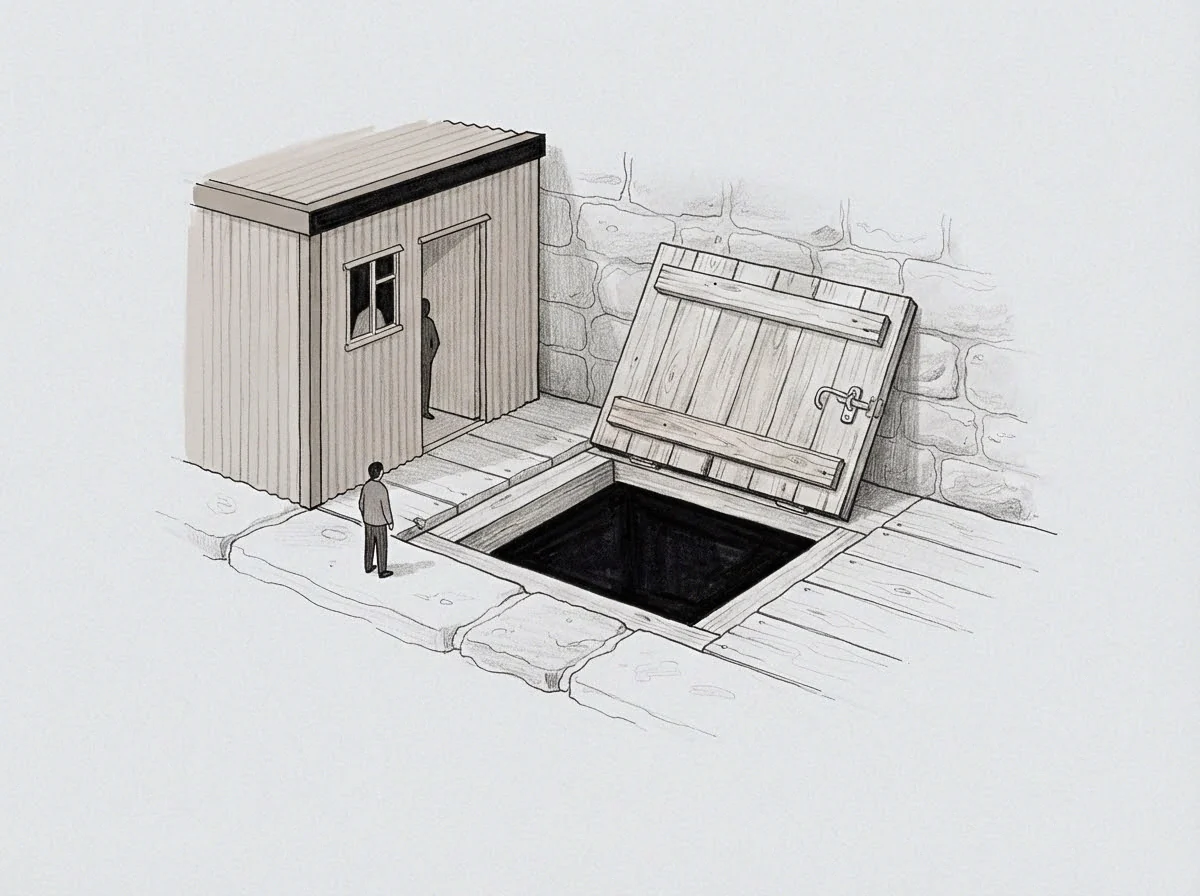
Metabolic Costs of Autonomous Threat Assessment
Extended solitary responsibility forces the brain to allocate an disproportionate share of daily glucose consumption to top-down impulse control and emotional dampening. Over time, the metabolic price of this continuous prefrontal engagement drains systemic reserves. The operational baseline shifts.
As available prefrontal resources diminish, the individual experiences reduced cognitive flexibility, impaired risk calibration, and heightened sensitivity to unexpected operational friction. The brain attempts to protect its remaining reserves by narrowing its focus exclusively to immediate operational survival.
Failure to track these metabolic reallocation shifts causes structural capacity errors, converting manageable operational demands into severe neural depletion.

Pillar
Teams seeking emotional stability naturally anchor to the calmest person in the organization. When an operator demonstrates steady physiological regulation during severe operational crises, colleagues, investors, and direct reports begin using that operator as an external regulatory baseline. The leader becomes a stabilizing center for surrounding personnel.
The operational environment draws heavily on this steady state, treating the leader as an endless source of calm while offering no reciprocal regulation in return.
This dynamic forms an asymmetric regulatory circuit. The person serving as the baseline absorbs the ambient anxiety of the organization while receiving no incoming co-regulation to replenish their own reserves. The receptor remains empty.
Over extended periods, the leader internalizes an internal working model that equates personal emotional stability with organizational survivability. Receiving support feels like an operational anomaly, while providing continuous regulation to others feels like a baseline requirement of the role.
A steady state in leadership operates as an open energetic reservoir for surrounding personnel until the source throttles supply.
This structural imbalance creates specific failure modes across organizational and personal relationships:
- Unidirectional state anchoring occurs when surrounding team members regulate their distress exclusively against the steady physiological state of one individual without contributing reciprocal stability.
- Structural receptor closure develops when an operator operates so long as a sole regulator that internal neural pathways for receiving care or co-regulatory input become completely inactive.
- Compounded capacity expectations arise when continuous composure under extreme stress is misread by stakeholders as infinite internal capacity, resulting in the continuous assignment of additional operational load.
A worked situation demonstrates this dynamic clearly. Assume an operator manages fifty employees through a high-stakes restructuring over two years. The operator maintains complete visible calm, answering frantic queries at all hours and absorbing systemic friction.
The team stays functional because they borrow the operator’s calm. However, the operator has no personal regulator, no active partner in the business, and no secondary outlet. The operator’s neural budget reallocates entirely to maintaining this external facade.
Internal reserves erode completely, yet stakeholders assume the operator requires zero support because no strain is explicitly voiced.
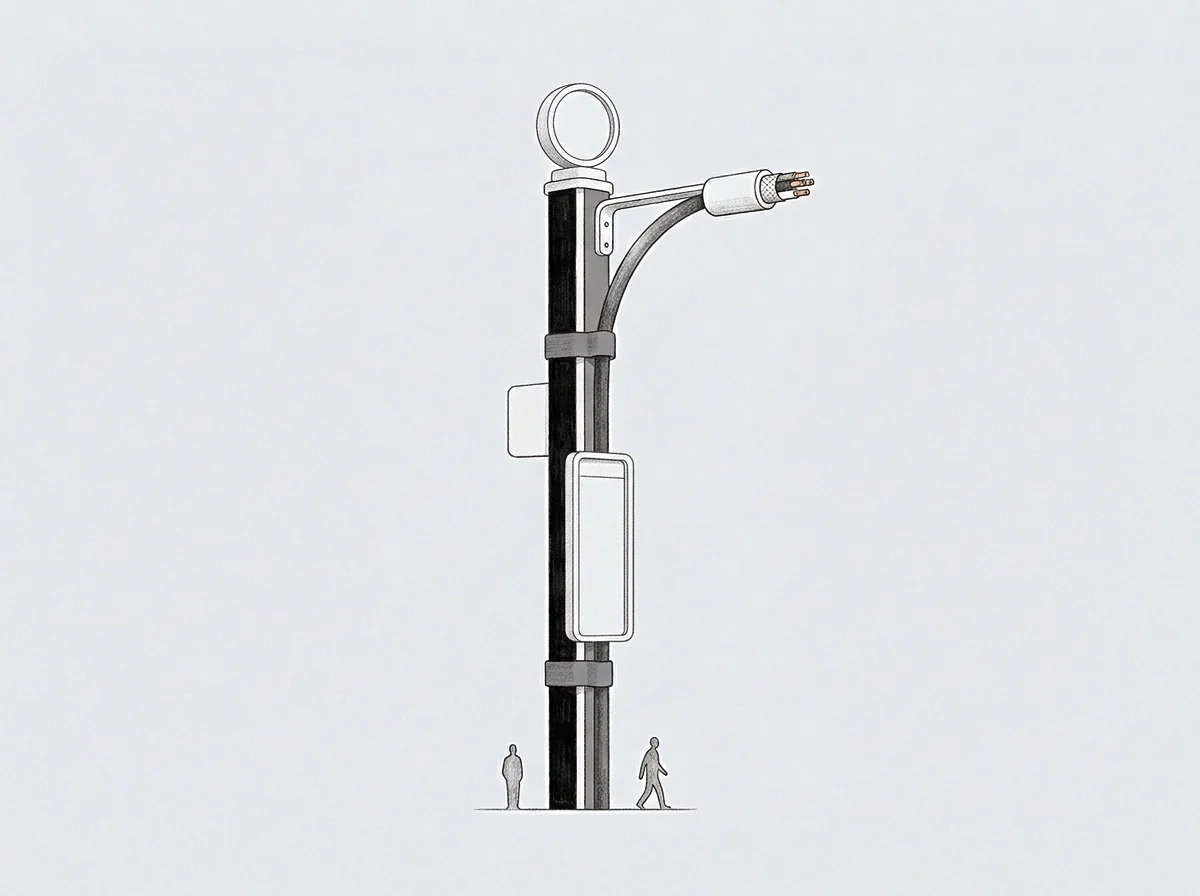
Asymmetric Regulation in High Stakes Environments
Holding organizational stability without a secondary regulator creates a cumulative deficit in neural headroom. The executive absorbs external volatility, processing team panic through internal prefrontal inhibition before delivering measured operational directives. Solo management drains reserves.
Because the surrounding team feels regulated after interacting with the leader, they register the interaction as successful, completely unaware that the leader expended significant biological fuel to create that stabilizing effect.

Absence of Receptive Neural Slots
Long-term execution in a unidirectional regulatory role alters how the brain responds to incoming support offers. When a friend, counterparty, or advisor attempts to offer comfort or presence, the operator’s nervous system reads the gesture with suspicion or mild discomfort. The structural slot for receiving co-regulation has closed.
The operator treats incoming care as an incoming operational demand that requires management, processing, or polite dismissal, further entrenching biological isolation.
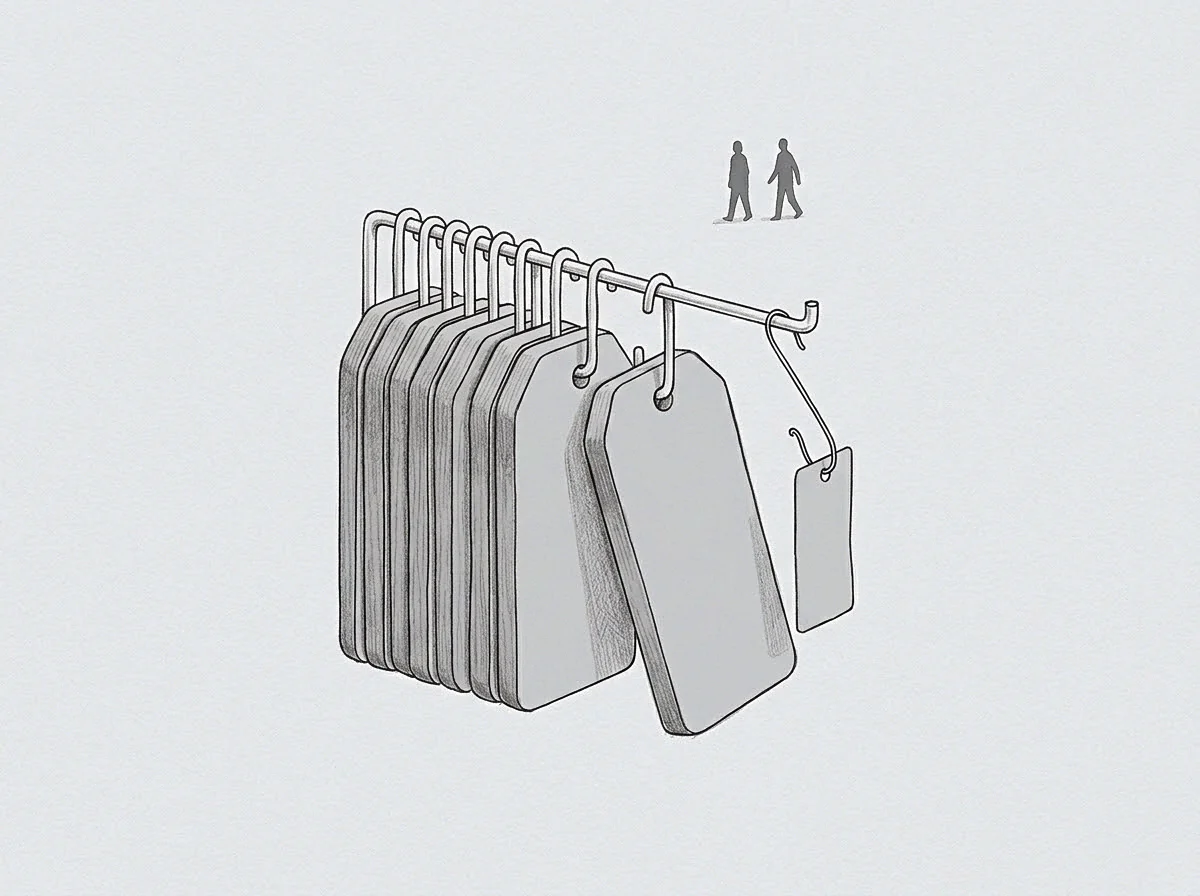
Why Do Secondary Regulators Read Throttling As Abandonment?
When the sole regulator eventually runs out of neural budget and throttles their emotional availability, secondary parties experience a sudden loss of their external regulatory source. The team or partner, accustomed to borrowing calm on demand, interprets the regulator’s necessary energetic withdrawal as personal coldness, hostility, or professional failure. The secondary party reacts with panic or anger, demanding a return to the previous dynamic and increasing the load on an already depleted neural architecture.
The sudden distance feels like intentional punishment rather than a physiological ceiling on available presence.
Throttle
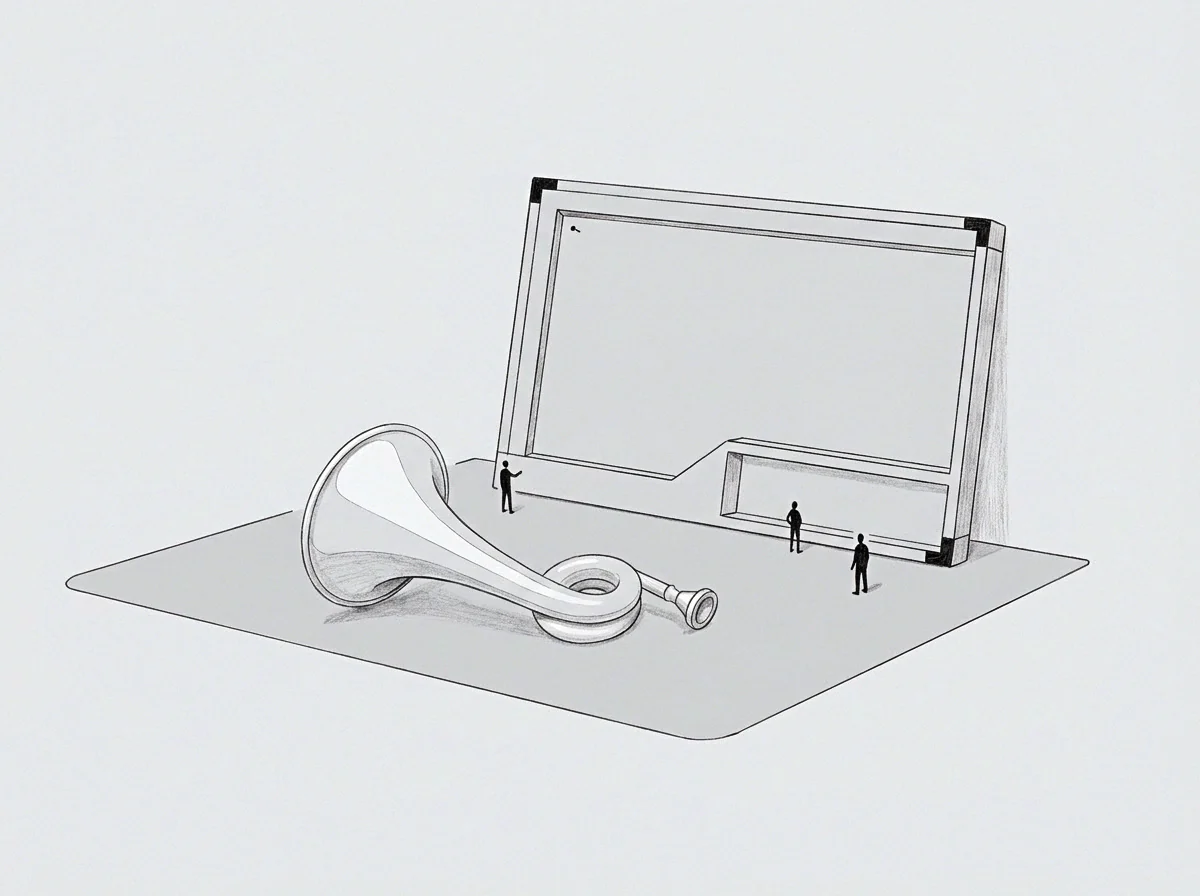
Nervous systems operating at high regulatory loads eventually deploy protective neural throttling. When allostatic load reaches critical thresholds and prefrontal energy reserves drop near total depletion, the brain initiates an automatic conservation sequence. This physiological response reduces peripheral inputs, dampens sensory processing, and mutes emotional responsiveness.
The network mutes inputs. The central nervous system down-regulates energetic expenditure across non-essential systems to protect basic cognitive and systemic stability.
Observer bias frequently misinterprets this neural throttling as clinical depression, sudden disinterest, or intentional emotional stone-walling. The physiological reality is distinct. Where depressive states typically feature widespread loss of positive affect across all contexts, neural throttling is a targeted, physiological circuit-breaker designed to prevent total cognitive overload.
Output drops to survive. The operator remains capable of high-level analytical execution when forced, but non-essential social engagement, nuanced interpersonal attunement, and empathetic listening become temporarily impossible.
Unanswered correspondence late in extended solo operations reflects hardware throughput constraints rather than diminished commitment to the outcome.
Consider the digital behavior of a founder under extreme solo regulatory load. Messages sit unread for days. Non-critical communications are ignored, and incoming pings generate acute physiological aversion.
The founder is not declining to communicate out of malice or apathy; the brain’s baseline neural budget has locked down incoming bandwidth to preserve remaining prefrontal capacity for core operational survival. Every additional incoming request for emotional presence or nuanced decision-making registers as an intolerable biological cost.
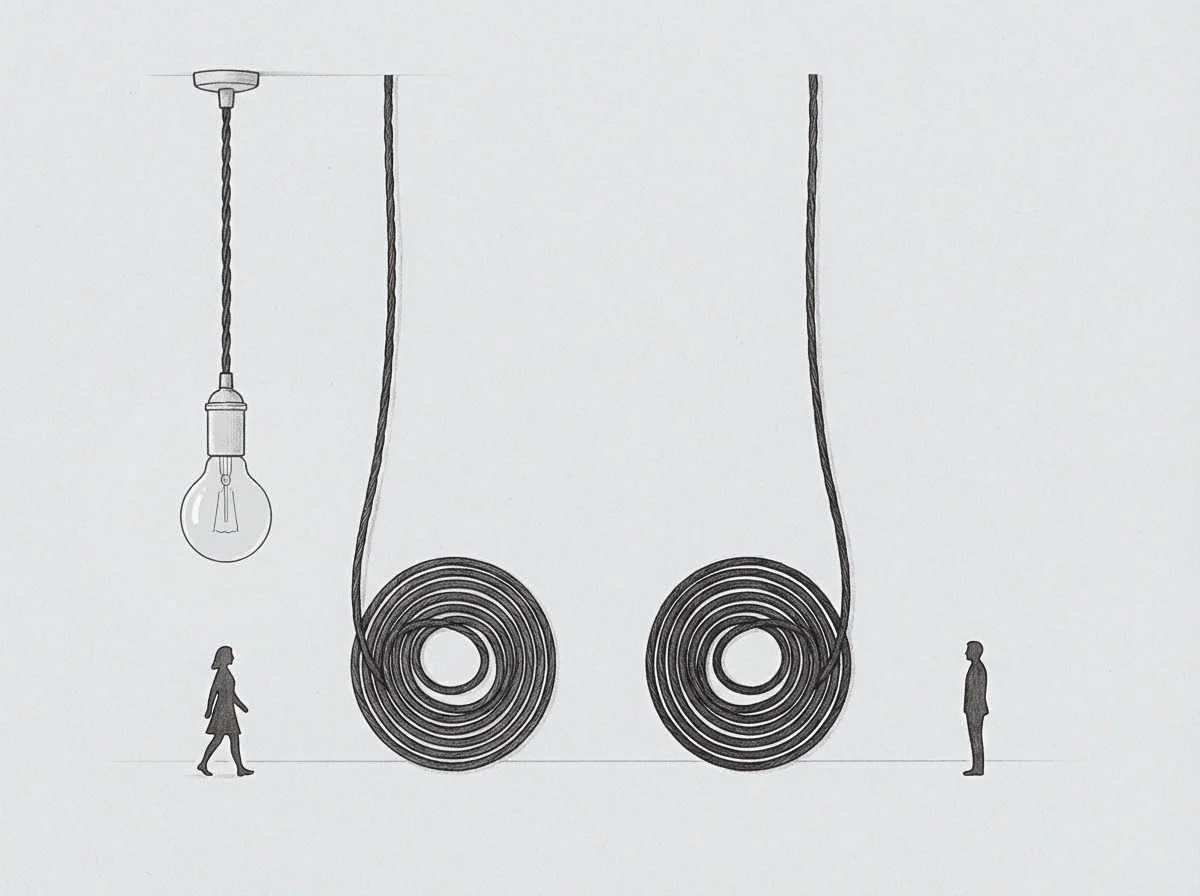
Allostatic Throttling as a Protective Circuit
Allostatic overload triggers a neural survival mechanism that curtails non-essential biological processes. Heart rate variability decreases, prefrontal cortical thickness shows functional temporary reduction, and baseline cortisol levels remain flat and elevated. This state functions as biological triage.
The nervous system intentionally sacrifices interpersonal warmth and open communication channels to ensure that critical operational tasks do not cause total executive breakdown.
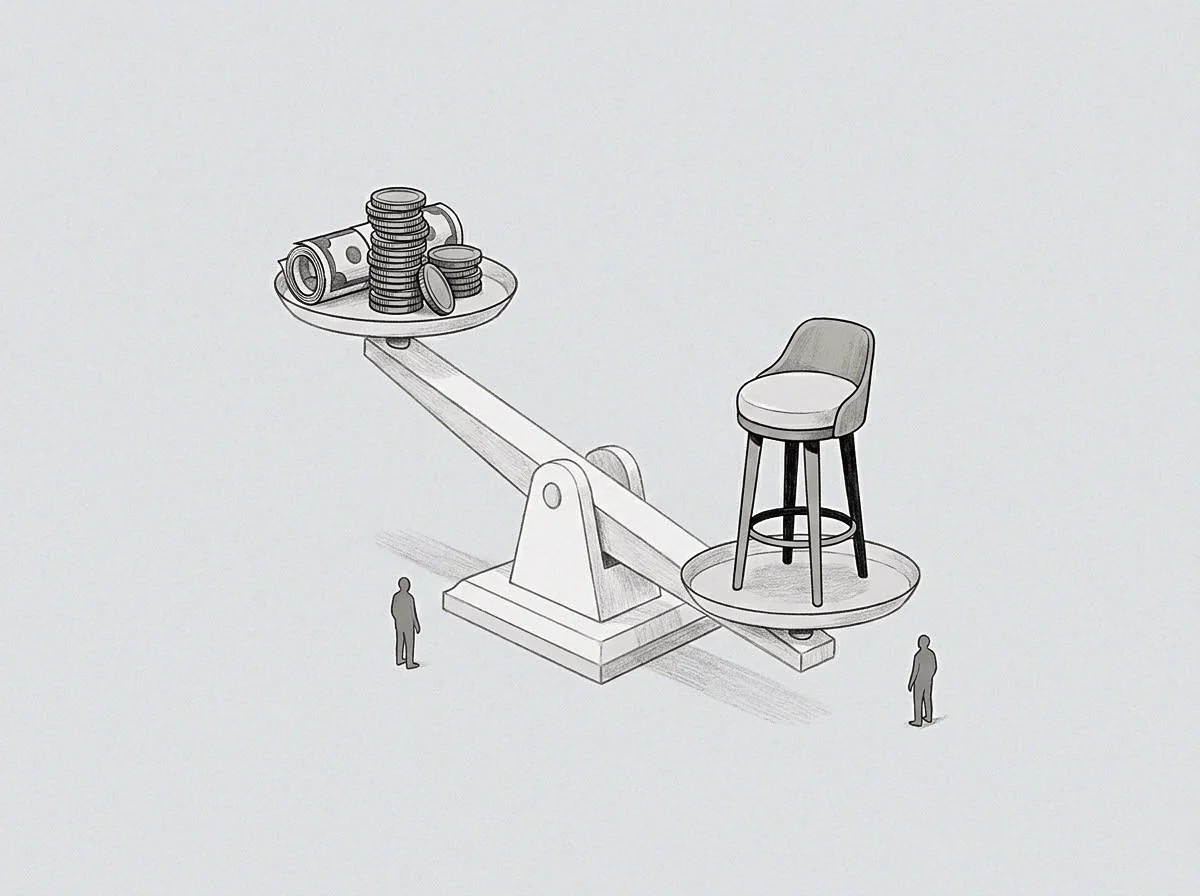
Distinction Between Depressive Withdrawal and Strategic Conservation
Treating neural throttling as psychological depression leads to improper intervention strategies. High-pressure operators forced into clinical psychological frameworks often experience frustration because traditional cognitive reframing does not replenish depleted physical glucose or reset an overtaxed hypothalamic-pituitary-adrenal axis. Quiet rooms feel strange.
The primary remedy for allostatic throttling is not cognitive analysis, but physiological restoration, reduced ambient input load, and the re-introduction of genuine, low-demand co-regulatory presence.
Activation of the baseline conservation threshold shifts neural expenditure from external alignment to basic cellular homeostasis.

Scale
Systemic regulatory arrangements dictate long-term operational endurance and cognitive clarity. Comparing distinct regulatory configurations highlights how neural budget reallocation varies significantly based on structural support dynamics. Capacity has physical boundaries.
The table below delineates how different relational and operational setups impact baseline neural expenditure, primary risks, and recovery latency under severe stress.
| Structural Setup | Neural Budget Reallocation | Primary Failure Mode | Recovery Latency |
|---|---|---|---|
| Solo Regulatory Mode | Continuous allocation to prospective threat assessment and top-down affect regulation. | Acute neural throttling, sudden executive paralysis, complete interpersonal withdrawal. | Extended (months of continuous low-demand input). |
| Asymmetric Leader Mode | High expenditure absorbing external volatility while supplying calm to surrounding personnel. | Structural receptor closure, severe burn out, sudden organizational drop-off. | Moderate-High (requires complete removal from environment). |
| Reciprocal Co-Regulatory Mode | Shared metabolic burden; baseline neural activity stays focused on operational execution. | Localized relational conflict during intense, unaligned operational crises. | Low (rapid reset via physical or relational proximity). |
Transitioning an organization from solo or asymmetric modes to a reciprocal structure requires systematic operational shifts. The process demands intentional re-structuring of communication channels, authority distribution, and regulatory habits.
Regulatory efficiency increases when shared presence replaces solitary cognitive override during crisis response.
To reduce solo regulatory load and rebuild systemic headroom, operators move through a defined sequence of structural adjustments:
- Audit daily operational interactions to identify where unidirectional emotional absorption occurs without functional return.
- Establish clear operational parameters that restrict ambient communication access during critical recovery windows.
- Delegate high-stress decision-making authority to competent secondary leaders to distribute threat assessment responsibilities.
- Integrate at least one secondary regulator or peer who can offer neutral, non-demanding presence during acute operational crises.
The question remains whether an individual who has adapted to solo regulatory load for years can tolerate genuine co-regulatory input without interpreting the second person as an added operational liability.

Revision
Updating a deeply entrenched internal working model of solo regulation cannot occur through intellectual insight alone. An operator can thoroughly understand social baseline theory, recognize their own allostatic throttling, and analyze their asymmetric relational patterns without altering their underlying biological response. The original template remains.
The nervous system updates its predictive neural models exclusively through repeated, high-contrast physical and relational experiences over time.
Earned security represents the structural update path for an overtaxed neural budget. When an individual who has operated alone for years experiences repeated situations where a reliable counterparty stays present, absorbs real pressure, and offers non-demanding stability, the brain slowly rewires its threat assessment algorithms. The second template forms.
The brain begins to register that self-regulation is not the sole available mode for survival. Neural budget allocation shifts away from continuous prefrontal monitoring, reopening structural slots for receiving support.
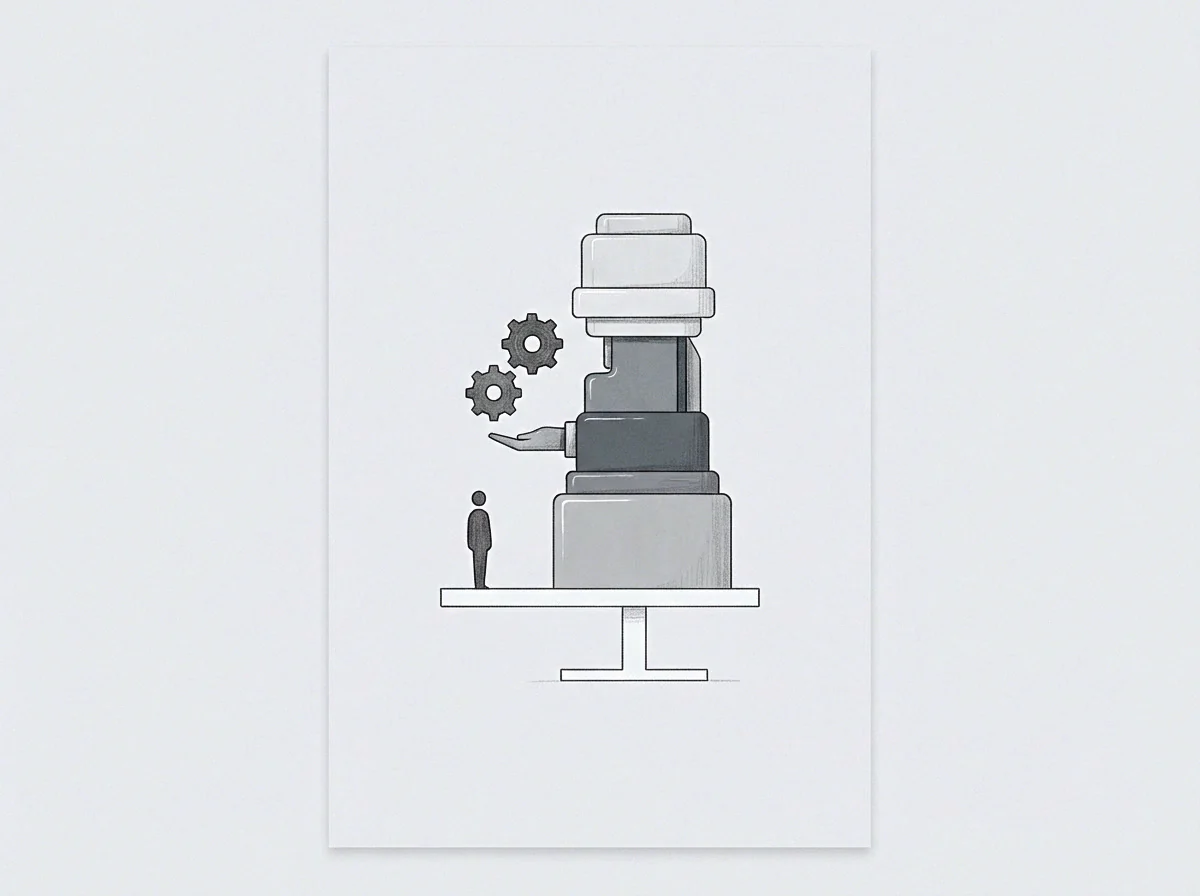
Earned Security Through Experiential Re Patterning
Rewiring neural pathways requires prolonged exposure to stable co-regulation under actual load. The delta over time measures the slow transition between automatic self-reliance and functional interdependency. Shared stability changes physiology.
As the secondary template solidifies, the operator spends less daily biological fuel on defensive vigilance, allowing prefrontal resources to return to creative problem-solving, strategic foresight, and authentic interpersonal connection.
Establishing the Secondary Regulatory Template
Building a secondary regulatory template demands active operational experimentation. The operator must practice releasing small increments of control to trusted counterparties, observing that systemic collapse does not follow. Time alters biological structures.
Over months of consistent, safe interactions, the central nervous system learns to down-regulate its baseline threat response, permanently lowering the metabolic price of daily operation.
Repeated shared stability updates internal operating templates far faster than analytical insight ever alters biological protection mechanisms.