
Social Baseline Economy in Team Stress Regulation Distribution
Social baseline mechanisms reduce individual metabolic expenditure by distributing threat regulation across predictable relational topologies in teams.
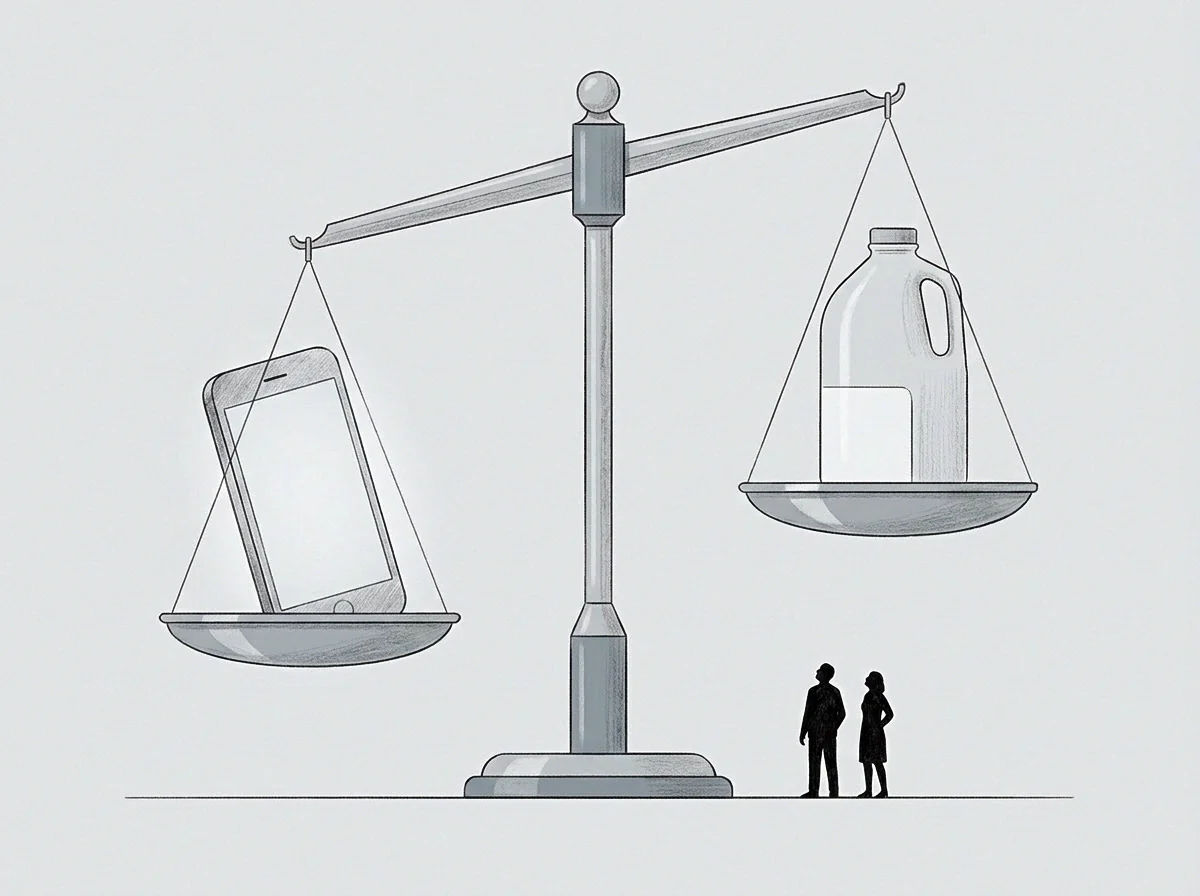
Expenditure
Four messages arrive in parallel on a night when an operator’s personal headroom sits at zero, yet the presence of that operator in the shared channel keeps team distress contained. Brains budget threat response based on the immediate availability of reliable social resources. When a team operates under acute load, individual neural energy expenditure scales inversely with perceived relational proximity.
Self-regulation without external structural dampening remains the most metabolically expensive physiological state a human system maintains. The brain conserves glucose and neurochemical reserves whenever a reliable baseline presence registers in the immediate vicinity.
Social baseline theory establishes that human physiology evolved to treat proximity to reliable peers as the baseline energetic state. Isolation or relational uncertainty forces the central nervous system to run full-spectrum threat detection and internal dampening completely unassisted. In high-stakes working environments, team members routinely offload personal allostatic expenditure onto whoever exhibits the lowest variance in emotional state.
The individual supplying this baseline calm absorbs the surrounding cognitive and physiological tension without a formal allocation of budget or explicit recognition from the organization.
Relational proximity reduces baseline threat detection costs provided the regulating entity demonstrates consistent behavioral predictability.
This energetic offloading operates through implicit biobehavioral synchronization. Cortisol spikes and autonomic nervous system arousal lower across a group when one steady actor holds the operational perimeter. The regulatory burden shifts cleanly from the group onto that anchor individual.
The economy of team stress distribution relies on this unspoken transfer. The team remains productive because one node inside the system quietly pays the bioenergetic price for the group’s apparent calm.
| Distribution Mode | Individual Neural Cost | Team System Headroom | Long-Term Capacity Trajectory |
|---|---|---|---|
| Isolated Self-Regulation | Ceiling energy draw | Fragmented and reactive | Rapid individual exhaustion |
| Distributed Co-Regulation | Shared moderate draw | Sustained resilience | Stable operational capacity |
| Unilateral Baseline Siphoning | Asymmetric heavy draw on anchor | Artificially elevated calm | Sudden baseline anchor collapse |
When an organization relies on silent baseline siphoning without establishing shared regulatory capacity, the baseline individual exhausts critical neurochemical reserves long before operational demands subside.

Lever
Social baseline mechanisms function as an energetic lever inside functional groups. Physical and relational proximity alters how the prefrontal cortex evaluates environmental threat and task urgency. When team members experience continuous access to a grounded lead, neural threat markers in the anterior cingulate cortex show diminished activation during crises.
The group spends less energy managing internal alarm and retains more working memory for technical execution.
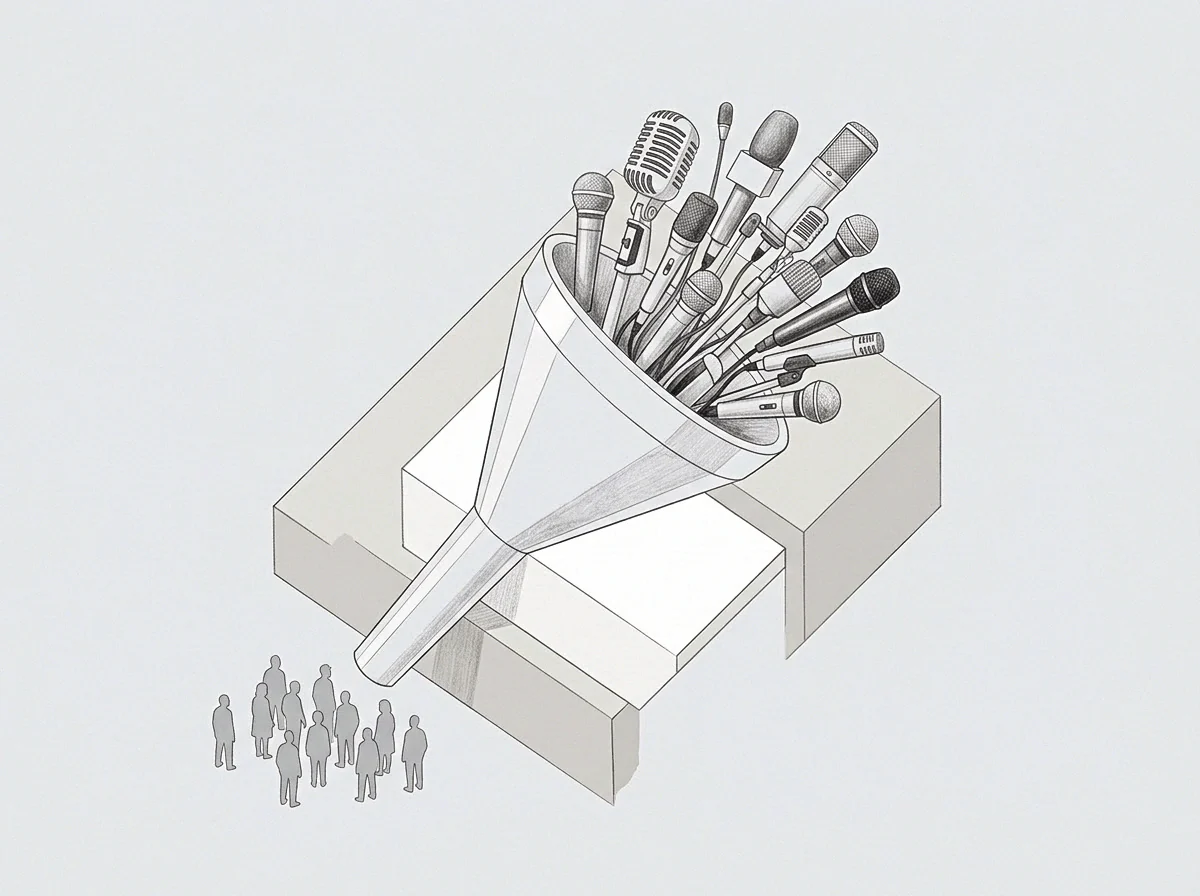
Which structural conditions allow proximity to regulate team load?
Proximity acts as a stabilization mechanism only when specific relational conditions exist across the team topology.
- Predictable availability maintains a low baseline threat level across team communications without requiring continuous real-time interaction.
- Emotional symmetry prevents the anchor individual from becoming a absolute dumping ground for unregulated emotional distress.
- Explicit operational limits prevent team members from escalating trivial issues to the baseline anchor during high-load intervals.
The lever works in both directions. While a grounded lead lowers the team’s operational friction, continuous dependence on that lead creates systemic vulnerability. Teams often mistake the baseline anchor’s physiological stability for infinite capacity.
Incoming strain routes directly toward the calm node because that node presents the lowest path of resistance.
Proximity without stated operational terms converts baseline calm into unmonitored structural absorption.
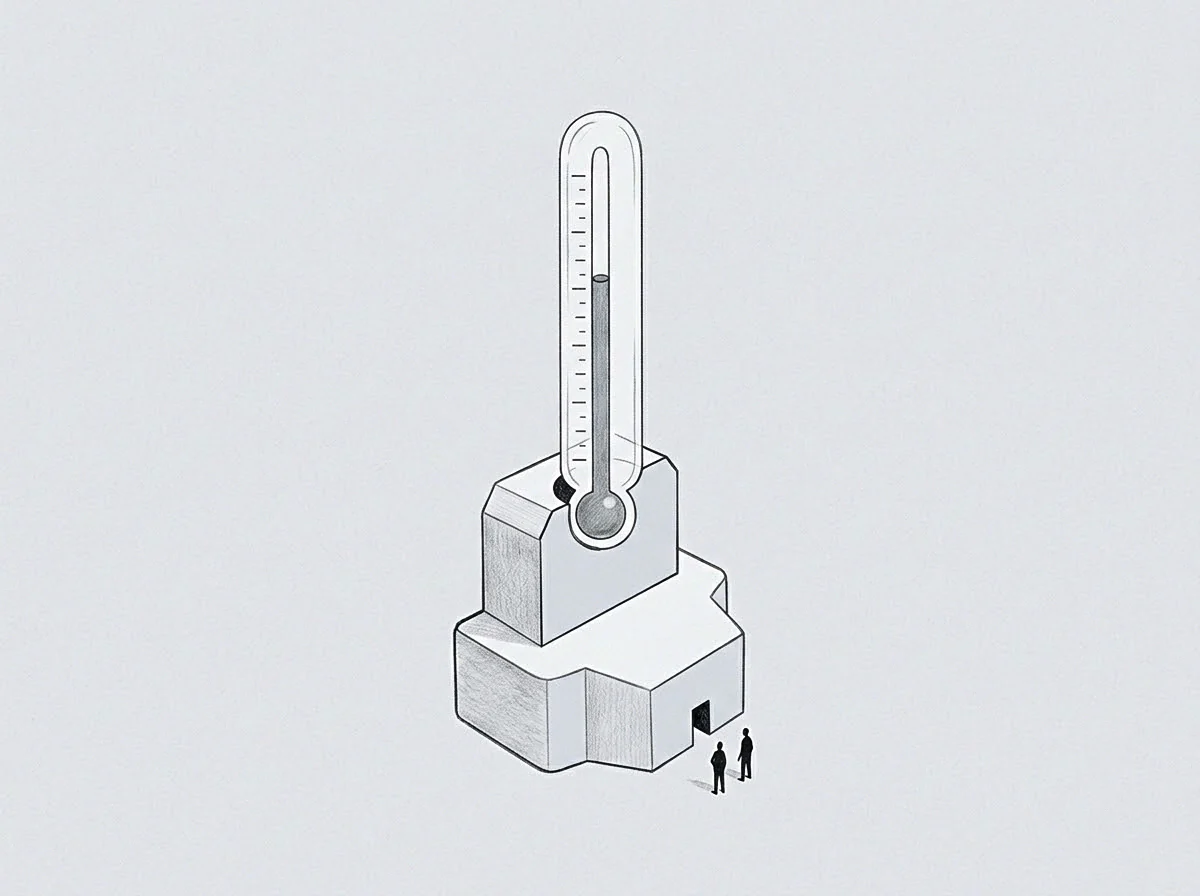
Transfer
Team members attach to an anchor’s steady state rather than relying on operational protocols or individual coping strategies. The anchor’s low variance under load acts as a magnet for unstructured organizational anxiety. Strength shown under threat attracts additional incoming work because the anchor appears capable of bearing endless weight.
The transfer of strain occurs quietly through late-night messages, open-ended operational reviews, and constant requests for validation.
Consider a worked situation involving two lead operators running identical technical queues during an intensive launch phase. Assume both operators manage teams of five engineers under identical deadlines over a six-week period. Operator A maintains clear boundaries, enforces synchronous handovers, and rejects unscheduled off-hours escalations.
Operator B leaves communication channels continuously open, provides immediate reassurances during incidents, and quietly absorbs unassigned tasks to keep team anxiety low.
By week four, Operator B’s team shows high subjective satisfaction and low reported anxiety. Their measured biological strain tells a different story. Operator B experiences elevated resting heart rate, fragmented sleep architecture, and reduced cognitive flexibility.
The team’s apparent calm depends entirely on Operator B’s continuous energy expenditure. Operator A’s team exhibits initial operational friction but develops internal problem-solving capacity, distributing regulatory costs evenly across all five members.
Unchecked transfer of regulatory load onto a single steady operator creates a hidden systemic point of failure.
When crises hit in week six, Operator B suffers abrupt functional exhaustion, leaving the team without regulatory support or clear escalation paths. Operator A’s team handles the incident through established internal protocols, maintaining baseline stability without exhausting their lead. The quiet transfer of stress onto Operator B hid the underlying lack of team maturity until the anchor collapsed.
The operational update seemed manageable because someone else sat in the shared channel without showing visible strain.
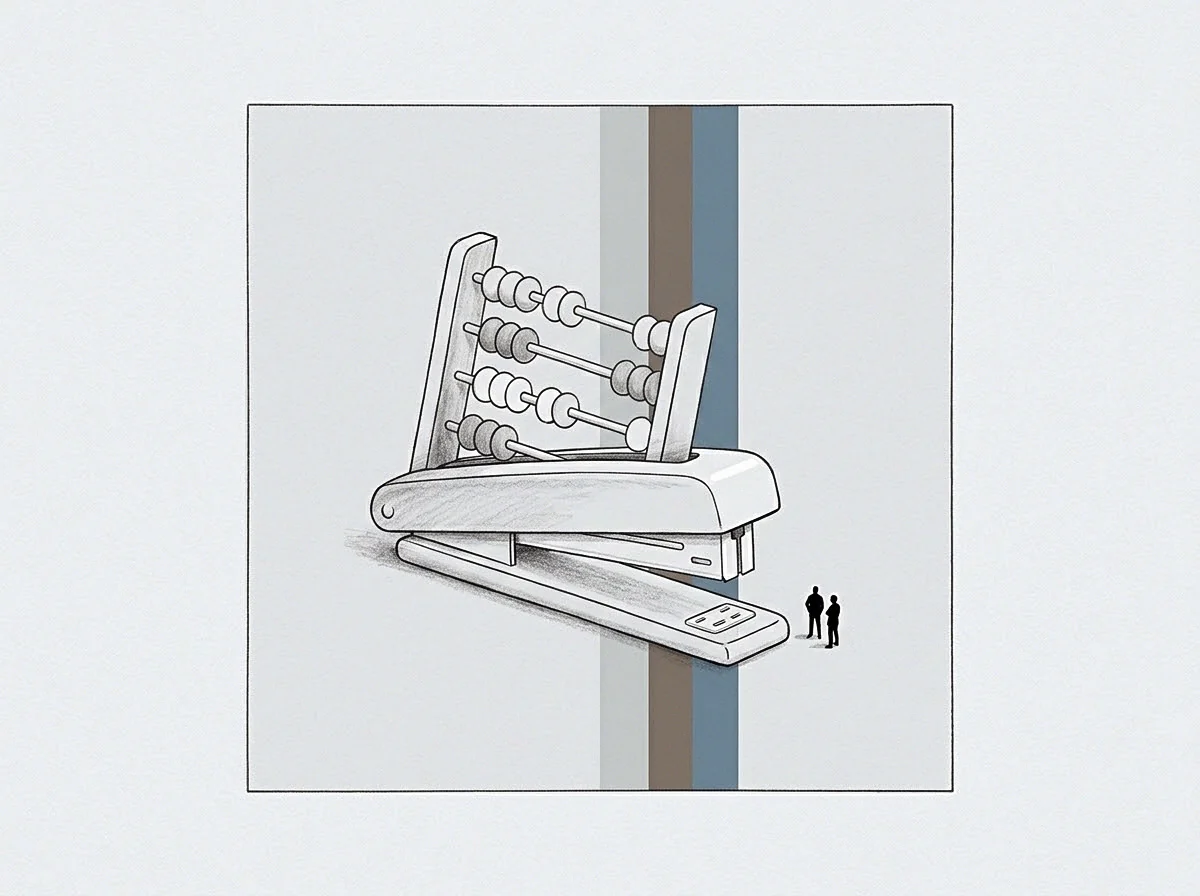
Conduit
Early relational learning shapes the conduit through which a person processes incoming stress. Individuals who grew up in environments requiring them to manage parent or peer distress develop an internal working model that equates safety with personal regulation of others. These individuals develop a backward template.
Regulating themselves and regulating others merge into one unified internal operation, leaving no structural slot for receiving co-regulation from external sources.
An internal working model constructed on unilateral regulation lacks the receptor capacity to absorb incoming support.
This backward template creates a specific operational hazard in founding teams and leadership seats. The anchor absorbs team strain automatically while rejecting offers of support from peers or partners. Offers of genuine assistance register as structural anomalies or threats to control.
The anchor remains trapped in a state of hyper-solitary regulation while surrounded by people willing to share the load.
- Recognition of automatic absorption patterns during initial escalation cycles.
- Establishment of strict temporal windows for operational availability.
- Delegation of explicit decision rights to team members to build group regulatory capacity.
- Deliberate practice in allowing team friction to resolve without immediate anchor intervention.
Inserting an explicit capacity limit into operational handovers breaks the automatic baseline transfer before allostatic overload triggers structural collapse.

Renewal
Updating an ingrained regulatory template requires repeated actual experience rather than intellectual insight. Understanding social baseline theory does not alter biological energetic budgets. Neural update paths open only when an anchor allows real operational load to land on peers while remaining physically present.
This process forms earned security within professional relationships.
The delta over time between cognitive awareness and biological adaptation determines long-term leadership durability. An anchor must experience repeated cycles where team friction escalates, the anchor holds back from personal intervention, and the group successfully resolves the stress using collective mechanisms. Each successful cycle rewires the internal template, proving to the anchor’s nervous system that shared baseline regulation exists as a viable operational state.
Earned security develops when actual relational experience replaces the compulsion to regulate every environment unassisted.
Choosing proximity over isolated absorption alters team architecture permanently. The team transitions from a hub-and-spoke model dependent on a single steady node to a distributed network capable of dynamic load balancing. Energy conserved through shared regulation redirects into strategic execution, strategic clarity, and sustained technical output.
The capacity to receive regulation transforms from a perceived weakness into a foundational structural asset.
This systemic shift leaves open a fundamental operational question regarding how teams maintain relational security during prolonged periods of external existential threat when all individual headroom reaches absolute capacity simultaneously.