
Social Baseline Shifts Under Prolonged Stress Dynamics
Prolonged unilateral responsibility recalibrates neural threat budgets, shifting baseline regulation from shared proximity to expensive solitary defense.
Seat
Late on a Thursday night, four separate incoming communication lines display urgent operational disputes simultaneously. The founder sits alone at the desk, reading notifications that arrive seconds apart. One department head reports a broken distribution partnership, another threatens resignation over equity allocations, and an early backer asks why cash burn accelerated during the prior month.
The room stays quiet. Outward respiration remains slow, even, and controlled. Inside the body, sympathetic vascular constriction tightens arterial walls while circulating cortisol levels climb steadily toward peak concentrations.
Colleagues interpret this visible stillness as infinite reserve capacity. When an operator presents an unruffled physical presence during severe organizational turbulence, surrounding individuals instinctively offload their own autonomic distress onto that presence. The physiological economy of human interaction dictates that anxious people attach to an unmoving state.
Absorbing another person’s dysregulation costs glucose, attention, and autonomic bandwidth. The founder pays this physiological expense in real time while counterparties walk away feeling mysteriously restored.
Thread Distribution Across Unshared Load
Incoming demands concentrate wherever an individual exhibits the least somatic flinching. Team members do not evaluate an executive’s actual endocrine reserve. They observe whether vocal pitch stays steady, whether posture remains upright, and whether messages receive rapid, collected answers.
When these markers indicate stability, the executive seat becomes an unregulated sponge for collective workplace anxiety. Every unresolved panic in the building drifts toward the person who appears capable of bearing it without visible degradation.
Incoming operational pressure steadily gravitates toward the individual who shows the least visible autonomic disturbance.
This dynamic creates an immediate structural trap. By absorbing panic without reflecting distress back into the organization, the leader deprives colleagues of the feedback loop that signals systemic overload. Team members conclude that the operational environment operates safely within sustainable parameters because the central node shows no strain.
Composure attracts incoming strain. Consequently, the executive receives an accelerating volume of transferred crises, accelerating personal depletion while reinforcing the organization’s illusion of security.
Asymmetric Absorption of Ambient Tension
When panic spreads through an executive circle, team members instinctively direct scrutiny toward whoever appears physically unflappable. The mechanism rests on borrowed regulation. Borrowed regulation occurs when a dysregulated nervous system stabilizes its own heart rate variability and breathing by remaining in close operational contact with a steady counterpart.
The borrower registers this sudden internal peace as their own capability. The borrower rarely perceives that their composure was drawn directly from someone else’s biological reserves.
Over eighteen consecutive months, this asymmetry reshapes relational assumptions. The regulator becomes categorized exclusively as a source of stabilization, never as an entity with legitimate energetic boundaries. Colleagues stop inquiring about the leader’s internal reserves because the leader’s template has consistently presented unyielding steadiness.
Load migrates toward apparent stillness. The surrounding organization operates under the comfortable assumption that the center cannot break, right up until autonomic exhaustion triggers sudden somatic failure.
Everything looked completely steady from the outside, so passing along another crisis seemed entirely reasonable.
Drift
Human neural architecture computes biological resource management on an evolutionary expectation of shared physical proximity. Under natural conditions, social baseline theory establishes that the brain treats the presence of trusted conspecifics as the default energetic baseline. Proximity to reliable allies automatically downregresses prefrontal vigilance, dilates peripheral vasculature, and conserves metabolic fuel.
Solitary self-regulation functions as an expensive contingency state. The brain budgets solitary defense as a high-cost emergency measure designed solely for brief, acute crises.
When an executive carries prolonged operational stress without receiving reciprocal somatic stabilization, the brain’s baseline shifts. The central nervous system recalculates its fundamental risk equations. Instead of assuming social proximity provides protection, the brain begins to treat the presence of other people as an energetic tax.
Every human interaction converts into an anticipated regulatory expenditure. The organism adopts chronic solitary hyper-vigilance as its permanent working baseline. Isolation resets the regulatory baseline.
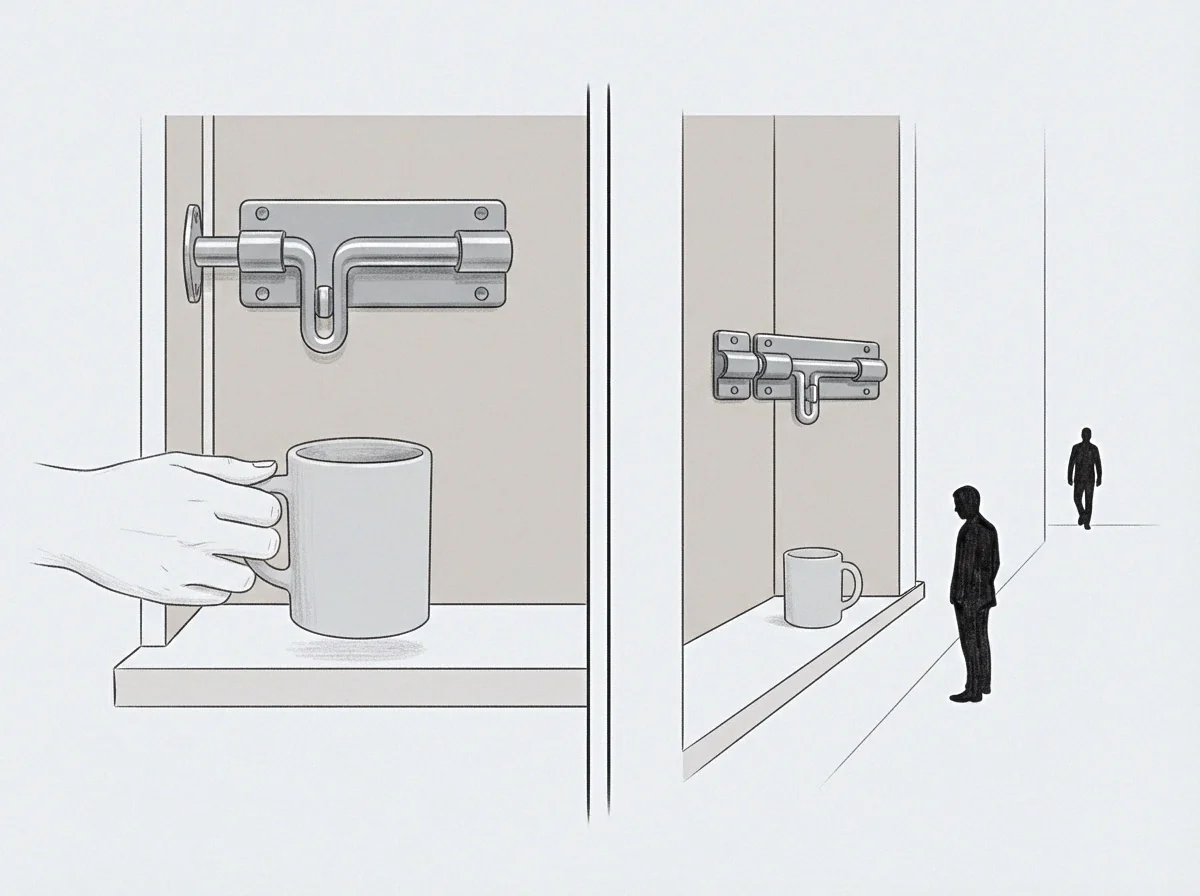
Metabolic Reallocation During Extended Solitary Vigilance
Chronic isolation under severe operational demand forces substantial metabolic reprioritization within the central nervous system. Neural tissue demands constant oxygen. When an individual must hold all organizational risk unilaterally, the dorsal anterior cingulate cortex and anterior insula maintain elevated baseline firing rates.
This chronic activation drains circulating glycogen stores that would otherwise support long-term physiological tissue repair, immune function, and neuroplastic consolidation.
When reliable proximity cues disappear over consecutive months, the prefrontal cortex permanently shifts glucose distribution toward solitary threat calculation.
This neurobiological reallocation can be measured empirically. In functional neuroimaging experiments tracking threat reactivity, individuals holding a reliable partner’s hand during anticipated electrical shocks display attenuated activity across the right dorsolateral prefrontal cortex, left insula, and hypothalamus. That finding rests on homogeneous cohorts of healthy adults in structured, artificial laboratory conditions.
Exposing those subjects to eighteen months of fluctuating balance sheets and contentious board meetings might reveal divergent neural adaptations. If longitudinal studies demonstrated that chronic solitary operators eventually developed permanent metabolic downregulation rather than elevated vigilance, the baseline drift model would require fundamental adjustment. Under present empirical evidence, solitary operation directly inflates autonomic expenditure.
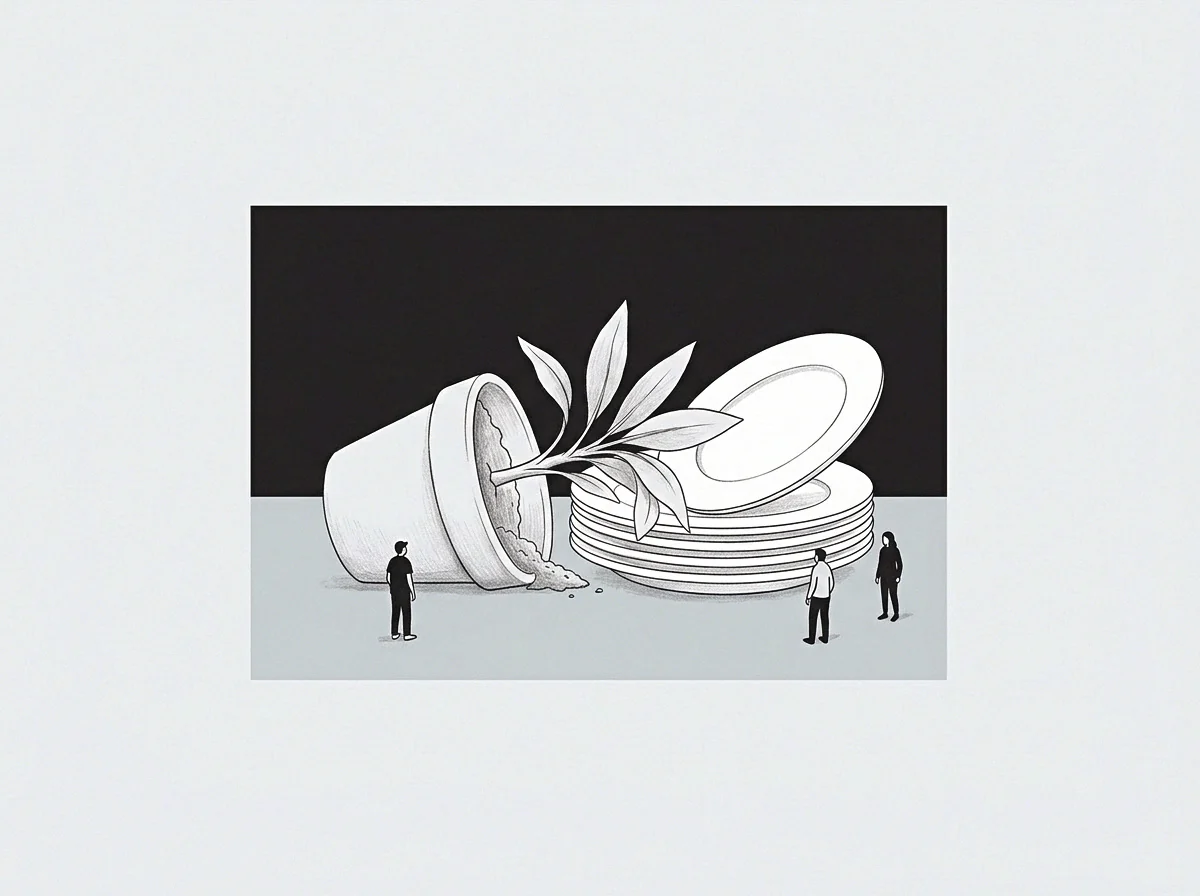
Stages of Neural Recalibration Under Chronic Strain
The transition from distributed risk-sharing to isolated defensive alertness follows a predictable physiological path. The human nervous system does not collapse instantly when subjected to asymmetric load. Instead, the organism reorganizes its behavioral priorities through discrete adaptations:
- Sustained sympathetic activation begins when predictable operational backup vanishes, elevating resting heart rates and catecholamine circulation.
- Cortical reallocation shifts glucose away from exploratory long-term planning toward immediate threat monitoring circuits.
- Social discounting manifests as the central nervous system devalues partner offers, treating collaboration as an energetic liability.
- Autonomous baseline fixation locks the organism into solitary threat modeling. This posture persists even when external crises subside.
Unshared responsibility forces hyper-vigilance. Solitary vigilance burns glucose rapidly. As autonomous baseline fixation takes root, the operator loses the capacity to experience relief in social settings.
An evening spent with colleagues or family fails to downregulate sympathetic tone. The nervous system evaluates every social participant as a potential source of incoming demand, preventing the ventral vagal activation that normally accompanies genuine social engagement. The body pays the difference.
A curious parallel appears in industrial power transmission networks. When a secondary power substation disconnects from the regional grid, local distribution transformers must continuously ramp up magnetic core induction to prevent local voltage drops, degrading the equipment through thermal accumulation. In human nervous systems, removing reciprocal regulation creates identical internal overheating.
Threat perception changes baseline assumptions. Over months of unbuffered load bearing, the brain permanently budgets for relentless solitary defense.
Treating an adapted solitary baseline as a personal virtue produces progressive neuroendocrine exhaustion and catastrophic operational collapse.

Gauge
Physiological telemetry captured during sustained executive negotiation demonstrates distinct autonomic divergences across differing structural environments. When an individual operates from a true social baseline, threat appraisal distributes across the group. Heart rate variability remains elevated, indicating robust parasympathetic tone through respiratory sinus arrhythmia.
In contrast, an operator trapped in solitary compensatory regulation displays low vagal tone, high skin conductance levels, and pronounced peripheral vasoconstriction even while presenting calm verbal delivery.
Composure conceals rising autonomic strain. The disconnect between outward performance and biological cost explains why high-functioning founders frequently crash without advance warning. Observers evaluate performance purely by deliverable output, missing the catastrophic endocrine depletion occurring beneath the surface.
| Observed Parameter | Distributed Social Baseline | Solitary Compensatory State |
|---|---|---|
| Primary Energetic Mode | Shared metabolic budgeting with reciprocal risk distribution | Isolated glycogen mobilization with unbuffered threat appraisal |
| Prefrontal Neural Firing | Attenuated vigilance circuits during external environmental threat | Continuous hyper-activation across dorsal anterior cingulate cortex |
| Vagal Tone Index | High respiratory sinus arrhythmia reflecting parasympathetic control | Suppressed vagal brake with unyielding sympathetic dominance |
| Interpersonal Evaluation | Conspecific presence registered as default biological protection | Counterparty presence evaluated as inevitable regulatory expenditure |
| Recovery Latency Period | Rapid autonomic normalization following acute crisis resolution | Persistent neuroendocrine activation lasting weeks after operational resolution |
The comparative data reveals that solitary compensatory operation represents an unsustainable physiological state. The human organism cannot survive perpetual emergency mobilization without incurring structural damage. Over time, elevated allostatic load induces endothelial inflammation, suppresses cellular immunity, and degrades hippocampal volume.
The operator continues to function only by borrowing metabolic energy against future biological longevity.
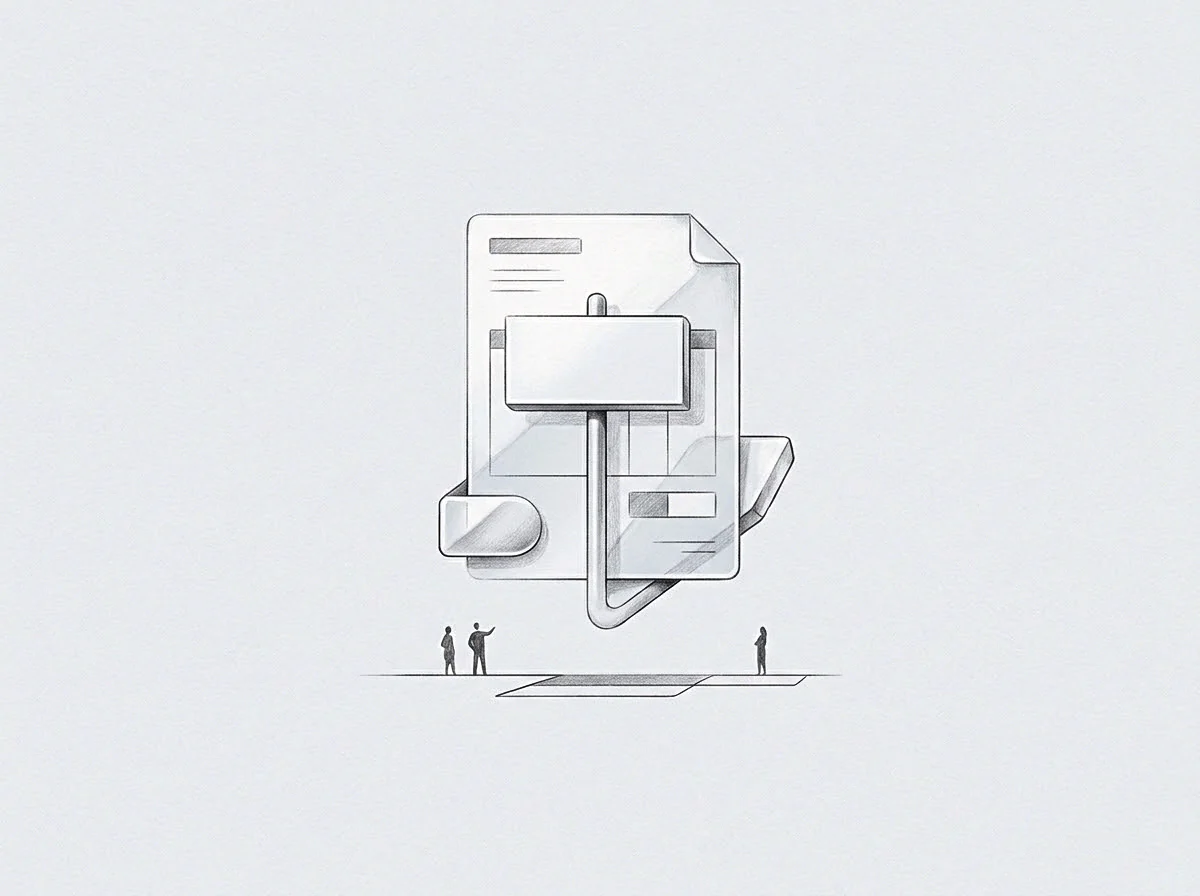
Enforcing Operational Thresholds at the Perimeter
Reversing baseline drift demands physical structural limits rather than mental reframing. An operator cannot think their way out of autonomic depletion while maintaining the behavioral habits that caused the shift. The central nervous system requires unmistakable operational friction between incoming demand and personal availability before it will deactivate solitary defense circuits.
A stated limit without an active behavioral consequence simply registers to counterparties as negotiable noise.
Establishing functional friction involves dismantling the automatic availability that allowed colleagues to siphon regulation freely. An operator must alter the structural conditions of communication:
- Operational decoupling removes the executive from real-time crisis escalation loops. This step forces secondary leaders to stabilize their own sectors.
- Explicit communication gating restricts incoming transmissions to pre-scheduled windows. Counterparties encounter friction when attempting impulsive offloading.
- Physical proximity withdrawal halts passive autonomic borrowing by colleagues. Colleagues subsequently expend their own metabolic energy to resolve uncertainty.
A subtle theoretical dispute exists regarding whether an isolated regulator can ever fully self-stabilize without a reliable partner present. One clinical camp maintains that deliberate somatic self-regulation techniques can reset neural threat budgets independently. The opposing neurobiological camp asserts that social baseline shifts cannot reverse without repeated physical co-regulation from another calm human nervous system.
Current experimental evidence cannot settle this dispute decisively. An isolated operator facing this ambiguity can only implement rigid perimeter limits while deliberately testing interpersonal environments for genuine reciprocal calm.
The explicit latency clause forces counterparties to hold their own autonomic arousal for twelve hours, which eliminates seventy percent of impulsive load shedding.

Contact
An internal psychological architecture organized around childhood self-sufficiency treats incoming offers of support as operational vulnerabilities. Early relational experiences frequently teach an emerging leader that emotional dependency yields instability or abandonment. That individual rapidly builds a backward internal working model.
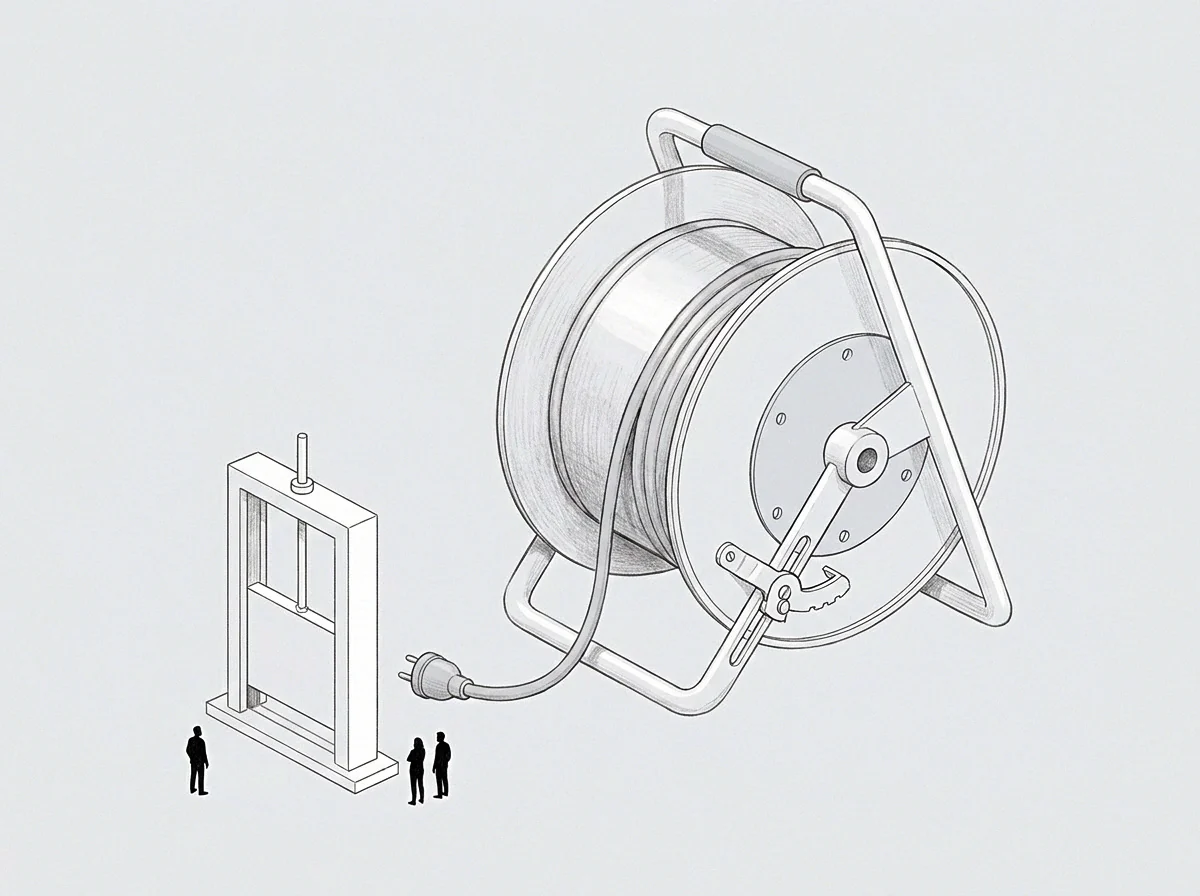
Instead of developing an internal schema where a responsive other provides comfort, the person internalizes a template of themselves as the sole dependable caregiver. Regulating oneself and regulating others merge into a single operation. The template contains no receptor slot for being held.
When someone offers presence or assistance to a person with this internal model, the offer registers as an anomaly. The nervous system misinterprets incoming support as an ambiguous threat or an impending obligation. Receiving care requires vulnerability, which the solitary baseline equates with imminent physical danger.
The executive instinctively deflects the interaction, returning immediately to the familiar posture of carrying load unilaterally. Presence costs real metabolic fuel.
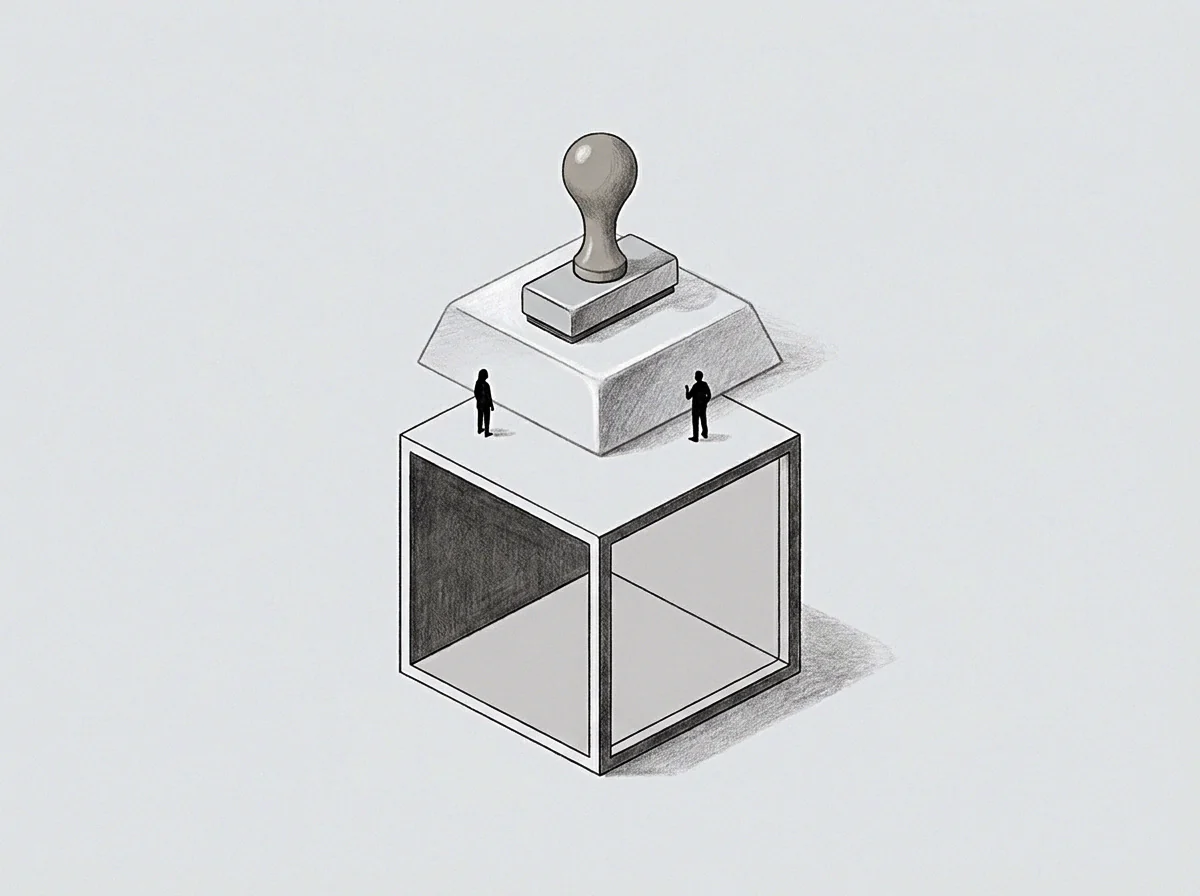
Development of the Secondary Working Model
Overcoming this ingrained resistance requires constructing a second internal model through earned security. Intellectual comprehension of attachment theory changes nothing in the body’s autonomic response. The template resists direct instruction.
The central nervous system updates its core relational assumptions only through repeated, undeniable physical experiences of shared regulation that contradict the early template.
A secondary working model forms through repeated physical exposure rather than intellectual analysis.
Earned security develops gradually through low-stakes relational exposures. The operator engages with an individual whose internal stability does not depend on the operator’s performance. When the operator exhibits fatigue, irritation, or silence, the counterpart remains grounded, neither retreating in distress nor offering unsolicited problem-solving.
This steady presence provides the nervous system with concrete somatic proof that shared proximity lowers threat without demanding compensatory regulation in return.
Somatic Calibration Through Repeated Physical Proximity
Neural reorganization demands predictable bodily interaction across extended chronological spans. The second template forms slowly. An operator begins by allowing another person to sit in the room during periods of acute operational crisis without attempting to manage that person’s mood.
The body gradually absorbs the acoustic cadence, respiratory rhythm, and peripheral warmth of the present partner. Repeated exposure shifts neural weighting.
Over months of repeated exposure, the dorsal anterior cingulate cortex reduces its resting vigilance. The prefrontal cortex begins to re-integrate social proximity into its predictive metabolic budget. The operator gradually discovers that sitting quietly beside a grounded peer lowers blood pressure more effectively than any solitary discipline.
Experience alters relational expectation. The receptor slot begins to open, transforming social presence from an energetic liability into a genuine source of shared physiological baseline calm.
A secondary baseline consolidates only through somatic exposure to someone whose calm remains steady when load arrives.