Meaning
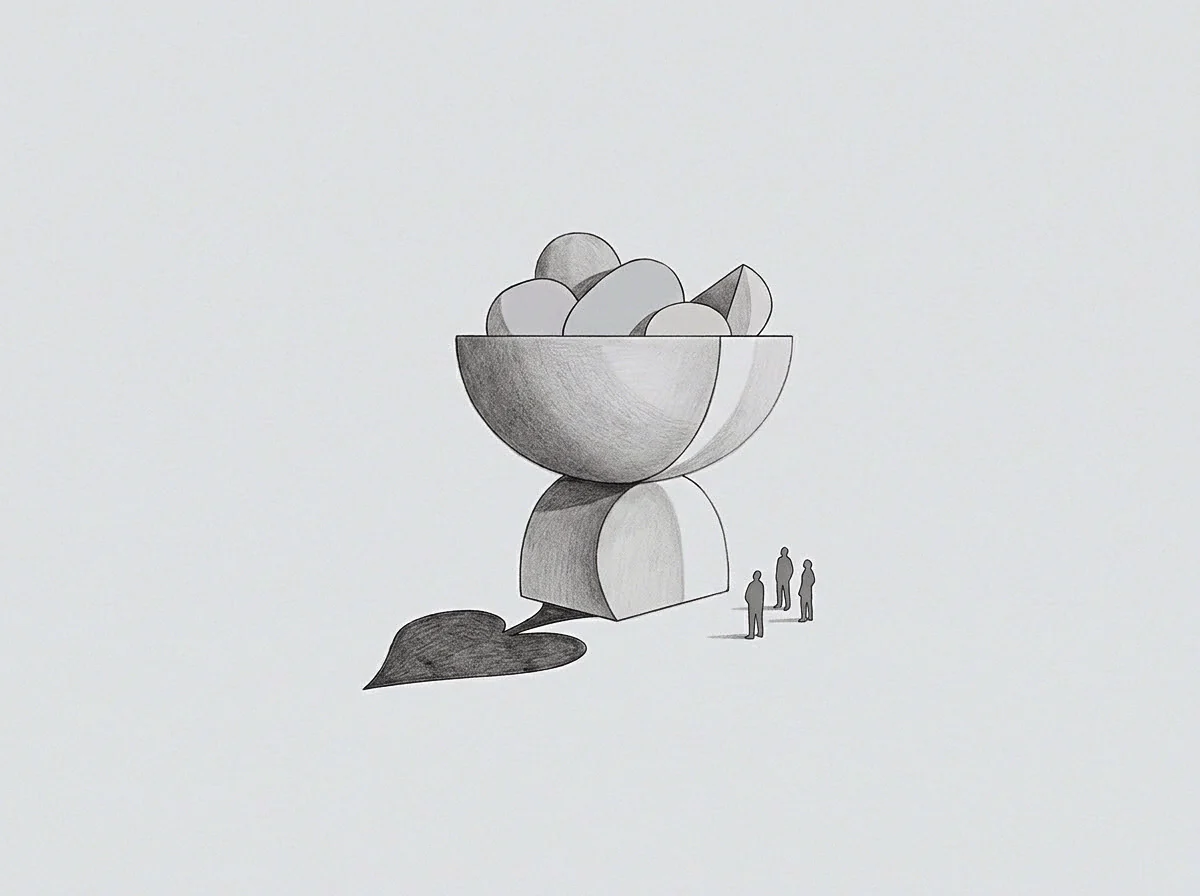
Habituation to extreme environments changes the internal reference point for what a person considers a normal level of stress. The process of baseline drift allows a founder to accept increasingly severe conditions as the new standard, masking the cumulative cost of sustained high performance. It functions as a mechanism of gradual adjustment to extreme demands.
Standard Erosion
Workloads that were once considered unsustainable become the daily expectation as the operator adjusts to a state of constant urgency. Within baseline drift, the threshold for what constitutes a crisis moves further out, leading to a neglect of earlier safety margins. This shift occurs without a formal decision to change the operating protocol.
Temporal Adjustment
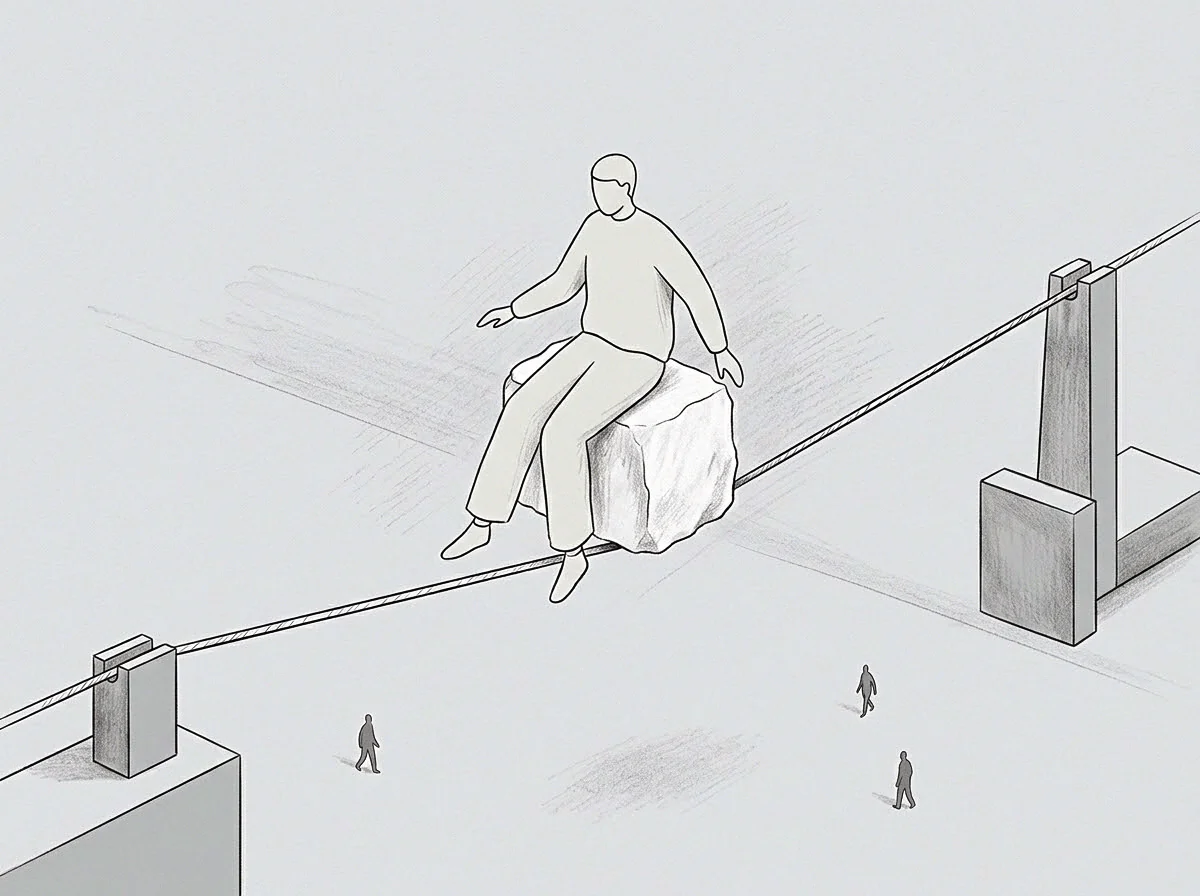
The slow pace of change makes the new state feel permanent and earned rather than accidental. Over months or years, baseline drift reconfigures the daily schedule to include tasks that were previously delegated or deferred, resulting in a permanent loss of discretionary time. Because the change is incremental, the system does not trigger a corrective response until a total failure occurs.
Capacity is slowly traded for survival.
Deviation Limit
Restoration of the original standard requires a complete removal from the environment to reset the internal sensors for baseline drift. Without this break, the drift continues until the individual can no longer distinguish between a steady state and an emergency.