
Social Baseline Theory And The Cost Of Self Regulation
Social baseline theory demonstrates that the brain budgets regulation as a shared economy, making solitary vigilance an expensive deviation from default rest.
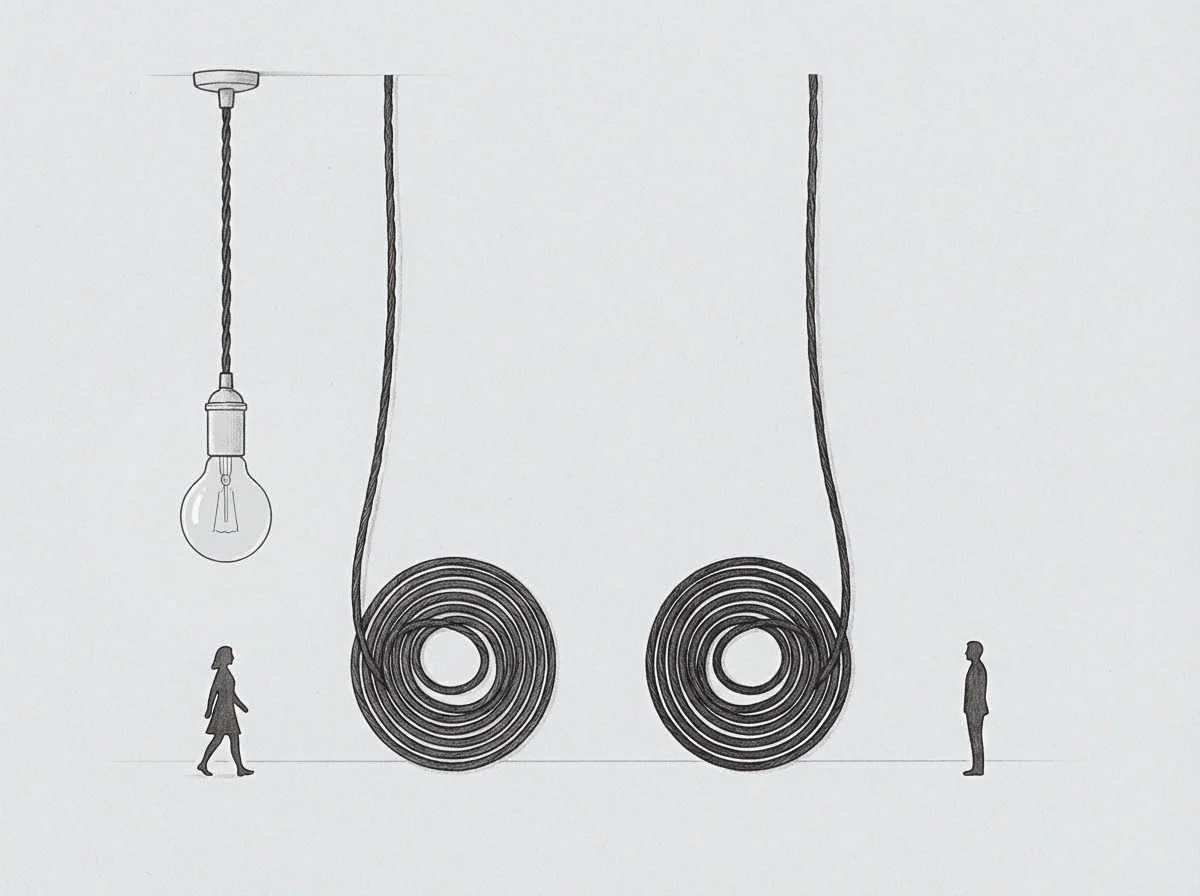
Deficit
Four communication threads sit open at midnight on an evening when operational headroom has reached zero. An engineer flags a database latency spike, an investor inquires about quarterly burn rate, a sales lead requests an emergency concession for an enterprise contract, and an operations director expresses hesitation about personnel changes. None of these four messages contains hostility.
Each message asks for an evaluation, a steady posture, or an immediate discharge of uncertainty.
The person seated at the screen drafts replies that absorb the friction. Pulse rate climbs, peripheral blood vessels constrict, and the prefrontal cortex burns through circulating glucose to suppress irritation while typing calm, measured instructions. The recipients read these answers, experience immediate relief, and close their laptops for sleep.
The sender remains awake under a surging hormonal cascade. One party depleted physiological reserves to manufacture stability for four others.
This dynamic illustrates a fundamental misunderstanding of human bioenergetics. Conventional work cultures treat emotional composure as an internal character trait generated through discipline. Cognitive science establishes an opposing reality.
The human nervous system evolved to operate inside an interactive ecology where threat detection, risk assessment, and physiological equilibrium are continuously distributed across trusted conspecifics. When an individual manages acute threat cues without social scaffolding, the brain treats the condition as an emergency perimeter breach.
Threat appraisal without shared vigilance extracts an immediate metabolic penalty from the prefrontal cortex.
The resulting exhaustion reflects an energy deficit rather than moral fatigue. Prefrontal circuits governing attention and affect suppression require substantial quantities of glucose. Under chronic solitary demand, the brain shifts resources away from cellular repair, immune surveillance, and long-range planning to sustain immediate vigilance.
Solitary composure under sustained stress is the most expensive metabolic state an organism can maintain.
A steady presence absorbs incoming pressure until the reservoir runs dry.
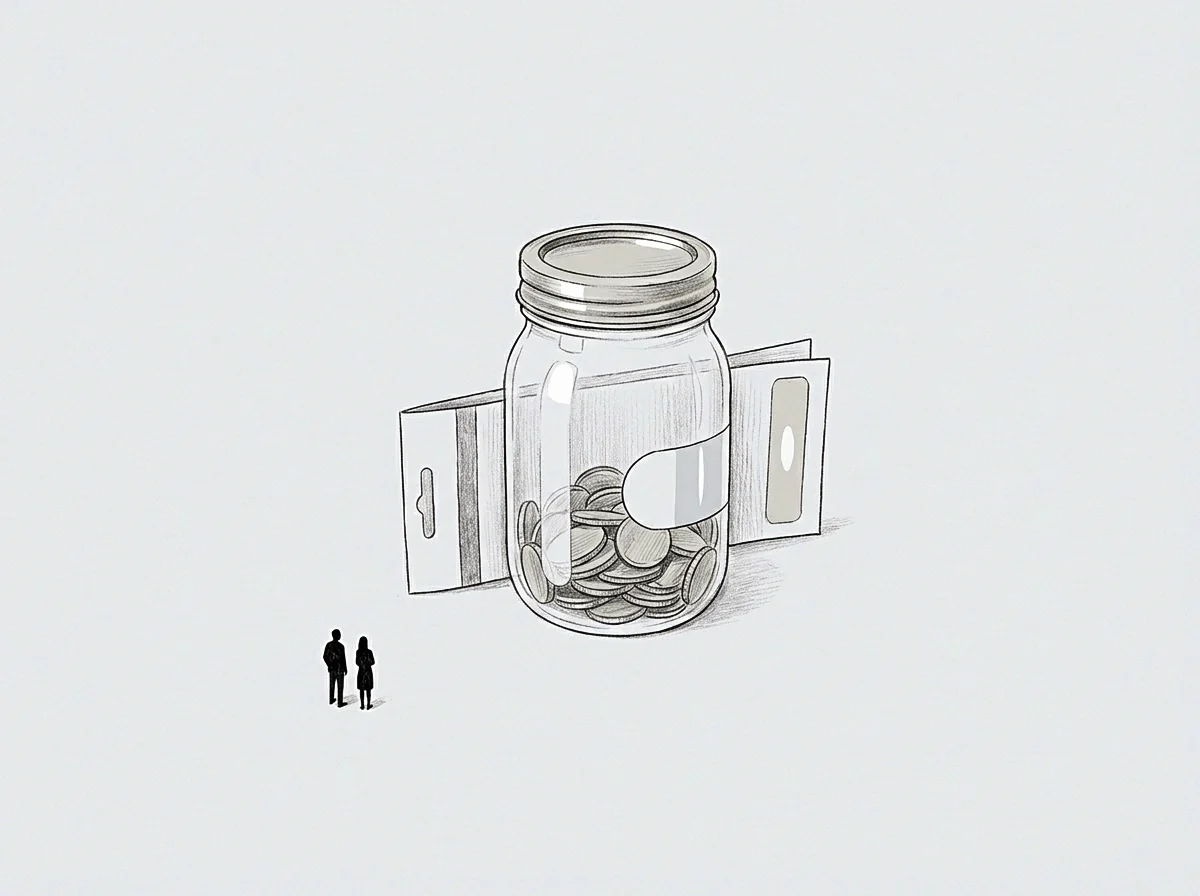
Circuit
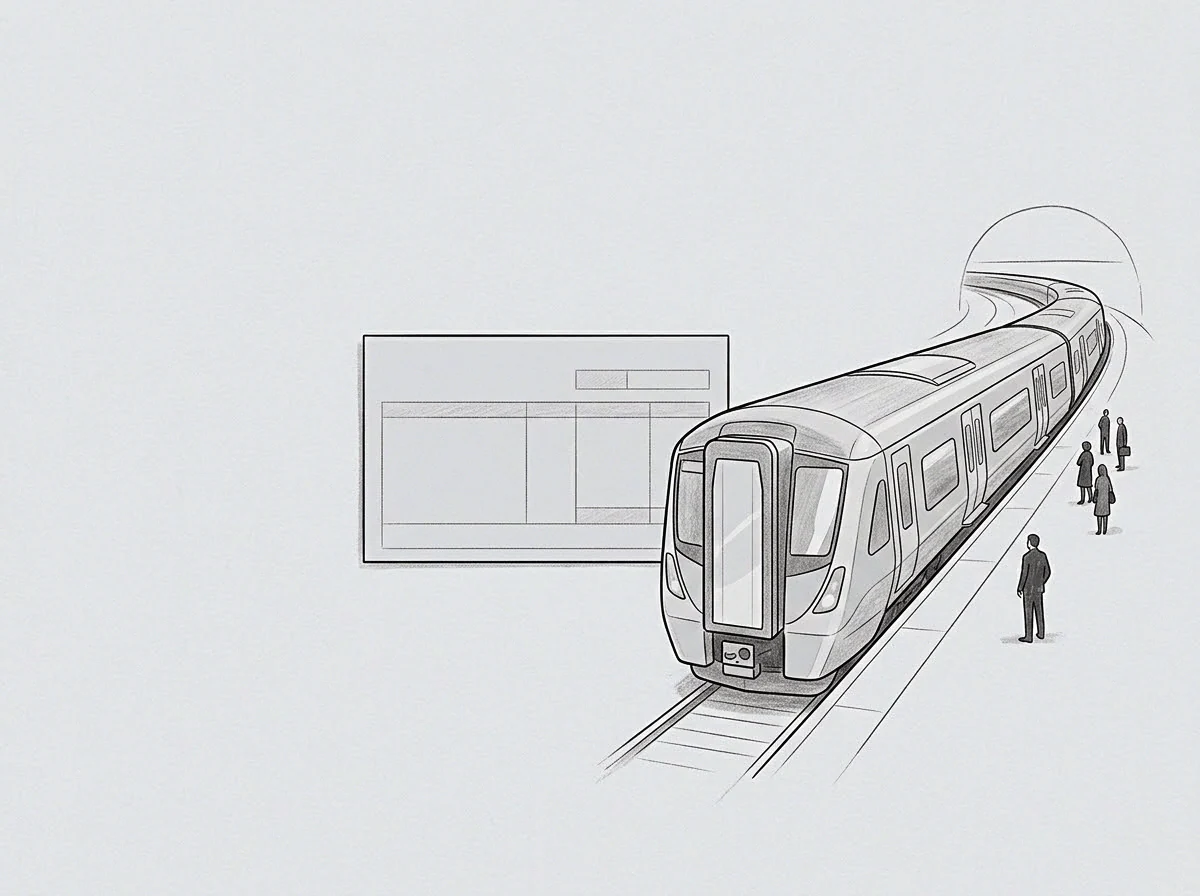
The Architecture Of Shared Biology
Social baseline theory demonstrates that the human brain constructs its primary operational baseline on the assumption of social proximity. In this baseline state, the presence of reliable partners acts as an external biological auxiliary. Brain regions responsible for threat detection, particularly the dorsal anterior cingulate cortex and the anterior insula, show attenuated activation when an individual faces threat cues while holding the hand of a trusted companion.
When facing identical threats in isolation, those neural structures fire at maximum amplitude.
The economy of the brain treats proximity as an energy-saving asset. Risk is discounted because multiple sensory systems monitor the horizon simultaneously. Motor effort is discounted because burdens can be carried cooperatively.
The brain offloads vigilance work onto the environment, keeping baseline metabolic consumption low. Physical isolation or relational unreliability forces the central nervous system to reabsorb every computational load, causing baseline operational expenses to climb instantly.
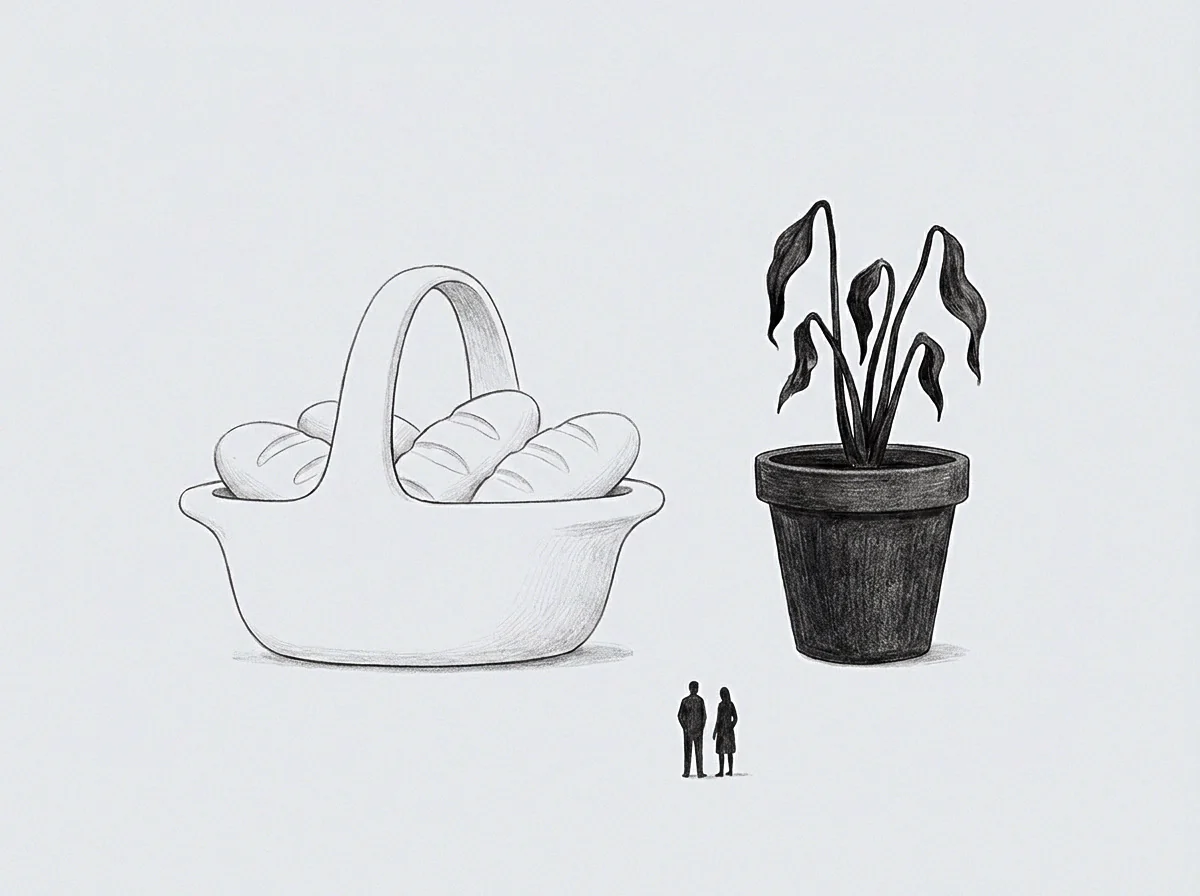
What Alters The Energy Calculation In Solitude?
Solitary execution converts background monitoring into continuous active labor. An isolated operator cannot delegate signal detection. Every ambiguous alert demands active prefrontal filtering, and every strategic variance requires solitary emotional containment.
Over extended operational cycles, this continuous prefrontal activation induces systemic strain, measurable through elevated resting cortisol, disrupted heart rate variability, and chronic sympathetic tone.
Laboratory findings using functional neuroimaging clarify this distribution. When individuals receive an unpredictable mild electric shock while accompanied by a stranger, threat-related neural activation diminishes moderately. When accompanied by a long-term partner with high relationship satisfaction, neural reactivity in threat circuits drops precipitously, returning almost to resting baseline.
This reduction disappears when the partner relationship is marked by chronic conflict or unpredictability. The brain discounts peril only in the presence of an interactively dependable peer.
A specific operational distortion takes root at this juncture. An individual who demonstrates exceptional poise under stress signals high regulatory capacity to their peers. Because the human brain seeks metabolic efficiency, colleagues naturally gravitate toward this steady individual, routing unresolved friction into their orbit to lower their own regulatory expenditure.
The stable actor becomes an informal shock absorber for the collective system. Borrowed stability registers to the recipients as their own spontaneous clarity, hiding the metabolic transaction entirely.
A reliable actor absorbs systemic turbulence until their private biological balance collapses.
The systemic result is an accelerating transfer of load toward the steadiest operator. The organization scales operational velocity on borrowed biological reserves, while the person supplying the calm steadily exhausts their cellular capacity.
Wall

Asymmetry Across The Operational Threshold
The divergence between supplying stability and receiving support becomes absolute inside leadership structures. An early operator or chief executive rarely encounters a space where their own physiological regulation is absorbed by another. They operate as the terminal anchor.
Every incoming query transfers volatility upward, where it must be neutralized before cascading back to the team.
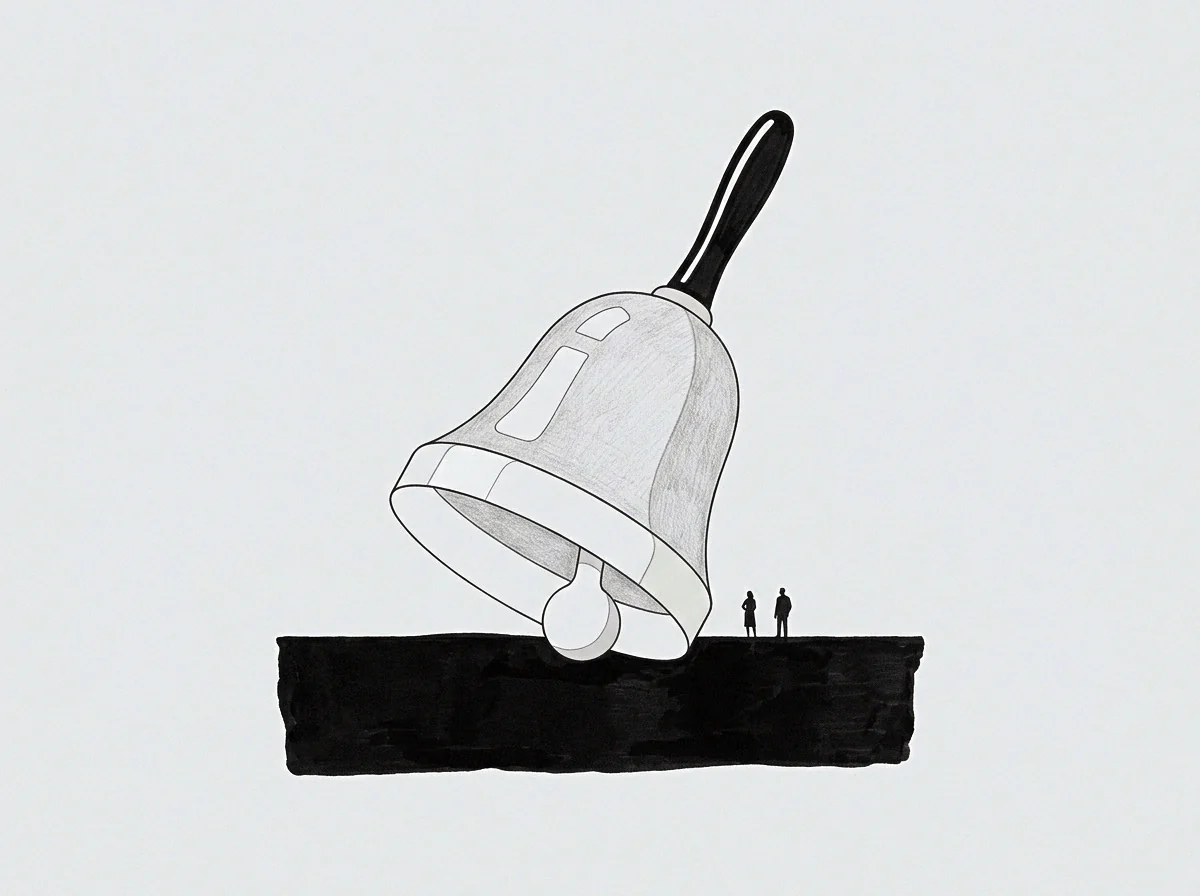
This dynamic forms an impermeable boundary. The team experiences the leader as an unyielding structural partition, capable of absorbing impact without deforming. The leader experiences their own nervous system as an open thermal vent, radiating energy to cool an overheating engine while receiving zero external cooling in return.
The table below outlines how this asymmetric arrangement functions across typical operational moments.
| Operational Domain | The Baseline Borrower | The Solitary Anchor |
|---|---|---|
| Threat Appraisal | Neural circuits register danger, transfer uncertainty via an urgent message, and return to baseline calmness upon receiving a reply. | Central nervous system absorbs ambiguity, filters operational reality, and expends prefrontal energy to produce a calm directive. |
| Vigilance Allocation | Focus narrows exclusively to immediate tactical outputs, relying on leadership to monitor macro survivability. | Sustains panoramic sensory surveillance across finance, personnel, and competitive positioning without cognitive pauses. |
| Physiological Recovery | Normalizes biological parameters during non-working hours due to the psychic insurance of executive oversight. | Experiences persistent nocturnal sympathetic activation due to ultimate, unshared downside liability. |
| Interactive Repair | Demands behavioral predictability and warmth from leadership as a condition for continued personal engagement. | Suppresses private despair and somatic irritation to maintain the external scaffolding required by others. |
The structural disparity revealed by this comparison explains why conventional relaxation strategies fail to resolve executive exhaustion. A weekend away or a brief vacation does not alter the underlying energetic architecture. Once the operator re-enters the field, the brain resumes sole custody of threat mitigation.
The operator continues to hold the boundary line alone, projecting absolute permanence while private biological insolvency deepens.
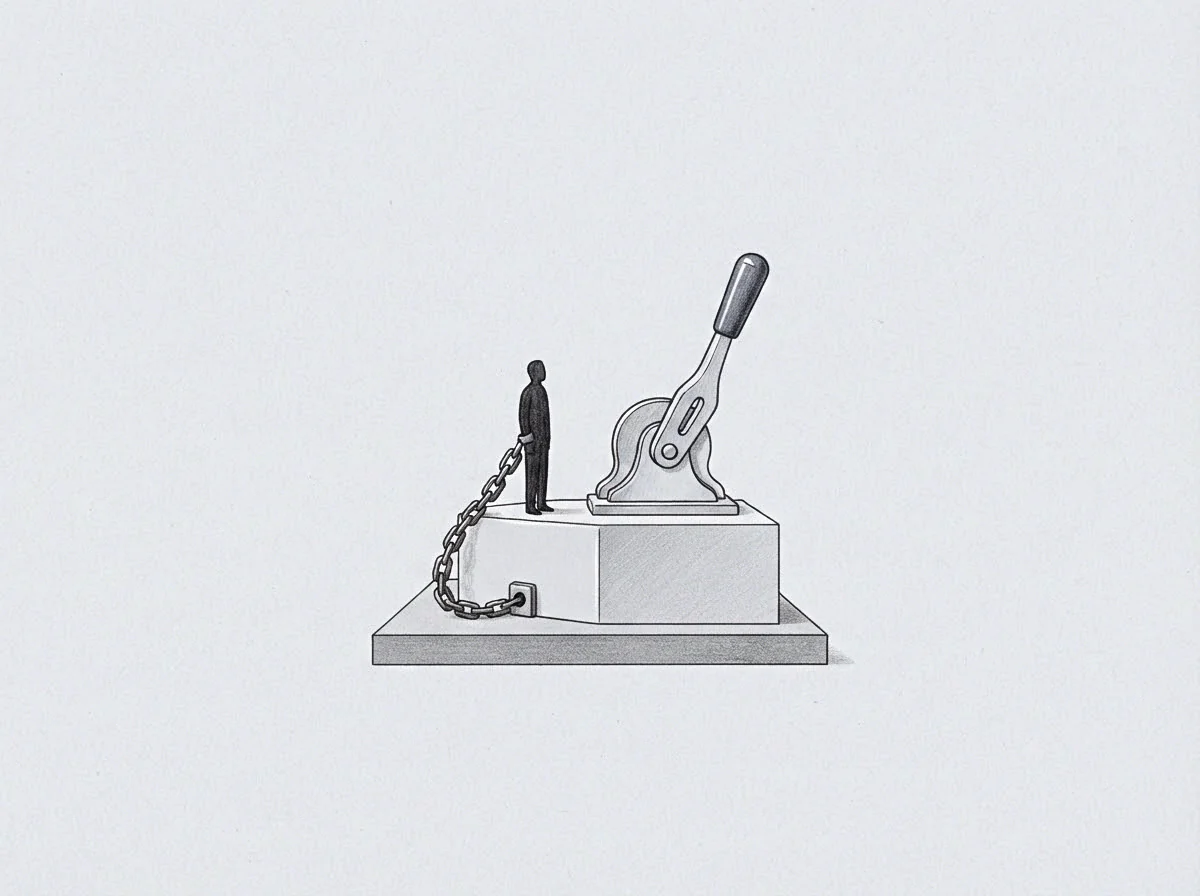
Everything appears stable from our vantage point, so you must have unlimited endurance for this work.
Economy
The Mechanics Of Energetic Solvency
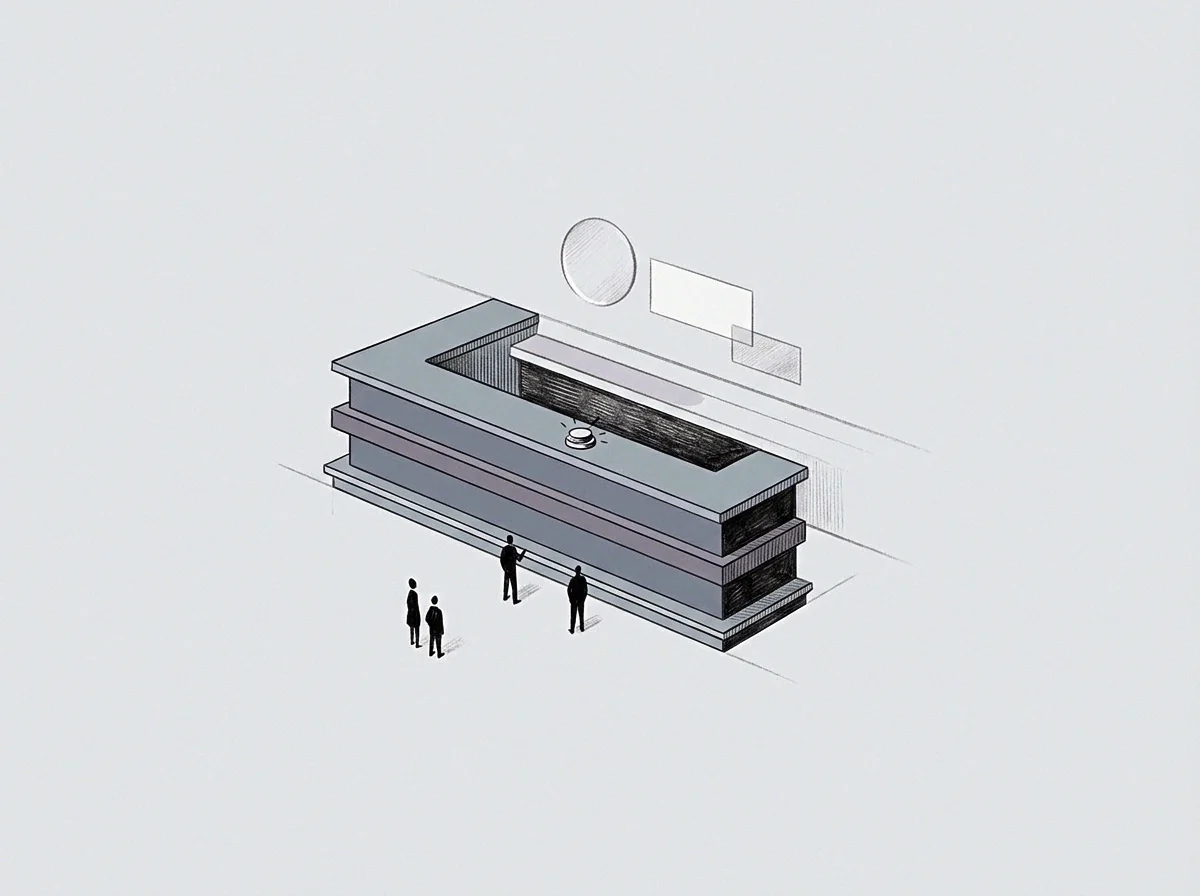
Human physiology enforces strict energetic bookkeeping. Allostasis describes the process through which the body adapts to continuous environmental inputs by adjusting its internal physiological parameters. The cumulative wear that results from sustained allostatic fluctuation is allostatic load.
When an operator consistently performs threat regulation without external co-regulatory ballast, allostatic load accelerates, shifting from an adaptive, short-term emergency response into systemic physical decay.
The central mechanism involves the allocation of glucose and the regulation of autonomic tone. Under standard social baseline conditions, presence-induced reassurance signals the ventromedial prefrontal cortex to inhibit amygdala hyperactivity. This down-regulation occurs automatically, bypassing the need for deliberate cognitive reframing.
The brain conserves glucose for other creative or analytical pursuits.
Presence-induced regulation operates at negligible metabolic cost compared to deliberate prefrontal suppression.
In contrast, solitary self-regulation relies on direct prefrontal suppression, demanding high rates of local glucose metabolism and rapid oxygen consumption. The organism draws on reserves meant for long-term tissue maintenance to keep executive control intact. The neuroscientist Jim Coan demonstrated that this neural attenuation is contingent upon perceived social predictability; when relational stability scores decline in empirical trials, the threat-buffering effect of hand-holding vanishes completely.
These findings rest on adult cohort fMRI investigations measuring localized blood-oxygen-level-dependent responses to threat cues under varying relational conditions. The empirical model assumes that subjective relational safety maps directly to objective physiological deceleration. If an individual harbors developmental adaptations that view interpersonal proximity as inherently unpredictable or hazardous, proximity fails to reduce prefrontal outlays.
For such individuals, physical closeness introduces social vigilance, driving energetic expenditures higher.
Structural Adaptations Under Prolonged Deficits
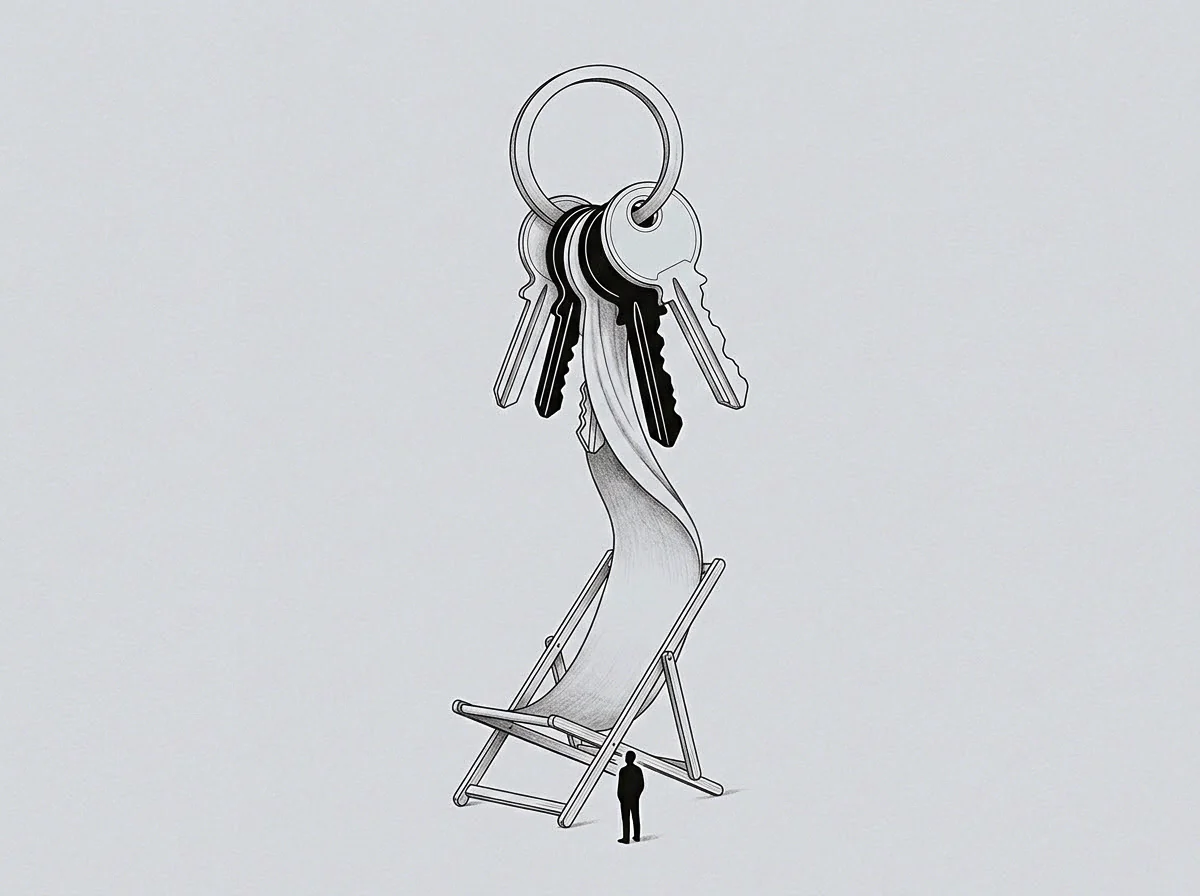
When an operator runs a regulatory deficit for consecutive fiscal quarters, the nervous system deploys protective compensations to prevent total biological failure:
- Vigilance rationing forces the executive to truncate strategic attention, focusing exclusively on acute survival inputs while dropping exploratory long-range synthesis.
- Emotional desensitization blunts peripheral empathy, reducing the biological cost of processing human friction by dampening mirror neuron activation.
- Operational insulation drives the individual to construct bureaucratic buffers, avoiding direct communicative interaction to prevent secondary load absorption.
- Somatic throttling manifests as involuntary systemic lethargy, inducing depressive symptoms to enforce physical rest when cognitive volition refuses to disengage.
These compensations are often misdiagnosed as psychological disengagement or motivational collapse. They represent adaptive biological circuit breakers. The nervous system intentionally shuts down auxiliary functions to preserve core survival capability.
When an operational structure forces an individual to serve as a solitary baseline for an extended duration, the biological contract alters irrevocably, terminating voluntary prefrontal compensation and substituting involuntary autonomic shutdown.
Return
Updating The Regulatory Template
Survival beyond this metabolic bottleneck requires rebuilding the internal working model that governs how regulation occurs. An individual who functioned as the default emotional anchor often developed a backwards regulatory model early in life, learning to achieve personal safety by stabilizing dysregulated adults. In this reversed configuration, regulating others becomes the primary means of personal stabilization.
The nervous system lacks an operational receptor slot to receive care from another human being.
Intellectual comprehension of this pattern does not dismantle it. Insight is a cortical phenomenon, whereas the social baseline is a subcortical, somatosensory economy. Understanding the mechanics of allostatic load does not lower resting heart rate during an operational crisis.
The nervous system updates its energetic calculations only through repeated, embodied experiences of shared threat management where the individual does not act as the stabilizing agent.
Earned security is the clinical term for this structural renovation. It represents the slow, biological construction of a secondary regulatory template through adult partnerships that demonstrate absolute interactive reliability. In these arrangements, the operator deliberately exposes vulnerability or operational hesitation, discovers that the sky does not fall, and observes the other party absorbing friction without collapsing or demanding reassurance in return.
This biological update occurs in physical rooms rather than strategic meetings. It happens when an executive sits next to an aligned operating partner, looks at a catastrophic supply chain interruption, and registers that their colleague is leaning into the problem with equal physiological commitment. The dorsal anterior cingulate cortex registers the shared load, down-regulates its emergency distress signals, and releases prefrontal circuits to pursue analytical resolution.
The delta over time between choosing a partner and needing a partner becomes visible through these micro-interactions. A needed partner is an immediate metabolic emergency purchase, solicited to prevent acute system collapse. A chosen partner is an structural co-regulator, integrated into the baseline architecture to ensure that the enterprise operates as a distributed biological organism rather than a solitary nervous system under siege.
Building this capacity demands strict rationing of personal regulatory outlays. The operator states concrete terms regarding availability, declining to act as a universal shock absorber for colleagues who refuse to manage their private uncertainty. This limit setting initially triggers resistance across the organization, as team members encounter their own unbuffered anxieties for the first time.
The discomfort marks the return of metabolic reality to the collective system.
The long-term durability of an enterprise mirrors the physiological balance of the human beings who anchor it. When an operator establishes a functional social baseline, shedding solitary vigilance in favor of genuine structural co-regulation, the energetic ledger stabilizes. Prefrontal reserves recover.
Panoramic vision returns. The company ceases to be an engine that converts human tissue into enterprise value, becoming an arena where distributed intelligence flourishes without consuming the living bodies that sustain it.