
Social Baseline Theory In Rapidly Scaling Startup Teams
Human brains budget threat assuming proximity to reliable peers; scaling distributed teams removes this baseline, dumping crushing allostatic debt onto founders.
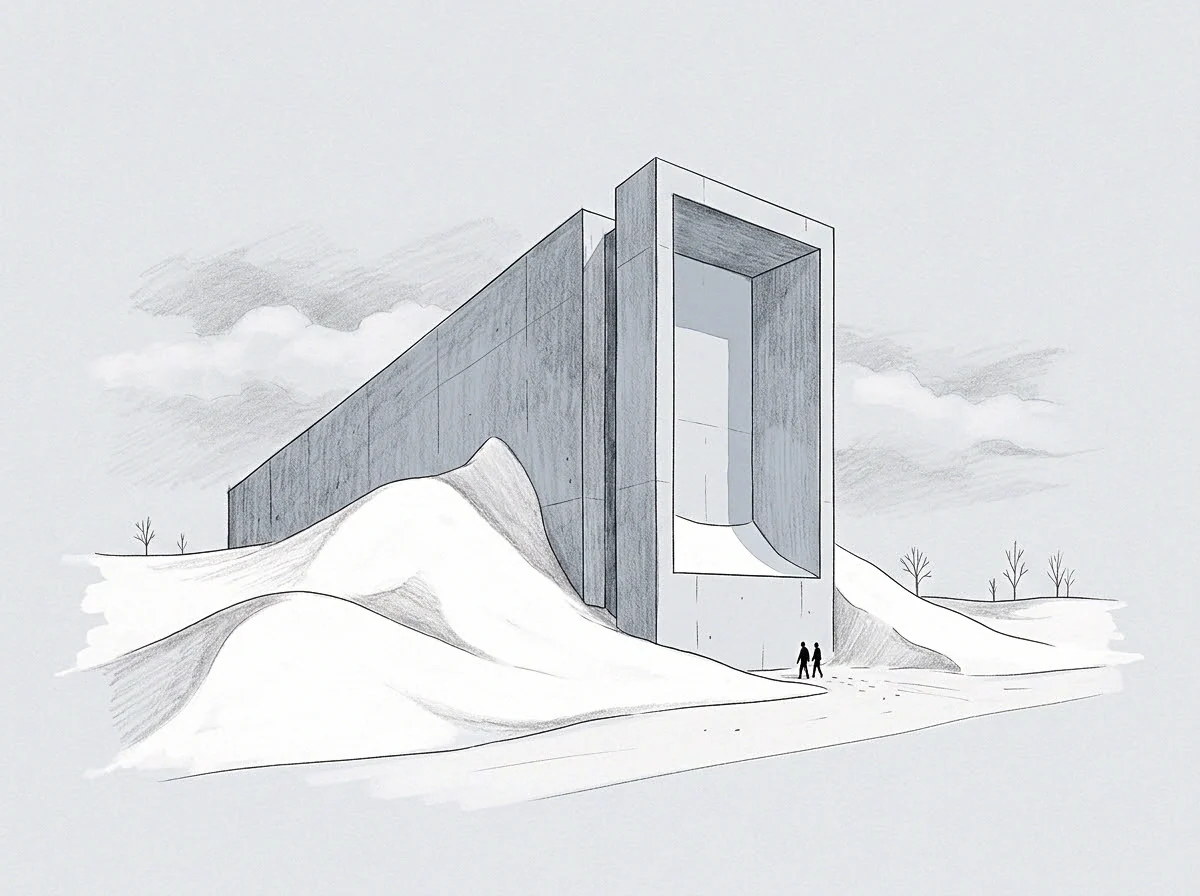
Proximity
Four browser windows sit open on a desktop at eleven at night, each showing an unanswered thread from a team member who stopped moving forward the moment direct contact dropped. The founder sits alone in a physical room, staring at an accumulated log of administrative stalls that each operator reported as an inability to decide. Work that moved smoothly at four desks across one long table stalls across forty remote seats.
Standard organizational analysis treats this delay as an operational design fault. Affective neuroscience shows that human nervous systems register physical solitude as an emergency state with elevated biological cost.
Under social baseline theory, the mammalian brain does not budget survival as an isolated entity. The baseline assumption of human neural architecture is direct sensory proximity to reliable peers. When others are close, accessible, and responsive, the brain outsources vigilance, thermoregulation, and threat defense to the collective unit.
The autonomic system lowers its metabolic expenditure. Threat cues register as manageable challenges because load distributes across multiple bodies. The subjective feeling of personal competence often represents borrowed regulatory capacity derived from whoever sits adjacent.
Startup teams in early validation cycles operate almost entirely on this shared energetic pool. Four people huddled across a single table synchronize autonomic states through vocal inflection, micro-postures, and peripheral visibility. That physical density lowers the biological cost of sustained ambiguity.
An engineer facing a catastrophic codebase failure maintains cardiovascular stability by looking up and registering the calm breathing of a technical peer three feet away. The calm feels self-generated, but the individual borrows it from the room without paying an internal regulatory tax.
The baseline condition of human metabolic accounting is proximity to reliable others, making prolonged isolated operation an extraordinarily expensive biological state.
Scale dismantles this arrangement by design. The transition from eight people to eighty replaces shared physiological presence with mediated symbolic text. Slack pings, asynchronous tickets, and fragmented video feeds replace direct sensory access.
The human brain perceives this shift as an abrupt subtraction of environmental resources. Without the sensory baseline of reliable bodies nearby, each employee’s brain re-allocates baseline metabolic capacity toward baseline vigilance. Tasks that took an hour now induce acute cognitive friction.
The team appears to lose capability, yet the actual deficit is shared biobehavioral regulation.
When this transition occurs, leadership commonly diagnoses the friction as an absence of individual grit or poor documentation. The actual change is energetic. An isolated central nervous system budgets threat and workload against its own biological reserves alone.
The founder absorbs the resulting panic without recognizing the physiological shift. An unstated question hangs over the transition: how much perceived individual talent in an early startup is simply the metabolic dividend of sitting inside another person’s regulatory field?
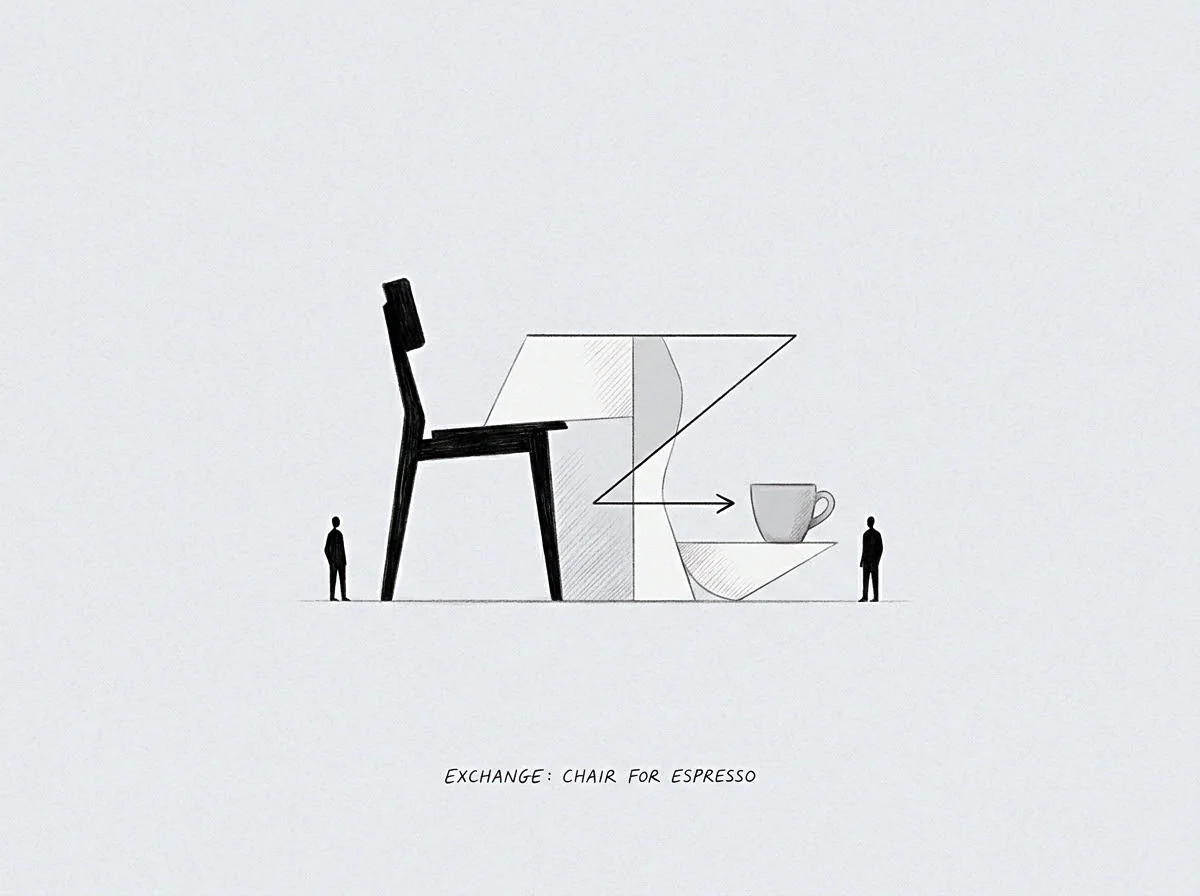
Floor
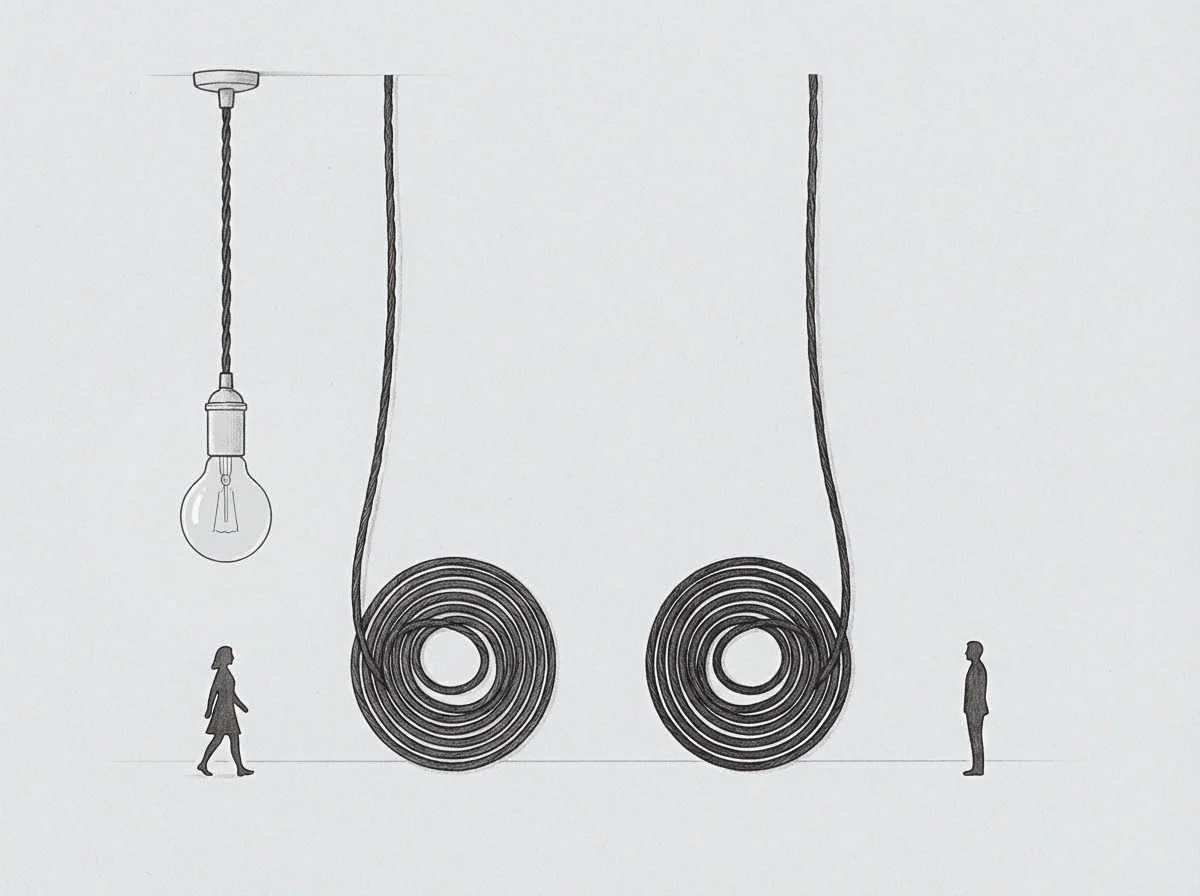
Metabolic Accounting in Distributed Teams
Every central nervous system maintains an energetic budget termed allostasis, constantly predicting resource requirements and allocating glucose, cortisol, and autonomic tone. In the presence of known, cooperative partners, the brain applies load sharing to anticipated difficulties. A threat faced in company registers with attenuated amygdala activation and diminished hypothalamic-pituitary-adrenal axis discharge.
Laboratory measurements of neural threat response confirm that holding the hand of a familiar partner attenuates dorsal anterior cingulate and anterior insula activity during anticipated electric shock. Solitude doubles the subjective steepness of a physical hill. It doubles the perceived difficulty of a complex institutional problem.
When an organization scales past the boundary of daily physical proximity, that metabolic floor collapses. Distributed workers must generate certainty through costly prefrontal top-down inhibition. The biological cost of sustaining focus rises sharply.
An operational decision that required five minutes of spontaneous dialogue in an office demands sustained, effortful attention across a screen. The difference is the cost of self-regulation. The individual brain bills itself for what the group dynamic previously provided free of charge.
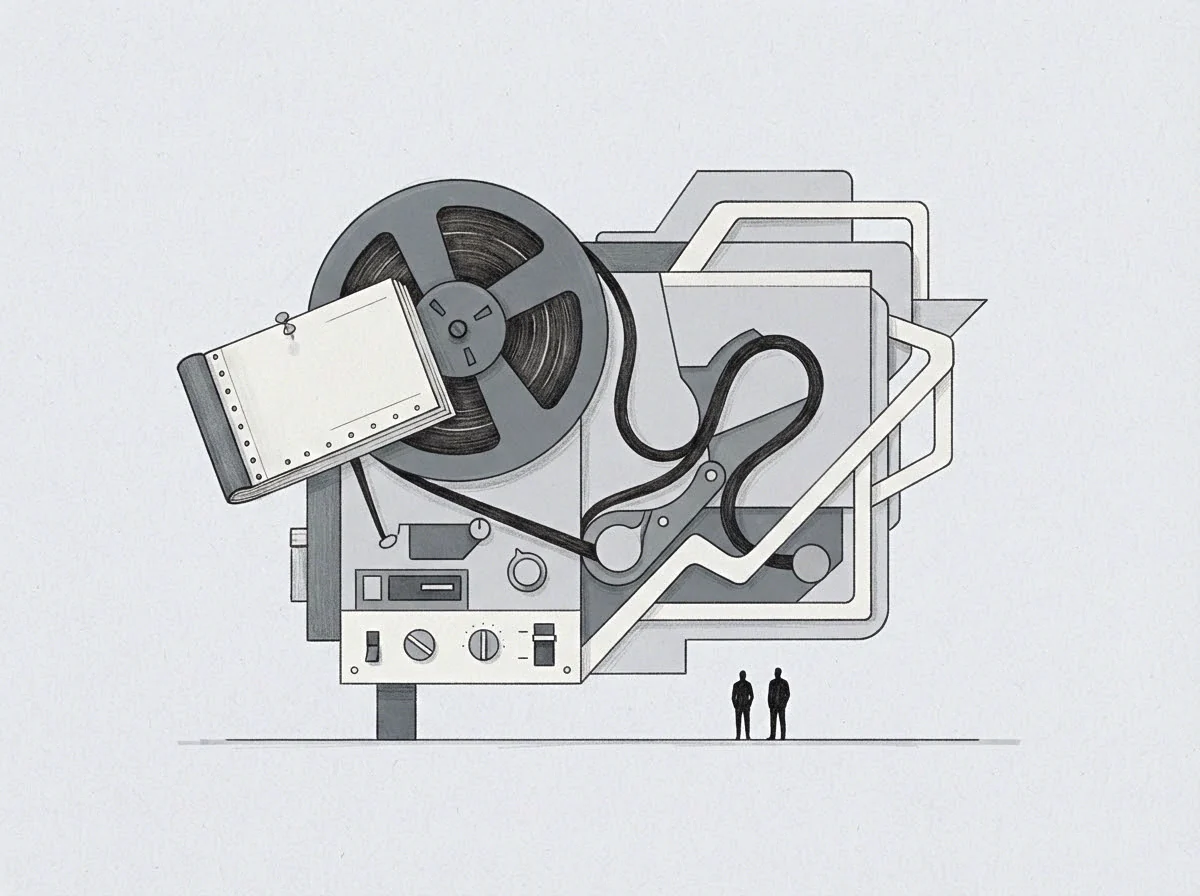
The Disappearance of the Responsive Other
Attachment research identifies the responsive other as the primary external regulator of infant and adult affect. In organizational settings, the early founding group functions as this external baseline. When an operator hits an impasse, the immediate availability of a trusted peer grounds the panic before it triggers allostatic strain.
The team member borrows regulation from the peer, stabilizes, and completes the work.
Rapid growth removes the responsive other and replaces them with an asynchronous queue. When an engineer encounters a systemic architecture blocker at ten in the morning and receives a reply at four in the afternoon, six hours are spent in low-grade threat activation. The engineer experiences the delay as structural abandonment.
The nervous system responds by throttling exploration. The team member defaults to conservative behaviors: escalating simple questions, avoiding risky decisions, and seeking constant textual validation from the founder. The founder reads this behavior as sudden professional regression.
The founder usually reacts by writing more guidelines, adding layers of management, or holding town halls on operational ownership. These interventions provide abstract cognitive information. They supply none of the biological safety required to depress threat responding.
The team member remains physiologically isolated. The cost of running an isolated nervous system eventually surfaces as functional paralysis, which no structural memo can remediate.
The resulting operational decay manifests across predictable organizational functions:
- Autonomic threat vigilance drains cognitive bandwidth away from novel pattern recognition toward political risk scanning.
- Decisional paralysis sets in because the biological cost of making an unsupported mistake exceeds the perceived reward of speed.
- Asynchronous escalation multiplies as employees route minor subjective uncertainties toward whoever remains visibly calm.
- Regulatory exhaustion strikes those few remaining operators who still attempt to provide continuous presence for their peers.
Left unaddressed, the total output drops while total hours logged expand, because terrified nervous systems spend their best energy keeping their own allostatic balance intact.
Template
The Backward Regulatory Schema
The founder layer of rapidly scaling enterprises is disproportionately populated by individuals with a specific regulatory adaptation. When childhood environments lack reliable, predictable caregiving, the developing nervous system adapts by running its internal working model backwards. The developing child does not internalize a responsive caregiver who soothes distress.
The child internalizes an image of themselves as the sole provider of stability for a chaotic environment. Regulating oneself and regulating the surrounding environment collapse into one single survival strategy.
This psychological structure forms a regulator template. The person operating from this schema possesses an extraordinary capacity to absorb ambient distress, project unshakeable calm, and function under acute allostatic load. They do not register isolation as a threat because solitude was the condition under which they survived.
When early-stage chaos demands eighty-hour weeks and constant crisis management, this adaptation presents as executive competence. Investors reward it. Early hires lean on it.
The founder becomes the regulatory anchor for everyone around them.
A regulator template built to manage ambient distress reads another person’s offer of presence as a confusing anomaly rather than a source of safety.
This adaptation carries an architectural absence: it possesses no receptor slot for being regulated by another person. The founder cannot receive borrowed calm. When an advisor, a co-founder, or an executive attempts to offer genuine partnership, the input registers as operational drag or an invasive demand.
The founder interprets an offer of shared burden as a prelude to abandonment or an indicator of the counterparty’s hidden incompetence. The founder stays in the center of every load-bearing structure because their template equates total control with physiological survival.

How Do Founders Differentiate Real Choice From Biological Need?
As the organization expands, the founder experiences a relentless influx of dependent behavior from staff. This dynamic is rarely caused by the team’s operational ignorance. It is driven by the team sensing that the founder functions as an unlimited source of free biological calm.
The team brings half-formed problems to the founder’s desk because sitting in the founder’s presence reduces their own anxiety. The founder’s calm is an open tap. Employees drink from it to reduce their own allostatic costs.
The founder mistake lies in misinterpreting this attraction. The founder assumes the team comes for strategic brilliance, deep institutional insight, or visionary alignment. The team comes for the visceral, nervous-system downregulation that proximity to a non-reactive human delivers.
The founder pays for that transference in raw biological energy. The founder’s sleep deteriorates, cardiovascular tone hardens, and cognitive flexibility narrows, while the direct reports leave meetings feeling energized and focused.
The load transfers entirely in one direction. The founder acts as the group’s prefrontal cortex, social baseline, and parasympathetic brake simultaneously. The dynamic holds until the founder’s internal physiological reserves hit zero.
At that threshold, the founder does not experience normal fatigue; they experience an abrupt collapse of capacity, commonly mislabeled as sudden depression or tactical disillusionment. The founder simply ran out of biological fuel to regulate forty nervous systems alongside their own.
A simple test clarifies the transaction: if an interaction leaves the team member calm and the leader depleted of physical energy within thirty minutes, the exchange was a biological resource extraction rather than an intellectual alignment.
Weight
The distribution of regulatory load across an expanding company follows predictable structural pathways. The table below compares the functional dynamics of a centralized regulatory baseline against a distributed biological architecture across core operational dimensions.
| Operational Dimension | Centralized Baseline (Founder as Sole Regulator) | Distributed Baseline (Peer Co-Regulation Nodes) |
|---|---|---|
| Threat Appraisal | Threats route upward to the executive desk, triggering structural bottlenecks. | Small teams dampen localized threats through direct lateral proximity. |
| Decisional Latency | High. Progress stops while waiting for the sole calm authority to validate risk. | Low. Local peer consensus provides the autonomic safety needed to act. |
| Allostatic Load Distribution | Concentrated entirely on the founder and top operational leads. | Shared across resilient pods of cross-functional peers. |
| Asynchronous Communication Efficacy | Poor. Mediated text increases employee anxiety and escalates minor issues. | High. Text functions effectively because baseline safety exists laterally. |
| Founder Failure Mode | Abrupt biological burnout, somatic illness, or explosive emotional withdrawal. | Sustainable energetic reserve preserved for directional positioning. |
The transition from the centralized model to the distributed model cannot happen through cognitive consensus. A founder cannot instruct a management team to be regulated through an executive offsite. Nervous systems do not update their threat budgets based on a slide deck or an abstract corporate value statement.
Autonomic threat appraisal responds only to real, verifiable physical safety delivered consistently across time.
When an organization attempts to scale without building lateral co-regulation hubs, the founder becomes an operational single point of failure. The company scales its customer count and head count, but its underlying regulatory architecture remains that of a four-person founding team huddled in an apartment. The founder’s nervous system remains the only genuine biological shock absorber for the entire company.
Strength under acute pressure reliably attracts incoming stress. When a leader demonstrates that an escalating crisis leaves their outward demeanor entirely undisturbed, team members identify that leader as a sink for their own discomfort. The reward for bearing immense regulatory weight without complaint is the assignment of heavier weight.
The organization transfers its unresolved emotional chaos to the stable node until that node snaps.
When that snap occurs, the organization does not see an exhausted human being. It registers an unexpected operational stoppage. Unresolved operational friction simply accumulates at the executive desk without receiving a response.
Shift
Resolving this systemic trap demands that the organization stop treating psychological stability as an individual virtue and start treating it as an engineering constraint. Co-regulation is a shared biological resource with hard physical constraints. It requires specific proximity, manageable spans of attention, and bidirectional exchange.
Scaling a company requires scaling the biological baseline alongside the software architecture.
The practical transformation involves four distinct operational interventions:
- Decentralized operational pods replace broad functional silos with compact, cross-functional squads of five to seven people who maintain sustained, daily synchronous interaction to protect autonomic safety.
- Explicit availability boundaries terminate continuous asynchronous access to senior leadership, forcing teams to seek lateral regulation from immediate peers rather than upward validation.
- Synchronous crisis protocols require that any operational failure causing acute distress be resolved through direct voice or video presence within fifteen minutes, bypassing anxiety-inducing text chains.
- Somatic load accounting treats chronic executive irritability, sleep fragmentation, and compulsive message checking as objective markers of regulatory exhaustion rather than personal weaknesses.
At the founder level, the shift requires an internal reconstruction of the regulator template. The founder must build earned security through repeated, actual experiences of depending on others who prove capable of holding the operational load. Intellectual insight into one’s defensive adaptations accomplishes very little.
The central nervous system updates its threat budget only when it experiences a dropped ball being caught by another person without catastrophic failure.
Earned security forms when a nervous system experiences actual containment from another body rather than through the cognitive study of attachment patterns.
Consider an operational sequence involving two founders holding an expanding platform team. Assume the technical founder holds sixty percent of total organizational architecture decisions and works fifteen hours a day to preserve operational momentum. The business partner notices the technical founder’s progressive cognitive narrowing and insists on taking over three critical infrastructure negotiations.
For three weeks, the technical founder experiences intense somatic discomfort, predicting absolute operational collapse. The partner conducts the negotiations, secures acceptable commercial terms, and documents the operational boundaries cleanly. The technical founder’s brain receives unambiguous sensory evidence that survival does not require solitary surveillance.
This experience leaves a physical mark on the nervous system. The technical founder’s amygdala reactivity to delegated tasks declines. The baseline assumption shifts from solitary defense to collective capability.
The founder begins to construct the missing internal receptor slot for external support. The organization can now scale past eighty people because its central node is no longer burning baseline metabolic energy attempting to be the solitary biological nervous system for every employee on the payroll.
The firm achieves resilience when regulation flows laterally across every tier of the organizational chart, freeing executive attention for long-term strategic coherence.