
Structural Conditions That Enable Regulatory Template Revision Without Escalation Failure in Executive Leadership
Executive template revision relies on structural relay buffers that decouple operational threat perception from continuous leader availability.

Threshold
Executive leaders often spend late hours absorbing unbudgeted organizational friction through continuous personal availability. On a Tuesday night at ten, four separate operational threads remain active across executive communication channels. A department head asks for immediate approval on a secondary hiring decision.
An operations director forwards a client complaint without an accompanying assessment. A product lead submits an unparsed risk log. The executive reads each signal, formulates the response, and settles the ambient anxiety of the operational layer.
The budget breaks.
Social baseline theory establishes that human nervous systems treat proximity to a reliable secondary regulator as a primary energy conservation strategy. When an executive functions as that secondary regulator for an entire enterprise, direct reports drop their own regulatory expenditure by routing ambiguity upward. The enterprise operates on an unpriced co-regulatory subsidy.
Friction accumulates rapidly. Direct reports do not build internal baseline stability because the leader’s immediate availability absorbs every operational variance before local management capacity can form.
Absence registers as systemic threat. When an executive attempts to revise this pattern by abruptly withdrawing availability or closing communication channels, subordinate layers experience an immediate surge in perceived risk. Escalation paths open wide.
Deprived of the familiar regulatory proxy, middle managers escalate minor tactical ambiguities into systemic operational emergencies. The executive reads this panic as structural incompetence, steps back into direct intervention, and reinforces the original baseline deficit.
The abrupt withdrawal of direct co-regulation triggers systemic risk amplification across subordinate management layers.

The Unpriced Subsidies of Borrowed Calm
Direct reports regulate their physiological baseline against the physical or digital presence of the chief executive. In early stage enterprises, this borrowed calm functions as a rapid coordination mechanism. The founder absorbs market ambiguity, maintains a steady operational state, and allows non-executive personnel to execute discrete tasks without bearing existential enterprise weight.
Strength under stress attracts more load. Operational units learn that escalating unresolved ambiguity to the chief executive returns an immediate reduction in local baseline strain.
This dynamic shifts over extended tenure into an institutional deficit. The internal working model of the executive becomes the sole regulatory engine for the company. The leader operates with no internal receptor slot for receiving baseline support from others, having built an executive identity around the unilateral provision of stability.
Capacity remains strictly finite. The leader pays for organizational calm through personal physiological strain, accumulating an unpriced allostatic load while subordinate managers fail to develop earned security within their own operational domains.
Whether an executive can restructure operational channels without triggering defensive escalation across middle management remains unresolved.

Deck
Physical and digital workspaces dictate how organizational risk registers across executive management. Open office environments, continuous chat feeds, and unstructured open door policies force the chief executive to act as a real-time shock absorber for ambient operational noise. Every incoming ping represents an unbuffered demand for physiological co-regulation.
Structure replaces raw presence.
Replacing continuous personal availability demands concrete spatial and temporal buffers. The structural conditions for template revision rely on converting continuous co-regulation into discrete, predictable governance interactions. When operational signals move through explicit asynchronous windows rather than open real-time streams, middle managers must process local ambiguity before initiating an executive escalation.
Unpriced baseline support fails.
The table below compares the operational dynamics of continuous direct co-regulation against a structured relay governance architecture.
| Operational Variable | Direct Co-Regulatory Baseline | Structural Relay Architecture |
|---|---|---|
| Signal Processing Speed | Real-time physiological absorbency during open office hours | Asynchronous batch verification within defined time slots |
| Organizational Energy Cost | Unfunded expenditure borne by executive baseline capacity | Distributed capacity borne by protocol and middle governance |
| Escalation Vulnerability | High panic surge when executive availability drops | Bounded variance managed by explicit operational tolerances |

Structural Replacement of Direct Physiological Baseline
Converting ambient executive availability into formal operational protocols alters how information moves through an enterprise. The seat holds firm. Rather than offering open-ended emotional absorption, the executive defines clear threshold boundaries that govern when, how, and why operational signals cross the executive line.
Silence carries informational weight.
Establishing these parameters requires the executive team to replace physical proximity with structural predictability. When subordinate leaders know precisely when executive input occurs, their autonomic nervous systems adjust to the predictable cadence. The requirement for continuous real-time access dissolves as structural reliability takes its place.
A stated operational boundary replaces personal endurance with explicit structural parameters.
Clear operational parameters preserve executive baseline headroom better than passive personal endurance.

Relay
Transferring regulatory duties across leadership layers demands clear boundaries and intermediate confirmation loops. Without structural relays, attempts to delegate baseline authority collapse into operational volatility. Middle leaders, accustomed to borrowing executive calm, experience structural delegation as administrative abandonment when operational shock waves hit their units.
Protocols stabilize operational cadence. Intermediate governance mechanisms must absorb tactical friction before it reaches the executive core. This structural relay is not mere administrative reporting.
It is a distributed network of secondary regulatory nodes where middle managers co-regulate each other through standardized decision frameworks and peer review cycles.
The following set identifies specific failure modes that emerge when executive teams attempt to shift baseline regulatory responsibilities without establishing relay buffers.
- Vague escalation triggers generate constant ambient alarm across operational teams because parameters remain undefined.
- Intermittent executive intervention resets dependency cycles by teaching managers that persistent pressure brings direct regulation.
- Unbuffered decision channels route raw tactical volatility straight into executive attention slots, bypassing intermediate governance.

How Does Asynchronous Confirmation Prevent Escalation Panic?
Scheduled status handovers separate urgent operational signals from baseline threat perception. When operational updates occur on an asynchronous schedule, executive leaders review data outside the live emotional presence of panicked subordinates. This temporal buffer breaks the automatic cycle of immediate physiological absorption.
Asynchronous verification allows executive leaders to evaluate operational metrics objectively. The manager sending the update experiences the discipline of organizing data before transmission, which forces cognitive synthesis and reduces autonomic distress. Signals require defined thresholds.
By the time the update reaches the executive desk, the local manager has already initiated preliminary problem solving, reducing the regulatory demand on the leader.
Delegating tactical decision rights without structural co-regulation shifts anxiety onto unprepared operational leads.
Failing to establish structural buffers forces the executive back into continuous physiological firefighting, eroding long-term strategic allocation.
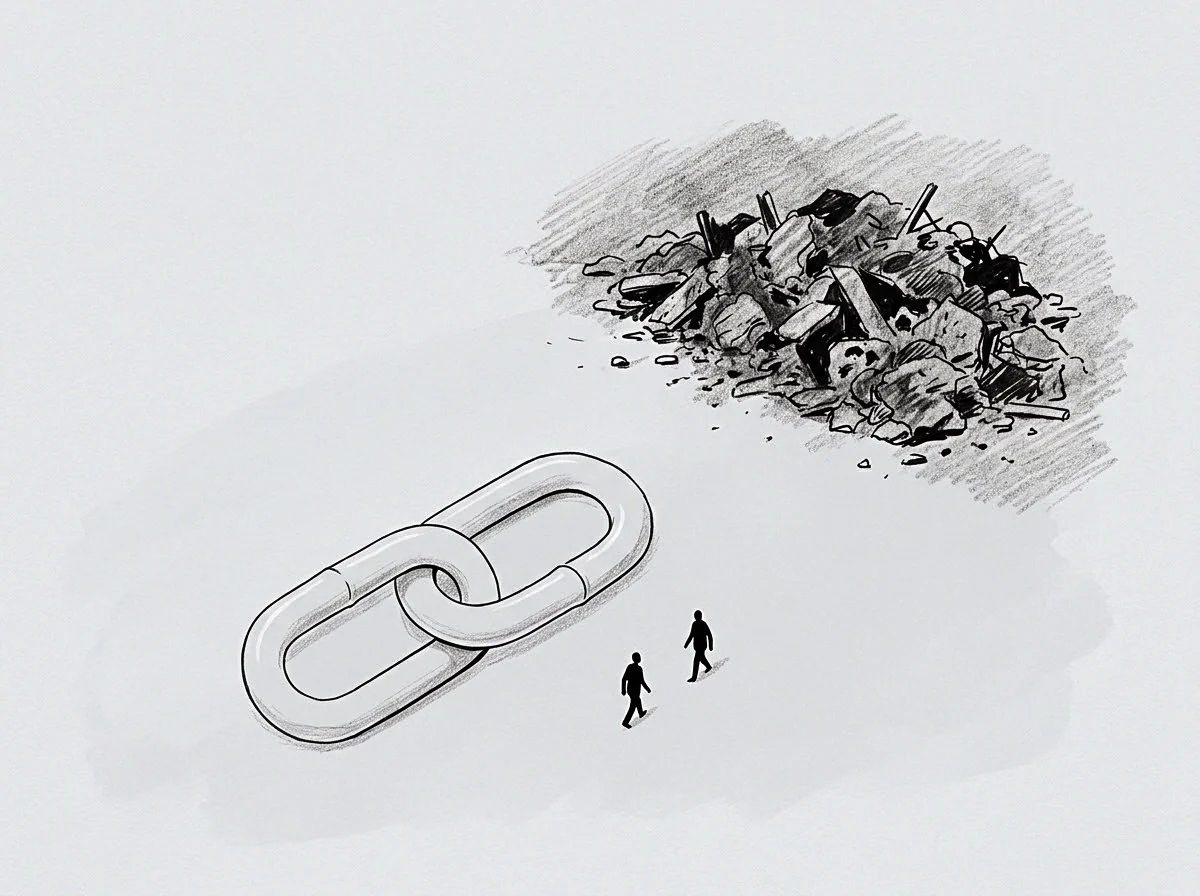
Span
Navigating extended multi-year leadership transitions tests whether an organization can decouple performance from founder presence. Take an executive enterprise with three operating divisions and ninety employees where the founder held all strategic decisions for four years. The founder’s internal working template operates on the premise that enterprise safety equals direct personal oversight.
Shifting this internal template requires a multi-stage structural transition over twenty-four months.
Teams seek baseline stability. During the initial six months, the founder institutes explicit metric floors across all divisions. Operational variances within ten percent of projections are handled exclusively by division heads without founder consultation.
Escalation paths open wide. The founder intentionally refrains from intervening in minor operational slips, allowing division heads to experience local failure and recovery within safe boundaries.
The sequence below defines the structured progression required to revise executive internal regulatory templates over time.
- Document all operational decisions currently requiring direct executive sign-off across divisions.
- Establish clear metric floors that trigger automatic operational escalation only when breached.
- Implement asynchronous review windows to decouple operational feedback from immediate emotional availability.
- Transfer tactical baseline authority to division heads through explicit authority bounds.

Sequential Steps in Executive Capacity Transition
Revising an internal working template demands deliberate updates to governance protocols over extended periods. In months seven through eighteen, the executive shifts from direct tactical oversight to structural review. Division heads form a peer governance council that meets weekly to review cross-departmental friction.
The founder attends as a silent observer, intervening only when a pre-stated strategic boundary is crossed.
Clear bounds limit volatility. By month nineteen, division heads manage their own operational baseline anxiety through peer support and protocol design. The founder experiences repeated empirical proof that the enterprise survives without continuous personal intervention.
Security grows through experience. This objective track record gradually updates the executive’s internal working model, forming a second template rooted in earned security rather than hyper-vigilant control.
Repeated actual experience under clear parameters forms a second internal working model.
The enterprise functions predictably when guidance arrives through established channels rather than continuous personal presence.

Tenor
Sustained institutional performance relies on shared stability across all operational units. Executive leadership shifts from an active physiological absorber into a structural designer of organizational baseline conditions. The leadership layer operates with increased baseline headroom, reserving cognitive allocation for long-range positional bets rather than daily fire drills.
Earned security within the executive seat alters the entire tone of enterprise governance. The leader no longer interprets subordinate operational independence as a loss of control or a threat to organizational safety. Instead, the leader views structured delegation as the primary mechanism for preserving institutional capacity.
The missing slot for internal balance opens as executive workload aligns with actual physiological limits.
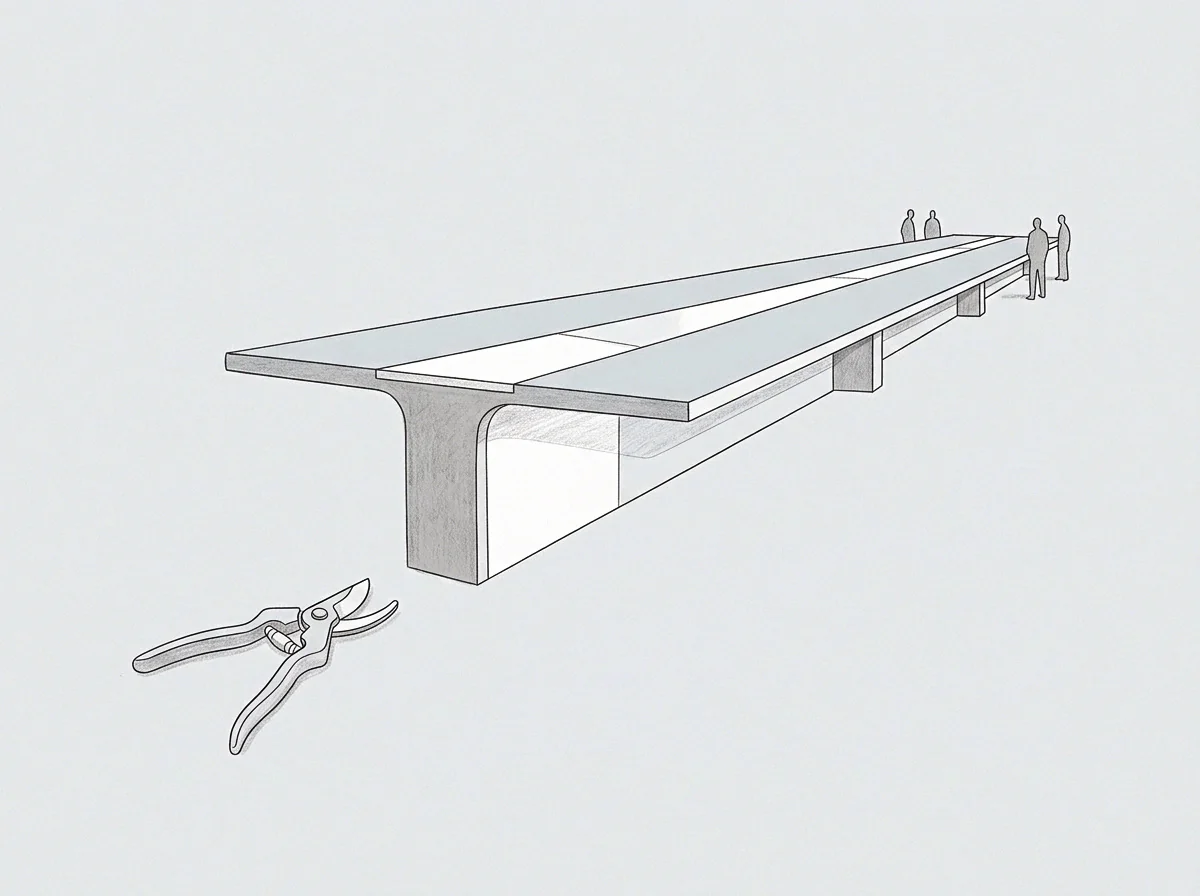
Stabilizing Earned Security Across Executive Governance
Long-term organizational stability emerges when senior leaders operate from internal security rather than unceasing responsiveness. Middle management operates with clear authority bounds, knowing exactly when executive support is available and what metrics warrant escalation. The enterprise eliminates its reliance on unpriced founder subsidies, establishing a self-sustaining operational baseline that survives scale and transition.
An explicit baseline threshold contract converts volatile executive availability into structured operational capacity across all leadership layers.