
Physiological Limits Of Earned Security Template Updates In High Risk Autonomous Executive Environments
High allostatic load in autonomous executive seats blocks the neural reconsolidation required to update historical security templates without co-regulation.

Room
An executive sitting late in a quiet office carries the absolute weight of enterprise risk without a single witness to their internal state. The physical environment offers absolute operational autonomy, yet every incoming metric demands rapid risk assessment and immediate decision execution. In this space, self-regulation remains the sole operating mode available.
The nervous system interprets total autonomy as continuous vigilance, elevating baseline arousal to keep the individual prepared for sudden structural shocks. Physical isolation compounds threat.
When operational friction increases, the body mobilizes metabolic energy to maintain cognitive focus. Without an external physiological anchor, central nervous system resources drain rapidly. The autonomic nervous system relies entirely on internal working models formed under historical exposure to maintain operational calm.
When those historical templates were forged in environments where safety was scarce, the current autonomous executive seat reinforces the exact pattern it attempts to modify.

Autonomous Environments and Executive Regulation Costs
In high-risk operational environments, decision makers encounter constant volatility, tight execution windows, and asymmetric consequences. The brain processes these conditions by drawing heavily on allostatic capacity, shifting physiological resources away from tissue maintenance and deep memory reconsolidation toward immediate metabolic mobilization. Autonomy alters metabolic expenditure.
Self-regulation under high exposure demands substantial glucose consumption and sustained prefrontal cortical inhibition. The executive who operates without physiological co-regulation pays a constant premium across every decision cycle. Proximity acts as insulation.
When that insulation is absent, the physiological baseline absorbs the raw impact of ambient uncertainty.

The Physical Ceiling of Unassisted Allostatic Maintenance
Continuous unassisted self-regulation inevitably reaches a hard metabolic threshold. As allostatic load accumulates over months of autonomous operation, systemic inflammation rises, heart rate variability narrows, and sleep architecture degrades. These physiological adaptations preserve immediate operational capacity while degrading long-term plastic updating mechanisms.
High operational autonomy isolates the brain from external regulatory cues during acute risk exposure.
Attempting to update internal security templates under persistent baseline strain produces predictable failure modes. The brain prioritizes immediate survival signaling over structural neural reorganization, locking the executive into rigid historical modes of self-reliance. Continuing to force internal template updates while maintaining maximum operational exposure depletes the remaining autonomic reserve, precipitating sudden cognitive exhaustion and severe relational withdrawal.

Intercept
Updating an internal working model demands precise conditions within the central nervous system. Known formally as earned security, this process requires the brain to overwrite historical threat expectations with novel experiences of relational reliability. In high-risk executive seats, the opportunity for this rewrite occurs when an operational crisis coincides with a responsive human presence.
Memory demands structural change.
When an executive encounters an unexpected structural failure, historical templates predict total isolation and severe vulnerability. If an external counterparty or co-executive remains steady, responsive, and non-defensive during that exact moment, the brain experiences a neural mismatch. This mismatch opens a brief reconsolidation window.
Without sustained down-regulation during that window, the existing high-threat template solidifies further.
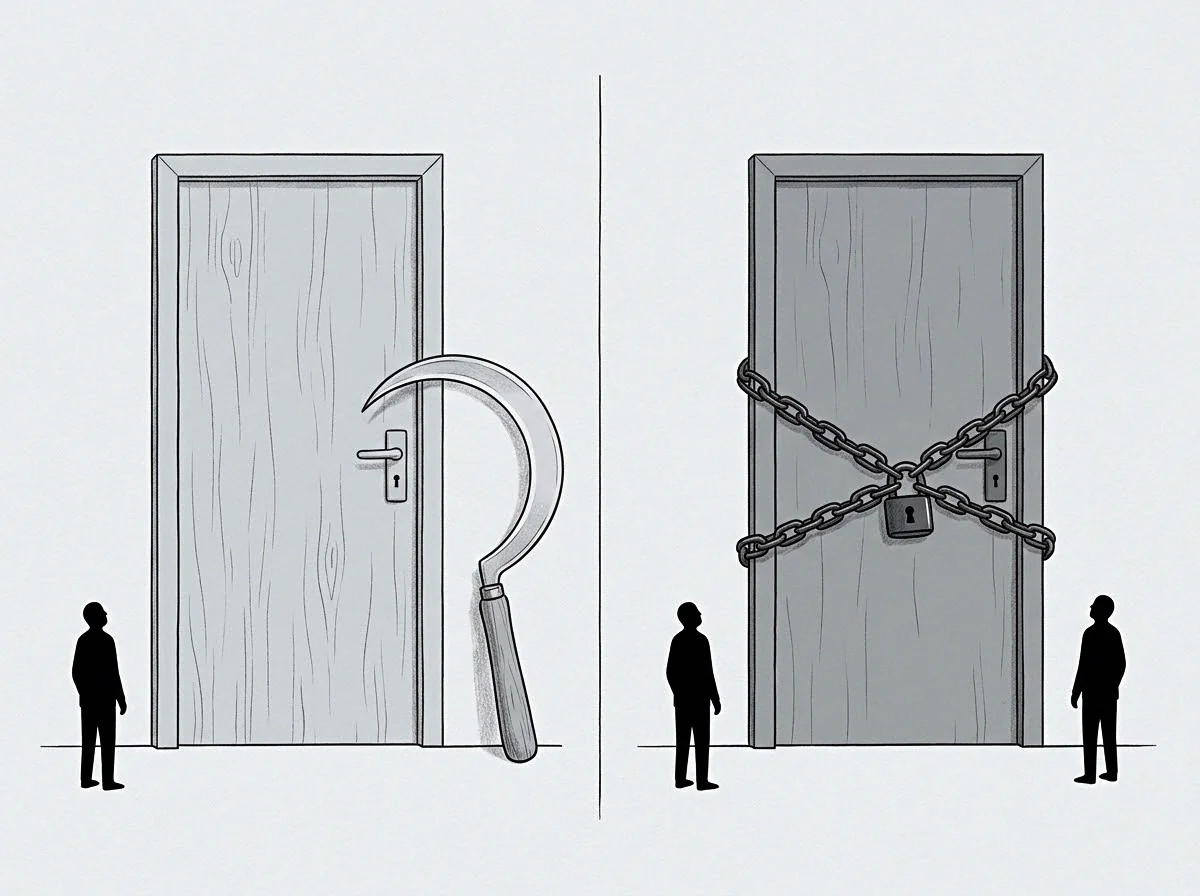
Can Neural Reconsolidation Occur Without Co-Regulatory Proximity?
Reconsolidation relies on transient sympathetic attenuation while target threat memories are active. When an executive attempts to process operational stress entirely through intellectual analysis or isolated reflection, the physiological state remains elevated. Fear maintains the model.
The neuroendocrine environment associated with chronic high-risk management elevated systemic cortisol and sustained norepinephrine levels physically inhibits synaptic plasticity within the hippocampus and basolateral amygdala. Intellectual comprehension of a relational pattern does not alter the underlying autonomic response. The body requires a physical signal of reduced threat to allow neural reconsolidation to complete.

Allostatic Load Blockades and Memory Mismatch Triggers
The structural barrier to updating earned security templates in senior leadership roles resides in the interaction between allostatic load and mismatch signal magnitude.
- Allostatic saturation prevents the transient parasympathetic activation required to signal systemic safety during high-stress operational reviews.
- Mismatch attenuation occurs when executive hyper-vigilance neutralizes external co-regulatory signals before those signals register in subterranean neural pathways.
- Autonomic rigidity locks the cardiovascular and neuroendocrine systems into high-arousal configurations that resist relational safety inputs.
- Reciprocal withdrawal prompts the executive to mask internal vulnerability, eliminating the visible signals that would otherwise elicit supportive external regulation.
When the physiological baseline is saturated by ongoing enterprise risk, the threshold for entering a reconsolidation state rises beyond reach. The brain protects itself by defaulting to established high-autonomy behaviors. Signals pass without friction.
Reconsolidation of safety templates demands transient sympathetic down-regulation during mismatch activation.
This structural blockade leaves an open operational dilemma: if high-risk executive seats maintain the exact neuroendocrine conditions that block template revision, under what precise physiological parameters can an autonomous leader shift from self-reliant vigilance to earned relational security?
Reserve
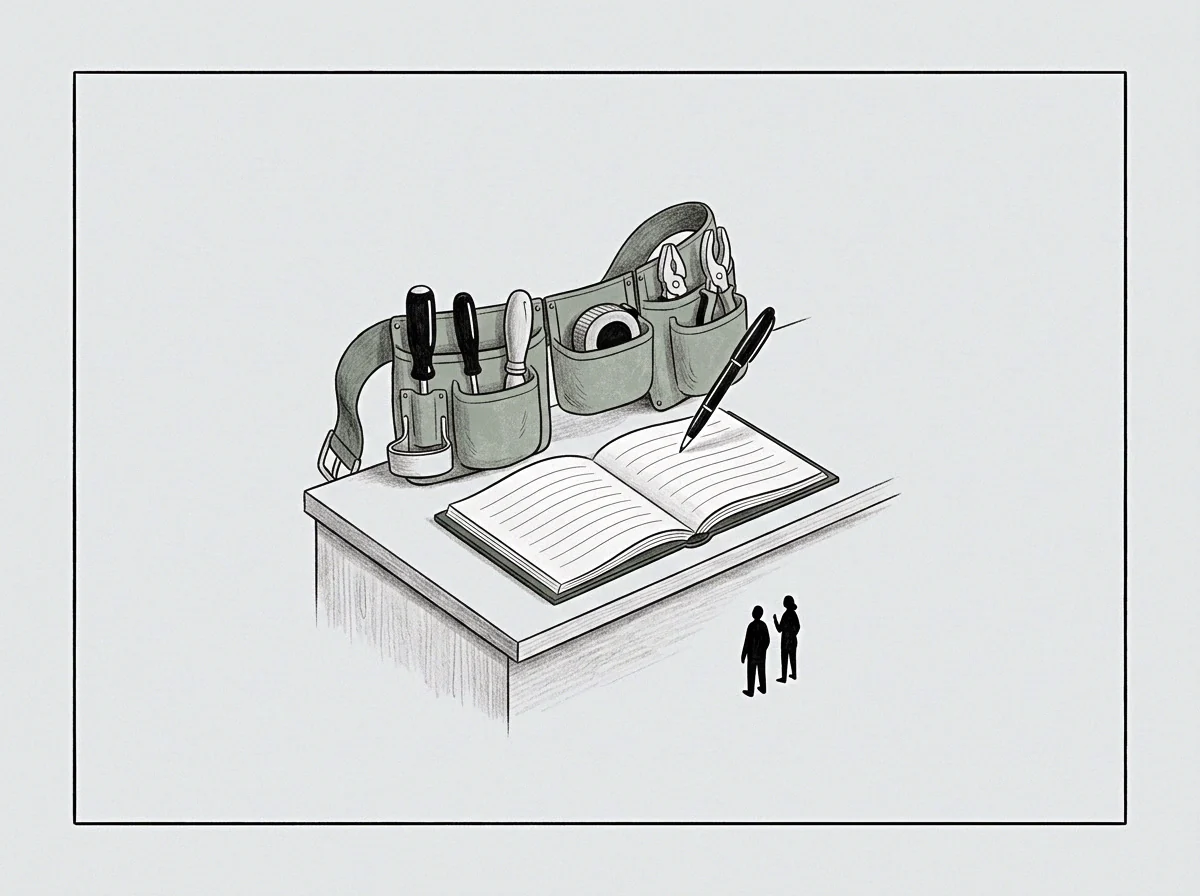
The baseline economy of human regulation operates on simple energy accounting. Proximity to a reliable, predictable partner reduces the metabolic expenditure required to process environmental threat. In high-stakes organizational environments, executives frequently function as the primary regulatory anchor for entire companies, absorbing ambient volatility from boards, markets, and operational teams.
The budget breaks silently.
When an executive absorbs external stress without receiving direct co-regulation in return, their physiological system operates at a severe deficit. The continuous expenditure of autonomic energy drains metabolic reserves that would otherwise support neuroplastic adaptation. Over extended periods, this deficit converts manageable operational pressure into structural neuroendocrine burnout.
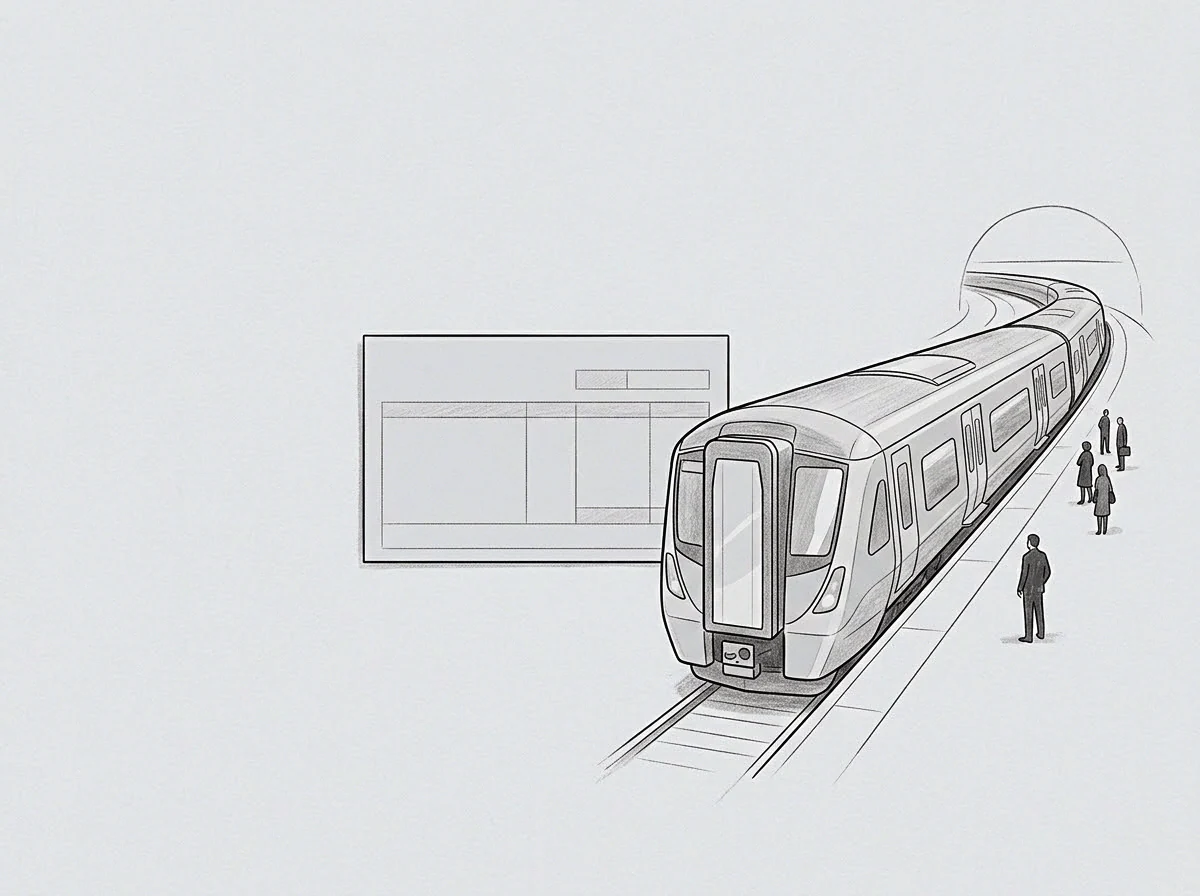
Central Nervous System Budgeting in Isolated Leadership Seats
The nervous system continuously monitors ambient threat levels against available regulatory support. When support is perceived as low or unavailable, the brain increases threat sensitivity and mobilizes metabolic fuel. This physiological calculation occurs automatically, outside conscious control.
- Continuous monitoring of high-risk enterprise variables elevates baseline sympathetic output.
- Absence of physical co-regulation forces reliance on expensive internal cognitive inhibition.
- Systemic cortisol remains elevated, impairing cellular recovery and neural network updating.
- Cumulative autonomic depletion narrows the window of tolerance for unexpected operational disruptions.
Operating continuously at the edge of autonomic capacity leaves no metabolic reserve for template modification. The individual maintains operational control by consuming internal structural assets, trading long-term physiological resilience for short-term organizational stability.
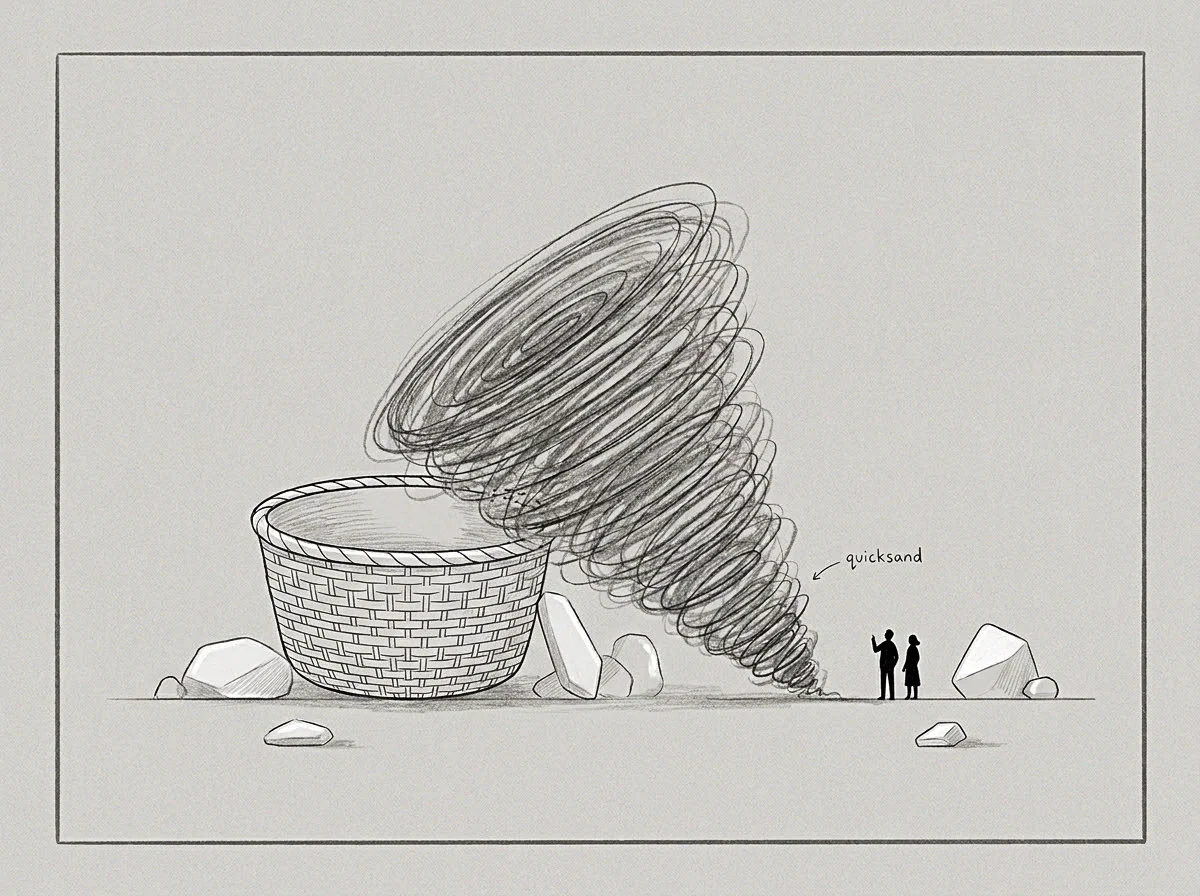
Comparative Autonomic Costs Across Executive Stances
The metabolic expenditure of leadership varies directly with the structure of the executive regulation model. The table below compares physiological expenditure profiles across common operational setups.
| Regulation Mode | Physiological Baseline | Reconsolidation Potential | Metabolic Cost |
|---|---|---|---|
| Isolated Self-Regulation | Elevated Sympathetic Tone | Severely Inhibited | High Continuous Drain |
| Asymmetric Support (Giving Only) | Hyper-Vigilant Arousal | Completely Blocked | Maximum Metabolic Strain |
| Co-Regulated Proximity | Balanced Autonomic Tone | Fully Enabled | Low Optimized Expenditure |
As absolute metabolic expenditure rises within asymmetric or isolated leadership structures, the capacity for relational updating collapses. The physical system prioritizes immediate stability over long-term structural recalibration.
Sustained autonomic isolation converts operational friction into structural neuroendocrine exhaustion.
The person in the adjacent seat observes steady performance, consistent execution, and absolute composure under extreme volatility, completely unaware that every hour of apparent calm is financed by the compounding exhaustion of an unassisted baseline.
Mirror
Many individuals who ascend to autonomous executive roles developed a backward regulatory template early in life. Having experienced environments where primary caregivers were unequipped to manage emotional or environmental stress, these individuals learned to stabilize the adults around them to secure their own safety. They internalised a working model where they act as the regulator for others while receiving no external regulation themselves.
Calm is bought early.
In executive environments, this backward template presents as exceptional operational competence, absolute self-reliance, and an uncanny ability to soothe anxious investors, board members, and team leaders. However, the system contains no internal receptor slot for being held, supported, or co-regulated. Offers of assistance from peers or partners are frequently perceived as operational liabilities or signs of incompetence.
The Reversed Internal Working Model in Foundational Roles
The reversed working model operates on an asymmetric equation: regulating others produces a temporary sense of control, while allowing oneself to be regulated feels exceptionally dangerous. The receptor slot remains empty. In high-stakes leadership, this dynamic leads the executive to seek out high-volatility environments where their stabilizing skills are continuously demanded.
Because the internal template lacks a functional pathway for receiving support, external attempts to offer co-regulation fail to land. The executive filters incoming relational warmth as noise or potential manipulation, maintaining a rigid barrier between operational duties and internal state management.

Structural Asymmetry in High-Stakes Co-Executive Relationships
When two senior leaders interact under high operational stress, their combined regulatory dynamic dictates organizational resilience. If both leaders possess backward templates, they may create a high-functioning operational unit that masks deep mutual autonomic exhaustion. Each partner regulates the other’s external performance while neither receives structural baseline relief.
Relying on self-generated calm while absorbing external volatility exhausts the regulatory baseline.
Under the conditions of an uncorrected reversed working model, any explicit agreement for shared executive risk functions as a formal load-transfer contract that continuously bills the self-reliant partner for the operational stability of the entire enterprise.
Relay
Transitioning from an isolated, high-cost self-regulation model to earned security requires structured physiological intervention rather than intellectual insight alone. The brain must experience repeated, undeniable instances of relational safety while operating under real operational exposure. Security updates take time.
This update path depends on establishing bounded proximity windows where executive risk is shared in real time with a steady, co-regulatory counterparty.
The first physical move involves creating low-stakes operational touchpoints where the executive explicitly reveals internal uncertainty before an external crisis forces total exposure. Experiencing an unpunished disclosure of limits down-regulates sympathetic activation, creating the exact neurochemical environment needed for template overwrite.

Establishing Intentional Down-Regulation Windows Under Exposure
To enable genuine template revision, down-regulation must occur while operational risk remains active. Scheduling downtime after an enterprise threat has completely resolved fails to provide the required memory mismatch. The brain simply concludes that isolation preserved safety until the storm passed.
Instead, the executive must engage in synchronized risk processing with a trusted peer or co-executive during the active phase of an operational challenge. Sharing the cognitive and physiological burden while the outcome remains uncertain provides the exact neural signal required to update the internal working model. Presence drops the cost.
Calibrating Relational Reciprocity in Senior Operations
Overcoming the structural absence of a receptor slot demands deliberate practice in receiving regulation. The executive systematically moves from passive tolerance of support to active reliance on co-regulatory partners during high-stress decision cycles. Exhaustion follows unmitigated exposure.
As these micro-experiences accumulate over months of high-stakes execution, the baseline system recalibrates. The metabolic cost of executive decision-making drops as the central nervous system integrates the presence of reliable counterparties into its default energy budget, successfully completing the transition to earned relational security.