
How Stated Intake Conditions Shape Asynchronous Operational Task Execution
Stated intake conditions enforce strict parameter validation at entry, preventing malformed tasks from consuming cognitive capacity during asynchronous execution.

Latch
An operator opens a work surface at seven in the morning to find eleven operational requests arriving across four separate channels without structural boundaries. Each message carries an implicit expectation of immediate processing, yet none provides the technical context necessary to begin work. Without pre-defined intake conditions, the execution environment dissolves into active negotiation.
The operator spends the first two hours of the day requesting missing variables, clarifying ambient scope, and establishing baseline priorities that should have been fixed before the task arrived. Asynchronous execution relies entirely on the complete transfer of context at the moment of task handoff.
When intake conditions remain unstated, the sender transfers the cognitive burden of task structuring directly onto the executing party. The incoming request functions as a raw interrupt rather than an executable unit of work. This operational pattern forces the executing party to switch contexts repeatedly, evaluating whether an inbound message contains an urgent directive or an incomplete proposal.
Research on task-switching overhead demonstrates that unvetted interrupts double error rates during active problem-solving sequences, as cognitive set-reconfiguration resting on timed set-shifting protocols requires persistent working memory allocation to hold incomplete task parameters in state.
Unstated intake parameters transform every inbound task into a real-time negotiation over operator priority.
A stated intake condition acts as an operational boundary that filters incoming load before task execution commences. The boundary dictates exact parameters for task acceptance: clear dependencies, explicit definition of complete execution, required asset links, and structural urgency classification. Tasks meeting these parameters enter the execution state instantly.
Tasks falling short remain in the intake queue, held at the perimeter until the sender supplies missing variables. The operator sets conditions once. The perimeter holds the queue.
The system meets the wall. When intake criteria exist as a published operational standard, an incoming request without explicit parameters does not trigger work. The sender must complete the intake form or supply missing context before the item moves into active execution.
A stated minimum context clause eliminates intake negotiations before execution begins.

Queue
Asynchronous task execution breaks when incoming operational requests bypass validation checks prior to work allocation. In high-velocity environments, incoming tasks accumulate in unstructured repositories, creating operational queues characterized by variable scope and unverified dependencies. The executing party faces an opaque backlog where every item demands individual inspection just to establish its basic scope.
This dynamic introduces structural friction across the operational pipeline.
Intake conditions transform an unstructured backlog into a state-gated execution pipeline. Without these parameters, four structural failure modes emerge within asynchronous operational queues:
- Malformed Scope Inputs arrive lacking clear boundaries, requiring the executing operator to inspect ambient documentation before work can begin.
- Unbound Dependency Cascades enter the active queue without verified prerequisite tasks, causing immediate work stalls after execution commences.
- Implicit Execution Deadlines arrive without explicit calendar markers, leading to arbitrary priority conflicts between parallel incoming tasks.
- Unassigned Resource Allocation items lack declared asset ownership, forcing the operator to identify counterparty dependencies during active processing.
Intake rules govern throughput. When intake conditions are rigorously maintained, task execution transitions from a reactive pattern to a deterministic flow. Tasks arrive with fully populated parameters, allowing the executing party to process work in concentrated blocks without real-time clarification loops.
This structural arrangement insulates active focus from constant incoming disruption.
Context switches carry cost. When task parameters are incomplete, the operator bears the operational penalty of continuous context switching while attempting to synthesize fragmented context. Unregulated intake queues transfer system maintenance costs directly onto the executing operator through continuous cognitive re-indexing.
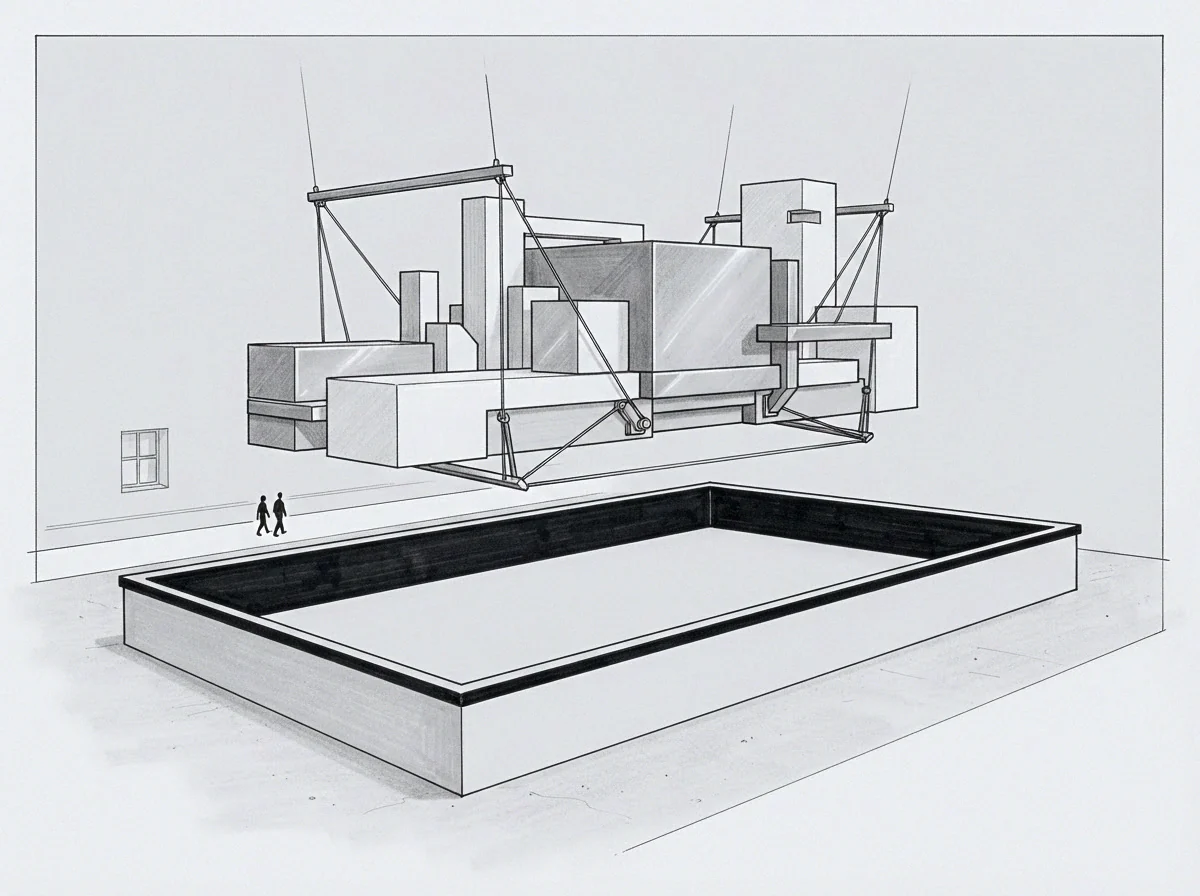
Grid
Operational efficiency relies on explicit operational contracts that dictate how work enters an execution pipeline. Synchronous task coordination relies on continuous dynamic conversation to resolve ambiguities as work unfolds, whereas asynchronous execution demands full context upfront. Comparing these operational intake models reveals structural trade-offs in processing latency, context switching overhead, and task rejection points.
| Intake Mode | Task Rejection Point | Context Switch Overhead | Execution Latency |
|---|---|---|---|
| Continuous Synchronous Intake | Post-Execution Discovery | Continuous Dynamic Interruption | Unpredictable Variable Delay |
| Unbound Asynchronous Intake | Mid-Execution Stall Point | High Reactive Context Switching | High Cumulative Friction |
| State-Gated Stated Intake | Pre-Execution Boundary Gate | Zero Intake Context Switching | Deterministic Batch Processing |
State-Gated Stated Intake moves the verification phase from active execution to the entry boundary. Tasks missing core attributes are rejected automatically or returned to the requester prior to queue entry. Work stops without data.
The executing operator works exclusively on tasks that meet operational standards, preserving uninterrupted focus blocks and maximizing execution velocity.
A hard concurrency limit forces external task ordering before execution capacity collapses under context switching.
Requesters often prefer unbound intake models because they transfer the administrative burden of task preparation to the receiving party. Under an unbound intake regime, requesters drop unstructured thoughts into task repositories and expect immediate execution. The task was placed in the incoming repository, so execution should have commenced immediately without further verification.

Ledge
Execution boundaries define the physical point where an operator declines unvalidated operational work. When an incoming task lands without explicit completion criteria or missing prerequisite assets, the executing party faces a structural choice: absorb the missing context overhead or reject the task at the entry gate. Accepting unvalidated tasks degrades operational throughput across all active work streams.

Where Do Silent Assumptions Break Execution Latency?
Silent assumptions introduce operational latency when requesters assume implicit context that the executing party does not hold. For example, a task requesting a system design change without specifying performance parameters forces the executing party to make unverified structural choices or pause execution to seek input. These silent gaps break asynchronous task flow, converting rapid asynchronous execution into prolonged, multi-day clarification cycles.
Priority demands explicit state. Studies in occupational health and physiological load show that prolonged exposure to high-volume, unpredictable work environments elevates allostatic load, measured through persistent cortisol secretion and altered heart rate variability during demanding work blocks. Workload capping protocols restore baseline cardiovascular recovery markers during continuous task processing sequences.
Unstated limits cause drift. While empirical models confirm that intake constraints reduce operational stress, determining the exact optimal batch size across heterogeneous engineering workflows remains subject to operational variance. In high-uncertainty technical environments, operators manage this uncertainty by enforcing strict single-task concurrency limits until empirical throughput data stabilizes.
Industrial manufacturing systems demonstrate that physical assembly lines halt production instantly when an incoming component fails quality specifications. Operating an asynchronous software or operational task queue without identical gatekeeping principles creates hidden system bloat and degrades output quality across all active channels.
Implementing state-gated intake follows a structured execution sequence:
- Publish mandatory intake schemas detailing required fields, asset attachments, and priority indicators across all intake channels.
- Reject incoming work items that lack required structural parameters, routing them back to the originator with explicit missing-field notices.
- Batch validated incoming tasks into structured execution blocks based on shared technical context and dependencies.
An operator who validates task inputs before work starts preserves operational capacity across the entire delivery cycle.
Whether external teams can adapt to state-gated intake without initial friction remains a structural variable dependent on institutional incentive structures.
Vault
Long-term operational sustainability emerges when task execution environments operate behind strict isolation barriers. Stated intake conditions insulate executing operators from ambient organizational load, forming a protective structure around execution time. This isolation enables predictable task delivery, accurate effort estimation, and sustained focus across complex operational cycles.
The term halts pushback. When intake parameters are clearly published and consistently enforced, the intake system transforms into an objective wall rather than a personal negotiation. Senders adjust their behavior to match the intake schema, submitting fully articulated tasks with complete context.
The wall holds fast.
Clear intake terms create predictable execution output regardless of inbound volume spikes.
Scope defines execution limits. Terms protect capacity state. Output follows input quality.
Execution demands real focus. By establishing firm intake conditions, operators shield their execution capacity, reduce operational overhead, and sustain focus on high-impact work.
Tasks that enter execution without complete inputs yield incomplete results and compound operational debt.