
Operational Escalation Routing During Unplanned Volumetric Scaling
Automated backpressure and state-gated escalation routing protect engineering capacity during unexpected volumetric spikes by shedding non-critical operational load.
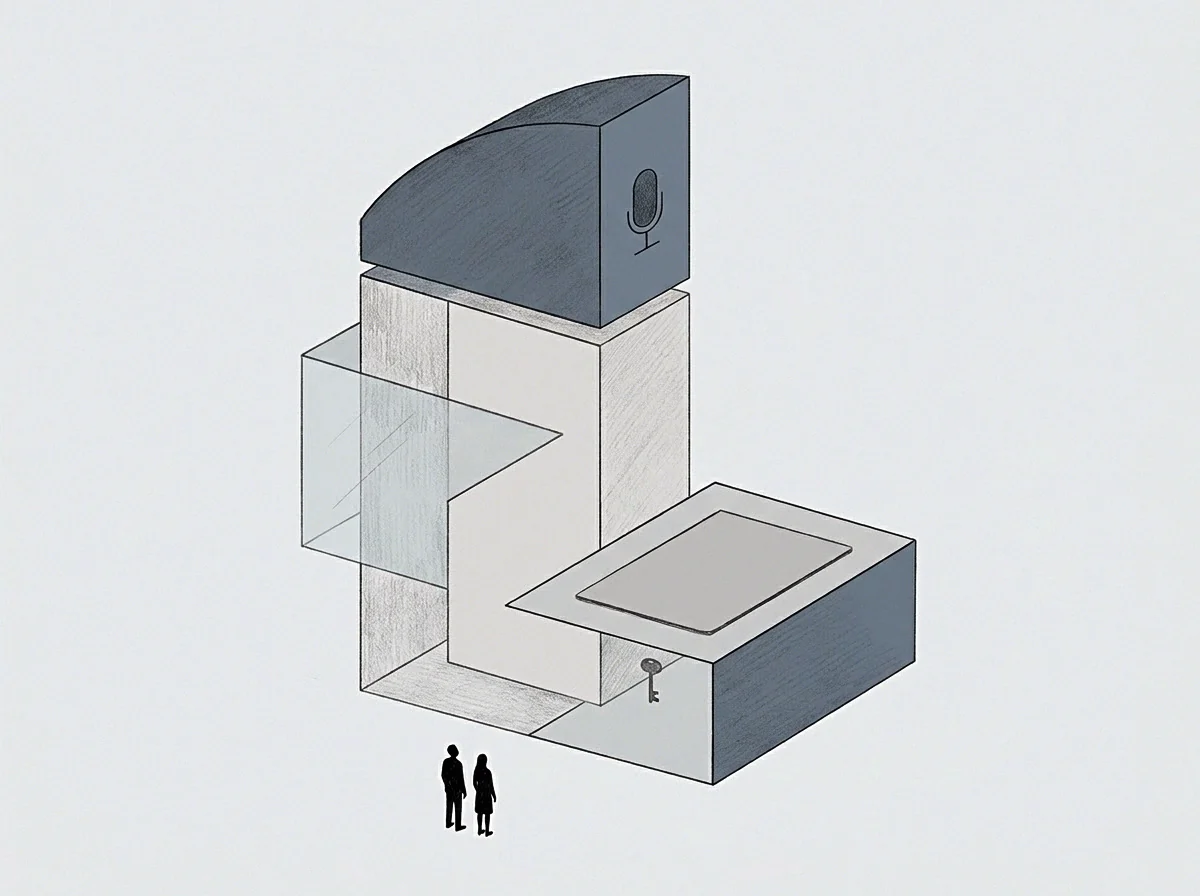
Wall
Four operational channels flood simultaneously on a night when engineering capacity sits at full allocation. An unexpected ten-fold surge in user activity generates inbound incident tickets faster than triage responders can evaluate them. Automated monitoring tools broadcast continuous critical signals while customer service queues fill beyond safe operational limits.
Under baseline conditions, escalation paths rely on manual review by on-call engineers who classify severity and route problems to specialized technical teams. When incoming volume escalates without warning, this linear processing model collapses under the sheer quantity of incoming work.
The limit stands. Escalation systems operating without automated backpressure mechanisms force human operators to act as structural buffers. When the volume of incoming requests exceeds human processing velocity, the triage layer becomes a severe bottleneck.
Operational visibility degrades as unread alerts stack up in primary monitoring queues. Incident commanders attempt to clear incoming items manually, but manual classification speed remains fixed while incoming ticket volume scales exponentially.
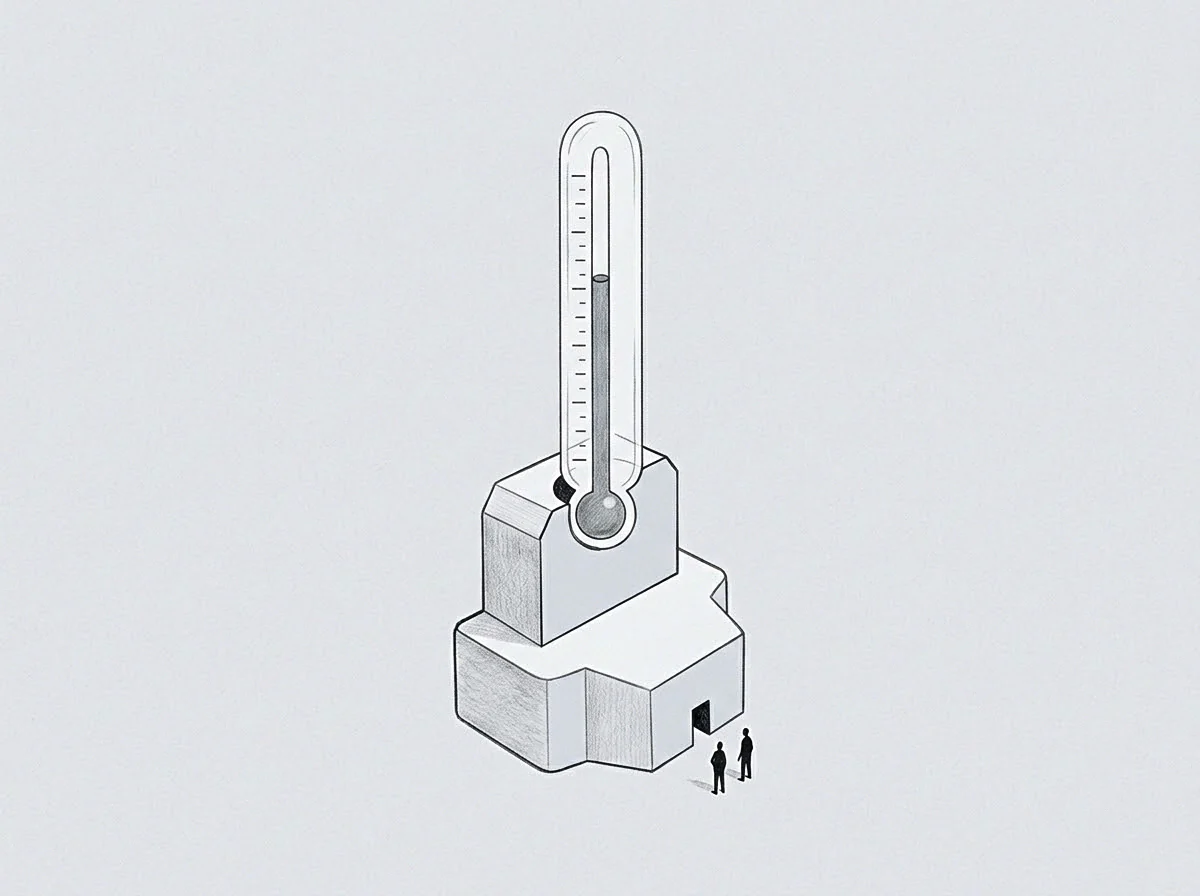
Volume Surges and Ingress Bottlenecks
Inbound operational scaling presents a structural problem when escalation rules rely on human judgement at the ingress point. A standard tiered support hierarchy directs all raw alerts to a primary triage pool. High-capacity events rapidly saturate this primary pool, preventing critical failure signals from reaching senior system engineers.
System load shifts upstream, creating artificial delays across every connected service team.
Load transfers elsewhere. The queue overflows. Triage responders experience severe cognitive overload, reducing classification accuracy precisely when precision is required.
Secondary operational groups receive misrouted, duplicate, or unvetted incidents that divert engineering capacity away from root cause remediation.
When incoming operational volume exceeds tier-one processing speed, non-interactive escalation channels absorb ambient noise while delaying actionable signals.
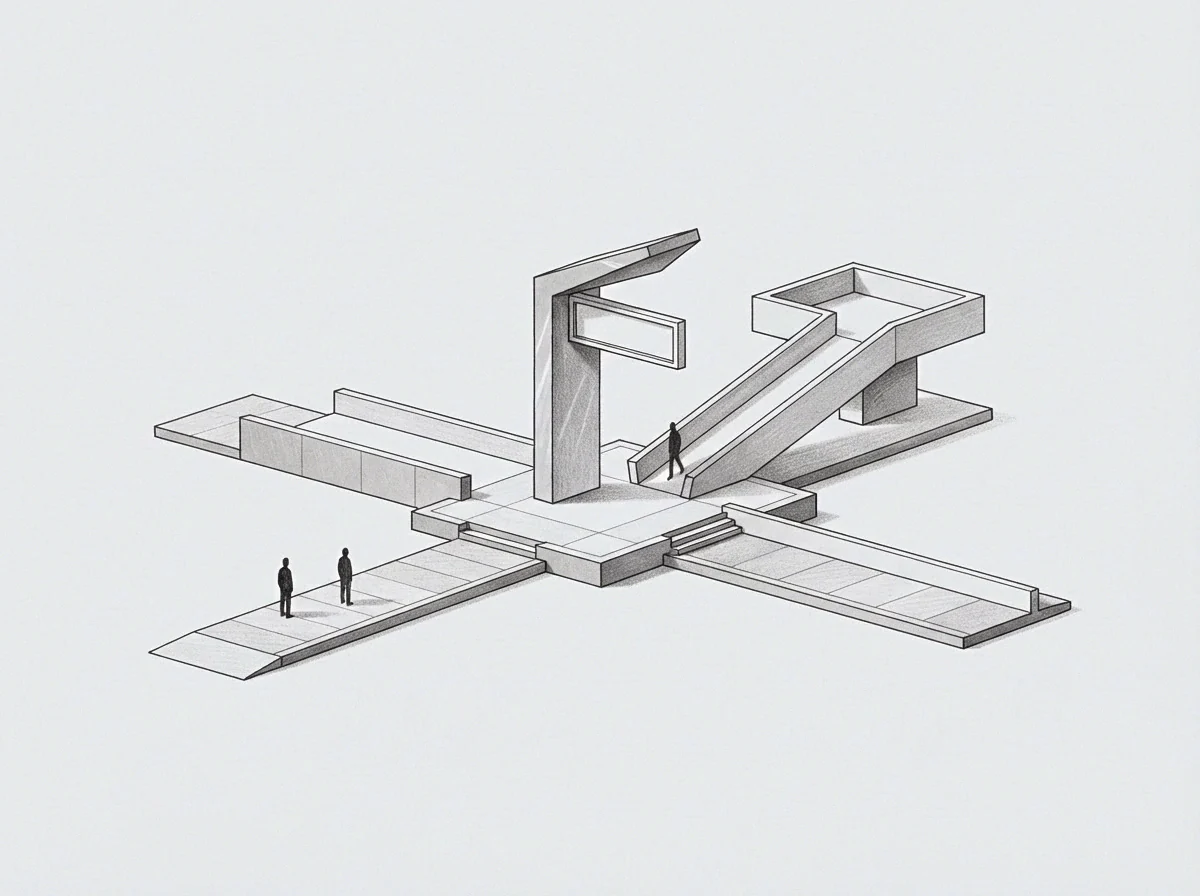
Capacity Breaches in Tiered Support
Operational stability depends on maintaining explicit ingress boundaries. Linear escalation pathways assume that incoming volume remains within predictable statistical bounds. Unplanned volumetric scaling breaks this assumption, exposing the fragile dependency on human availability.
Organizations that treat human availability as an infinite reserve experience rapid operational failure during unexpected volume spikes.
The remaining uncertainty is whether an automated load shed point can maintain operational coherence when human operators manual intervention overrides the circuit breaker.
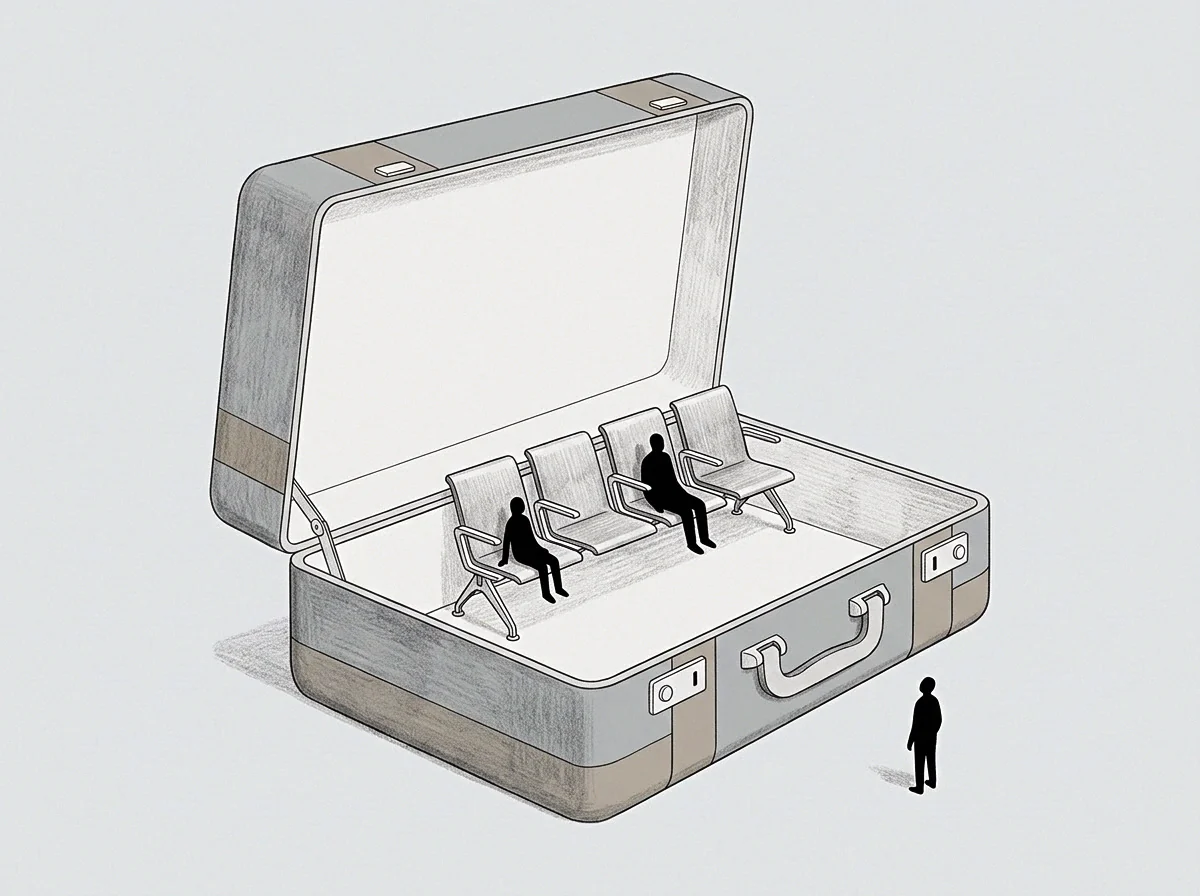
Spill
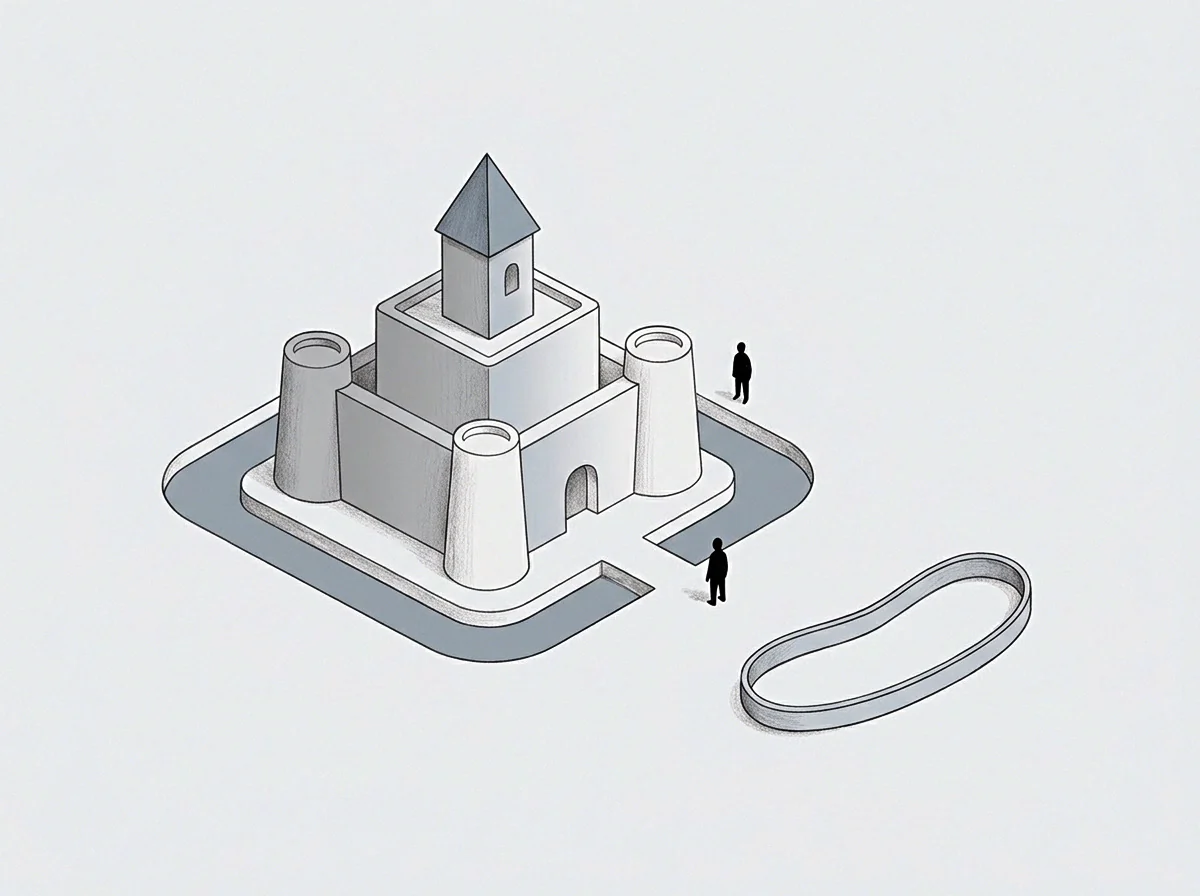
When primary triage pools overflow, incoming operational load spills into adjacent technical channels. On-call responders receive raw telemetry directly, bypassing designed review stages. This unmediated load distribution destroys contextual prioritization.
Engineers working on core infrastructure repairs face constant context switching as secondary alerts breach primary communications channels.
The wall holds. Operational routing structures without explicit throttling mechanisms default to chaotic spillover. Inbound messages distribute according to responder visibility rather than engineering relevance.
System performance deteriorates as technical personnel allocate attention to acknowledge notifications rather than isolate systemic faults.

Cascade Patterns Across Secondary Responders
Uncontrolled volume expansion follows predictable cascade dynamics across technical teams. The following failure modes emerge when operational routing mechanisms lack load-transfer limits:
- Queue Saturation occurs when incoming ticket arrival rates continuously exceed service capacity, leading to linear escalation delay growth.
- Alert Storm Cascade emerges as secondary monitoring nodes trigger redundant notifications for the same underlying root cause.
- Responder Throttling happens when senior engineers spend full cognitive capacity acknowledging alerts rather than executing remediation protocols.
Routing falls back. The rate drops. Unmanaged operational load transfers risk onto secondary operational units that lack the context or tools required for rapid resolution.
Without explicit shedding rules, the entire engineering organization absorbs the operational impact simultaneously.
A explicit load-shedding rule prevents cascading system failure by dropping non-critical escalations at the ingress point.
A routing topology designed around baseline capacity breaks the moment secondary responders receive primary operational load without explicit volume shedding.
Filter
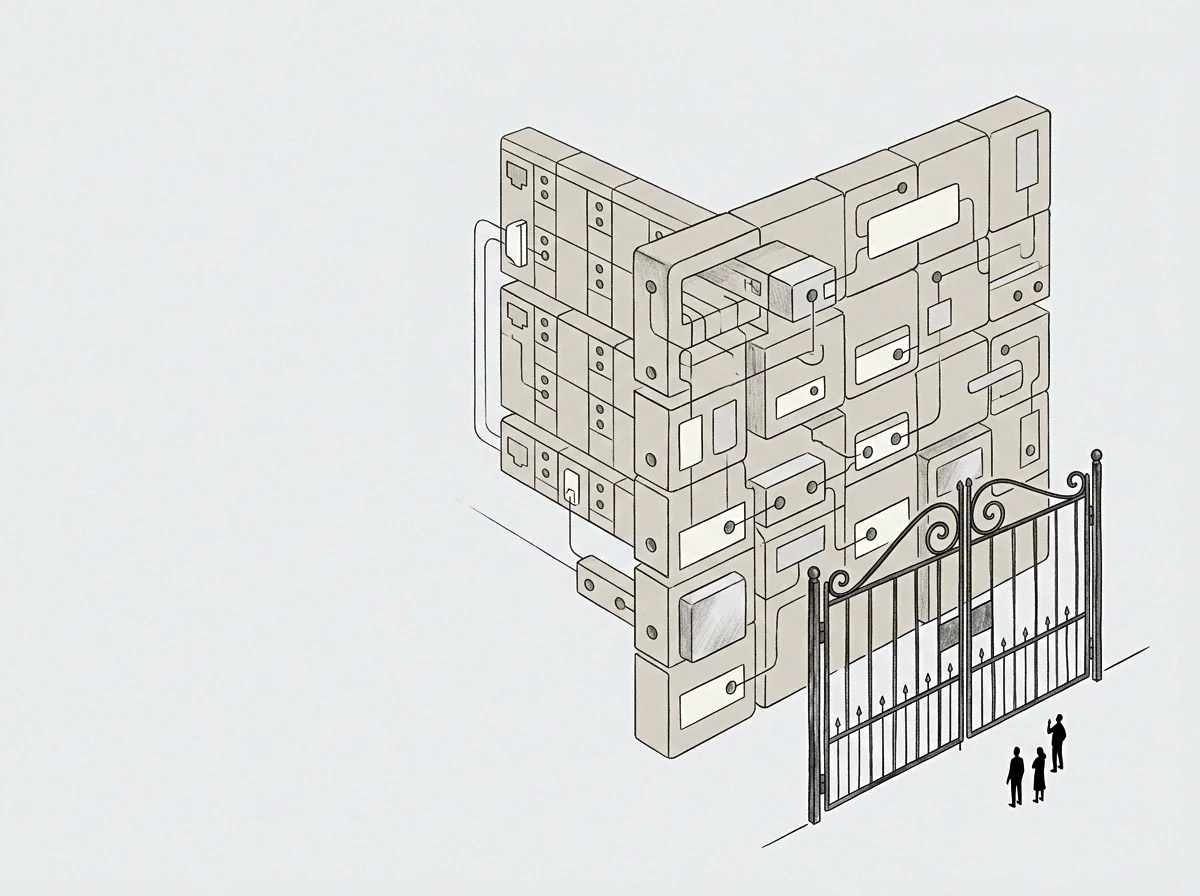
Filtering mechanisms define how an operational routing network behaves when incoming telemetry breaches defined safety boundaries. Systemic stability requires structural rules that categorize, delay, or drop inbound signals based on objective system states rather than subjective human availability. The operational model must distinguish between signal originators and active remediation nodes.
Priority shifts instantly. Structural filters evaluate incoming incident requests against real-time platform capacity metrics. When platform performance degrades beyond predefined thresholds, the escalation router switches modes automatically.
Non-essential ticket categories queue silently while critical infrastructure alerts bypass manual triage tiers entirely.
Escalation Routing Structural Comparative Matrix
Different routing models handle unexpected volumetric spikes through distinct operational mechanics. The comparative matrix below outlines structural tradeoffs across three common escalation policies during active volume surges.
| Routing Policy | Ingress Latency | Triage Overhead | Failure Mode | Systemic Consequence |
|---|---|---|---|---|
| Static Tiered Routing | High linear growth | Saturates primary pool | Complete queue blockage | Exhausts human responder capacity |
| Adaptive State-Gated Routing | Bounded deterministic delay | Automated by rule engine | Transient signal drop | Preserves remediation bandwidth |
| Load-Shedding Backpressure | Low zero-queue latency | Zero manual overhead | Sheds low priority traffic | Maintains platform core stability |
The secondary line breaks. Silence signals exhaustion. Selecting an escalation structure requires matching organizational tolerance for dropped non-critical communications against the risk of total engineering exhaustion during a surge.
Capacity transferred without structural backpressure simply redistributes systemic exhaustion to secondary engineers.
Routing escalations through overloaded triage tiers destroys operational visibility and exhausts senior technical staff within hours of an unmitigated volume spike.

Gate
A worked situation illustrates the precise transition from controlled operation to volumetric overload. Take an engineering organization supporting an online financial clearing engine during a major market volatility event. Baseline operational conditions produce forty incident notifications per hour, fully managed by a two-person tier-one support desk.
During the market event, transaction volume increases twelvefold over three minutes, raising incoming alert output to eight hundred notifications per hour.
The cost sits elsewhere. The system shifts state. The channel shuts down.
Under static routing rules, the tier-one support desk reaches one hundred percent utilization within four minutes. Alerts accumulate in primary queues at a rate of seven hundred and sixty items per hour. Responders attempt to clear queues manually, but unread items hide a critical database storage exhaustion signal.
The primary database halts processing due to unmanaged storage pressure while engineers address low-severity user interface timeouts.

State Gated Versus Decision Gated Routing
State-gated escalation mechanisms prevent this failure mode by tying routing logic directly to system health variables rather than human decision-making. When storage capacity breaches ninety percent, a state-gated rule locks non-critical ticket routing and automatically routes database alert groups directly to the principal infrastructure engineer on call.
- Initial queue metrics breach the defined normal operating parameter.
- Automated circuit breakers trigger backpressure on incoming customer request channels.
- Escalation routing redirects secondary alerts into a consolidated batch queue.
- Incident commanders assume manual control over priority assignment thresholds.
Decision-gated routing fails under volume pressure because every routing action requires active human cognition. State-gated systems move incoming traffic based on pre-established logic gates that execute without delay. Physical safety systems in industrial manufacturing operate under identical principles: when line pressure reaches critical limits, mechanical relief valves open automatically regardless of operator intervention.
Four distinct monitoring tools alerting simultaneously creates complete operational paralysis across all engineering tiers.
Does Volumetric Saturation Force Path Bypassing During Unplanned Spikes?
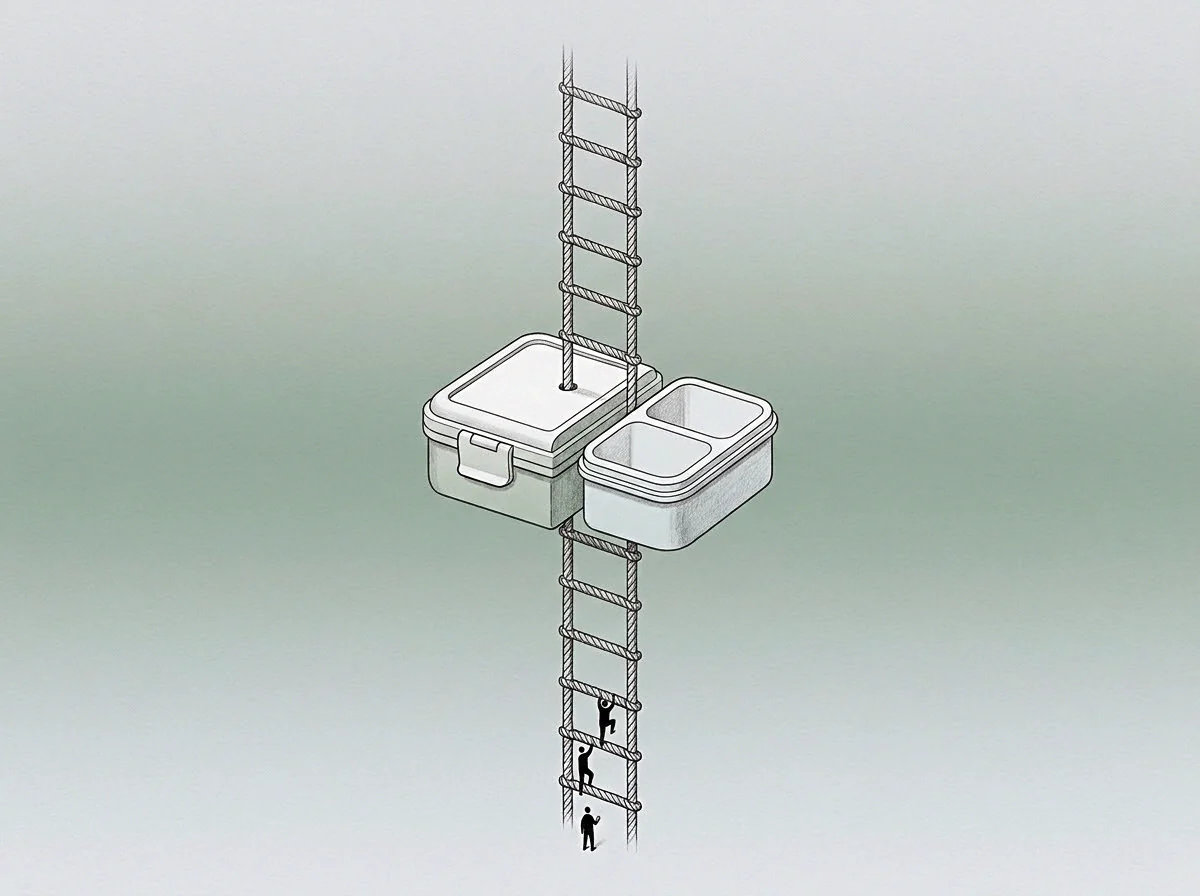
Volumetric saturation forces escalation paths to bypass standard intermediary review tiers when incoming signal rates exceed human processing velocity. Applied queuing theory, specifically Erlang loss formulations, demonstrates that human-operated service channels experiencing bursty arrival distributions experience rapid queue buildup. When the arrival rate exceeds service rate capacity by more than twenty percent, queue length grows indefinitely unless incoming traffic is shed or re-routed instantly.
Testing these queuing models under simulated operational stress confirms that intermediate manual review steps add non-linear latency during high-volume spikes. Bypassing intermediate tiers preserves system availability by shortening the communication loop between the failure source and the technical authority capable of executing structural remediation.
The operational team cannot respond to individual incoming tickets while the underlying service infrastructure continues to generate automated high-severity alerts.
Desk
Managing operational capacity during volumetric scaling requires establishing clear positions on engineer availability and system load limits. Availability is derived from explicit operational rules rather than broadcast promises. When an organization states clear terms for incident routing, technical teams maintain focus despite severe external volume fluctuations.
The position holds. The queue stabilizes. Terms filter load.
Stating limits upfront transforms chaotic operational escalation into a controlled engineering process. Operational teams that define clear backpressure policies protect responder capacity while delivering predictable service outcomes during extreme volume events.

Deriving Availability from Stated Position
System availability reflects structural policy choices made prior to emergency conditions. An operational team that defines explicit queue depth limits creates a predictable work environment. Incoming load meets predefined load-shedding criteria rather than pushing human operators past functional limits.
When an operational desk states its ingress thresholds clearly, external stakeholders adapt their communication patterns. Non-critical requests move to asynchronous channels, leaving priority paths open for system-critical telemetry. This structural separation maintains system integrity without requiring continuous manual enforcement.

Throttling Policies and System Equilibrium
Long-term operational durability relies on maintaining balance between incoming service demand and available responder capacity. Automated throttling policies enforce this equilibrium by limiting ingress traffic during periods of platform instability. Protecting human responder bandwidth preserves the technical capacity needed to diagnose root causes and restore full system operation.
A explicit backpressure policy changes an unmanaged operational overflow into a predictable service throttling event by bounding incoming queue depth at the primary interface.