Meaning
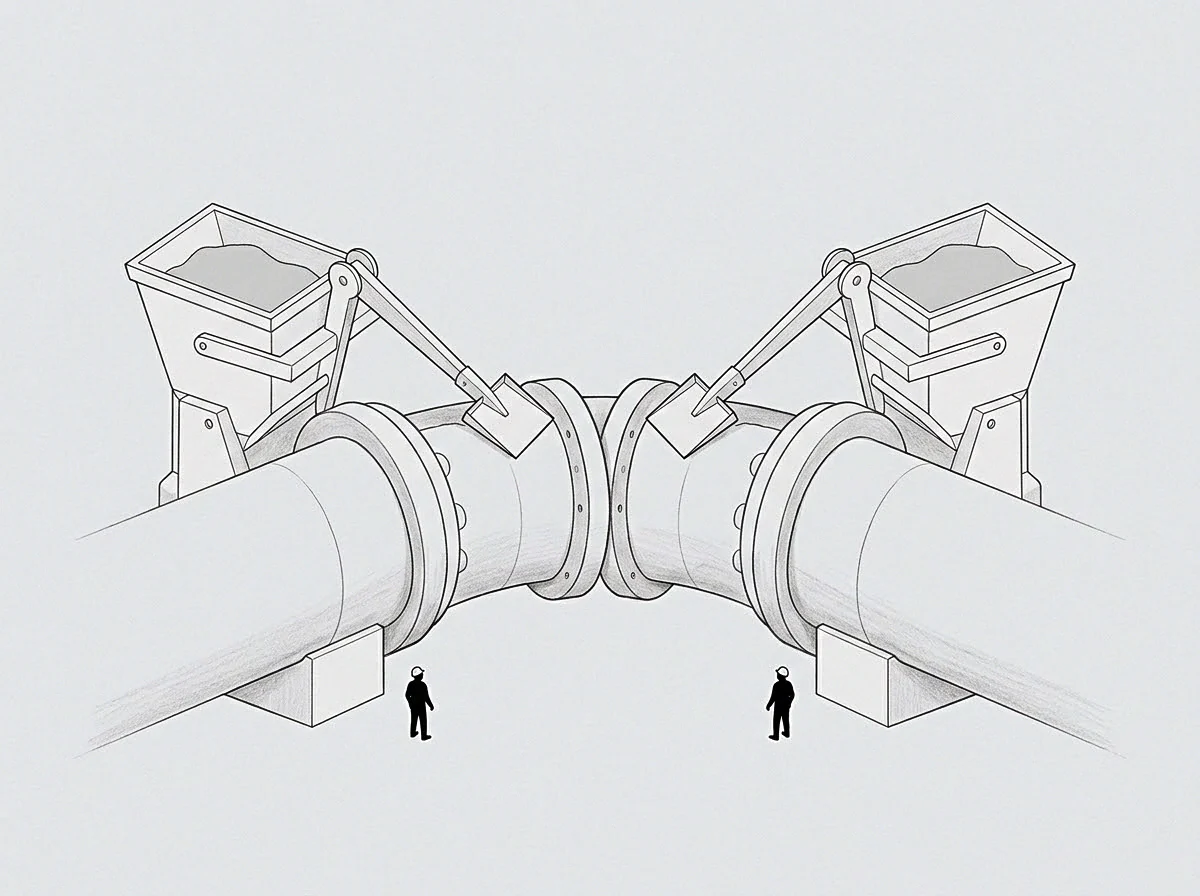
A gradual, unintended shift in the primary purpose or urgency of a communication platform. The occurrence of channel drift typically transforms low-priority channels into sources of constant interruption. This shift undermines the separation between urgent operational alerts and casual administrative updates.
The phenomenon terminates when organizations redefine channel boundaries through formal policy.
Communication Hazard
Platform misuse is the main driver of this organizational problem. When employees begin posting urgent issues on casual discussion boards, channel drift forces leadership to monitor all feeds continuously. The change creates a environment of persistent vigilance where no channel can be safely ignored.
Attention capacity is drained as founders scan unrelated discussions for hidden critical updates.
Cognitive Demand
The continuous monitoring of multiple platforms creates an immense drain on cognitive capacity. When channel drift occurs, the founder cannot predict where the next high-priority message will appear, leading to constant tab-switching and fragmented focus. Each transition between conversational formats consumes valuable executive attention and reduces the time available for strategic planning.
Over a long period, this unorganized flow of messages leads to mental fatigue and slower reaction times during genuine crises. Establishing clear boundaries around which topics belong on which platforms is essential to prevent this continuous drain.
Structural Protocol
Organizational rules can correct the flow of information. Once channel drift is identified, the administrator must archive the offending channels or re-establish strict posting guidelines. Direct communication channels are restricted to high-priority issues, while non-urgent matters are moved to asynchronous documentation.
Focus is restored once the team knows exactly where to find and share specific information.