Meaning
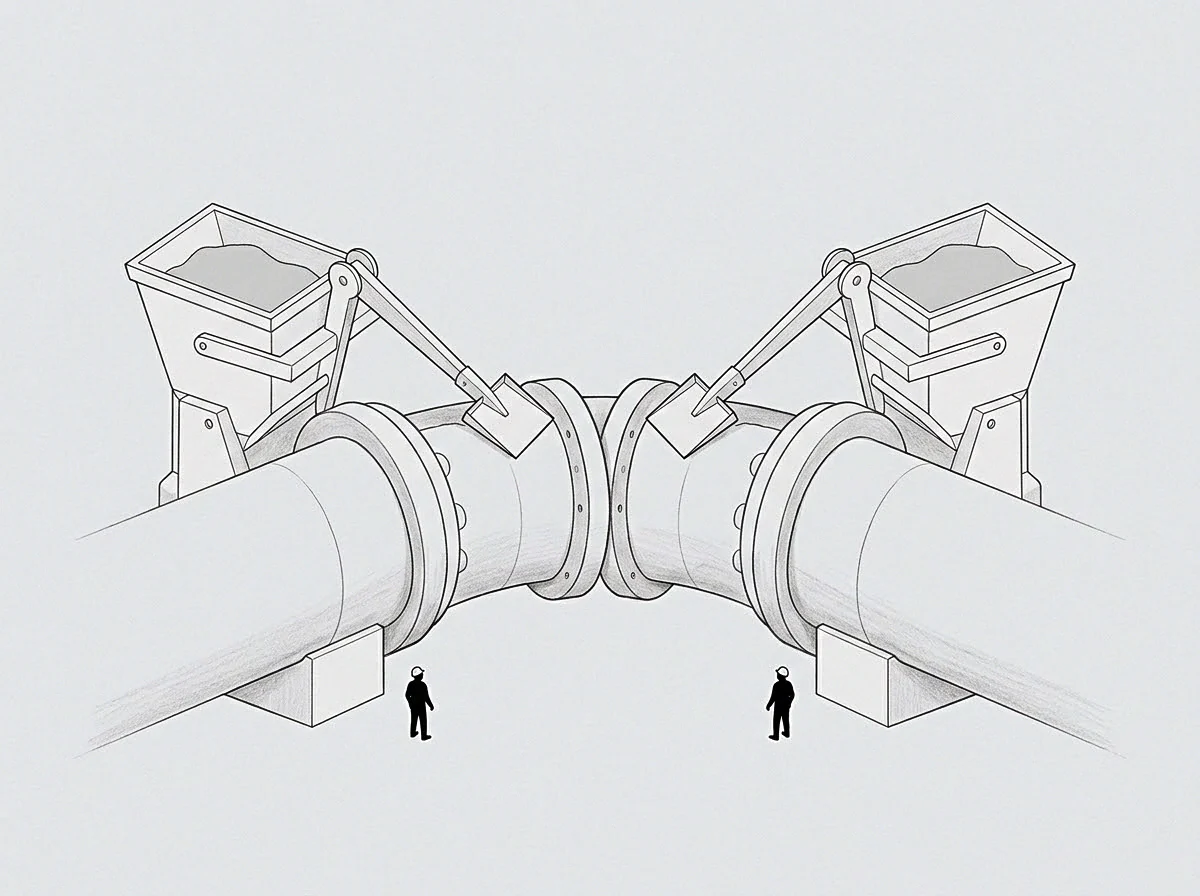
A designated individual or system responsible for evaluating and routing incoming requests before they reach leadership. The primary function of a triage operator is to protect the founder’s cognitive capacity by filtering out low-priority messages. This mechanism ensures that only the most critical operational issues are presented to the executive for action.
The filter operates continuously during standard business hours.
Administrative Shield
Attention protection is the main benefit of this operational setup. By serving as the single point of contact, the triage operator absorbs the initial shock of incoming operational alerts and queries. The operator handles minor issues independently or routes them to the appropriate department.
This shielding reduces the frequency of interruptions that disrupt the founder’s focused work sessions.
Information Filtering
The sorting of incoming demands requires deep organizational knowledge and clear evaluation criteria. The triage operator evaluates each request against a strict set of rules to determine its urgency and relevance to the founder. Low-priority messages are resolved or scheduled for later review, while high-priority issues are routed to the founder’s queue immediately.
This system of filtering ensures that the founder’s attention is focused on the most important matters first. By reducing the volume of incoming noise, the triage operator preserves the founder’s energy and increases the overall efficiency of the leadership team.
Operational Margin
Mental bandwidth is restored through the use of this administrative role. With the triage operator handling the initial flow of information, the founder can dedicate uninterrupted hours to strategic initiatives. This setup prevents the mental exhaustion that comes from constant task-switching.
Long-term performance is sustained because the founder is only interrupted when their direct intervention is absolutely necessary.